
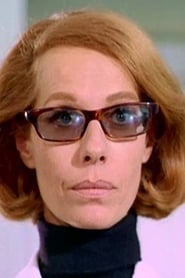
Known for
 7.8
7.8A quirky spy show of the adventures of eccentrically suave British Agent John Steed and his predominantly female partners. Jonathan Steed - an urbane, proper gentleman spy - teams with various assistants throughout the series' run, including Dr. David Keel, Cathy Gale, Emma Peel and Tara King, to repeatedly save the world from diabolical schemes plotted by equally diabolical evil-doers (among them robots and man-eating monsters).
The Avengers
1961
 7.4
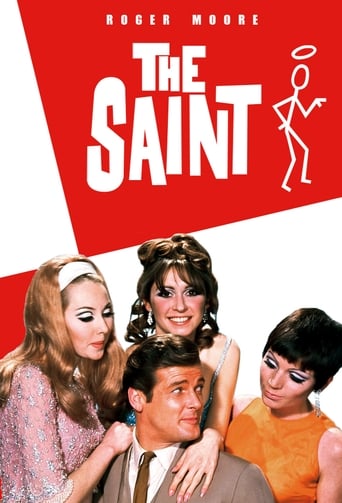
7.4Simon Templar is The Saint, a handsome, sophisticated, debonair, modern-day Robin Hood who recovers ill-gotten wealth and redistributes it to those in need.
The Saint
1962
 5.2
5.2A BBC television anthology series featuring productions of classic and contemporary stage plays usually broadcast on BBC1. Each production featured a different work, often using prominent British stage actors in the leading roles. The series was transmitted from October 1965 to September 1983.
BBC Play of the Month
1965
 7.2
7.2Theatre 625 is a British television drama anthology series, produced by the BBC and transmitted on BBC2 from 1964 to 1968. It was one of the first regular programmes in the line-up of the channel, and the title referred to its production and transmission being in the higher-definition 625-line format, which only BBC2 used at the time.
Theatre 625
1964
 3.5
3.5Sunday Night Theatre was a long-running series of televised live television plays screened by BBC Television from early 1950 until 1959. The productions for the first five years or so of the run were re-staged live the following Thursday, partly because of technical limitations in this era, and the theatrical basis of early television drama. Some of the earliest collaborations between Rudolph Cartier and Nigel Neale were produced for this series, including Arrow to the Heart and Nineteen Eighty-Four. The Sunday night drama slot was subsequently renamed The Sunday-Night Play which ran for four seasons between 1960 and 1963. ITV transmitted its own unrelated run of Sunday Night Theatre between 1971 and 1974.
Sunday Night Theatre
1950
 7.7
7.7After resigning, a secret agent is abducted and taken to what looks like an idyllic village, but is really a bizarre Kafkaesque prison. His warders demand information. He gives them nothing, but only tries to escape.
The Prisoner
1967
Film credits
1960s · 7 titles
 6.7
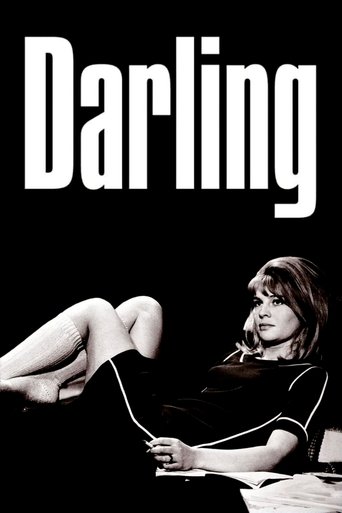
6.7Diana, a beautiful but shallow and easily distracted model and failed actress, toys with the affections of several men while attempting to gain fame and fortune in Swinging London.
Darling
1965
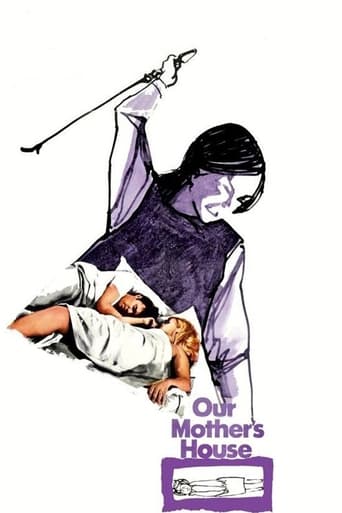 7.2
7.2Seven children bury their mother and hide her death - until their long-lost father returns.
Our Mother's House
1967
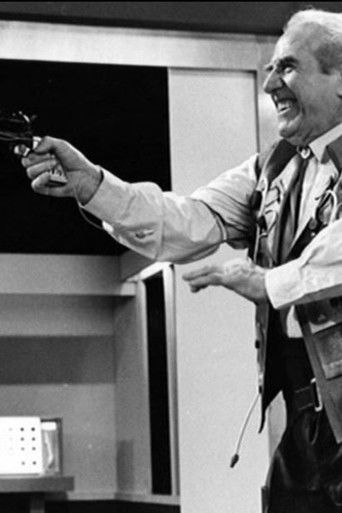 NR
NRAmos Handworthy's grandfather was quick on the draw: as a U.S marshal, it was a job requirement if you wanted to stay alive. But now Amos has built a gun-slinging robot, programmed to be a split second slower than him in a gunfight, so that he can perpetuate the myth and glory of his grandfather's frontier past. But will Amos bet his life on a duel with real bullets?
The Fastest Draw
1966
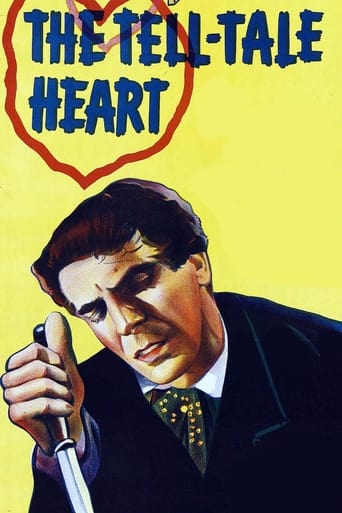 6.1
6.1A man's sanity is a point of contention as he confesses to murdering an elderly man, driven by the victim's pale blue 'vulture eye', culminating in guilt-induced auditory hallucinations of the victim's beating heart.
The Tell-Tale Heart
1960
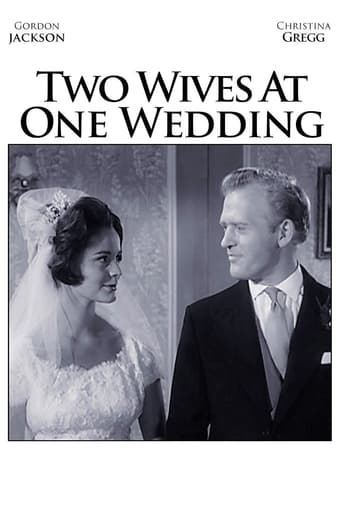 6.8
6.8Tom Murray's wedding day takes a turn for the worse when a mysterious woman arrives uninvited and claims to be his wife.
Two Wives at One Wedding
1961
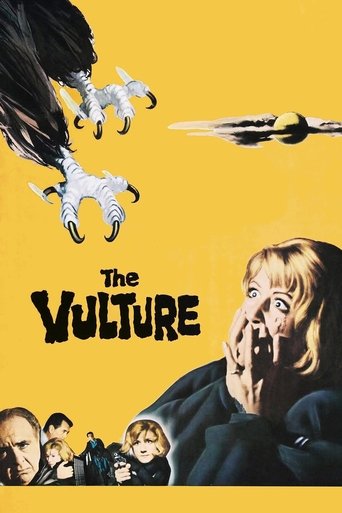 5.0
5.0A mad scientist turns himself into a half-man, half-bird monster to avenge the death of his ancestor.
The Vulture
1966
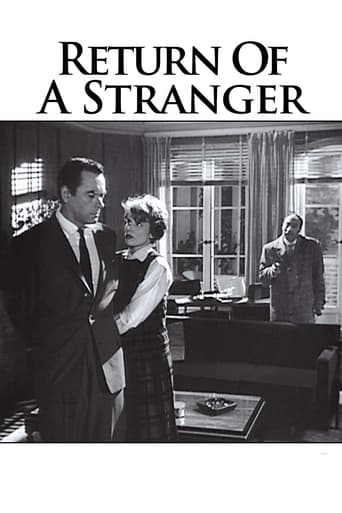 5.5
5.5An obsessed man returns to claim the woman he loves.
Return of a Stranger
1961

Series credits
7.8A quirky spy show of the adventures of eccentrically suave British Agent John Steed and his predominantly female partners. Jonathan Steed - an urbane, proper gentleman spy - teams with various assistants throughout the series' run, including Dr. David Keel, Cathy Gale, Emma Peel and Tara King, to repeatedly save the world from diabolical schemes plotted by equally diabolical evil-doers (among them robots and man-eating monsters).
The Avengers
1961
7.4Simon Templar is The Saint, a handsome, sophisticated, debonair, modern-day Robin Hood who recovers ill-gotten wealth and redistributes it to those in need.
The Saint
1962
5.2A BBC television anthology series featuring productions of classic and contemporary stage plays usually broadcast on BBC1. Each production featured a different work, often using prominent British stage actors in the leading roles. The series was transmitted from October 1965 to September 1983.
BBC Play of the Month
1965
7.2Theatre 625 is a British television drama anthology series, produced by the BBC and transmitted on BBC2 from 1964 to 1968. It was one of the first regular programmes in the line-up of the channel, and the title referred to its production and transmission being in the higher-definition 625-line format, which only BBC2 used at the time.
Theatre 625
1964
3.5Sunday Night Theatre was a long-running series of televised live television plays screened by BBC Television from early 1950 until 1959. The productions for the first five years or so of the run were re-staged live the following Thursday, partly because of technical limitations in this era, and the theatrical basis of early television drama. Some of the earliest collaborations between Rudolph Cartier and Nigel Neale were produced for this series, including Arrow to the Heart and Nineteen Eighty-Four. The Sunday night drama slot was subsequently renamed The Sunday-Night Play which ran for four seasons between 1960 and 1963. ITV transmitted its own unrelated run of Sunday Night Theatre between 1971 and 1974.
Sunday Night Theatre
1950
7.7After resigning, a secret agent is abducted and taken to what looks like an idyllic village, but is really a bizarre Kafkaesque prison. His warders demand information. He gives them nothing, but only tries to escape.
The Prisoner
1967
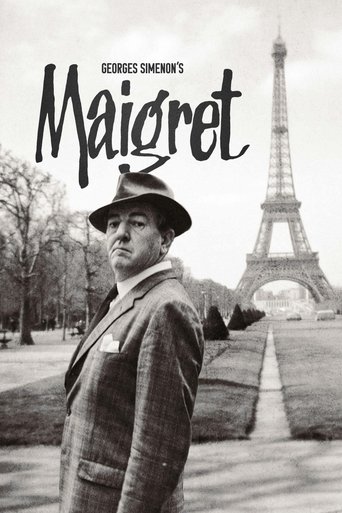 7.1
7.1BBC series based on the novels by Georges Simenon which starred Rupert Davies as Inspector Maigret, a French police detective who preferred to watch and listen in order to solve crimes. The series ran from 1960-63 on British television.
Maigret
1960
 7.1
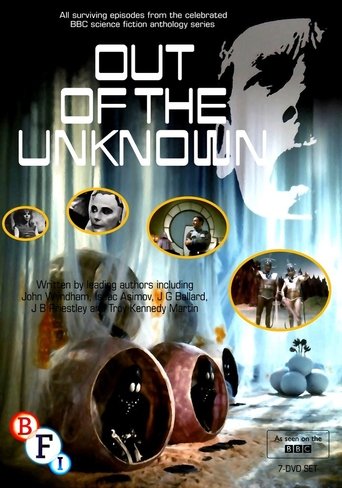
7.1Out of the Unknown is a British television science fiction anthology drama series, produced by the BBC and broadcast on BBC2 in four series between 1965 and 1971. Each episode was a dramatisation of a science fiction short story; some were created for the series, but most were adaptations of already published stories. The first three years were exclusively science fiction, but that genre was abandoned in the final year in favour of horror and fantasy. A number of episodes were wiped during the early 1970s, as was standard procedure at the time.
Out of the Unknown
1965
 7.2
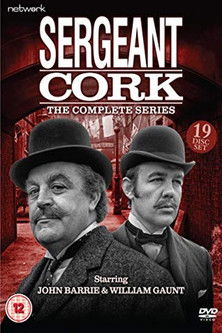
7.2Sergeant Cork is a British detective television series which first aired between 1963 and 1968 on ITV. It was a police procedural show that followed the efforts of two police officers and their battle against crime in Victorian London. In all 66 hour-long episodes were aired during the five-year run, although the last episode was not broadcast until January 1968, 16 months after the others. Journalist Tom Sutcliffe has credited it as a first example of the use of the Victorian-era policeman in a television crime series. A 1969 review in The Age opined that rather than suspense, the strengths of the series were its "excellent period settings and wonderfully thick pea-soupers" which "add up to splendid evocative stuff", as well as the performance of star John Barrie. At no time during the whole series is Sergeant Cork's first name given.
Sergeant Cork
1963
 8.2
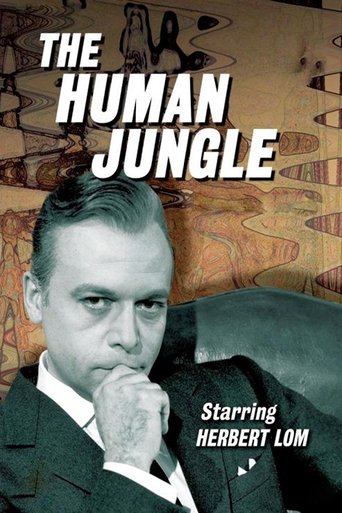
8.2The Human Jungle is a British TV series about a psychiatrist, made for ABC Television by the small production company Independent Artists for transmission on ITV. Starring Herbert Lom, it ran for two series which were first transmitted during 1963 and 1965.
The Human Jungle
1963
 9.0
9.0The generous John Jarndyce, struggling with his own past, and his two young wards Richard and Ada, are all caught up, like Lady Dedlock, in the infamous case of Jarndyce vs Jarndyce, which will make one of them rich beyond imagination if it can ever be brought to a conclusion. As Tulkinghorn digs deeper into Lady Dedlock's past, he unearths a secret that will change their lives forever, and which is almost as astounding as the final outcome of the Jarndyce case.
Bleak House
1959
The adventures of Richard Crane, cafe owner & part-time smuggler, around the coast of Morocco, aided (and sometimes abetted) by his ex-Foreign Legion sidekick Orlando, waitress Halina, and local cop Colonel Mahmoud.
Crane
1963
 NR
NRThe Informer is a British crime drama series broadcast on ITV from August 1966 to December 1967. Created by John Whitney and Geoffrey Bellman, it stars Ian Hendry as former barrister Alex Lambert, disgraced and disbarred, who has to rebuild his life. He utilises his former contacts on both sides of the law to become a paid informer. Living well from the rewards paid by insurance companies, Lambert still has to hide his activities from both his wife and others behind a new persona in the guise as a business consultant. Two seasons were produced, totalling 21 episodes. Only two episodes are known to exist, the remainder presumably wiped.
The Informer
1966
 6.7
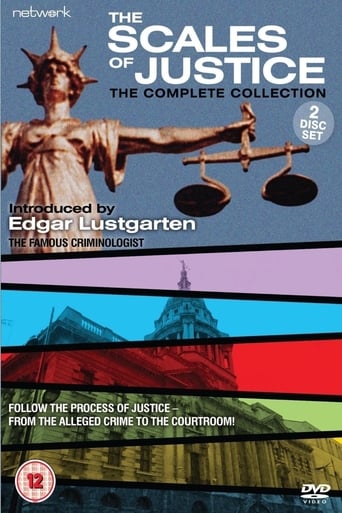
6.7The Scales of Justice is a series of thirteen British cinema featurettes produced from 1962 to 1967 for Anglo-Amalgamated at Merton Park Studios in London. The first nine were made in black and white, and the last four in colour. The finale, Payment in Kind, was Merton Park's final production. Episodes were based on criminal cases, and each film was introduced by criminologist Edgar Lustgarten. The series derives its title from the symbolic scales held by the statue of Justice, situated above the dome of London's Central Criminal Court, The Old Bailey. The opening narration describes her as having "in her right hand, the Sword of Power and Retribution, and in her left – The Scales of Justice".
The Scales of Justice
1962
 6.0
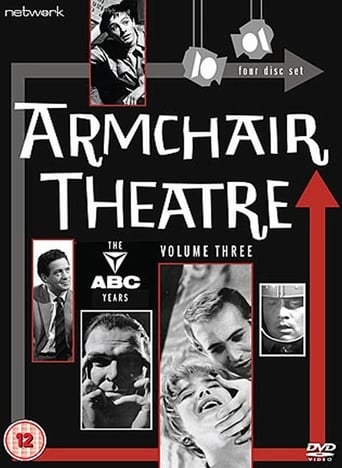
6.0Armchair Theatre is a British television drama anthology series of single plays that ran on the ITV network from 1956 to 1974. It was originally produced by Associated British Corporation, and later by Thames Television from mid-1968.
Armchair Theatre
1956