
Directing
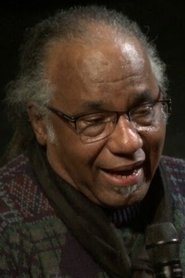
Ulysses Jenkins
Born 1946-09-19 · Los Angeles, California, USA
Ulysses Jenkins was born in 1946, in Los Angeles, California. He studied painting and drawing as an undergraduate at Southern University in Baton Rouge, Louisiana, and later received an MFA in intermedia-video and performance art from Otis Art Institute (now known as Otis College of Art and Design). Prior to enrolling at Otis, from 1970-72 Jenkins worked with the Los Angeles County Probation Department, teaching art to nondelinquent youth, and in 1989, taught video through a gang-intervention program in Oakland. Jenkins is the recipient of numerous awards, including individual artist fellowships from the National Endowment of the Arts, and named first place in experimental video by the Black Filmmakers Hall of Fame in 1990 and 92. His work has been included in major exhibitions, including America is Hard to See (2015), at the Whitney Museum of American Art, Now Dig this!: Art and Black Los Angeles 1960-1980 (2012), at the Hammer Museum, and California Video (2008) at the Getty Center. Jenkins is currently Associate Professor in the Claire Trevor School of the Arts and an affiliate professor in the African American Studies program at the University of California, Irvine.
Acting credits
 NR
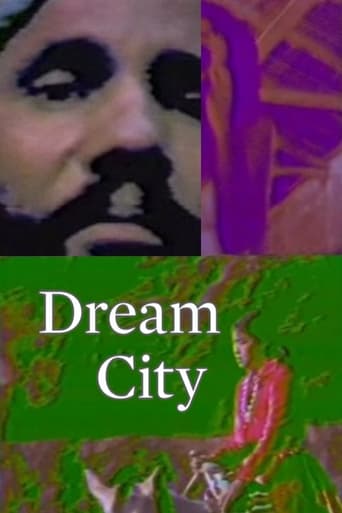
NRUlysses Jenkins composed "Dream City" from documentation of a twenty-four-hour performance he organized in collaboration with David Hammons, Maren Hassinger, and Senga Nengudi. A discordant, absurdist, and poetic montage, the video weaves together jazz and punk shows, recitations by Jenkins, and shots of the Los Angeles skyline and oil wells to comment on power and nation in the early years of Ronald Reagan's presidency.
Dream City
1983
 NR
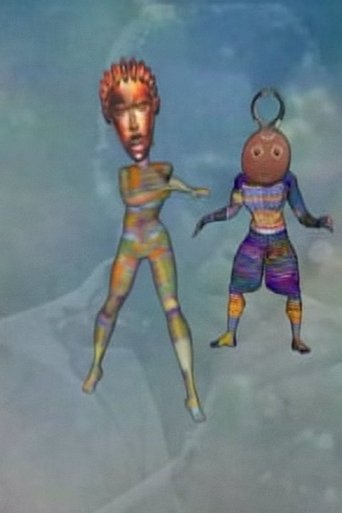
NRUlysses Jenkins charts the history of jazz—what he calls “the first true American art form"—from its beginnings in New Orleans and the American South to the classic work of Louis Armstrong and Duke Ellington and through the major innovations of Ornette Coleman, Sun Ra, and Miles Davis. Also included are clips of Martin Luther King Jr. and Malcolm X, explicitly linking the development of jazz to the Civil Rights Movement. Motion-capture animated figures are seen dancing, superimposed, over the archival footage of the musicians. Wearing colorful costumes, they perform Jenkins’ original choreography. The dancers exert a powerful influence over the historical documentation as their movements extend across the decades and, finally, into the future.
Notions of Freedom
2007
Voices, a performance piece written and directed by Hassinger, was performed by her friends and fellow artists-including Ulysses Jenkins, Senga Nengudi, and May Sun—who each took on the role of a specific societal force, such as survival, intolerance, or consumerism. In this iteration of the performance, Hassinger played "the conductor," directing the performers in their monologues as if they were an acapella choir. The performance reflects on the wavering place of nature amidst encroaching technologies that change our economic, moral, and political realities. The piece was presented on two occasions: first at the Woman's Building in Los Angeles in 1984, and later at California State University, Los Angeles, in 1985.
Voices
1985
 NR
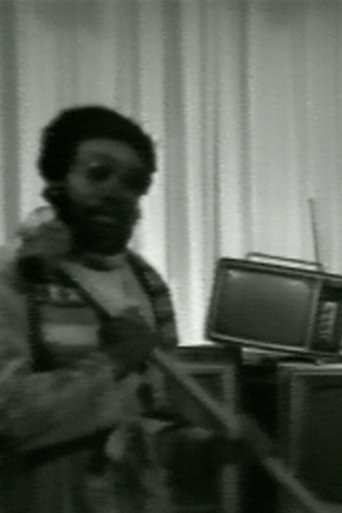
NRMass of Images, a recorded performance that does indeed engage black stereotypes perpetuated by the American media. In the work, Jenkins appears on a set accompanied by a stack of televisions, his face obscured by a plastic mask and sunglasses, neck wrapped in American-flag-print scarf, and sporting an Adidas t-shirt underneath a bathrobe, arranged such that only the “ID” of Adidas is visible. The video cuts between this scene and examples of blackface and racist stereotyping from American films and TV. Jenkins repeats a mantra as he settles into a wheelchair and wheels himself toward center stage: “You’re just a mass of images you’ve gotten to know / from years and years of TV shows. / The hurting thing; the hidden pain / was written and bitten into your veins / I don’t and I won’t relate / and I think for some it’s too late!”
Mass of Images
1978
Behind the camera
NRUlysses Jenkins composed "Dream City" from documentation of a twenty-four-hour performance he organized in collaboration with David Hammons, Maren Hassinger, and Senga Nengudi. A discordant, absurdist, and poetic montage, the video weaves together jazz and punk shows, recitations by Jenkins, and shots of the Los Angeles skyline and oil wells to comment on power and nation in the early years of Ronald Reagan's presidency.
Dream City
1983
NRUlysses Jenkins composed "Dream City" from documentation of a twenty-four-hour performance he organized in collaboration with David Hammons, Maren Hassinger, and Senga Nengudi. A discordant, absurdist, and poetic montage, the video weaves together jazz and punk shows, recitations by Jenkins, and shots of the Los Angeles skyline and oil wells to comment on power and nation in the early years of Ronald Reagan's presidency.
Dream City
1983
NRUlysses Jenkins composed "Dream City" from documentation of a twenty-four-hour performance he organized in collaboration with David Hammons, Maren Hassinger, and Senga Nengudi. A discordant, absurdist, and poetic montage, the video weaves together jazz and punk shows, recitations by Jenkins, and shots of the Los Angeles skyline and oil wells to comment on power and nation in the early years of Ronald Reagan's presidency.
Dream City
1983
NRUlysses Jenkins charts the history of jazz—what he calls “the first true American art form"—from its beginnings in New Orleans and the American South to the classic work of Louis Armstrong and Duke Ellington and through the major innovations of Ornette Coleman, Sun Ra, and Miles Davis. Also included are clips of Martin Luther King Jr. and Malcolm X, explicitly linking the development of jazz to the Civil Rights Movement. Motion-capture animated figures are seen dancing, superimposed, over the archival footage of the musicians. Wearing colorful costumes, they perform Jenkins’ original choreography. The dancers exert a powerful influence over the historical documentation as their movements extend across the decades and, finally, into the future.
Notions of Freedom
2007
NRMass of Images, a recorded performance that does indeed engage black stereotypes perpetuated by the American media. In the work, Jenkins appears on a set accompanied by a stack of televisions, his face obscured by a plastic mask and sunglasses, neck wrapped in American-flag-print scarf, and sporting an Adidas t-shirt underneath a bathrobe, arranged such that only the “ID” of Adidas is visible. The video cuts between this scene and examples of blackface and racist stereotyping from American films and TV. Jenkins repeats a mantra as he settles into a wheelchair and wheels himself toward center stage: “You’re just a mass of images you’ve gotten to know / from years and years of TV shows. / The hurting thing; the hidden pain / was written and bitten into your veins / I don’t and I won’t relate / and I think for some it’s too late!”
Mass of Images
1978
 NR
NRExperiemental video using Datamax graphics software. This piece is a very early example of the use of computer animation in video art. ZGrass refers to the programming language used to create the images.
Z-Grass
1983
 NR
NRIn his Video Griots Trilogy, Jenkins creates a series of video meditations on history and culture. Using archival footage, photographs, image processing, and an elegiac soundtrack, he pulls together diverse strands of thought to construct an "other" history. "Self-Divination" speaks poetically about origins and the realities of the African diaspora.
Self Divination
1989
 7.0
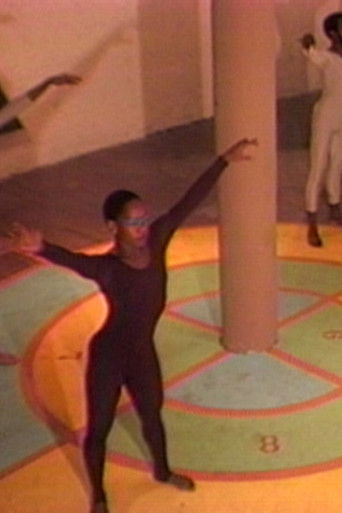
7.0This video documents Cake Walk, an installation and performance piece by artist Houston Conwill, staged in November 1983 at Linda Goode Bryant's pioneering gallery Just Above Midtown (JAM), at its second (downtown) location on Franklin Street. The piece refers to the cakewalk dance which developed in the mid-eighteenth century among enslaved African Americans as, among other things, a way to covertly ridicule slaveholders. The dancers in Cake Walk move amid Conwill's sculptures and paintings, one of Conwill's cosmograms painted on the floor beneath them.
Cake Walk
1983
 NR
NRAn investigation of the American media portrayal of black men as misunderstood tragic figures throughout recent history. Secrecy is an African concept which is a ritual element of understanding. The art that conceals and reveals. Which defines an individuals perception of recognition. Therefore, if you know the source of a premise you are the informed. If you don't know the concept of that premise, when you are confronted with it........ it bypasses your understanding.
Secrecy: Help Me to Understand
1994
A neo noir, explores the psychological conditioning of ethnic profiling and stereotypical assumptions of an African American male and a Caucasian male. Located on the MTA subway in metropolitan Los Angeles. A day in the life of suspicious day dreaming characterized by post colonial paranoia and surreal mistrust. Both experiencing a psychic psycho-drama during their ride in post-racial America.
Vulnerable
2000
 NR
NRThis composition provides a tribute to the world's most formidable peace activist, Anwar Sadat. The video paints visions of issues concerning Earth's flirtation with the apocalypse. Composed in four movements, featuring images and text interwoven with contemplations for inner and world peace.
Peace and Anwar Sadat
1985
 NR
NRIn his Video Griots Trilogy, Jenkins creates a series of video meditations on history and culture. Using archival footage, photographs, image processing, and an elegiac soundtrack, he pulls together diverse strands of thought to construct an "other" history. "The Nomadics" takes a sweeping overview of peoples from across the world and develops an intuitive and aesthetic sense of history which can posit a global identity amongst people of color.
The Nomadics
1991
 NR
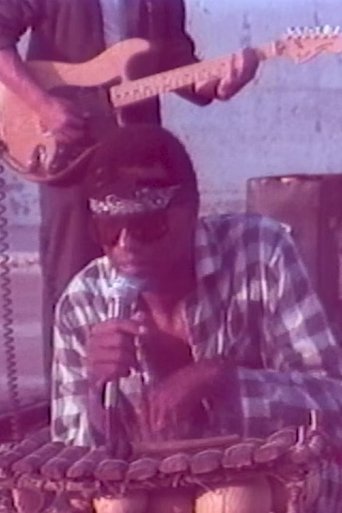
NRThis performance took place in 1983 at the Art Dock on Center Street in Los Angeles. Like much of Jenkins's other work, it involved multiple performers, including Maren Hassinger and Senga Nengudi. Here Jenkins addresses social and geopolitical issues—specifically the "insensitivity of middle-class attitudes towards the Third World"—often using an invented language referred to as "doggereal." Jenkins confronts Americans' indifference to events outside their own country, particularly to crises and need in poorer nations.
Without Your Interpretation
1983
 NR
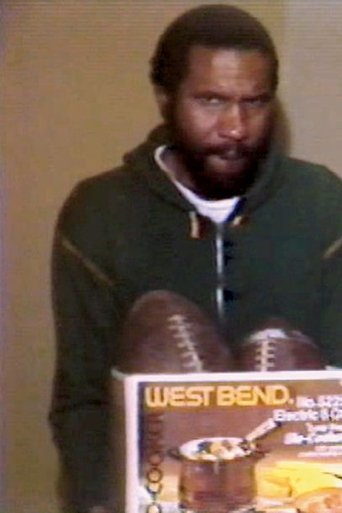
NRInitially created as an editing exercise for his students at UCSD, Jenkins’ Inconsequential Doggereal mixes poetic narrative fragments of self-shot footage with moments ripped from the unending flow of TV news, advertising, and entertainment. The images and sounds of mainstream television are jammed, freeze-framed, looped, overlaid and rewound—clips of science documentaries, movies broadcast on TV, nightly news commentary on the minimum wage, and a 60 Minutes style interview with the actor Peter Sellers are all jumbled together. Jenkins interjects several original threads, which show pickup football games gone wrong, a young white couple doing chores and hanging out at home, and Jenkins himself laying on a green suburban yard as a lawnmower moves perilously close to his body.
Inconsequential Doggereal
1981
 NR
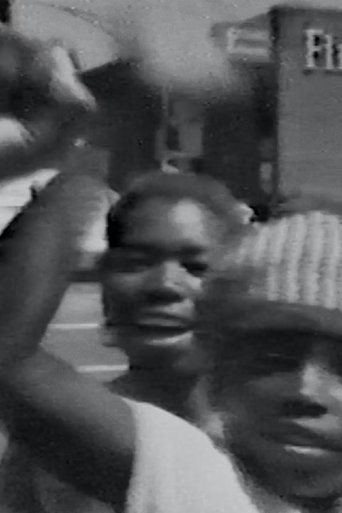
NRThe Watts Summer Festival is one of the oldest African American cultural festivals in the United States. The Watts community founded the event in 1966, one year after the Watts uprising. Ulysses Jenkins's film captures moments from the festival, including footage from a performance by the band War. This California funk band—famous for songs such as "Low Rider," "The Cisco Kid," and "Why Can't We Be Friends?"—was also well known for its multiethnic membership. The 1972 Watts Festival was one of the first events that Jenkins filmed, and he captured the underlying issues of community and commemoration that defined the annual event. At the time the local news media would, in Jenkins's opinion, misrepresent the festival by issuing warnings about it, and the artist's own footage served to counteract the media's negative view.
Remnants of the Watts Festival
1980
 NR
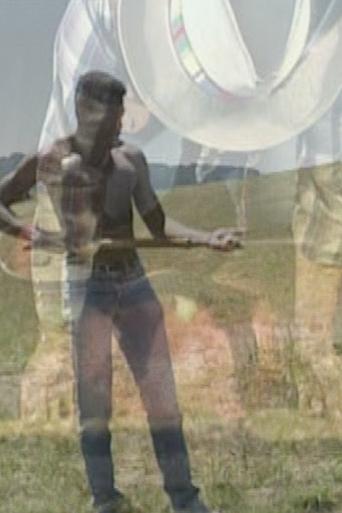
NRIn his Video Griots Trilogy, Jenkins creates a series of video meditations on history and culture. Using archival footage, photographs, image processing, and an elegiac soundtrack, he pulls together diverse strands of thought to construct an "other" history. "Mutual Native Duplex" is a video essay on the mutual alliances between Native and African Americans which celebrates the "neo-American model" of inter-cultural cooperation that grew out of these encounters.
Mutual Native Duplex
1990
 NR
NRThis is a documentary of David Hammons prior to his leaving the Los Angeles arts community. This video covers the artist's creative strategies at that time. It served as both an interview and video performance by David Hammons.
King David
1978
 NR
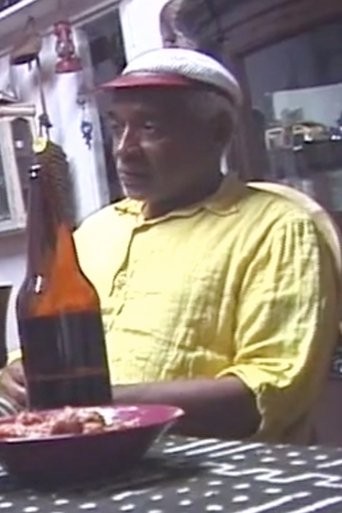
NRA studio visit by David Hammons to John Outterbridge's studio. Recorded by Ulysses Jenkins as Hammons proclaims an arts affliction.
In The Midnight Hour
2010
 NR
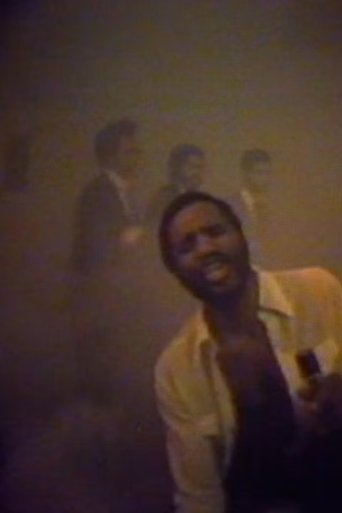
NRDirector Ulysses Jenkins calls his film a "dreamscape in which the dreamer awakens to a visitation of three minstrels who tell the story of the development of African American stereotypes in the American entertainment industry."
Two-Zone Transfer
1979
 NR
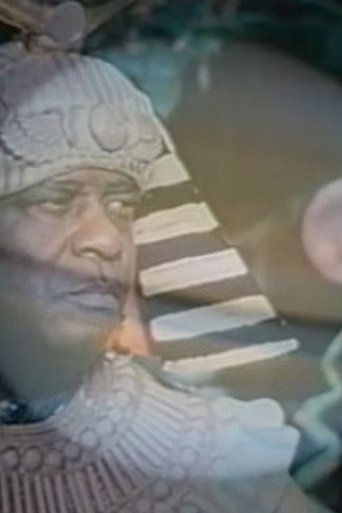
NRWrites director Ulysses Jenkins: "This video takes the 'Planet X' myth and interfaces it with the Katrina tragedy in New Orleans, LA, based upon their similar natural disaster principles. With a proclamation of prophecy spoken by avant garde jazz musician, Sun Ra, predicting a coming disaster to African-Americans."
Planet X
2006