

Known for
 3.0
The horror story, imbued with the search for the true evil in this world. The most ancient legends of folklore will be recreated from the ancient beliefs about the otherworldly evil of the Kazakh region. Retelling again, they will merge into the realities of our days. We will see Zhestyrnak, Zhalmauyz Kempir and the Ghost from the Kapchagai highway. In their appearance, the heroes of the film will try to recognize the authenticity of evil, which for centuries has cooled blood and deprived of life. But the bitterness of truth itself will find them - "There is no worse in the world - man."
Camp Fire Stories
2020
 NR
They could not look indifferently at the bloody wounds of Ukraine, did not stand aside when the Ukrainian East fell into darkness. The story of those who became a symbol of the war for independence.
Volunteers
2015
 NR
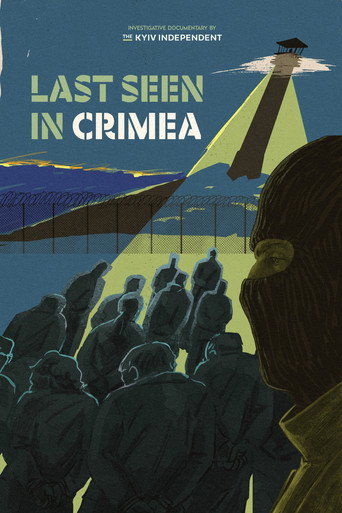
Crimea, Ukraine's southernmost peninsula, was once known for its idyllic nature, warm climate, resorts, and rich Crimean Tatar culture. Since its illegal annexation in 2014, Russia has turned it into a modern-day Gulag where thousands of Ukrainian civilians are held in secret prisons in which Russian special services refine their skills of oppression. Through firsthand accounts from survivors, leaked databases, and months of OSINT work, the film uncovers the network of FSB-run detention sites and names the officials responsible for running them.
Last Seen in Crimea
2026
 NR
Melitopol, a city in Ukraine's southern Zaporizhzhia Oblast, has traditionally been a hub of religious and cultural diversity. Numerous Christian churches operated there, not only coexisting but also effectively collaborating with one another. Among them, Protestant churches were some of the most active and influential. Immediately following the start of Russia's occupation of Melitopol and the wider region in 2022, local Christians faced repression. Clergy were subjected to searches and interrogations by Russian forces. Eventually, several churches were banned and stripped of all property, including their buildings. Priests were either officially deported or forced to flee under threat, with Russian propaganda often accusing them of stockpiling weapons and ammunition. Believers were forced to go underground.
No God But Theirs
2025
 NR
Russia seized Crimea in February–March 2014, shortly after the EuroMaidan Revolution, at a time when Ukrainian President Viktor Yanukovych had fled the country and the new authorities were just beginning to govern. Many believe that Russian President Vladimir Putin took advantage of the moment and annexed the peninsula. But when did Russia actually first attempt to seize Crimea? And why, long before the annexation — while Russian leaders publicly declared friendship with Ukraine and recognized its territorial integrity — were Russian flags already flying in Crimean cities, Russian warships present, festivals celebrating the Russian language held, and Russia's Empress Catherine glorified across the peninsula? All the while, leading Russian politicians were calling on Crimeans to embrace separatism on television.
Crimea: The War Before the War. Part 1
2026
 NR
Novel film: the story of the interesting life path of one picture and its unusual use at the end.
The Portrait
2014
Behind the camera
3.0The horror story, imbued with the search for the true evil in this world. The most ancient legends of folklore will be recreated from the ancient beliefs about the otherworldly evil of the Kazakh region. Retelling again, they will merge into the realities of our days. We will see Zhestyrnak, Zhalmauyz Kempir and the Ghost from the Kapchagai highway. In their appearance, the heroes of the film will try to recognize the authenticity of evil, which for centuries has cooled blood and deprived of life. But the bitterness of truth itself will find them - "There is no worse in the world - man."
Camp Fire Stories
2020
NRThey could not look indifferently at the bloody wounds of Ukraine, did not stand aside when the Ukrainian East fell into darkness. The story of those who became a symbol of the war for independence.
Volunteers
2015
NRCrimea, Ukraine's southernmost peninsula, was once known for its idyllic nature, warm climate, resorts, and rich Crimean Tatar culture. Since its illegal annexation in 2014, Russia has turned it into a modern-day Gulag where thousands of Ukrainian civilians are held in secret prisons in which Russian special services refine their skills of oppression. Through firsthand accounts from survivors, leaked databases, and months of OSINT work, the film uncovers the network of FSB-run detention sites and names the officials responsible for running them.
Last Seen in Crimea
2026
NRMelitopol, a city in Ukraine's southern Zaporizhzhia Oblast, has traditionally been a hub of religious and cultural diversity. Numerous Christian churches operated there, not only coexisting but also effectively collaborating with one another. Among them, Protestant churches were some of the most active and influential. Immediately following the start of Russia's occupation of Melitopol and the wider region in 2022, local Christians faced repression. Clergy were subjected to searches and interrogations by Russian forces. Eventually, several churches were banned and stripped of all property, including their buildings. Priests were either officially deported or forced to flee under threat, with Russian propaganda often accusing them of stockpiling weapons and ammunition. Believers were forced to go underground.
No God But Theirs
2025
NRRussia seized Crimea in February–March 2014, shortly after the EuroMaidan Revolution, at a time when Ukrainian President Viktor Yanukovych had fled the country and the new authorities were just beginning to govern. Many believe that Russian President Vladimir Putin took advantage of the moment and annexed the peninsula. But when did Russia actually first attempt to seize Crimea? And why, long before the annexation — while Russian leaders publicly declared friendship with Ukraine and recognized its territorial integrity — were Russian flags already flying in Crimean cities, Russian warships present, festivals celebrating the Russian language held, and Russia's Empress Catherine glorified across the peninsula? All the while, leading Russian politicians were calling on Crimeans to embrace separatism on television.
Crimea: The War Before the War. Part 1
2026
NRNovel film: the story of the interesting life path of one picture and its unusual use at the end.
The Portrait
2014
NRNovel film: the story of the interesting life path of one picture and its unusual use at the end.
The Portrait
2014
 NR
The documentary follows the story of Iryna's family (name changed), who fled Russian occupation to save her son from possible conscription. Before leaving, representatives of the occupation authorities pressured her to enroll her children in a local school, threatening to send them to an orphanage if she didn't. Another key figure in the investigation, Oksana (name changed), was promised a holiday in Crimea on the Black Sea coast by the occupying authorities. Instead, she was taken to a military training camp in Russia — part of a program established under Putin's initiative after 2022. At the camp, Oksana was taught to dig trenches, operate drones, and carry out tasks under the supervision of Russian military instructors, who in some cases fought in Russia's war against Ukraine.
The War They Play
2025
 NR
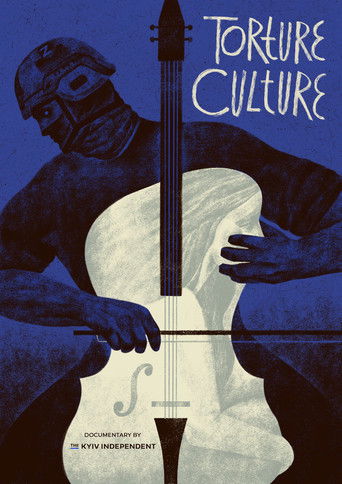
Torture in Russian captivity is systematic. In a new documentary, The Kyiv Independent’s War Crimes Investigations Unit uncovers the torture of Ukrainian civilians held by Russian forces and traces the roots of these practices through Russian history. The documentary features civilians from different regions and backgrounds who were detained in occupied Ukrainian territories and in Russia itself. Despite being held at different times and in different locations, their testimonies describe strikingly similar patterns of abuse. By combining firsthand accounts with historical research, the investigation shows how torture has persisted across generations and continues to shape Russia’s war against Ukraine.
Torture Culture
2026
 NR
Since the beginning of Russia’s full-scale invasion, Ukrainian law enforcement agencies have recorded 292 cases of sexual violence by the Russian military. This figure likely represents just the tip of the iceberg. “He Came Back” is an investigative documentary about sexual crimes that were committed during the Russian occupation of Kyiv and Kherson oblasts in early 2022. Two women agreed to tell journalists from the Kyiv Independent’s War Crimes Investigations Unit about what they went through and how they are seeking justice.
He Came Back
2024