
Writing
Christina Stead
Born — Died
1902-07-17 — 1983-03-31
Known for
Writing
Credits
2 titles
From Wikipedia: Christina Stead (17 July 1902 – 31 March 1983) was an Australian novelist and short-story writer acclaimed for her satirical wit and penetrating psychological characterisations. Christina Stead was a committed Marxist, although she was never a member of the Communist Party. She spent much of her life outside Australia, although she returned before her death. Her most famous work was “The Man Who Loved Children”.
Known for
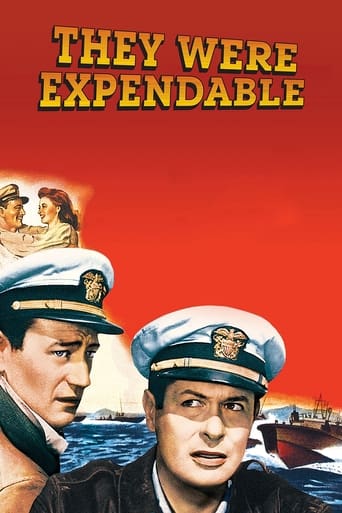 6.5
After a demonstration of new PT boats, Navy brass are still unconvinced of their viability in combat, leaving Lt. "Rusty" Ryan frustrated. After the attack on Pearl Harbor, however, Ryan and his buddy Lt. Brickley are told they can finally take their squadron into battle. The PT boats quickly prove their worth, successfully shooting down Japanese planes, relaying messages between islands, and picking off a multitude of enemy ships.
They Were Expendable
1945
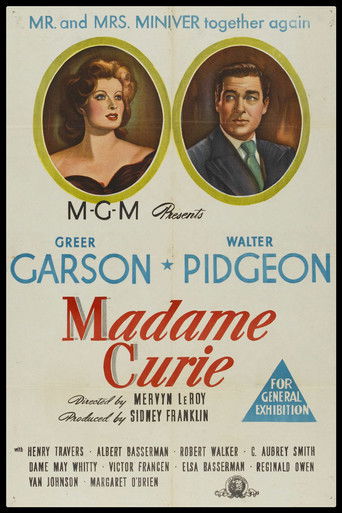 7.2
Poor physics student Marie is studying at the Sorbonne in 1890s Paris. One of the few women studying in her field, Marie encounters skepticism concerning her abilities, but is eventually offered a research placement in Pierre Curie's lab. The scientists soon fall in love and embark on a shared quest to extract, from a particular type of rock, a new chemical element they have named radium. However, their research puts them on the brink of professional failure.
Madame Curie
1943
Behind the camera
6.5After a demonstration of new PT boats, Navy brass are still unconvinced of their viability in combat, leaving Lt. "Rusty" Ryan frustrated. After the attack on Pearl Harbor, however, Ryan and his buddy Lt. Brickley are told they can finally take their squadron into battle. The PT boats quickly prove their worth, successfully shooting down Japanese planes, relaying messages between islands, and picking off a multitude of enemy ships.
They Were Expendable
1945
7.2Poor physics student Marie is studying at the Sorbonne in 1890s Paris. One of the few women studying in her field, Marie encounters skepticism concerning her abilities, but is eventually offered a research placement in Pierre Curie's lab. The scientists soon fall in love and embark on a shared quest to extract, from a particular type of rock, a new chemical element they have named radium. However, their research puts them on the brink of professional failure.
Madame Curie
1943