
Writing
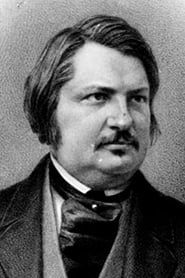
Honoré de Balzac
Born — Died
1799-05-20 — 1850-08-18
Place of birth
Tours, Indre-et-Loire, France
Known for
Writing
Credits
16 titles
Honoré de Balzac was a French novelist and playwright. He is regarded as one of the founders of realism in European literature. Balzac's first project was a libretto for a comic opera called "Le Corsaire", based on Lord Byron's "The Corsair". In 1820 he completed the five-act verse tragedy Cromwell. After writing several novels, in 1832 Balzac conceived the idea for an enormous series of books that would paint a panoramic portrait of "all aspects of society". "Illusions perdues/Lost Illusions" is a serial novel written between 1837 and 1843.
Known for
 8.0
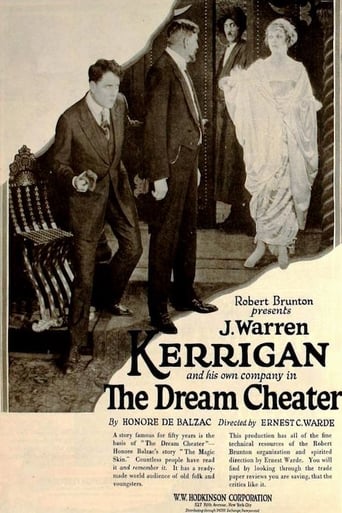
8.0An adaptation of Balzac's novel set in the roaring twenties, it tells the story of a young man who finds a magic piece of shagreen that fulfills his every desire. For each wish granted, however, the skin shrinks and consumes a portion of his physical energy. La Peau de chagrin belongs to the Études philosophiques group of Balzac's sequence of novels, La Comédie humaine.
The Dream Cheater
1920
 7.0
7.0Adaptation of the Balzac story as told by Rosalie, a young girl in love with the idea of her extraordinary neighbor, Albert Savarus, and the lengths she goes to ensure their marriage, even after she learns he is deeply in love with another woman.
Albert Savarus
1993
 NR
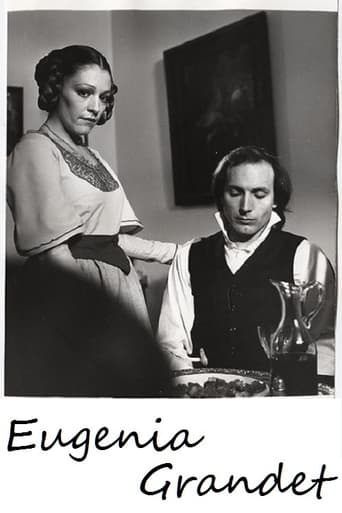
NRAdaptation of the famous Balzac novel
Eugenia Grandet
1977
 10.0
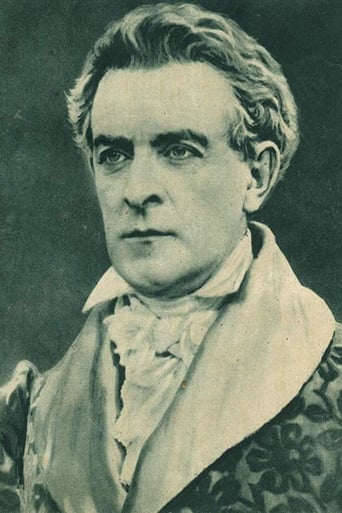
10.0An adaptation of the first part of Balzac's History of the Thirteen, centered on the secret society of the Thirteen and helmed by René Navarre in the titular role of the former convict who became a sublime father.
Ferragus
1923
 8.0
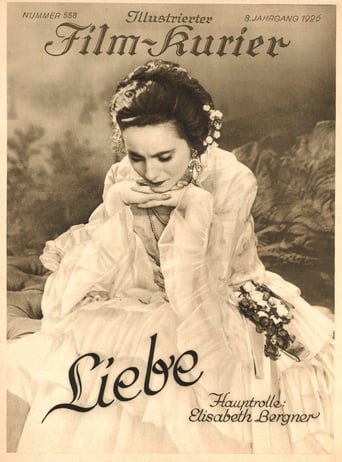
8.0Based on Honore de Balzac’s story of Madame de Langeais. Costume drama about the infamous loves of the countess.
Love
1927
 7.0
7.0An adaptation of Balzac's La Grande Bretêche
The False Oath
1909
Behind the camera
8.0An adaptation of Balzac's novel set in the roaring twenties, it tells the story of a young man who finds a magic piece of shagreen that fulfills his every desire. For each wish granted, however, the skin shrinks and consumes a portion of his physical energy. La Peau de chagrin belongs to the Études philosophiques group of Balzac's sequence of novels, La Comédie humaine.
The Dream Cheater
1920
7.0Adaptation of the Balzac story as told by Rosalie, a young girl in love with the idea of her extraordinary neighbor, Albert Savarus, and the lengths she goes to ensure their marriage, even after she learns he is deeply in love with another woman.
Albert Savarus
1993
NRAdaptation of the famous Balzac novel
Eugenia Grandet
1977
10.0An adaptation of the first part of Balzac's History of the Thirteen, centered on the secret society of the Thirteen and helmed by René Navarre in the titular role of the former convict who became a sublime father.
Ferragus
1923
8.0Based on Honore de Balzac’s story of Madame de Langeais. Costume drama about the infamous loves of the countess.
Love
1927
7.0An adaptation of Balzac's La Grande Bretêche
The False Oath
1909
 7.2
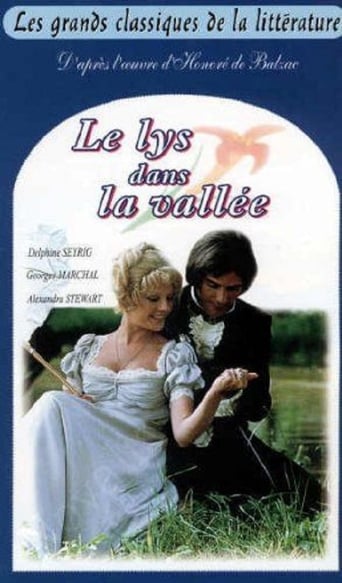
7.2Félix de Vandenesse's youthful love for the beautiful, inaccessible Madame de Mortsauf, who devotes her life to a half-mad husband and two fragile children. Madame de Mortsauf maintains a friendly, tender relationship. But when she learns of the young man's affair with an Englishwoman, she dies of jealousy and regret.
Le Lys dans la vallée
1970
Eugenie Grandet has discovered where her father, a miserable old miser, keeps his treasure. Eugenie's cousin, Charles, is the bearer of a letter from his father to his uncle, Eugenie's father. The letter informs the miser that Charles' father, his only brother, is reduced to a state of utter ruin, and unless he can obtain immediate help, he contemplates suicide.
Eugénie Grandet
1910
La storia dei tredici is an Italian silent film starring Lyda Borelli.
The Thirteenth Man
1917
 NR
NR“Vautrin” was adapted from Balzac in three parts: “La Pension Vauquer” partially adapted “Le Père Goriot”; “La maison du canon” and “L’adjuration de Vautrin” are taken from “Splendours and miseries of courtesans”.
Vautrin
—
 6.7
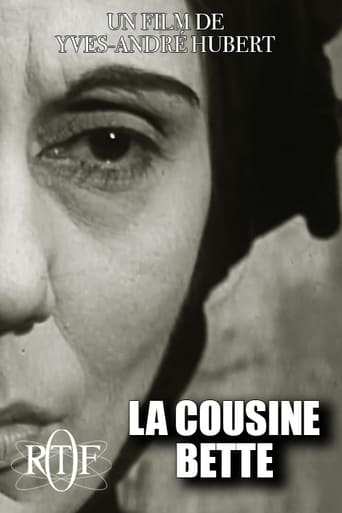
6.7Élisabeth Fischer, a farmer's daughter and cousin of Adeline Fischer, now Baroness Hulot d'Ervy, has been furiously jealous of the latter since their early childhood. After arriving in Paris as a passementerie worker, she set out to harm the Hulot d'Ervy family by any means necessary. She pushed the Baron into debauchery and tried to destroy the relationship between his niece Hortense Hulot and Wenceslas Steinbock. But her schemes bring her no satisfaction, and she dies of rage.
La Cousine Bette
1964
 2.5
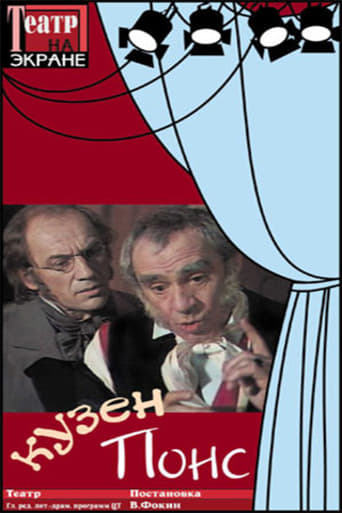
2.5The lack of spirituality and the limitations of the “respectable” bourgeois turn the values of art into a means of profit, into an object of vanity.
Cousin Pons
1978
 9.0
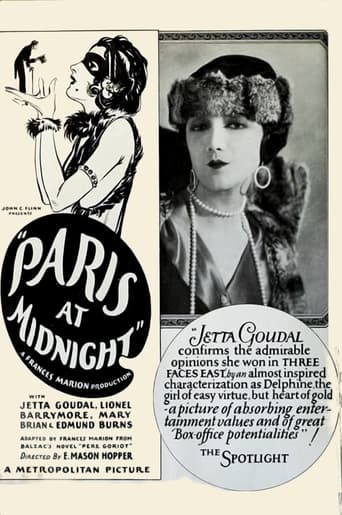
9.0In a Paris boarding house, a mysterious stranger seems to somehow solve the problems and conflicts of the residents, all the while hiding a secret of his own.
Paris at Midnight
1926
The Count of Féredia, ex-officer of the Spanish army and prisoner of war, gains the favors of a young woman whose jealous husband spies relentlessly on their conduct. An adaptation of the Balzac story.
The Great Breach
1909
In the glittering salons of Parisian high society, a celebrated duchess known for her beauty and charm becomes entangled in a provocative game of power and pride when a stoic and decorated general resists her allure. What begins as a flirtatious challenge soon unravels into a story of unrequited love, emotional reckoning, and the consequences of vanity. As their paths diverge, the two are drawn together once more under unexpected and tragic circumstances, revealing the enduring grip of passion and the quiet devastation of missed chances.
The Duchess of Langeais
1910
 NR
NRRalph Valentine, a penniless pianist, goes to Paris to pursue his career. He is attracted to two women: Pauline, the sweet and innocent daughter of his landlady, and Flora Margot, a woman of loose morals who runs with a wild crowd. Because of his irrational passion for Flora, Ralph makes a bargain with Satan, who gives him a magic skin which gratifies every wish and shrinks, along with the well-being of its possessor, in proportion to the number of wishes realized. Ralph tries in vain to rid himself of the skin after Pauline commits suicide because of his vices. Just as the devil comes to lead him into hell, Ralph awakes with the skin in his hands in an antique store where he had gone to buy a necklace for Flora. He throws down the skin, and runs to Pauline and professes his love for her, happy that he had been only dreaming.
The Magic Skin
1915