
Directing
Charles Bicalho
Known for
Directing
Credits
6 titles
Known for
 NR
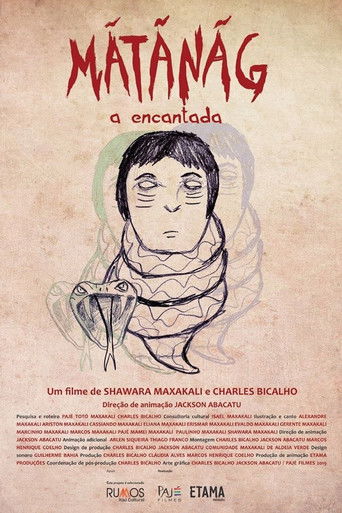
NRThe indigenous woman Mãtãnãg follows the spirit of her husband, dead bitten by a snake, to the village of the dead. Together they overcome the obstacles that separate the earthly world from the spiritual world. Once in the land of the spirits, things are different: other ways govern the supernatural. But Mãtãnãg is not dead, and his soul must return to living with the living. Back in his village and reunited with his relatives, new vicissitudes during a ritual will provide the opportunity for them to once again be alive and dead. Mãtãnãg is based on a traditional history of the Maxakali people. The illustrations for the film were made in a workshop in Aldeia Verde, in the municipality of Ladainha (Minas Gerais).
Mãtãnãg, a Encantada
2019
 NR
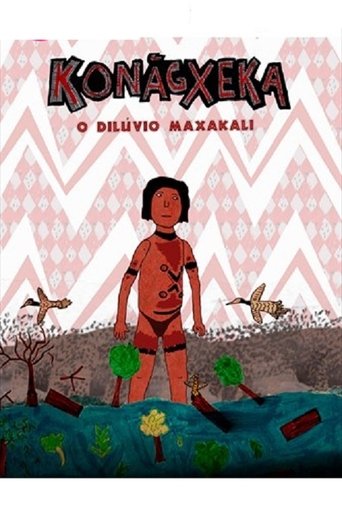
NRKonãgxeka, in the Maxakali indigenous language, means "big water" - It is the Maxakali version of the flood story, sent by the yãmîy spirits as a punishment for the selfishness and greed of men. The illustrations for the film were made during a workshop held at Aldeia Verde Maxakali, in the municipality of Ladainha, Minas Gerais.
Konãgxeka: O Dilúvio Maxakali
2016
 NR
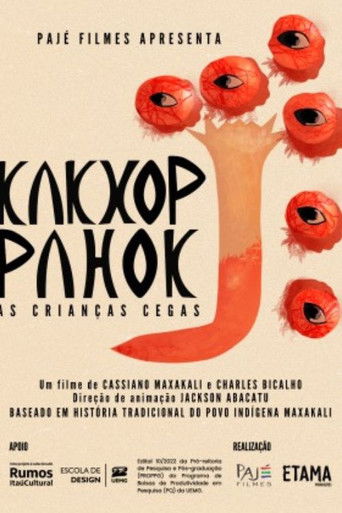
NRThe men of the village went hunting. A long time passed… and they did not return. The women of the village exchanged their children among themselves, so as not to be without husbands, and began to live a new life. However, one day the men returned… Spoken in their language and illustrated by the Maxakali people of Minas Gerais, Kakxop pahok is based on a traditional story of the Maxakali people (Tikmû´ûn). It forms the Hãmnõgnõy Trilogy of indigenous animations with Konãgxeka: the Maxakali flood (2016) and Mãtãnãg, the enchanted one (2019).
Kakxop Pahok: As Crianças Cegas
2026
Behind the camera
NRThe indigenous woman Mãtãnãg follows the spirit of her husband, dead bitten by a snake, to the village of the dead. Together they overcome the obstacles that separate the earthly world from the spiritual world. Once in the land of the spirits, things are different: other ways govern the supernatural. But Mãtãnãg is not dead, and his soul must return to living with the living. Back in his village and reunited with his relatives, new vicissitudes during a ritual will provide the opportunity for them to once again be alive and dead. Mãtãnãg is based on a traditional history of the Maxakali people. The illustrations for the film were made in a workshop in Aldeia Verde, in the municipality of Ladainha (Minas Gerais).
Mãtãnãg, a Encantada
2019
NRKonãgxeka, in the Maxakali indigenous language, means "big water" - It is the Maxakali version of the flood story, sent by the yãmîy spirits as a punishment for the selfishness and greed of men. The illustrations for the film were made during a workshop held at Aldeia Verde Maxakali, in the municipality of Ladainha, Minas Gerais.
Konãgxeka: O Dilúvio Maxakali
2016
NRKonãgxeka, in the Maxakali indigenous language, means "big water" - It is the Maxakali version of the flood story, sent by the yãmîy spirits as a punishment for the selfishness and greed of men. The illustrations for the film were made during a workshop held at Aldeia Verde Maxakali, in the municipality of Ladainha, Minas Gerais.
Konãgxeka: O Dilúvio Maxakali
2016
NRKonãgxeka, in the Maxakali indigenous language, means "big water" - It is the Maxakali version of the flood story, sent by the yãmîy spirits as a punishment for the selfishness and greed of men. The illustrations for the film were made during a workshop held at Aldeia Verde Maxakali, in the municipality of Ladainha, Minas Gerais.
Konãgxeka: O Dilúvio Maxakali
2016
NRThe men of the village went hunting. A long time passed… and they did not return. The women of the village exchanged their children among themselves, so as not to be without husbands, and began to live a new life. However, one day the men returned… Spoken in their language and illustrated by the Maxakali people of Minas Gerais, Kakxop pahok is based on a traditional story of the Maxakali people (Tikmû´ûn). It forms the Hãmnõgnõy Trilogy of indigenous animations with Konãgxeka: the Maxakali flood (2016) and Mãtãnãg, the enchanted one (2019).
Kakxop Pahok: As Crianças Cegas
2026
NRThe men of the village went hunting. A long time passed… and they did not return. The women of the village exchanged their children among themselves, so as not to be without husbands, and began to live a new life. However, one day the men returned… Spoken in their language and illustrated by the Maxakali people of Minas Gerais, Kakxop pahok is based on a traditional story of the Maxakali people (Tikmû´ûn). It forms the Hãmnõgnõy Trilogy of indigenous animations with Konãgxeka: the Maxakali flood (2016) and Mãtãnãg, the enchanted one (2019).
Kakxop Pahok: As Crianças Cegas
2026