
Directing
Nina Gladitz
Born — Died
1946-01-01 — 2021-04-26
Place of birth
Schwäbisch Gmünd, Germany
Known for
Directing
Credits
10 titles
Known for
No synopsis available yet.
3 nach 9
1974
Portrait of the singing duo Marianne Rosenberg and Marianne Enzensberger.
La Rouge et la Noire
1989
 7.2
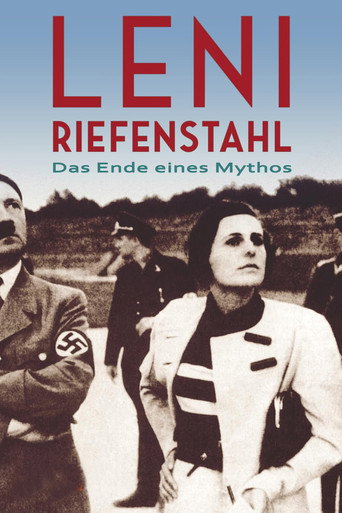
Countless people around the world know the pictures from Leni Riefenstahl's films, even if they have not seen them in their entirety. The work of the German director has burned itself into the collective memory. Even decades after the end of the Nazi era, she showed no remorse and presented herself as an apolitical, naive follower of the Nazi criminal regime. Her artistic service for the cinema was always recognized. But book author Nina Gladitz shows after decades of research that Hitler's favorite filmmaker was not only a follower, but also a perpetrator during the Third Reich, who instrumentalized other filmmakers such as the brilliant cinematographer Willy Zielke in order to gain fame for herself.
Leni Riefenstahl - The End of a Myth
2020
 6.0
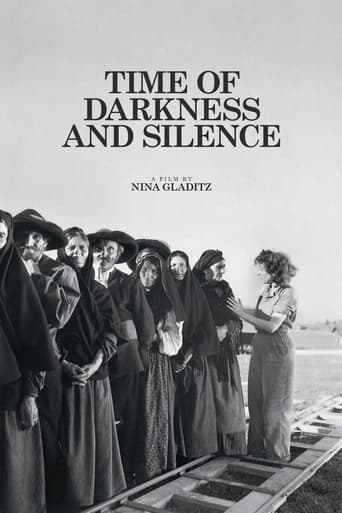
An investigation of Leni Riefenstahl’s infamous film production of “Tiefland” during the Holocaust, one which used Sinti extras under forced labor conditions. After filming finished in 1944, these extras were sent to Auschwitz. Nina Gladitz interviews the survivors and perpetrators, wondering if Riefenstahl knew this would happen at the end of production. Tiefland was filmed from 1940-1944 but was not released until 1954. Leni Riefenstahl sued Gladitz over the documentary.
Time of Darkness and Silence
1982
Giorgio Perlasca was an Italian cattle dealer who was sympathetic to the fascist cause until September 8, 1943. Perlasca was in Budapest, Hungary, on a business trip when he had the opportunity to see Jews were being treated.
Perlasca
1993
A polemic against Werner Herzog and the making of "Fitzcarraldo", exploring the question of the filmmaker's ethical and moral responsibility.
Land der Bitterkeit und des Stolzes
1982
Film credits
Series credits
Behind the camera
Portrait of the singing duo Marianne Rosenberg and Marianne Enzensberger.
La Rouge et la Noire
1989
6.0An investigation of Leni Riefenstahl’s infamous film production of “Tiefland” during the Holocaust, one which used Sinti extras under forced labor conditions. After filming finished in 1944, these extras were sent to Auschwitz. Nina Gladitz interviews the survivors and perpetrators, wondering if Riefenstahl knew this would happen at the end of production. Tiefland was filmed from 1940-1944 but was not released until 1954. Leni Riefenstahl sued Gladitz over the documentary.
Time of Darkness and Silence
1982
Giorgio Perlasca was an Italian cattle dealer who was sympathetic to the fascist cause until September 8, 1943. Perlasca was in Budapest, Hungary, on a business trip when he had the opportunity to see Jews were being treated.
Perlasca
1993
Giorgio Perlasca was an Italian cattle dealer who was sympathetic to the fascist cause until September 8, 1943. Perlasca was in Budapest, Hungary, on a business trip when he had the opportunity to see Jews were being treated.
Perlasca
1993
A polemic against Werner Herzog and the making of "Fitzcarraldo", exploring the question of the filmmaker's ethical and moral responsibility.
Land der Bitterkeit und des Stolzes
1982
A polemic against Werner Herzog and the making of "Fitzcarraldo", exploring the question of the filmmaker's ethical and moral responsibility.
Land der Bitterkeit und des Stolzes
1982
A polemic against Werner Herzog and the making of "Fitzcarraldo", exploring the question of the filmmaker's ethical and moral responsibility.
Land der Bitterkeit und des Stolzes
1982