
Directing
Peter Rocha
Born — Died
1942-09-01 — 2014-08-30
Place of birth
Gotha, Germany
Known for
Directing
Credits
12 titles
Peter Rocha was a German documentary filmmaker.
Known for
Berlin-Northeast. An area tries to meet new needs, to conform to human demands. The film registers the feelings of a girl from this area as she looks at photographs taken between 1903 and 1920 on behalf of the Berlin Local Health Insurance Fund.
Berlin-Nordost
1986
 10.0
A fairy-tale of the Sorbian poet Jurij Brezan as an allegory of threatened nature dedicated to the Sorbs.
Hochwaldmärchen
1988
 NR
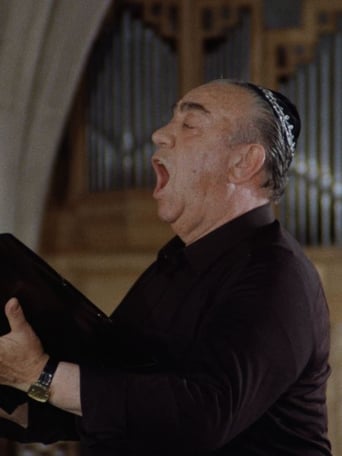
Jewish and Christian music merge in this film about one of the oldest choirs in Germany, the choir in Magdeburg Cathedral, which has been performing together with the head cantor of the Jewish community in West Berlin, Estrongo Nachama, since 1980. The choir already existed when Walther von der Vogelweide celebrated Christmas here; the cathedral has survived devastation and wars, most recently the bombing of Magdeburg in January 1945. The choir sings "Oh, how the city lies so desolate, which was full of people". The choir now rehearses and sings together with Estrongo Nachama.
Das Singen im Dom zu Magdeburg
1988
 9.0
A film essay documenting the devastation of the Lausitz region. The Sorb writer Jurij Koch describes the destruction wreaked as a component in an act of ethnocide: "The end of a language; even if the step is appantantly an economic necessity in terms of furhtering the region, it signifies impoverishment, the excavation of an ethnic habitat - a restriction of human richness."
Die Schmerzen der Lausitz
1990
NRFour generations of one familiy live in the heart of the Spreewald, close to the coalmines and power stations. From their elders, the children have picked up Lower Sorbian as their first language... Many have left the area for cities or manufacturing towns. One who returned is the ferryman Rainer Schmidt. After a spell down the mines, all he wants to live here on the rivulet, next door to his father's house. Life in this seemingly idyllic landscape has never been easy for the inhabitans, and always demanded a strong sense of community. A thoughtful film portrait and urgent plea to accept our responsibility as custodians of the environment.
Leben am Fließ - W Błotach
1990
Observations of everyday life in Krakow.
Mit dem Kinderwagen durch Polen
1967
Behind the camera
Berlin-Northeast. An area tries to meet new needs, to conform to human demands. The film registers the feelings of a girl from this area as she looks at photographs taken between 1903 and 1920 on behalf of the Berlin Local Health Insurance Fund.
Berlin-Nordost
1986
Berlin-Northeast. An area tries to meet new needs, to conform to human demands. The film registers the feelings of a girl from this area as she looks at photographs taken between 1903 and 1920 on behalf of the Berlin Local Health Insurance Fund.
Berlin-Nordost
1986
10.0A fairy-tale of the Sorbian poet Jurij Brezan as an allegory of threatened nature dedicated to the Sorbs.
Hochwaldmärchen
1988
10.0A fairy-tale of the Sorbian poet Jurij Brezan as an allegory of threatened nature dedicated to the Sorbs.
Hochwaldmärchen
1988
NRJewish and Christian music merge in this film about one of the oldest choirs in Germany, the choir in Magdeburg Cathedral, which has been performing together with the head cantor of the Jewish community in West Berlin, Estrongo Nachama, since 1980. The choir already existed when Walther von der Vogelweide celebrated Christmas here; the cathedral has survived devastation and wars, most recently the bombing of Magdeburg in January 1945. The choir sings "Oh, how the city lies so desolate, which was full of people". The choir now rehearses and sings together with Estrongo Nachama.
Das Singen im Dom zu Magdeburg
1988
9.0A film essay documenting the devastation of the Lausitz region. The Sorb writer Jurij Koch describes the destruction wreaked as a component in an act of ethnocide: "The end of a language; even if the step is appantantly an economic necessity in terms of furhtering the region, it signifies impoverishment, the excavation of an ethnic habitat - a restriction of human richness."
Die Schmerzen der Lausitz
1990
NRFour generations of one familiy live in the heart of the Spreewald, close to the coalmines and power stations. From their elders, the children have picked up Lower Sorbian as their first language... Many have left the area for cities or manufacturing towns. One who returned is the ferryman Rainer Schmidt. After a spell down the mines, all he wants to live here on the rivulet, next door to his father's house. Life in this seemingly idyllic landscape has never been easy for the inhabitans, and always demanded a strong sense of community. A thoughtful film portrait and urgent plea to accept our responsibility as custodians of the environment.
Leben am Fließ - W Błotach
1990
Observations of everyday life in Krakow.
Mit dem Kinderwagen durch Polen
1967
A quote by literary figure Johannes R. Becher, first Minister of Culture of the GDR, supplies the title of this film about the 1982 International Book Art Exhibition. Sensitively composed images embed the IBA in the hustle and bustle of Leipzig. Old and new shots of the city, in black and white and in colour, take us to some of the 82 national booths of this book art contest, accompanied by atmospheric piano music.
Books Are Bread and Human Beings Need Them
1982