

Acting
Felix Bressart
Born — Died
1892-03-02 — 1949-03-17
Place of birth
Eydtkuhnen, East Prussia, Germany [now Chernyshevskoe, Russia]
Known for
Acting
Credits
60 titles
From Wikipedia, the free encyclopedia. Felix Bressart (March 2, 1892 – March 17, 1949) was a German-American actor of stage and screen. Felix Bressart (pronounced "BRESS-ert") was born in East Prussia, Germany (now part of Russia) and was already a very experienced stage actor when he had his film debut in 1928. He started off as a supporting actor, e.g. as the Bailiff in the box-office hit Die Drei von der Tankstelle (1930), but had soon established himself in leading roles of minor movies. After the Nazis seized power in 1933, Jewish-born Bressart had to leave Germany and continued his career in German-speaking movies in Austria, where Jewish artists were still relatively safe. After no …
Known for
 6.6
6.6Discovery by Flo Ziegfeld changes a girl's life but not necessarily for the better, as three beautiful women find out when they join the spectacle on Broadway: Susan, the singer who must leave behind her ageing vaudevillian father; vulnerable Sheila, the working girl pursued both by a millionaire and by her loyal boyfriend from Flatbush; and the mysterious European beauty Sandra, whose concert violinist husband cannot endure the thought of their escaping from poverty by promenading her glamor in skimpy costumes.
Ziegfeld Girl
1941
 7.5
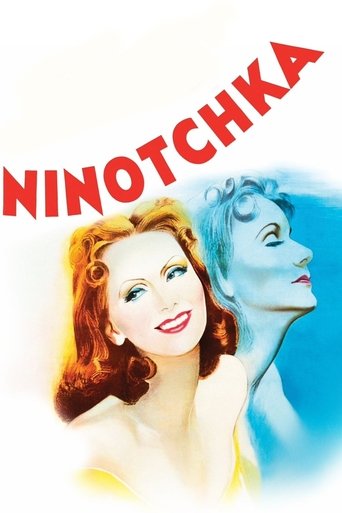
7.5A stern Russian woman sent to Paris on official business finds herself attracted to a man who represents everything she is supposed to detest.
Ninotchka
1939
 8.1
8.1Two employees at a gift shop can barely stand one another, without realising that they are falling in love through the post as each other's anonymous pen pal.
The Shop Around the Corner
1940
 7.8
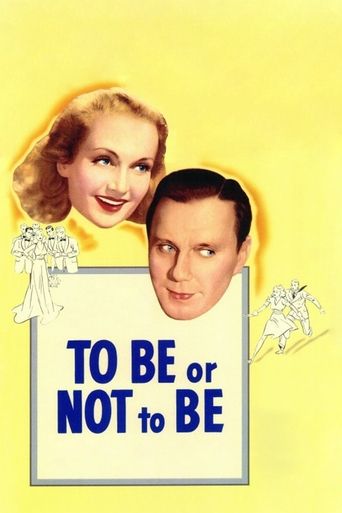
7.8During the Nazi occupation of Poland, an acting troupe becomes embroiled in a Polish soldier's efforts to track down a German spy.
To Be or Not to Be
1942
 7.2
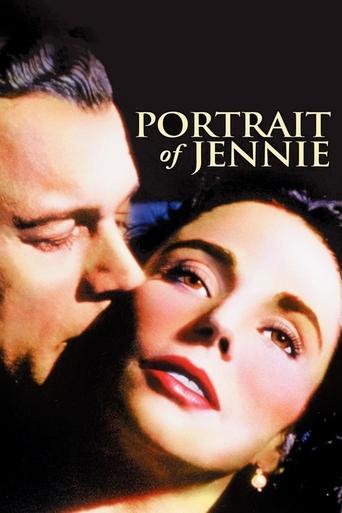
7.2In Depression-era New York, painter Eben Adams despairs at his lack of success. One cold winter evening in Central Park, he meets enigmatic, old-fashioned Jennie Appleton, who captures his fancy when she asks him to wait for her to grow up. Soon after, Eben sells a sketch of Jennie to kindly art dealer Miss Spinny and, as he meets the oddly mutable Jennie in fleeting moments, begins to realize they share a special destiny.
Portrait of Jennie
1948
 6.4
6.4The story of seven scholars in search of an expert to teach them about swing music. They seem to have found the perfect candidate in winsome nightclub singer Honey Swanson. But Honey's gangster boyfriend doesn't want to give her up.
A Song Is Born
1948
Film credits
1940s · 31 titles
6.6Discovery by Flo Ziegfeld changes a girl's life but not necessarily for the better, as three beautiful women find out when they join the spectacle on Broadway: Susan, the singer who must leave behind her ageing vaudevillian father; vulnerable Sheila, the working girl pursued both by a millionaire and by her loyal boyfriend from Flatbush; and the mysterious European beauty Sandra, whose concert violinist husband cannot endure the thought of their escaping from poverty by promenading her glamor in skimpy costumes.
Ziegfeld Girl
1941
8.1Two employees at a gift shop can barely stand one another, without realising that they are falling in love through the post as each other's anonymous pen pal.
The Shop Around the Corner
1940
7.8During the Nazi occupation of Poland, an acting troupe becomes embroiled in a Polish soldier's efforts to track down a German spy.
To Be or Not to Be
1942
7.2In Depression-era New York, painter Eben Adams despairs at his lack of success. One cold winter evening in Central Park, he meets enigmatic, old-fashioned Jennie Appleton, who captures his fancy when she asks him to wait for her to grow up. Soon after, Eben sells a sketch of Jennie to kindly art dealer Miss Spinny and, as he meets the oddly mutable Jennie in fleeting moments, begins to realize they share a special destiny.
Portrait of Jennie
1948
6.4The story of seven scholars in search of an expert to teach them about swing music. They seem to have found the perfect candidate in winsome nightclub singer Honey Swanson. But Honey's gangster boyfriend doesn't want to give her up.
A Song Is Born
1948
 6.8
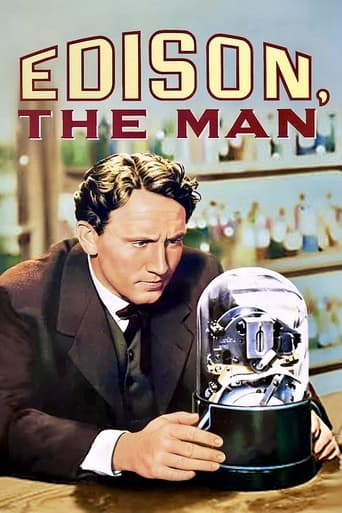
6.8In flashback, fifty years after inventing the light bulb, an 82-year-old Edison tells his story starting at age twenty-two with his arrival in New York. He's on his way with the invention of an early form of the stock market ticker.
Edison, the Man
1940
 5.8
5.8After crooked nightclub owner murders a police informant, he blackmails his piano player to allow him to stay at his eccentric mother's boarding house.
It All Came True
1940
 6.7
6.7In 1922, a would-be classical composer gets involved with people putting on a musical revue.
Greenwich Village
1944
 6.2
6.2Steve, revue producer in Rio de Janeiro, is still in love with his ex-wife Vicki, his star Linda is in love with Steve and Tito is in love with Linda. Because of this they all get small problems.
The Thrill of Brazil
1946
 6.9
6.9Propaganda short film depicting the rise of Nazism in Germany and how political propaganda is similarly used in the United States. The film was made to make the case for the desegregation of the United States armed forces.
Don't Be a Sucker!
1943
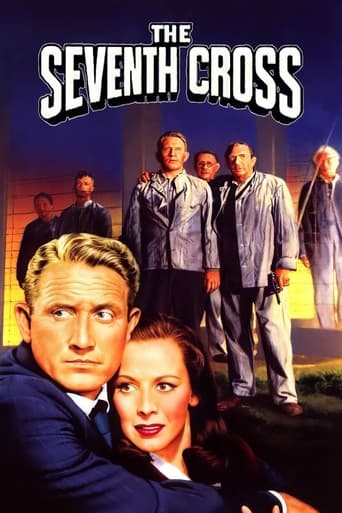 6.8
6.8In Nazi Germany in 1936 seven men escape from a concentration camp. The camp commander puts up seven crosses and, as the Gestapo returns each escapee he is put to death on a cross. The seventh cross is still empty as George Heisler attempts an escape to freedom in Holland.
The Seventh Cross
1944
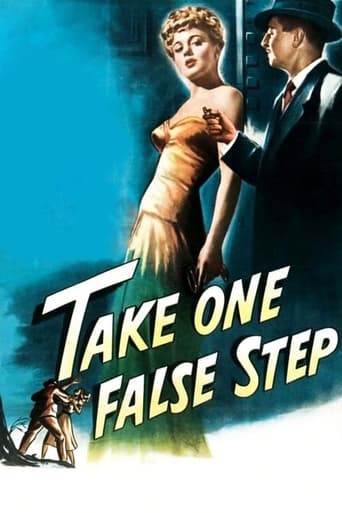 5.4
5.4Catherine Sykes disappears after a midnight drive with Professor Andrew Gentling . When she's presumed murdered, his friend Martha convinces him that he's a prime suspect and should investigate before he's arrested.
Take One False Step
1949
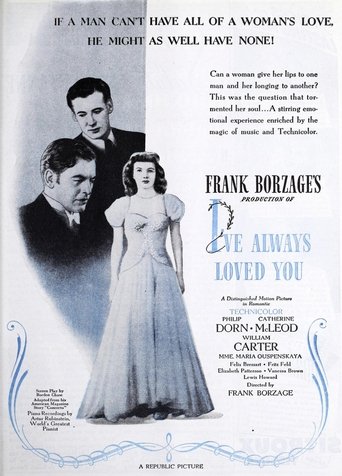 6.5
6.5A beautiful young concert pianist is torn between her attraction to her arrogant but brilliant maestro and her love for a farm boy she left back home.
I've Always Loved You
1946
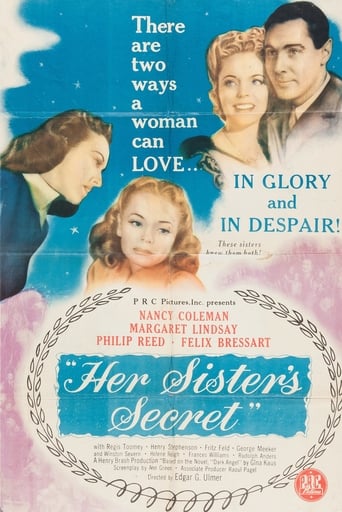 7.2
7.2A WWII tale of romance that begins during New Orlean's "Mardi Gras" celebration when a soldier and a girl meet and fall in love. He asks her to marry him but she decides to wait until his next leave. He is sent overseas and she does not receive his letter and feels abandoned, but she does find out she is pregnant. She gives the child to her married sister and does not see her child again for three years. She returns to her sister's home to reclaim the child, and the soldier, who has been searching for her, also turns up. The sister is not interested in giving up the child. Written by Les Adams
Her Sister's Secret
1946
 6.6
6.6Edna marries Texan Sam Gladney, operator of a wheat mill. They have a son, who is killed when very young. Edna discovers by chance how the law treats children who are without parents and decides to do something about it. She opens a home for foundlings and orphans and begins to place children in good homes, despite the opposition of "conservative" citizens, who would condemn illegitimate children for being born out of wedlock. Eventually Edna leads a fight in the Texas legislature to remove the stigma of illegitimacy from birth records in that state, while continuing to be an advocate for homeless children.
Blossoms in the Dust
1941
 6.5
6.5When his wife threatens him with divorce, a reporter courts her again.
Three Hearts for Julia
1943
 4.4
4.4Married sleuths (Gracie Allen, William Post Jr.) find a corpse in their closet and round up suspects.
Mr. and Mrs. North
1942
 7.0
7.0Magazine editor Margot Merrick pretends to be married in order to avoid advances from male colleagues. Unfortunately, things don't go to plan when Jeff Thompson, a potential suitor, uncovers the deception and decides to show up at Margot's family home posing as her husband!
Third Finger, Left Hand
1940
 6.2
6.2Two newlyweds spy on the Nazis for the British Secret Service during their honeymoon in Europe.
Above Suspicion
1943
 6.0
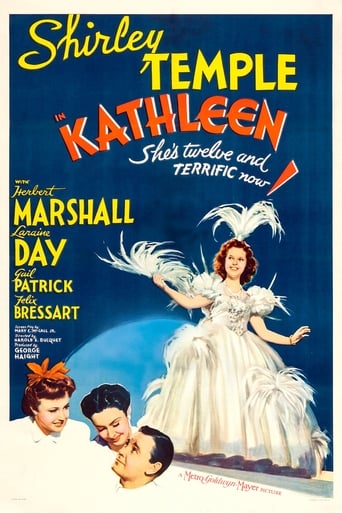
6.0Kathleen is a twelve-year-old who lives in a big house with a nanny, a butler, maids, no mother and a father who is working most of the time. She dreams of a family with a mother, father and her, and tells everyone that she has such a family. Because of this story, she cannot invite any friends over as they will see that it is not true.
Kathleen
1941
 6.0
6.0A woman runs away with her music teacher in order to escape an arranged marriage, but they struggle to make ends meet.
Bitter Sweet
1940
 7.0
7.0In World War II Washington DC, scientist Pat Jamieson's assistant, Jamie Rowan, enters a loveless marriage with him. Struggles bring them closer together.
Without Love
1945
 6.1
6.1An American reporter smuggling news out of Soviet Moscow is blackmailed into helping a beautiful Communist leave the country.
Comrade X
1940
 6.5
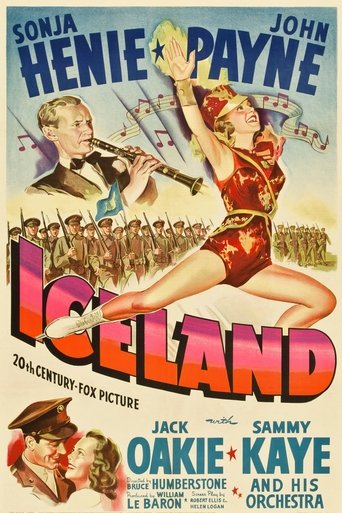
6.5Marine James Murfin, is unaware of Icelandic customs. When he flirts with Katina her Icelandic family take his actions as a proposal of marriage to Katina. Desperately wanting out, James gets his buddy to help him.
Iceland
1942
 6.4
6.4A man's marriage suffers when he pretends to be a bachelor while promoting "his" best-selling book about married life (actually written by an eccentric professor) in order to pay off a debt to a gangster.
Married Bachelor
1941
 6.2
6.2American conductor John Meredith and his manager, Hank Higgins, go to Russia shortly before the Nazi invasion of the Soviet Union. Meredith falls in love with beautiful Soviet pianist Nadya Stepanova while they travel throughout the country on a 40-city tour. Along the way, they see happy, healthy, smiling, free Soviet citizens, blissfully living the Communist dream. This bliss is destroyed by the German invasion.
Song of Russia
1944
 7.5
7.5An American goes to pre-war Germany to find his mother and discovers her in a concentration camp. With the help of an American-born widowed countess he seeks to engineer her escape.
Escape
1940
 5.9
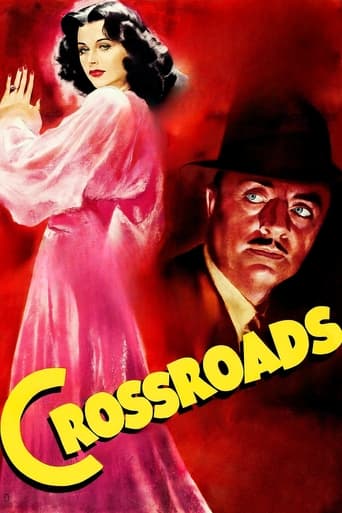
5.9A French diplomat who's recovered from amnesia is blackmailed over crimes he can't remember.
Crossroads
1942
 4.4
4.4Peter and Delilah are a married couple running a roadside café in Nevada. Their stable partnership turns rocky, though, with the arrival of the sultry Sally, a waitress who catches Peter's wandering eye. Delilah strikes back by hiring Sally's boyfriend as a waiter. Sally is initially dismissive of Peter's advances, but when he wins $40,000 in a lottery, she quickly pounces, turning on the charm and eyeing the easy life.
Blonde Fever
1944
 7.5
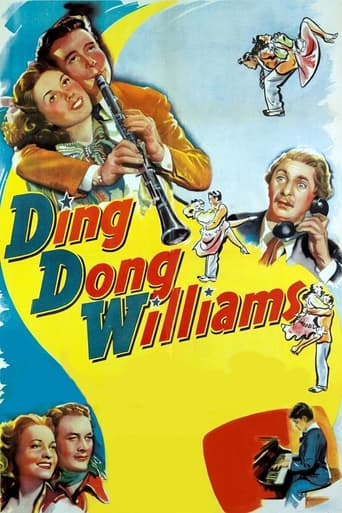
7.5Ding Dong Williams, a clarinet player who can neither read nor write music is employed at a motion picture studio. The studio plans to use him and his six-piece band but his musical deficiencies are discovered and the plan scrapped. But the secretary of the head of the music department intercedes on his behalf and he is given a chance in the film.
Ding Dong Williams
1946
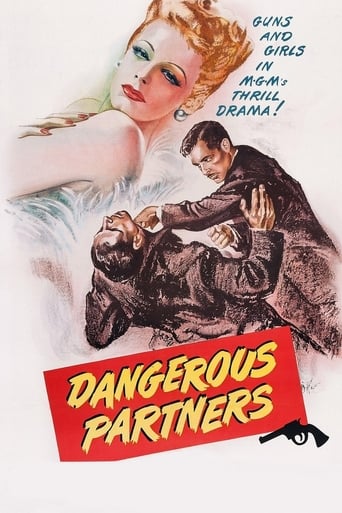 6.8
6.8A young couple's accident could make them rich, if they can evade a Nazi spy ring.
Dangerous Partners
1945
1930s · 29 titles
7.5A stern Russian woman sent to Paris on official business finds herself attracted to a man who represents everything she is supposed to detest.
Ninotchka
1939
 6.1
6.1Willy, Kurt and Hans are broke, so they sell their car and open a filling station. Then, they all fall in love with the same girl.
The Three from the Filling Station
1930
 7.2
7.2Three sisters who believe life is going to be easy, now that their parents are back together, until one sister falls in love with another's fiancé, and the youngest sister plays matchmaker.
Three Smart Girls Grow Up
1939
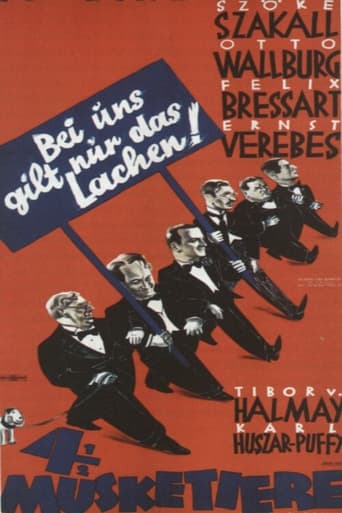 10.0
10.0A Hungarian-Austrian comedy and one of the last emigrant films made in Austria before the industry submitted to pressure from Nazi Germany and ceased to employ Jewish filmmakers.
Four and a Half Musketeers
1935
 5.4
5.4A carefree playboy with an aversion to marriage falls for a lass he meets in the French Alps.
Bridal Suite
1939
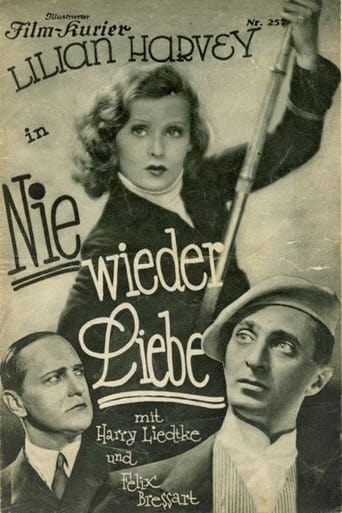 7.6
7.6An American millionaire, who had always bad luck with women, bets that he can live without them for five years. But after four and a half years traveling around on his yacht, he rescues a lady from drowning in the English Channel.
No More Love
1931
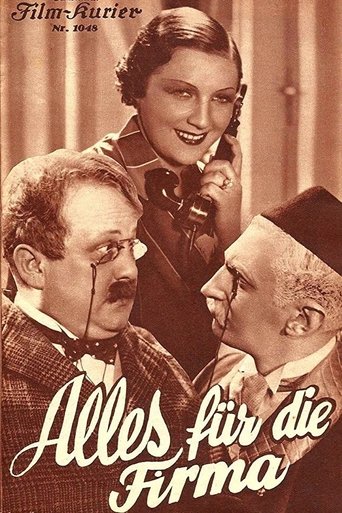 8.0
8.0Familial disputes surrounding a traditional business. Grandfather Sonndorfer allies himself with his grandson Otto, in order to bring his arrogant son Max on the right path. Between the fronts is Emmerich Liebling, the intriguing messenger.
Everything for the Company
1935
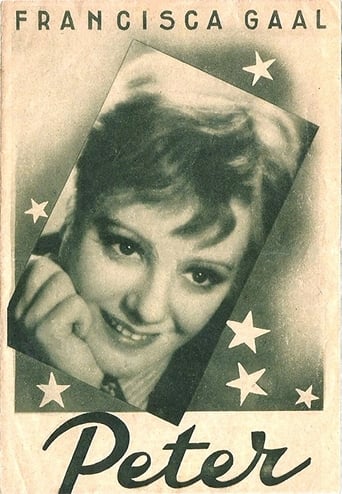 8.0
8.0Starring Francisca Gaál in a breeches role. Dressed as a boy, a street musician gets a job pumping gas. When s/he starts to have feelings for her patron, watch out for complications in this comedy shot in German in Budapest.
Peter
1934
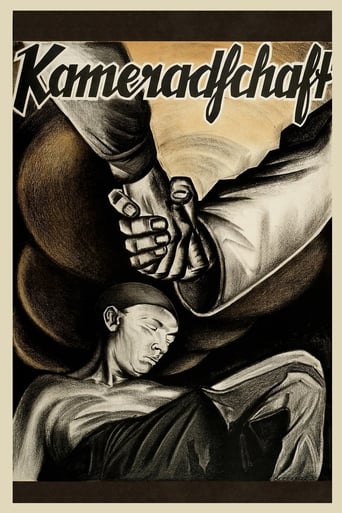 7.0
7.0At a mine on the shared edge of France and Germany, an underground explosion leads to the entrapment of a group of French miners. In an effort to save the trapped Frenchmen, German miners Wittkopp and Kasper take it upon themselves to traverse a crumbling war tunnel leading down into the mines. Yet, though the workers harbor no political biases against one another, their callous, less tolerant bosses hope to halt this cross-cultural rescue mission.
Comradeship
1931
A meek clerk can no longer abide the nastiness of his boarding house proprietress and takes drastic action.
The fight with the dragon or: The tragedy of the lodger
1930
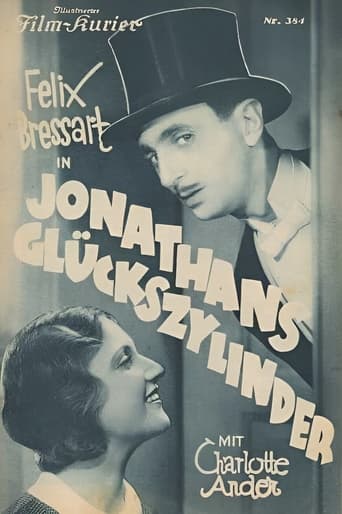 8.0
8.0Gottfried Jonathan, a small civil servant, lives as a lodger and is roommates with the blonde Käthe. Although she tries very hard, she can’t find a job and can no longer afford her rent of 40 marks. Jonathan secretly loves Käthe and decides to raise the necessary money for her.
The Lucky Top Hat
1932
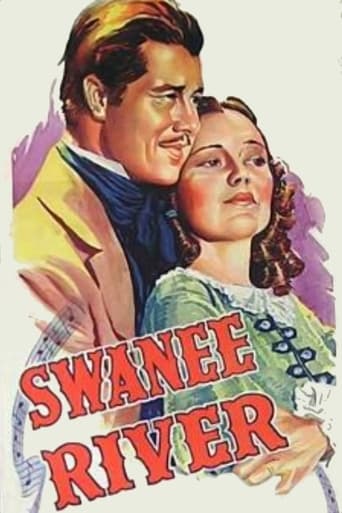 7.0
7.0Swanee River is a 1940 American biopic about Stephen Foster, a songwriter from Pittsburgh who falls in love with the South, marries a Southern girl, then is accused of sympathizing when the Civil War breaks out. Typical of 20th Century Fox biopics of the time, the film is more fictional than factual biography.
Swanee River
1939
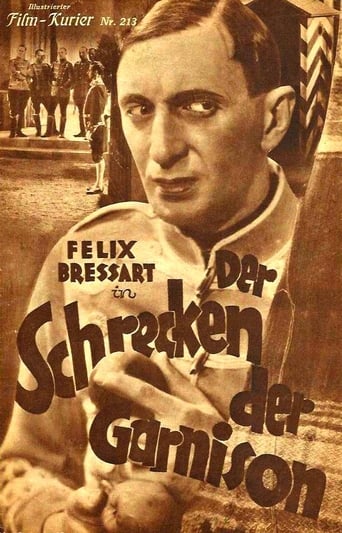 9.0
9.0No synopsis available yet.
Terror of the Garrison
1931
The lively Anny meets the nice Dr. Jack Braun and throws everything in his life into disarray. As Jack is in the middle of divorce proceedings against his wife Renate, his lawyer and best friend Richard doesn't like the idea of a female being in his vicinity. Then Jack's heiress Frieda comes to visit, and when she finds Anny in Jack's house, she mistakes her for his wife - and finds her extremely charming. When the aunt's parrot dies, the relatives believe that the aunt has died and rush to claim the inheritance. Anny emerges victorious from all this.
Eine Freundin so goldig wie Du
1930
 6.2
6.2No synopsis available yet.
...und wer küßt mich?
1933
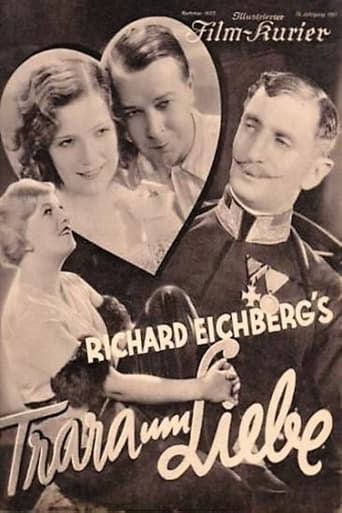 7.0
7.0Caught by Archduke Max in an embarrassing situation with Marie-Charlote, Captain Rudi is forced into marriage. Yet he approaches actress Josefine, the Archduke's girlfriend, being outright transferred as punishment. Then both girls appear.
Fanfare about love
1931
When he is not conducting his orchestra, a talented young man invents a device to thwart car thieves. Associating himself with a rich Dutch baron, he falls in love with the baron's daughter.
C'était un musicien
1934
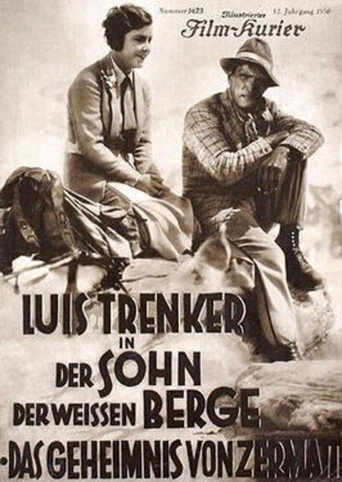 5.3
5.3The mountain guide and ski instructor Hans Turri has been hired by the tourist Gregory Milacz to make a route in the mountains. Both are caught by a storm, so while Milacz is waiting at the Concordia Hut, Turri returns to the valley again. On the way back, Milacz has disappeared. Suspicions turn against Turri as a murder suspect for the jealousy he might have for the beautiful Mary Dulac. To get rid of the accusation of murder, Turri sets out to find Milacs. There is a French version of the film (Les chevaliers de la montagne), shot the same year by the same team but with different actors.
The Son of the White Mountain
1930
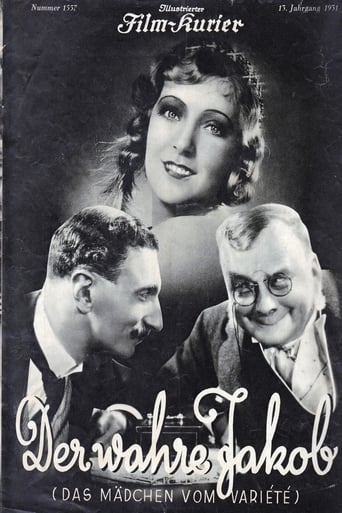 7.0
7.0The village mayor is a bigoted man: when he sees a girl from the variety show, the morality no longer applies to him.
True Jacob
1931
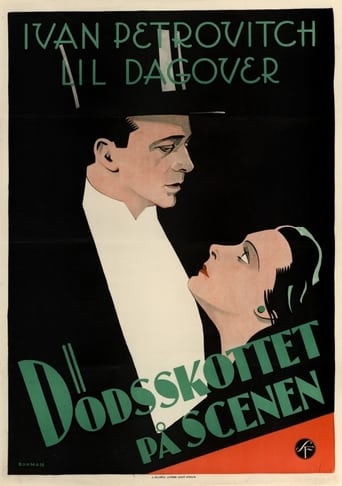 7.0
7.0No synopsis available yet.
There is a woman who will never forget you
1930
 7.5
7.5Mr. and Mrs. Linsemann have been happily married for a year. In their chic home, a modern villa financed by a loan and not yet fully paid off, the lady of the house intends to throw a big one-year anniversary party to please her husband. For this reason, she invites all his relatives to a large party, including her wealthy Uncle Adolf, from whom she hopes for a substantial financial boost to help pay off the loan. But this bash soon turns into a disaster, because the guests are quite a handful: there's dear, well-behaved Uncle Emil, who was always under the thumb of his rather unpleasant brother Adolf; the Webers with their teenage son; Cousin Wilhelm and his wife; and Mr. and Mrs. Stempel. A musician, a nanny, and a singer are also in attendance.
The Tender Relatives
1930
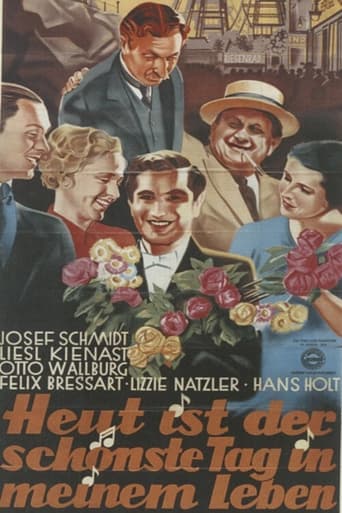 5.5
5.5Two twin brothers working in a Vienna fair and who are both gifted for singing meet different luck both in love and their careers.
Heut' ist der schönste Tag in meinem Leben
1936
 8.0
8.0A romantic drama about a relationship between people of different social classes. The young baron, who is in love with a record shop saleswoman, is sent by his family on a diplomatic mission to Budapest, where he loses his heart to a beautiful noblewoman. His remorseful, hasty return to Vienna brings tragedy.
Old Song
1930
 5.8
5.8Felix Bressart, later one of the most delightful members of the Ernst Lubitsch "stock company," plays the title character in the Austrian comedy Hirsekorn Greift Ein (Hirsekorn Does Something About It). It's a typical worm-turns affair, as a mild-mannered provincial actor ends up working as a chauffeur for a scatterbrained female novelist. Slapstick is the order of the day, except in the scenes involving heroine Charlotte Susa. Guiding the actors through their paces was Rudolf Bernauer, a stage actor-manager of vast experience. Critics in 1931 felt that Hirsekorn Greift Ein was too thin to be stretched to 90 minutes.
Excursion into Life
1931
The story revolves around the confusion that arises when a supposed gold discovery in Valais divides the village community. The plot combines elements of a cultural film about old customs in the Lötschental valley with a naive storyline that achieves a strangely powerful effect through its simple realism.
Wie d'Warret würkt
1933
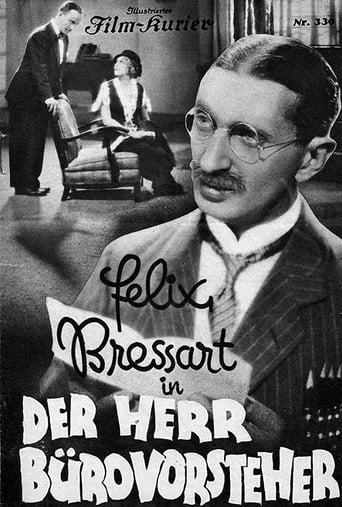 8.0
8.0No synopsis available yet.
The Office Manager
1931
 7.0
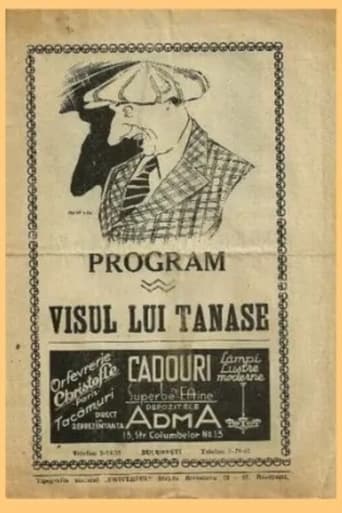
7.0Cinematic sketches of Tanase's adventures in Berlin, where he was invited to star in the movie. A Romanian-German co-production made at the Tobis Studio in Berlin, with Tanase co-financing from his own funds. In Romania, the film was presented as a cinematic journey of Tanase, where he then appears on stage, at the end, in dialog with his on-screen dubbing.
Visul lui Tanase
1932
 9.0
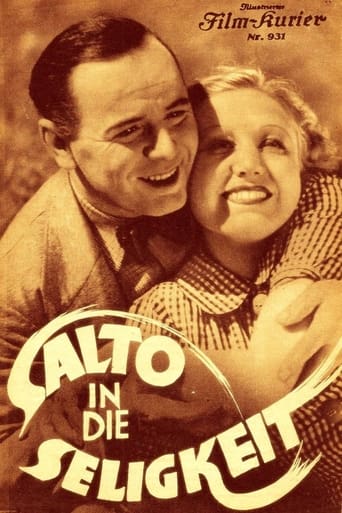
9.0An unemployed artist must choose between a flower seller and a Hungarian dancer and defend himself against suspicion of shoplifting.
Salto in die Seligkeit
1934
 8.5
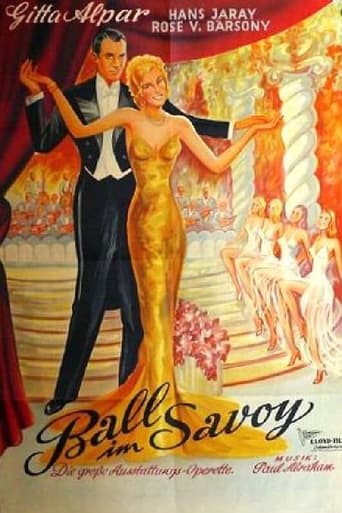
8.5Operetta star Gitta Alpar plays a singer engaged for a performance at the Savoy Hotel, where she mistakes Baron von Wollheim for a waiter. But the baron is content to play the game for a while and changes his role with the real waiter. Of course the singer is quite happy when she discovers the real identity of the baron, but now she mistakes him for a thief, as her necklet has gone missing. Further complications arise when the baron's cousin Mary, a composer, arrives at the hotel and wants a music publisher to listen to her songs.
Ball at the Savoy
1935