
Production
James Carr
Place of birth
Kirkby Stephen, Westmorland, England, UK
Known for
Production
Credits
13 titles
Known for
 NR
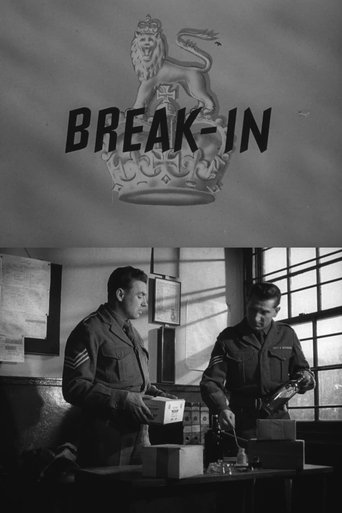
A dramatised training film for the Military Police showing the correct methods and procedures that should be used in solving a crime.
Break-In
1956
 7.0
This documentary records the Commonwealth Trans-Antarctic Expedition, the first overland crossing of Antarctica. Narrated by Sir Edmund Hillary, the film features the preparation and execution of these historic journeys as Sir Vivian Fuchs and Hillary lead teams from opposite sides of the continent.
Antarctic Crossing
1958
 NR
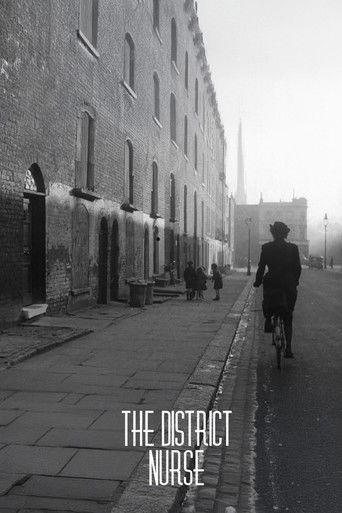
District Nurse documents the daily work of two community nurses serving a rural district in East Sussex, following their rounds across farms, villages, and isolated homes. The film records home-based medical care, patient instruction, emergency response, and maternal health services, situating nursing practice within the rhythms of rural life. Produced in the early years of Britain’s National Health Service, the film presents community healthcare as a foundational element of postwar social welfare and public service.
District Nurse
1952
A typical Verity propaganda short produced for the British Council.
The English Inn
1941
Following the recuperation and treatment of patient Frank Thompson, 'Papworth Village Settlement' is an account of the varied medical and social services available to sufferers of tuberculosis at Papworth.
Papworth Village Settlement
1946
No synopsis available yet.
The Film That Never Was
1957
Behind the camera
NRA dramatised training film for the Military Police showing the correct methods and procedures that should be used in solving a crime.
Break-In
1956
7.0This documentary records the Commonwealth Trans-Antarctic Expedition, the first overland crossing of Antarctica. Narrated by Sir Edmund Hillary, the film features the preparation and execution of these historic journeys as Sir Vivian Fuchs and Hillary lead teams from opposite sides of the continent.
Antarctic Crossing
1958
NRDistrict Nurse documents the daily work of two community nurses serving a rural district in East Sussex, following their rounds across farms, villages, and isolated homes. The film records home-based medical care, patient instruction, emergency response, and maternal health services, situating nursing practice within the rhythms of rural life. Produced in the early years of Britain’s National Health Service, the film presents community healthcare as a foundational element of postwar social welfare and public service.
District Nurse
1952
A typical Verity propaganda short produced for the British Council.
The English Inn
1941
Following the recuperation and treatment of patient Frank Thompson, 'Papworth Village Settlement' is an account of the varied medical and social services available to sufferers of tuberculosis at Papworth.
Papworth Village Settlement
1946
No synopsis available yet.
The Film That Never Was
1957
 7.0
Looking at how soldiers injured and disabled during WWII would be helped to live as normal a life as possible in the post war years.
The Undefeated
1950
 NR
Tomorrow is Theirs examines provisions for secondary school education during the war, arguing for the importance of maintaining excellent, thorough schooling in spite of wartime obstacles.
Tomorrow Is Theirs
1940
Captures the varied work of the Women's Voluntary Services.
W.V.S.
1941
Propaganda short showing how boy scouts can help the war effort in Britain.
Men of Tomorrow
1942
No synopsis available yet.
People, Productivity and Change
1963
 6.6
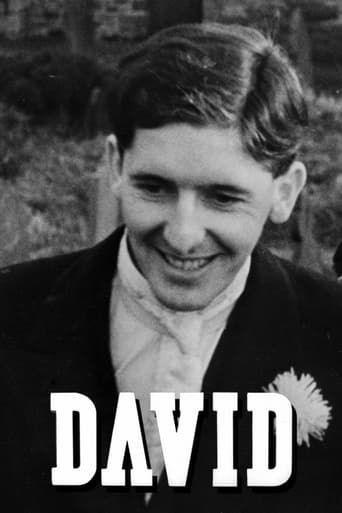
Told with authenticity and perception, David looks back on the life of a school caretaker in a Welsh mining town, from the marriage and birth of his son to the trauma of a pit accident. David was the first film produced by the BFI, in 1951, and the Welsh selection for the same year’s Festival of Britain screenings in London.
David
1951
 NR
Some of the many facets of life in Britain today showing recent developments in industry, atomic power, sport and education, as well as her participation in the United Nations and contribution to the development of the multi-racial Commonwealth.
Today in Britain
1964