
Acting
Robert Arnold
Born — Died
1931-06-26 — 2003-02-04
Place of birth
Kent, England
Known for
Acting
Credits
13 titles
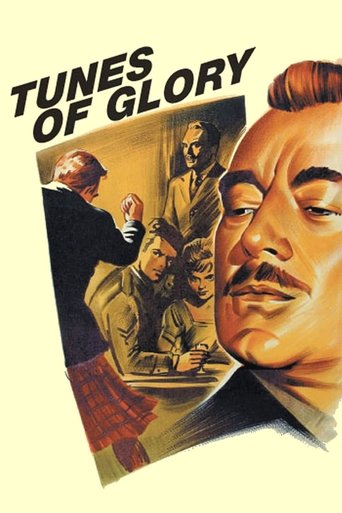
Robert Arnold worked on a local newspaper in Stamford before joining the Royal Academy of Dramatic Art in the early 1950s. He then went on to join the Royal Shakespeare Company in Stratford-upon-Avon where he met his wife, the actress June Brown. They appeared in several productions together. He appeared in two films, Sink The Bismark and Tunes of Glory, and several television productions, most notably Dixon of Dock Green which he was in for 7 years in the late 60s, early 70s. the family moved to Folkestone in 1970 where he appeared in local rep before moving back to London in the late 70s and joining The National Theatre.
Known for
 7.3
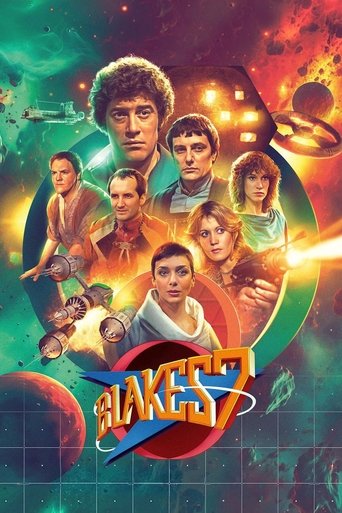
7.3A group of convicts and outcasts fight a guerrilla war against the totalitarian Terran Federation from a highly advanced alien spaceship.
Blake's 7
1978
 8.3
8.3Owner Basil Fawlty, his wife Sybil, a chambermaid Polly, and Spanish waiter Manuel attempt to run their hotel amidst farcical situations and an array of demanding guests.
Fawlty Towers
1975
 6.0
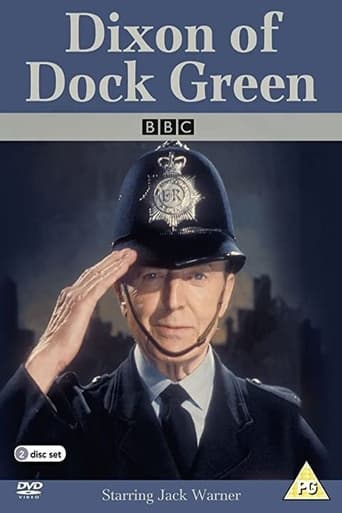
6.0Dixon of Dock Green was a BBC television series following the activities of police officers at a fictional Metropolitan Police station in the East End of London from 1955 to 1976. Some episodes were later remade as a BBC radio series in 2005 and 2006.
Dixon of Dock Green
1955
 7.2
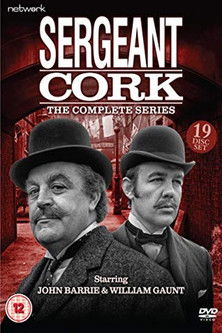
7.2Sergeant Cork is a British detective television series which first aired between 1963 and 1968 on ITV. It was a police procedural show that followed the efforts of two police officers and their battle against crime in Victorian London. In all 66 hour-long episodes were aired during the five-year run, although the last episode was not broadcast until January 1968, 16 months after the others. Journalist Tom Sutcliffe has credited it as a first example of the use of the Victorian-era policeman in a television crime series. A 1969 review in The Age opined that rather than suspense, the strengths of the series were its "excellent period settings and wonderfully thick pea-soupers" which "add up to splendid evocative stuff", as well as the performance of star John Barrie. At no time during the whole series is Sergeant Cork's first name given.
Sergeant Cork
1963
 8.0
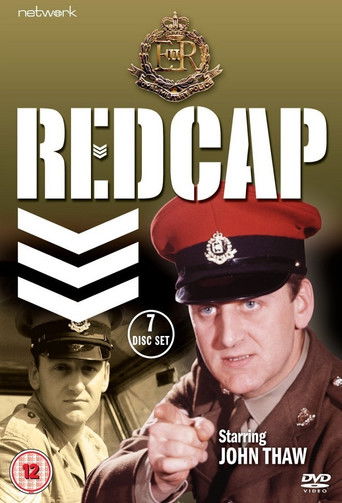
8.0Redcap is a British television series produced by ABC Weekend Television for ITV. John Thaw stars as Sergeant John Mann, a member of the Special Investigation Branch of the Royal Military Police. It ran for 26 episodes over two series between 1964 and 1966, being about 50 minutes in a 60 minute time slot. Surprisingly for a 1960s ABC Weekend Television programme, 23 of the 26 episodes still exist.
Redcap
1964
Armchair Mystery Theatre is a 60-minute United Kingdom television anthology mystery series. Thirty-four episodes aired from 1960-65. It was hosted by Donald Pleasence and produced by Leonard White.
Armchair Mystery Theatre
1960
Film credits
Series credits
7.3A group of convicts and outcasts fight a guerrilla war against the totalitarian Terran Federation from a highly advanced alien spaceship.
Blake's 7
1978
8.3Owner Basil Fawlty, his wife Sybil, a chambermaid Polly, and Spanish waiter Manuel attempt to run their hotel amidst farcical situations and an array of demanding guests.
Fawlty Towers
1975
6.0Dixon of Dock Green was a BBC television series following the activities of police officers at a fictional Metropolitan Police station in the East End of London from 1955 to 1976. Some episodes were later remade as a BBC radio series in 2005 and 2006.
Dixon of Dock Green
1955
6.0Dixon of Dock Green was a BBC television series following the activities of police officers at a fictional Metropolitan Police station in the East End of London from 1955 to 1976. Some episodes were later remade as a BBC radio series in 2005 and 2006.
Dixon of Dock Green
1955
7.2Sergeant Cork is a British detective television series which first aired between 1963 and 1968 on ITV. It was a police procedural show that followed the efforts of two police officers and their battle against crime in Victorian London. In all 66 hour-long episodes were aired during the five-year run, although the last episode was not broadcast until January 1968, 16 months after the others. Journalist Tom Sutcliffe has credited it as a first example of the use of the Victorian-era policeman in a television crime series. A 1969 review in The Age opined that rather than suspense, the strengths of the series were its "excellent period settings and wonderfully thick pea-soupers" which "add up to splendid evocative stuff", as well as the performance of star John Barrie. At no time during the whole series is Sergeant Cork's first name given.
Sergeant Cork
1963
8.0Redcap is a British television series produced by ABC Weekend Television for ITV. John Thaw stars as Sergeant John Mann, a member of the Special Investigation Branch of the Royal Military Police. It ran for 26 episodes over two series between 1964 and 1966, being about 50 minutes in a 60 minute time slot. Surprisingly for a 1960s ABC Weekend Television programme, 23 of the 26 episodes still exist.
Redcap
1964
Armchair Mystery Theatre is a 60-minute United Kingdom television anthology mystery series. Thirty-four episodes aired from 1960-65. It was hosted by Donald Pleasence and produced by Leonard White.
Armchair Mystery Theatre
1960
Anthology of crime stories in which the telephone plays a key role.
Dial M for Murder
1974
The Befrienders is a British television series produced by the BBC in 1972. The series dealt with the work of the Samaritans organisation, and the individual cases its staff came across. The leading cast members were Megs Jenkins and Michael Culver. The Befrienders was first aired as a single play as part of the Drama Playhouse strand in 1970, which was followed by one series of eleven episodes.
The Befrienders
1972
 6.0
6.0Dramatised stories of the founders of modern medicine. Until the 1840s, medicine had remained basically unchanged since the days of the ancient Greece. In the 60 years following it was transformed into a modern science.
Microbes and Men
1974
6.0Dramatised stories of the founders of modern medicine. Until the 1840s, medicine had remained basically unchanged since the days of the ancient Greece. In the 60 years following it was transformed into a modern science.
Microbes and Men
1974
No synopsis available yet.
Maggie and Her
1976