
Acting
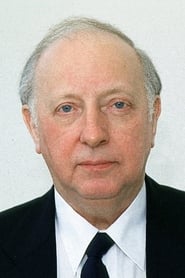
Arthur Scargill
Born
1938-01-11 (88)
Place of birth
Barnsley, South Yorkshire, England, UK
Known for
Acting
Credits
32 titles
Arthur Scargill is a British trade unionist. He was President of the National Union of Mineworkers from 1982 to 2002. Joining the NUM at the age of nineteen in 1957, he became one of its leading activists in the late 1960s.
Known for
 6.3
6.3Current affairs programme, featuring interviews and investigative reports on a wide variety of subjects.
Panorama
1953
 7.0
7.0World in Action was Granada Television’s flagship ITV current affairs series, running from 7 Jan 1963 to 7 Dec 1998, and built a reputation for film-led investigative reporting and a forceful editorial stance. Its journalism produced major public and political repercussions—including investigations associated with miscarriages of justice such as the Birmingham Six—and it also served as a platform for landmark documentary projects, including the first broadcast of “Seven Up!” as part of the strand in 1964.
World in Action
1963
 5.9
5.9This topical debate series based on Any Questions? typically features politicians from at least the three major political parties as well as other public figures who answer pre-selected questions put to them by a carefully selected audience.
Question Time
1979
 6.5
6.5An in-depth look at news stories. Documentaries that take you behind the scenes giving an insight into people's lives or institutions.
Dispatches
1987
 7.0
7.0Documentary series which ranges widely over Britain's social and cultural history, its narrative-led storytelling offering a richly immersive and varied window onto the past.
Timeshift
2002
 6.9
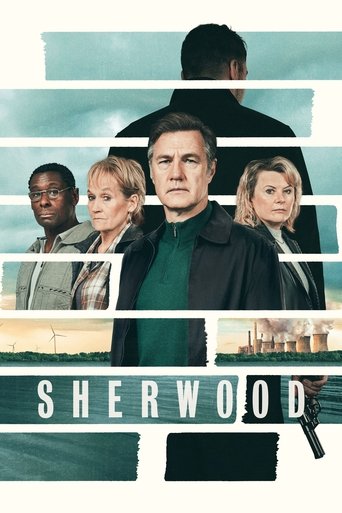
6.9Old grudges, new rivalries. A tangled web of murder and revenge spirals in a fractured Nottinghamshire mining community. Powerful drama with Lesley Manville and David Morrissey.
Sherwood
2022
Film credits
2020s · 4 titles
 7.6
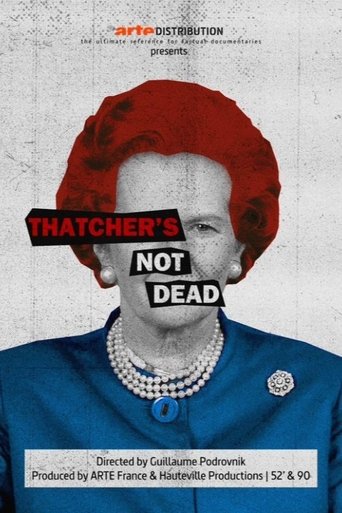
7.6This film sketches a very personal and decidedly political portrait of the Iron Lady who left the greatest mark on the UK, alongside Queen Elizabeth II. Archives and interviews are enriched by songs from this period that really help to understand the social atmosphere of that time.
Thatcher's Not Dead
2022
 NR
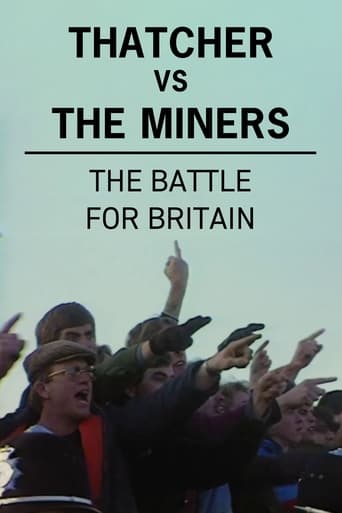
NROn the 5th of March 1985, a crowd gathered in a South Yorkshire pit village to watch a sight none of them had seen in a year. The villagers, many of them in tears, cheered and clapped as the men of Grimethorpe Colliery marched back to work accompanied by the village’s world-famous brass band. The miners and their families had endured months of hardship. It had all been for nothing. The miners had lost the strike called on March 6th 1984. They would lose a lot more in the years to come. But was it a good thing for the country that the miners lost their last battle?
Thatcher vs The Miners: The Battle for Britain
2021
 7.0
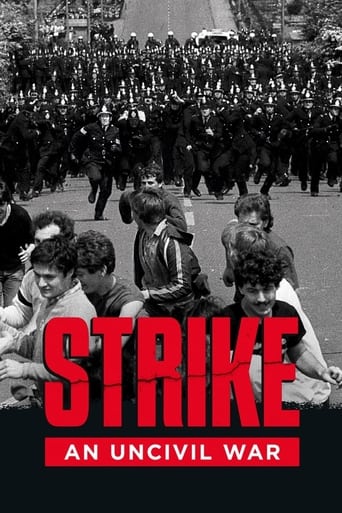
7.0The Battle of Orgreave, recounted by those who lived through it, is contextualised through the history of the British mining union and a government that was hell-bent on breaking it.
Strike: An Uncivil War
2024
 NR
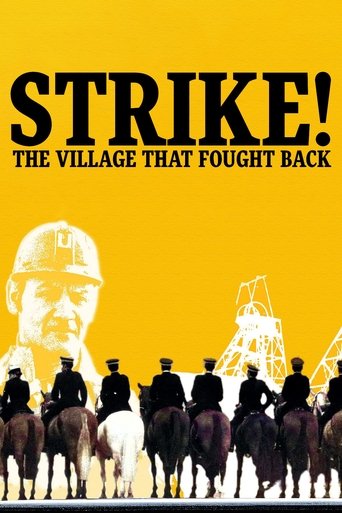
NRThe inside story of Polmaise Colliery and the miners who were the first to walk out and the last to go back to work during the miners' strike.
Strike! The Village That Fought Back
2024
2000s · 2 titles
 6.8
6.8It is approaching an election in the UK when the leader of the Labour party, John Smith, suffers another in a line of heart attacks and dies. With the leadership campaign about to start the clear choice appears to be Gordon Brown, a stanch Scotsman. However Tony Blair is also beginning to appear more likely as he will appeal to Southern voters who would be turned off by Brown. Blair rings Brown to arrange a meeting to discuss which will go for the job. The film flashbacks to the start of their relationship, sharing an office in Westminster on their first seats.
The Deal
2003
Twenty years ago, Britain went to war - with itself. In March 1984, Mrs Thatcher's government announced plans to close 20 coal mines, with the loss of 20,000 jobs. The Miners' leader, Arthur Scargill, led his workers out on strike. What followed was the ultimate left verses right showdown, a colossal battle for the political heart of a nation, with an epoch-making, era-defining moment of social significance unparalleled since World War II. This feature length documentary tells the story of the year-long struggle that split friends, families and the country apart, led to shocking scenes of violence, and made many fear that George Orwell's nightmare vision of a police state was becoming a reality. After this war, Britain would never be the same again.
Strike: When Britain Went to War
2003
1980s · 3 titles
 NR
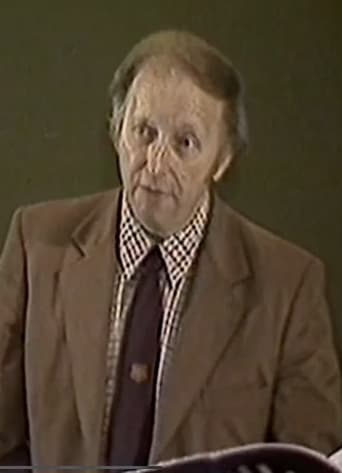
NRCombines footage of the 100th Durham Miner's Gala held in 1983, with extracts from a miners' weekend school held two months later, to raise the central issues that were of concern to the mineworkers' union during the lead up to the national strike of 1984.
News from Durham
1983
Part of BFI collection "The Miners' Campaign Video Tapes."
The Miners' Campaign Video Tapes: The Coal Board's Butchery
1984
 NR
NRPart of BFI collection "The Miners' Campaign Video Tapes."
The Miners' Campaign Video Tapes: Not Just Tea and Sandwiches
1984
Series credits
6.3Current affairs programme, featuring interviews and investigative reports on a wide variety of subjects.
Panorama
1953
7.0World in Action was Granada Television’s flagship ITV current affairs series, running from 7 Jan 1963 to 7 Dec 1998, and built a reputation for film-led investigative reporting and a forceful editorial stance. Its journalism produced major public and political repercussions—including investigations associated with miscarriages of justice such as the Birmingham Six—and it also served as a platform for landmark documentary projects, including the first broadcast of “Seven Up!” as part of the strand in 1964.
World in Action
1963
5.9This topical debate series based on Any Questions? typically features politicians from at least the three major political parties as well as other public figures who answer pre-selected questions put to them by a carefully selected audience.
Question Time
1979
6.5An in-depth look at news stories. Documentaries that take you behind the scenes giving an insight into people's lives or institutions.
Dispatches
1987
7.0Documentary series which ranges widely over Britain's social and cultural history, its narrative-led storytelling offering a richly immersive and varied window onto the past.
Timeshift
2002
6.9Old grudges, new rivalries. A tangled web of murder and revenge spirals in a fractured Nottinghamshire mining community. Powerful drama with Lesley Manville and David Morrissey.
Sherwood
2022
 NR
NRWeekend World was a British television political series, made by London Weekend Television and broadcast from 1972 to 1988. Created by John Birt not long after he moved to LWT, the series was broadcast on the ITV network at lunchtimes on Sundays. Produced by Nick Elliott and David Elstein, it began by mirroring CBS's "60 Minutes" featuring several stories each week but gradually devolved into a show that featured a forensic interview with a major political figure each week. It was presented by Peter Jay initially when first broadcast in 1972, but was best-remembered for being anchored by former Labour MP Brian Walden between 1977 and 1986. Conservative MP Matthew Parris took over in 1986, resigning his seat, and presented the programme until the series ended in 1988.
Weekend World
1972
 7.0
7.0The Cook Report was a British current affairs television programme shown on ITV, produced for the network by Central Television from 1987 to 1998.
The Cook Report
1987
British current affairs series with Dermot Murnaghan tackling a different issue at home or abroad each week.
The Big Story
1993
No synopsis available yet.
I've Got A Secret
1984
 NR
NRCurrent affairs programme broadcasting in the late 70s / early 80s
TV Eye
1978
 5.9
5.91950s period drama based on the true story of a housewife and mother whose life is turned upside down by a handsome Polish man at her local dance hall.
A Passionate Woman
2010
 NR
NRNo synopsis available yet.
D'après une histoire vraie
2021
A Stab In The Dark was a British television programme of topical monologues and discussion screened on Channel 4 in 1992. It was hosted by comedian David Baddiel, journalist, future Conservative MP and schools secretary Michael Gove and critic and television presenter Tracey MacLeod. The monologues, often containing very dark humour, were delivered straight to camera by each host in turn before a small studio audience on a stark set with numerous staircases. Sometimes relevant guests were invited on to further or contradict a point, including Conservative MPs Jerry Hayes and Alan Clark. One of the more memorable routines was Baddiel’s contention, in opposition to contemporary feminist orthodoxy, that the word "cunt" should be reclaimed as a term of abuse, and no longer be used to refer to female genitalia. His task was made harder by the fact that the producers would not allow him to say the word itself.
A Stab in the Dark
1992
No synopsis available yet.
A Week in Politics
1983
 7.0
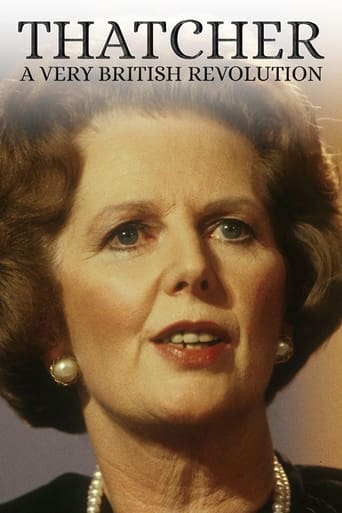
7.0The irresistible rise and dramatic downfall of Margaret Thatcher. Her inner circle reveal how a political outsider won power and dominated British life through a turbulent decade.
Thatcher: A Very British Revolution
2019
When society is broken and demands for social justice go unmet, some folks don't give up, they rise up.
Rise Up: Protests that Changed the World
2020
 NR
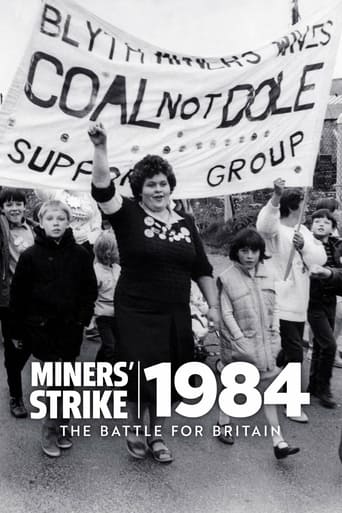
NRForty years after, through the eyes of those directly involved, this powerful series explores the bitterly divisive strike that wounded the soul of the nation
Miners' Strike 1984: The Battle for Britain
2024
 8.0
8.0The people, ideas, and events that created our current world economy.
Commanding Heights: The Battle for the World Economy
2002
Various public figures submit themselves to questioning from a teenage audience.
Open To Question
1984
 NR
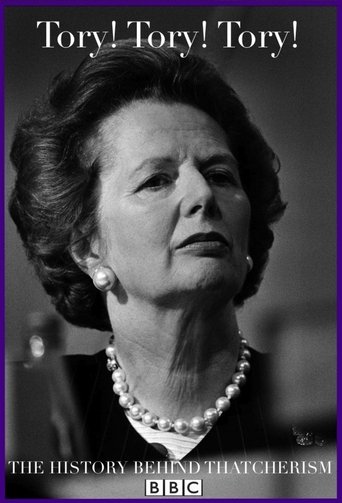
NRTory! Tory! Tory! is a 2006 BBC television documentary series on the history of the people and ideas that formed Thatcherism told through the eyes of those on the New Right. It was nominated for the best Historical Documentary at the Grierson Awards in 2006.
Tory! Tory! Tory!
2006