
Directing
Brahim Babaï
Born — Died
1936-12-18 — 2003-12-08
Known for
Directing
Credits
5 titles
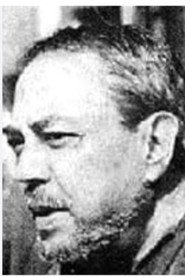
Brahim Babaï was a Tunisian film director and producer. Babaï graduated from the Institut des hautes études cinématographiques in 1963, worked for French and Tunisian television, then moved into filmmaking with shorts, documentaries, and finally features. His films are examples of a neorealist cinema of engagement, representing an attempt to reach a wide range of viewers and offer accessible solutions to social problems in Tunisia. His first feature, And Tomorrow? (1971–1972), adapted from Abdelkader Ben Cheikh’s novel, is one of the first Tunisian films to investigate issues of social concern during the 1960s, such as rural exodus, unemployment, and famine. The story follows three rural far…
Known for
 NR
An Odyssey (2001–2004), inspired by Abdelaziz Belkhodja’s novel, The Ashes of Carthage, and considered Tunisia’s first film in the thriller genre, offers a critical perspective on transnational trafficking in art and cultural objects. The events revolve around smuggling antiquities and artifacts in Tunisia, where an international gang seeks to steal the statue of the famous commander Hannibal and smuggle it via the Carthage ship to a European country.
The Odyssey
2004
Brahim Babai's first feature, And Tomorrow? (1971–1972), adapted from Abdelkader Ben Cheikh’s novel, is one of the first Tunisian films to investigate issues of social concern during the 1960s, such as rural exodus, unemployment, and famine. The story follows three rural farmers who leave their drought-stricken village for the city.
And Tomorrow..?
—
 9.0
Three farmers decide to leave their village, where the spring has dried up, and move to the city. Salem, the youngest, rebels because he cannot find work. A young woman plays the role of conscience to the villagers who remain in front of their televisions watching the modern world, without changing their situation. Their difficult search for work raises the issues of unemployment, rural exodus, and emigration.
And Tomorrow...?
1972
Directed by Ibrahim Babai.
The Night of the Decade
1991
Directed by Ibrahim Babai.
Victory of a People
1975
Behind the camera
NRAn Odyssey (2001–2004), inspired by Abdelaziz Belkhodja’s novel, The Ashes of Carthage, and considered Tunisia’s first film in the thriller genre, offers a critical perspective on transnational trafficking in art and cultural objects. The events revolve around smuggling antiquities and artifacts in Tunisia, where an international gang seeks to steal the statue of the famous commander Hannibal and smuggle it via the Carthage ship to a European country.
The Odyssey
2004
Brahim Babai's first feature, And Tomorrow? (1971–1972), adapted from Abdelkader Ben Cheikh’s novel, is one of the first Tunisian films to investigate issues of social concern during the 1960s, such as rural exodus, unemployment, and famine. The story follows three rural farmers who leave their drought-stricken village for the city.
And Tomorrow..?
—
9.0Three farmers decide to leave their village, where the spring has dried up, and move to the city. Salem, the youngest, rebels because he cannot find work. A young woman plays the role of conscience to the villagers who remain in front of their televisions watching the modern world, without changing their situation. Their difficult search for work raises the issues of unemployment, rural exodus, and emigration.
And Tomorrow...?
1972
Directed by Ibrahim Babai.
The Night of the Decade
1991
Directed by Ibrahim Babai.
Victory of a People
1975