
Acting
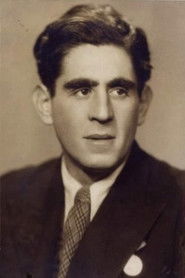
Mikhail Devyatkin
Born — Died
1916-10-05 — 2003-11-14
Known for
Acting
Credits
15 titles
Known for
 3.9
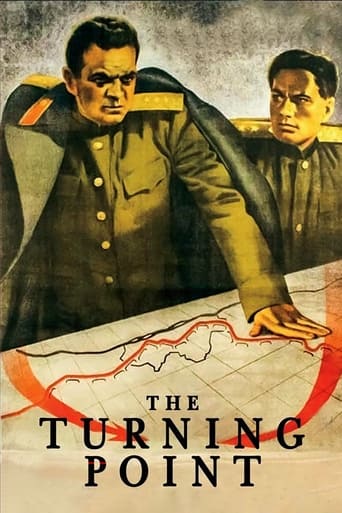
3.9The film tells the story of those who took part in the Battle of Stalingrad in 1942, which became a turning point in the Great Patriotic War. For five months, the city resisted the Nazi offensive. Surrendering Stalingrad to the enemy would have meant losing the war, but holding on to the city seemed almost impossible.
The Turning Point
1945
 NR
NRIt shows the life of a man who lost his memory after a car accident. It's like a person is being reborn. But the new life does not bring happiness to the hero. Well-mannered, with good manners, he asks his friend, "What kind of person was I?" And gets an answer: "You were a heavy drinker." All the hero's attempts to establish contact with the world around him end in failure, and the final scene is very dramatic.
Escape
1988
 6.0
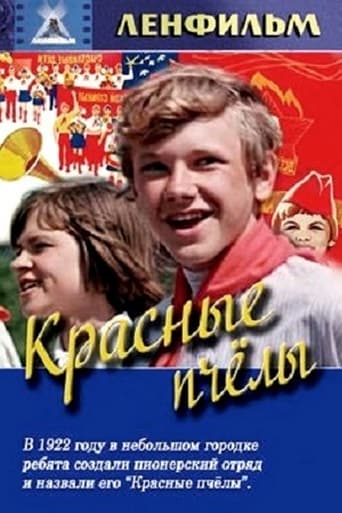
6.0In 1922, in a small town, the boys formed a pioneer squad and named it "Red Bees."
Red Bees
1972
 NR
NRA performance by the Leningrad State Academic Theater named after The Lensoveta based on Shakespeare's play. One of the daughters of a venerable resident of Padua, distinguished by her harsh and scandalous character, was the reason for the refusal of her younger sister's suitors, who were more comely and accommodating. In order for the father to allow the marriage of the younger, applicants for her hand are looking for a groom for the eldest and find the same rude and scandalous young nobleman who is ready to marry anyone for a dowry. However, it is also necessary to obtain the consent of the girl with the obstinate character...
The Taming of the Shrew
1973
 NR
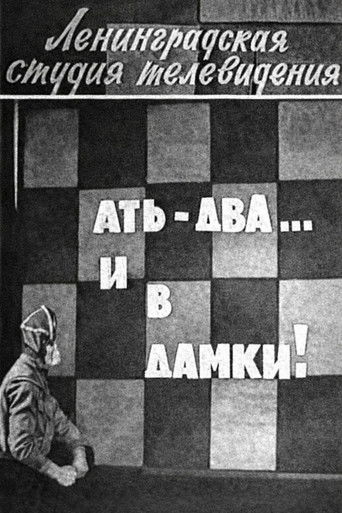
NRBased on the pamphlet "They Don't Talk About It" by Finnish writer Martti Lärni.
One-Two… And King Me!
1968
 NR
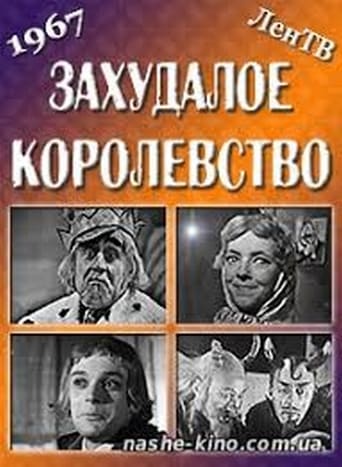
NRAbout how Grandfather Gabaday helped Princess Manya and peasant son Gonza to correct their shortcomings.
Seedy Kingdom
1966
Film credits
1990s · 2 titles
 NR
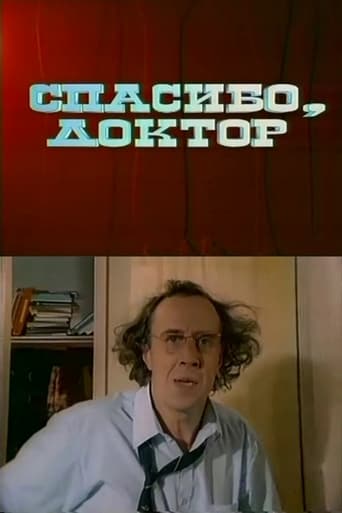
NRAn elderly patient claims to have had a dream about death. The doctor does everything possible to ease his death, and suddenly the phone rings - his wife reports from the stock exchange that the shares in which all the money was invested have fallen sharply, and they urgently need to be sold. Gradually, a strange metamorphosis occurs with the doctor... And now it is no longer clear for whom death came in the dream...
Thank You, Doctor
1995
 8.0
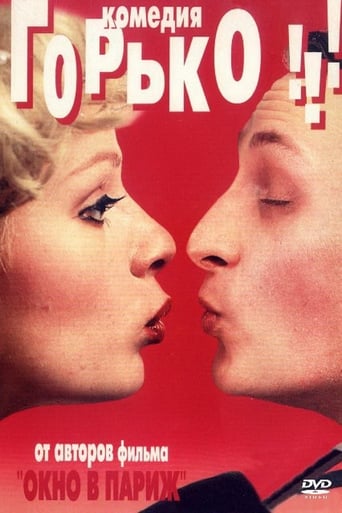
8.0While the bride is late for the wedding, the guests tell various marriage stories, which confuse the groom.
Wedding Kisses
1998
1980s · 2 titles
NRIt shows the life of a man who lost his memory after a car accident. It's like a person is being reborn. But the new life does not bring happiness to the hero. Well-mannered, with good manners, he asks his friend, "What kind of person was I?" And gets an answer: "You were a heavy drinker." All the hero's attempts to establish contact with the world around him end in failure, and the final scene is very dramatic.
Escape
1988
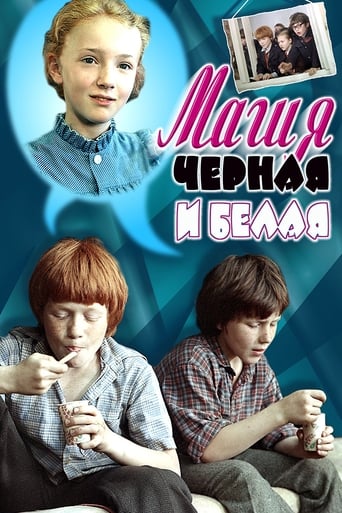 6.5
6.5A funny story about two four graders who fall in love with a new girl in the class.
Black and White Magic
1983
1970s · 5 titles
6.0In 1922, in a small town, the boys formed a pioneer squad and named it "Red Bees."
Red Bees
1972
NRA performance by the Leningrad State Academic Theater named after The Lensoveta based on Shakespeare's play. One of the daughters of a venerable resident of Padua, distinguished by her harsh and scandalous character, was the reason for the refusal of her younger sister's suitors, who were more comely and accommodating. In order for the father to allow the marriage of the younger, applicants for her hand are looking for a groom for the eldest and find the same rude and scandalous young nobleman who is ready to marry anyone for a dowry. However, it is also necessary to obtain the consent of the girl with the obstinate character...
The Taming of the Shrew
1973
 NR
NRBased on the play by Ignatiy Dvoretsky. Television version of the play by the Lensovet Leningrad Academic Theater.
Kovalyova From the Provinces
1975
 6.5
6.5No synopsis available yet.
Tim Taler, or the Sold Laughter
1970
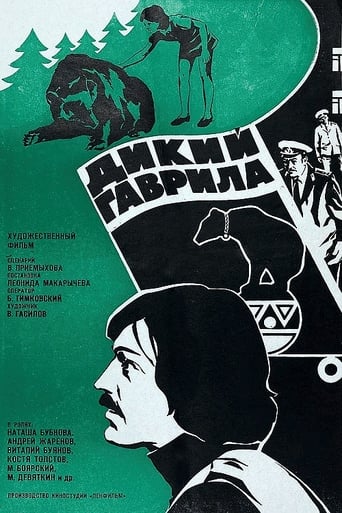 9.0
9.0A circus arrives in a provincial town. Without any malicious intent, the local kids steal a trained bear named Gavrila from the circus to set him free...
Wild Gavrila
1976
1960s · 4 titles
NRBased on the pamphlet "They Don't Talk About It" by Finnish writer Martti Lärni.
One-Two… And King Me!
1968
NRAbout how Grandfather Gabaday helped Princess Manya and peasant son Gonza to correct their shortcomings.
Seedy Kingdom
1966
 7.2
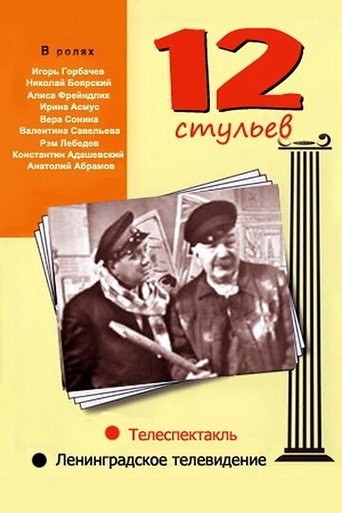
7.2Who was the first to bring the great novel "12 Chairs" to the screen? You say "Leonid Gaidai" - and it will be a mistake. In our country, the first director was Alexander Belinsky (Leningrad television, 1966). Filming the favorite books of millions is a difficult task. The audience knows the plot in detail. Winged phrases have long gone to the people. Everyone has their own idea of the main characters. In general, dissatisfied will be sure. So the version of "12 chairs", proposed by Alexander Belinsky, of course, will not suit everyone.
12 Chairs
1966
 9.0
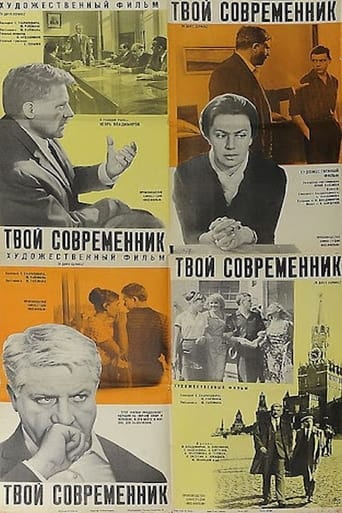
9.0Vasily Gubanov, the son of the film “The Communist”’s hero, arrived in Moscow not on call or for a business trip. Instead, he came to raise the issue with government authorities about halting the construction of a chemical plant. Despite being the author of the project, which was in full swing, millions of state funds had been spent, and thousands of people’s lives were tied to its completion.
Your Contemporary
1968