
Editing
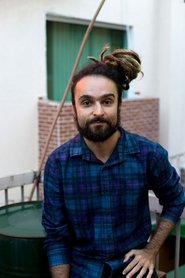
Gustavo Pera
Born
1988-05-18 (38)
Place of birth
São Paulo, São Paulo, Brazil
Known for
Editing
Credits
6 titles
Gustavo Pera is born and resident of São Paulo, Brazil. As an editor, he signed the feature films "TORO" and "Insubordinados", the documentary "Mazzaropi" and the series "Bipolar". Recently he directed his first short film: the documentary "Carroça21" (2018), selected for 31º Cinélatino Rencontres de Toulouse in France.
Known for
 NR
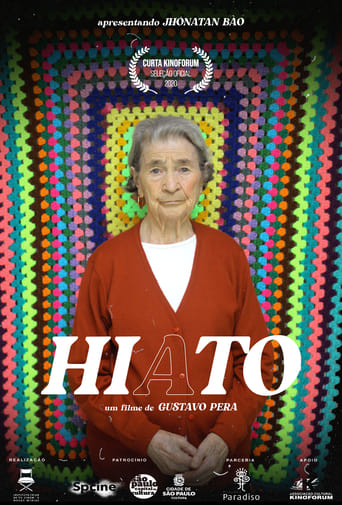
NRA resident of a ghetto’s neighborhood of São Paulo amid the Covid-19 pandemic, Gustavo has severe anxiety attacks. When he receives a call from a friend who lives in the same street, he reflects different stories of neighborhood residents in parallel with his family's daily life during social isolation.
GAP
2020
 10.0
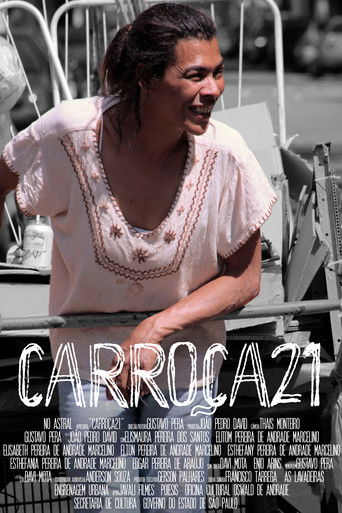
10.0Maura is a black woman, mother of 7 children and recyclable material collector in one of the largest cities in Latin America. While she works hard to maintain herself, she has to deal with prejudice, invisibility and the ignorance of those who do not recognize the value and important role of the recyclable material collector bring to the city, as an environmental agent.
Wagon21
2018
Film credits
Behind the camera
NRA resident of a ghetto’s neighborhood of São Paulo amid the Covid-19 pandemic, Gustavo has severe anxiety attacks. When he receives a call from a friend who lives in the same street, he reflects different stories of neighborhood residents in parallel with his family's daily life during social isolation.
GAP
2020
NRA resident of a ghetto’s neighborhood of São Paulo amid the Covid-19 pandemic, Gustavo has severe anxiety attacks. When he receives a call from a friend who lives in the same street, he reflects different stories of neighborhood residents in parallel with his family's daily life during social isolation.
GAP
2020
NRA resident of a ghetto’s neighborhood of São Paulo amid the Covid-19 pandemic, Gustavo has severe anxiety attacks. When he receives a call from a friend who lives in the same street, he reflects different stories of neighborhood residents in parallel with his family's daily life during social isolation.
GAP
2020
10.0Maura is a black woman, mother of 7 children and recyclable material collector in one of the largest cities in Latin America. While she works hard to maintain herself, she has to deal with prejudice, invisibility and the ignorance of those who do not recognize the value and important role of the recyclable material collector bring to the city, as an environmental agent.
Wagon21
2018
10.0Maura is a black woman, mother of 7 children and recyclable material collector in one of the largest cities in Latin America. While she works hard to maintain herself, she has to deal with prejudice, invisibility and the ignorance of those who do not recognize the value and important role of the recyclable material collector bring to the city, as an environmental agent.
Wagon21
2018