

Directing
András Kisfaludy
Born 1950-02-05 · Budapest, Hungary
András Kisfaludy (born February 5, 1950) is a Hungarian film director, producer and award winning-artist. He was a founding member and drummer of the bands Kex (1968–1971), M7 (1972–1973), and Alligator (1973–1974).
Acting credits
 5.4
5.4Savanyú and his friend work at a plant. After the monotonous shifts they engage in the pleasures of the afternoon and the night, i.e. parties and concerts. Savanyú dates Juli, they are already engaged. The young men live as sub-tenants, the young women in workers' hostels. None of these places are suited for spending time together. They are in need of an apartment. Out of the ruinous apartment which they lay siege on, however, they are sent away by the otherwise friendly policeman. At a concert held in the Park of Youth, Juli gets to know Géza. They flirt, then go to the country with a pop-group. Savanyú and his friends follow them. A minor fight cools the atmosphere.
Don’t Cry, Pretty Girls!
1970
 7.0
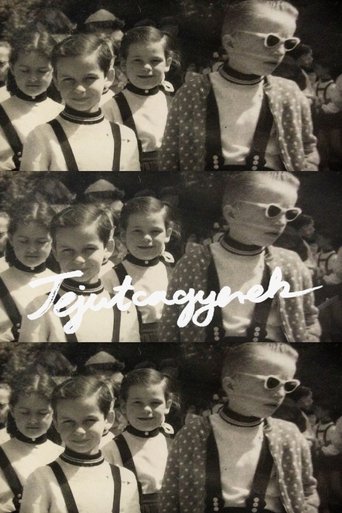
7.0János Baksa-Soós, aka Prince January. A man who influenced those who influenced us. “Sometimes you have to make time for a whole life!” he said. He did, and we explored his incredible life. Starting from Zoltán Kodály, we fly over downtown KEX concerts, dive into the deepest recesses of Berlin punk and end up who knows where. Somewhere in the cosmos.
Tejutcagyerek
2025
Behind the camera
 10.0
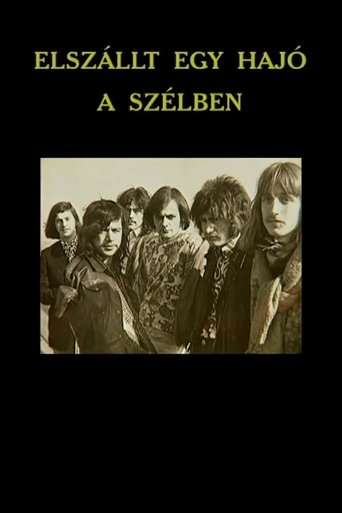
10.0Legends circulate in the public consciousness about Kex, which existed from late 1968 to the autumn of 1971. For baby boomers, it represented freedom and spontaneity. The band rejected the world of Communist cultural policy with its uniqueness and refusal to conform, something in which the best of the artistic intelligentsia and political dissidents saw value. They attended their concerts, and the film recalls their experiences. At times, one feels as if they are watching a spy film parody, as one gains insight into the secret files containing reports from agents embedded within the audience.
Elszállt egy hajó a szélben
1998
10.0Legends circulate in the public consciousness about Kex, which existed from late 1968 to the autumn of 1971. For baby boomers, it represented freedom and spontaneity. The band rejected the world of Communist cultural policy with its uniqueness and refusal to conform, something in which the best of the artistic intelligentsia and political dissidents saw value. They attended their concerts, and the film recalls their experiences. At times, one feels as if they are watching a spy film parody, as one gains insight into the secret files containing reports from agents embedded within the audience.
Elszállt egy hajó a szélben
1998
 NR
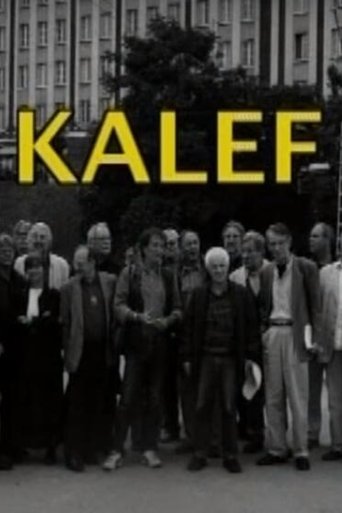
NRThe busiest center of Buda is the Moszkva Square. From the late 50s to '68-69, the young high school and college students who hung out here never uttered the name Moszkva. To them, it was Kalef, referring to Kálmán Széll. Later, they were also called kalefs. These loosely connected 30-40 people were not famous for operating as an organized group, but rather for their crazy love of rock and roll, listening to music, flirting, going to parties, drinking, hitchhiking, especially to Lake Balaton and Poland; yet, already in the early 60s, the Ministry of Internal Affairs noticed them, treated them as enemies, and tried to crack down hard. They did not shy away from using the most humiliating methods, their goal being to smash "Kalef".
Kalef - A Moszkva téri galeri
2008
NRThe busiest center of Buda is the Moszkva Square. From the late 50s to '68-69, the young high school and college students who hung out here never uttered the name Moszkva. To them, it was Kalef, referring to Kálmán Széll. Later, they were also called kalefs. These loosely connected 30-40 people were not famous for operating as an organized group, but rather for their crazy love of rock and roll, listening to music, flirting, going to parties, drinking, hitchhiking, especially to Lake Balaton and Poland; yet, already in the early 60s, the Ministry of Internal Affairs noticed them, treated them as enemies, and tried to crack down hard. They did not shy away from using the most humiliating methods, their goal being to smash "Kalef".
Kalef - A Moszkva téri galeri
2008
 NR
NRHungarian documentary mini-series.
Törvénytelen Muskátli I-III.
1996
Documentary about "silenced" bands in socialist Hungary.
Elhallgatott zenekarok
—