
Directing
Yonesaku Kobayashi
Born — Died
1905-07-15 — 2005-11-06
Place of birth
Kosudo, Japan
Known for
Directing
Credits
7 titles
Known for
 NR
Cameraman Yonesaku Kobayashi (1905-2005) is a pioneer of scientific films of Japan. He and producer Sozo Okada made many scientific educational films, and in 60's - 70's, many avant-garde composers composed music for these films.
The World of Pulses - Electronics and Living Organism
1962
 NR
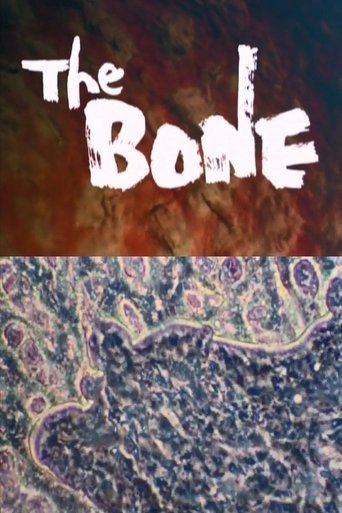
The entire human body is made of cells, and health is maintained through the continuous process of old cells making way for new cells. Bones are no exception. This film looks into how bones are made up of cells, how they are broken up and how they are reformed. What do the cells that are continuously engaged in bone formation and bone resorption do, and how is balance maintained within the body? Color 17 min. (1982) Sponsored by Teijin Pharmaceuticals Co., Ltd. And Fujisawa Pharmaceutical Co., Ltd. (Astellas Pharma Inc.) Produced by Yone Production Inc.
THE BONE
1982
 NR
A medical film that explores the mechanism of bones, which support the body and act as a calcium storehouse to maintain balance within the body.
THE BONE II
1986
 NR
Cameraman Yonesaku Kobayashi (1905-2005) is a pioneer of scientific films of Japan. He and producer Sozo Okada made many scientific educational films, and in 60's - 70's, many avant-garde composers composed music for these films.
Nissho-maru the Tanker
1963
 NR
Cameraman Yonesaku Kobayashi (1905-2005) is a pioneer of scientific films of Japan. He and producer Sozo Okada made many scientific educational films, and in 60's - 70's, many avant-garde composers composed music for these films.
Fibers from the Sun
1963
 NR
The red blood cells that carry oxygen throughout the body have a lifespan of 120 days. The living body continuously produces blood to ensure a plentiful supply of red blood cells. This film accurately records the conversion of stem cells into red blood cells. Conditions such as encounters with various other cells and contact with signals sent by other cells are important for the growth of blood cells, and the erythropoietin is one of these important signals. This signal stimulates the stromal cells to produce the necessary number of red blood cells which are continuously sent into the bloodstream. Scientific supervisor Fumimaro TAKAKU, M.D. Ph.D. (University of Tokyo)
ERYTHROPOIEISIS AND ERYTHROPOIETIN
1989
Behind the camera
NRCameraman Yonesaku Kobayashi (1905-2005) is a pioneer of scientific films of Japan. He and producer Sozo Okada made many scientific educational films, and in 60's - 70's, many avant-garde composers composed music for these films.
The World of Pulses - Electronics and Living Organism
1962
NRThe entire human body is made of cells, and health is maintained through the continuous process of old cells making way for new cells. Bones are no exception. This film looks into how bones are made up of cells, how they are broken up and how they are reformed. What do the cells that are continuously engaged in bone formation and bone resorption do, and how is balance maintained within the body? Color 17 min. (1982) Sponsored by Teijin Pharmaceuticals Co., Ltd. And Fujisawa Pharmaceutical Co., Ltd. (Astellas Pharma Inc.) Produced by Yone Production Inc.
THE BONE
1982
NRA medical film that explores the mechanism of bones, which support the body and act as a calcium storehouse to maintain balance within the body.
THE BONE II
1986
NRCameraman Yonesaku Kobayashi (1905-2005) is a pioneer of scientific films of Japan. He and producer Sozo Okada made many scientific educational films, and in 60's - 70's, many avant-garde composers composed music for these films.
Nissho-maru the Tanker
1963
NRCameraman Yonesaku Kobayashi (1905-2005) is a pioneer of scientific films of Japan. He and producer Sozo Okada made many scientific educational films, and in 60's - 70's, many avant-garde composers composed music for these films.
Fibers from the Sun
1963
NRThe red blood cells that carry oxygen throughout the body have a lifespan of 120 days. The living body continuously produces blood to ensure a plentiful supply of red blood cells. This film accurately records the conversion of stem cells into red blood cells. Conditions such as encounters with various other cells and contact with signals sent by other cells are important for the growth of blood cells, and the erythropoietin is one of these important signals. This signal stimulates the stromal cells to produce the necessary number of red blood cells which are continuously sent into the bloodstream. Scientific supervisor Fumimaro TAKAKU, M.D. Ph.D. (University of Tokyo)
ERYTHROPOIEISIS AND ERYTHROPOIETIN
1989
 NR
Cameraman Yonesaku Kobayashi (1905-2005) is a pioneer of scientific films of Japan. He and producer Sozo Okada made many scientific educational films, and in 60's - 70's, many avant-garde composers composed music for these films.
Selected Lactobacillus Strain Shirota
1965