
Writing
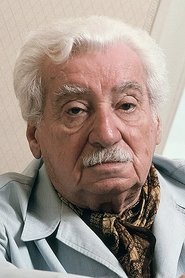
Jorge Amado
Born — Died
1912-08-10 — 2001-08-06
Place of birth
Itabuna, Bahia, Brazil
Known for
Writing
Credits
26 titles
Jorge Leal Amado de Faria (10 August 1912 – 6 August 2001) was a Brazilian writer of the modernist school. He remains the best known of modern Brazilian writers, with his work having been translated into some 49 languages and popularized in film, notably Dona Flor and Her Two Husbands in 1976. His work reflects the image of a Mestiço Brazil and is marked by religious syncretism. He depicted a cheerful and optimistic country that was beset, at the same time, with deep social and economic differences. He occupied the 23rd chair of the Brazilian Academy of Letters from 1961 until his death in 2001. He won the 1984 International Nonino Prize in Italy. He also was Federal Deputy for São Paulo as…
Known for
 8.5
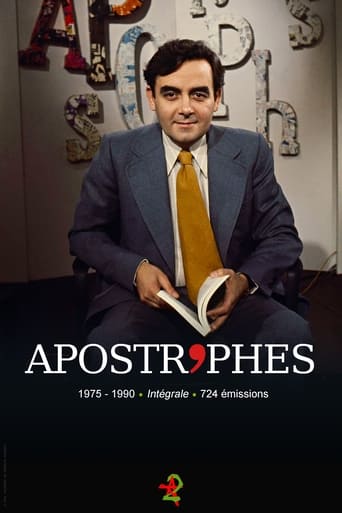
8.5Apostrophes was a live, weekly, literary, prime-time, talk show on French television created and hosted by Bernard Pivot. It ran for fifteen years (724 episodes) from January 10, 1975, to June 22, 1990, and was one of the most watched shows on French television (around 6 million regular viewers). It was broadcast on Friday nights on the channel France 2 (which was called "Antenne 2" from 1975 to 1992). The hourlong show was devoted to books, authors and literature. The format varied between one-on-one interviews with a single author and open discussions between four or five authors.
Apostrophes
1975
 8.0
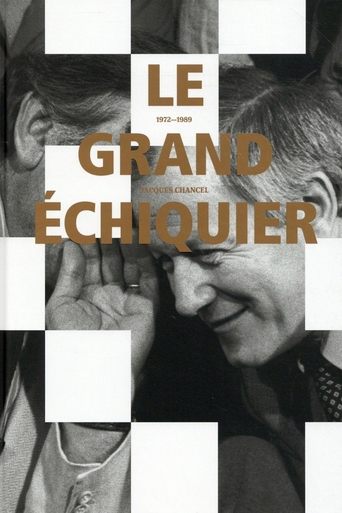
8.0Le Grand Échiquier is a French variety television program created and presented by Jacques Chancel. It aired at 8:30 pm on the first channel of the ORTF from January 12, 1972 to July 12, 1972, then on the second color channel of the ORTF from September 1972 to December 1974, and finally on Antenne 2 from January 1975 to December 21, 1989. The program returned to France 2 on December 20, 2018 and is hosted by Anne-Sophie Lapix.
Le Grand Échiquier
1972
 8.0
8.0No synopsis available yet.
Zona+
1994
 NR
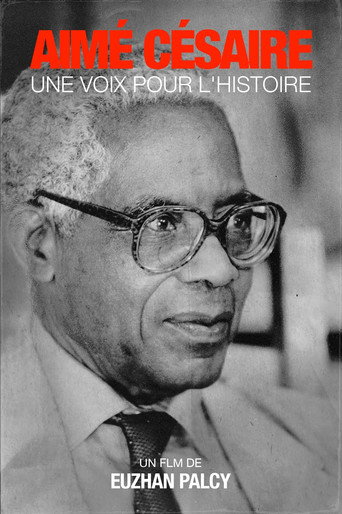
NRA three-part study that introduces audiences to the celebrated Martinican author Aimé Césaire, who coined the term "négritude" and launched the movement called the "Great Black Cry".
Aimé Césaire: A Voice for History
1995
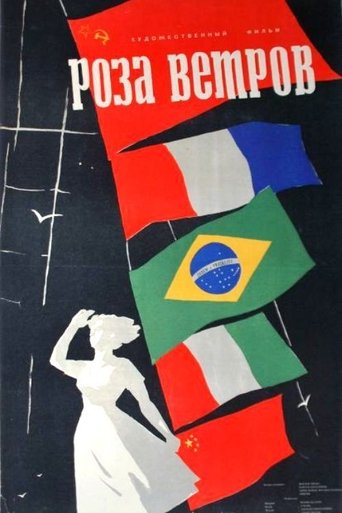 6.0
6.0An international anthology about the struggles of female workers around the world.
The Wind Rose
1957
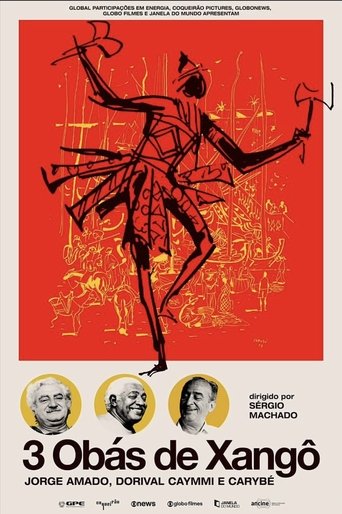 NR
NRThe friendship between Jorge Amado, Dorival Caymmi, and Carybé, artists who were largely responsible for creating an image of the culture of Bahia that persists to this day, and who believed that the strength of their work lay in documenting what they saw on the streets.
3 Obás de Xangô
2025
Film credits
2020s · 4 titles
NRThe friendship between Jorge Amado, Dorival Caymmi, and Carybé, artists who were largely responsible for creating an image of the culture of Bahia that persists to this day, and who believed that the strength of their work lay in documenting what they saw on the streets.
3 Obás de Xangô
2025
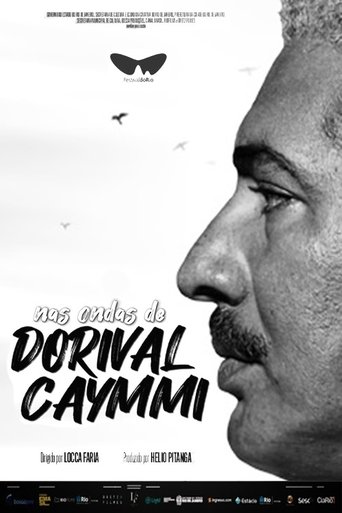 NR
NRThe film reveals the creation of poet Dorival Caymmi's musical works with testimonies from researchers, journalists and friends who lived with him and were able to enjoy his wisdom and talent.
Nas Ondas de Dorival Caymmi
2024
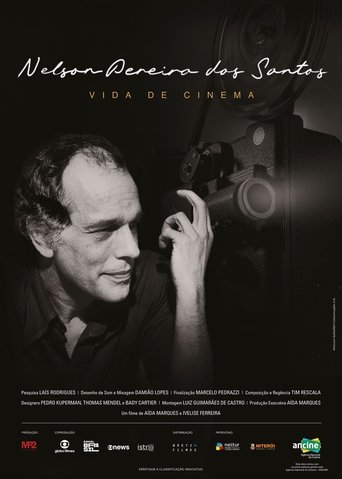 7.0
7.0For six decades, the cinema of Nelson Pereira dos Santos has projected Brazil into the eyes of the world. Precursor of Cinema Novo, Nelson was, more than a director, he was an ideologue, a thinker of his country.
Nelson Pereira dos Santos – A Life of Cinema
2023
 NR
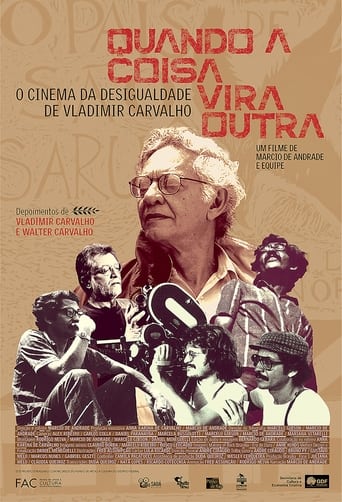
NRVladimir Carvalho's Cinema of Inequality marked the documentary filmmaker's trajectory over decades of activity. Considered one of the most important Brazilian documentary filmmakers in activity, his images influenced the emergence of Cinema Novo and the new Brazilian documentary years later. Quando a Coisa Vira Outra covers the most important films made by Vladimir, revealing where ideas come from to show the true reality of a country.
Quando a Coisa Vira Outra
2022

1990s · 7 titles
 10.0
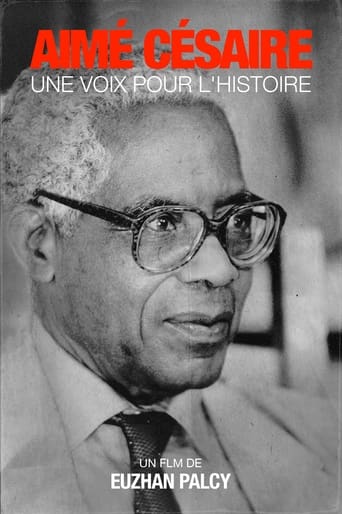
10.0A three-part study that introduces audiences to the celebrated Martinican author Aimé Césaire, who coined the term "négritude" and launched the movement called the "Great Black Cry".
Aimé Césaire: A Voice for History
1995
 6.7
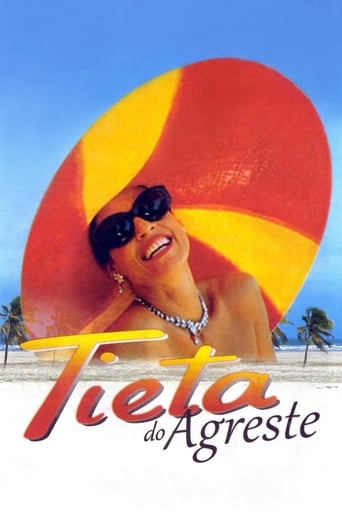
6.7After being exiled for 26 years, Tieta returns to her native village in Bahia, bringing chaos and upheaving the local order.
Tieta of Agreste
1996
 7.0
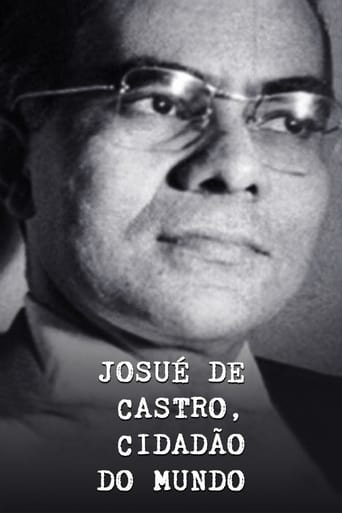
7.0No synopsis available yet.
Josué de Castro, Cidadão do Mundo
1994
 NR
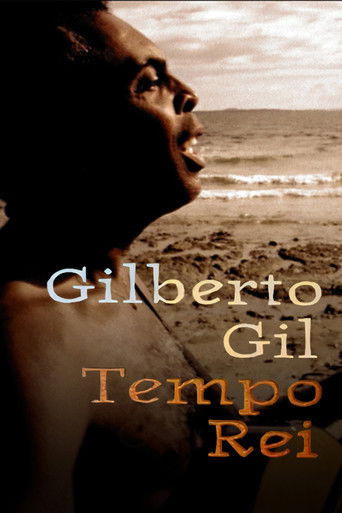
NRTempo Rei is the first audiovisual record of Gilberto Gil's vast work, celebrating the artist's thirty-year career, celebrated in 1996. Gil recalls his artistic trajectory, recalls striking facts and reveals some intimacies. Completely filmed on film, it includes great successes of the artist like Madalena, Cores Vivas, Vamos Fugir, Procissão and Expresso 2222.
Gilberto Gil: Tempo Rei
1996
 9.0
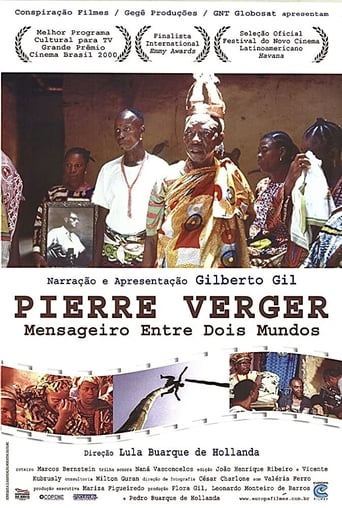
9.0Inspired by the life of the french-born photographer and ethnographer, Pierre Verger, the movie follows his journey between Bahia, Brazil and Benin, Oriental Africa, showing places and people he met and his life study project: the Candomblé culture.
Pierre Fatumbi Verger: Messenger Between Two Worlds
1998
 10.0
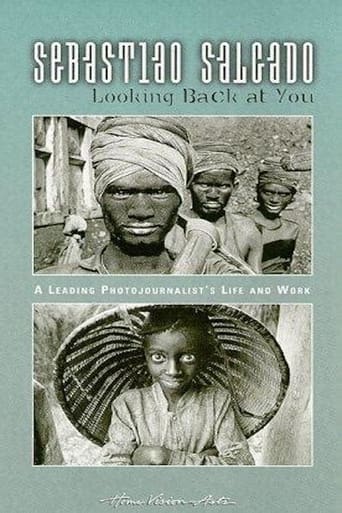
10.0Looks at the work of Brazilian photojournalist Sebastiao Salgado (b.1944). In his monumental photo-essay, Workers, Salgado’s dominant theme is the displacement of manual labor by technological advances. He documents the effects of this new industrial revolution on laborers in Eastern Europe, Cuba, Gdansk, Brazil, India, Sicily, and Bangladesh. Includes archival footage of Salgado’s life and commentary by artists, photographers, critics, and writers such as Jorge Armado, Robert Delpire, Jimmy Fox, and Arthur Miller.
Looking Back at You
1993
No synopsis available yet.
Jorge Amado
1996
1980s · 3 titles
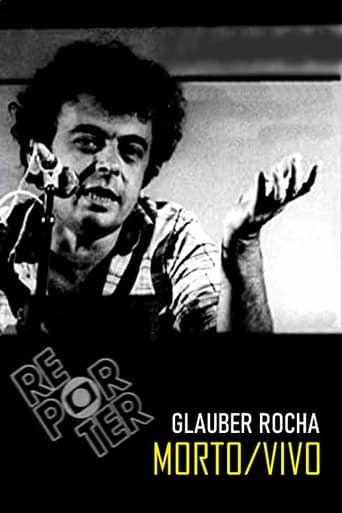

1970s · 3 titles
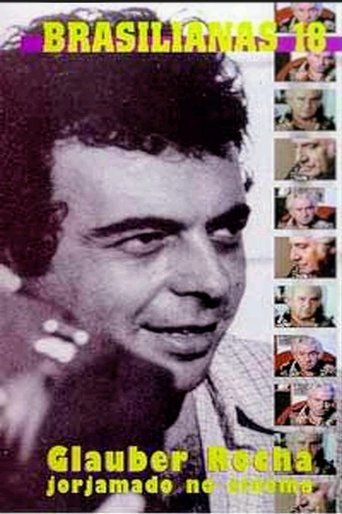 7.3
7.3Jorge Amado no Cinema was made for a television program dedicated to the writer Jorge Amado. In this documentary, Jorge Amado is filmed in his home, surrounded by his large family; in a bookstore, during an autograph session of one of his books, in a cinema in Salvador, at the avant-première of the film Tenda dos Milagres, by Nelson Pereira dos Santos, an adaptation of the book of the same name by Jorge Amado. Glauber films his friend with a lot of humor and affection. The camera evolves slowly, incessantly and quickly over the writer, his family members, actors and actresses from Nelson's film, in addition to passing through objects of candomblé rituals that make up Jorge Amado's museum.
Jorge Amado no Cinema
1979
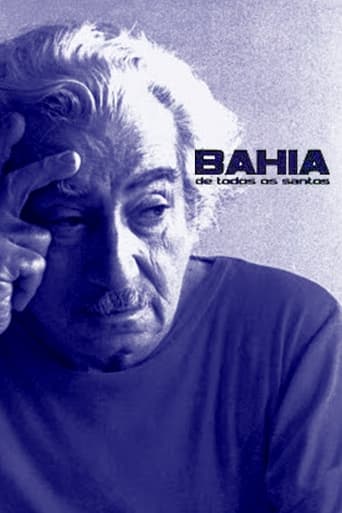 NR
NRNo synopsis available yet.
Bahia de Todos os Santos
1974
Brazilan writer Jorge Amado and his everyday life.
Na Casa de Rio Vermelho
1974
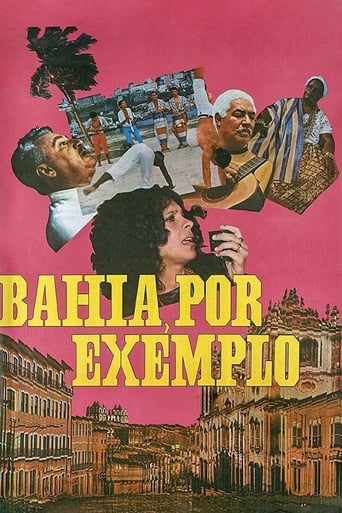
Series credits
8.5Apostrophes was a live, weekly, literary, prime-time, talk show on French television created and hosted by Bernard Pivot. It ran for fifteen years (724 episodes) from January 10, 1975, to June 22, 1990, and was one of the most watched shows on French television (around 6 million regular viewers). It was broadcast on Friday nights on the channel France 2 (which was called "Antenne 2" from 1975 to 1992). The hourlong show was devoted to books, authors and literature. The format varied between one-on-one interviews with a single author and open discussions between four or five authors.
Apostrophes
1975
8.0Le Grand Échiquier is a French variety television program created and presented by Jacques Chancel. It aired at 8:30 pm on the first channel of the ORTF from January 12, 1972 to July 12, 1972, then on the second color channel of the ORTF from September 1972 to December 1974, and finally on Antenne 2 from January 1975 to December 21, 1989. The program returned to France 2 on December 20, 2018 and is hosted by Anne-Sophie Lapix.
Le Grand Échiquier
1972
8.0No synopsis available yet.
Zona+
1994
NRA three-part study that introduces audiences to the celebrated Martinican author Aimé Césaire, who coined the term "négritude" and launched the movement called the "Great Black Cry".
Aimé Césaire: A Voice for History
1995
Behind the camera
6.0An international anthology about the struggles of female workers around the world.
The Wind Rose
1957
 6.2
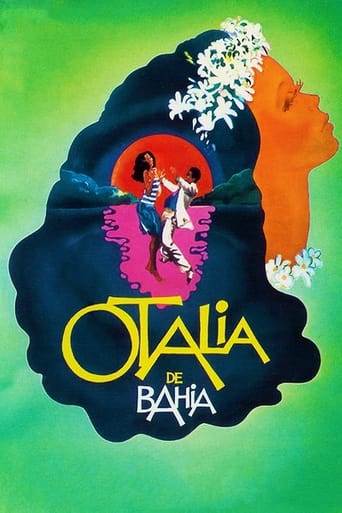
6.2The adventures of Otalia, a strangely innocent young Brazilian prostitute who has just arrived in Salvador, Bahia. Though her belongings are stolen from her shortly after arrival, Otalia swiftly meets up with a group of charming and helpful friends.
Bahia
1976