
Directing
Alister Barry
Known for
Directing
Credits
21 titles
Known for
 NR
Steve Guttenberg portrays Pecos Bill, the "King of the Cowboys," in this rootin' tootin' epic. Raised by coyotes, Bill puts the "wild" in the Wild West settlement of Petunia City. When his rowdy behavior gets him run out of town, he heads for Mexico. There, Bill lassos a cyclone to save the state of Texas from drought. His heroics become campfire legend, proving that selflessness and bravery are never forgotten.
Pecos Bill
1986
 NR
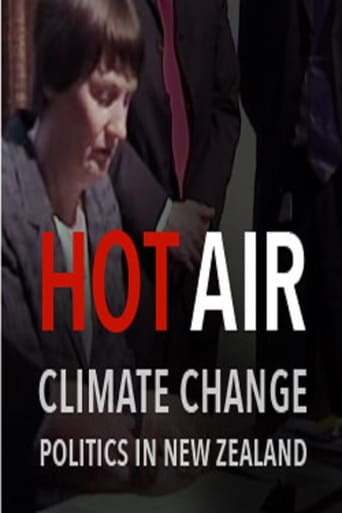
In the years since New Zealand politicians began to grapple with climate change our greenhouse gas emissions have burgeoned. Alister Barry’s doco draws on TV archives and interviews with key participants to find out why.
Hot Air
2014
 NR
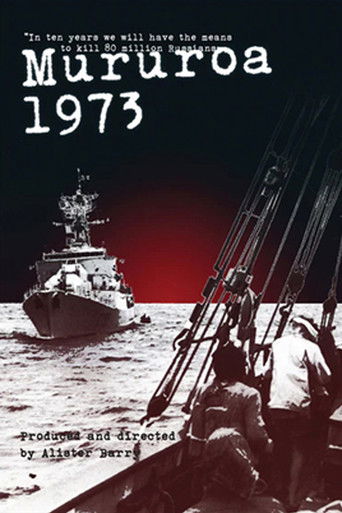
In 1973 Alister Barry joined the crew of a protest boat (The Fri) to Mururoa Atoll, where the French Government were testing nuclear weapons. Barry records the assembly of the crew, the long journey from Northland, and their reception in the test zone; when The Fri was boarded and impounded by French military he had to hide his camera in a barrel of oranges.
Mururoa 1973
1973
 10.0
The 'stolen' insider emails that informed Nicky Hager's best-selling account of National's 2005 election campaign return in Alister Barry's (Someone Else's Country) new film - just in time to caution us against campaigning politicians in 2008. Addressing each other like schoolboy Machiavellis, party leader Don Brash and his advisors spelled out how they'd copy the big boys in Australia and the US in order to win the votes of people who'd never support the kind of policies such men are widely presumed to represent. The dividing and conquering began at Orewa.
The Hollow Men
2008
 NR
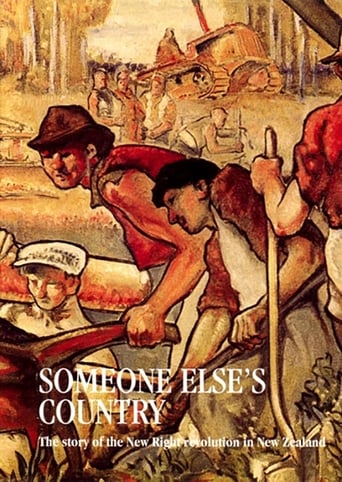
Someone Else’s Country looks critically at the radical economic changes implemented by the 1984 Labour Government - where privatisation of state assets was part of a wider agenda that sought to remake New Zealand as a model free market state. The trickle-down ‘Rogernomics’ rhetoric warned of no gain without pain, and here the theory is counterpointed by the social effects (redundant workers, Post Office closures). Made by Alister Barry in 1996 when the effects were raw, the film draws extensively on archive footage and interviews with key “witnesses to history”.
Someone Else's Country
1996
 NR
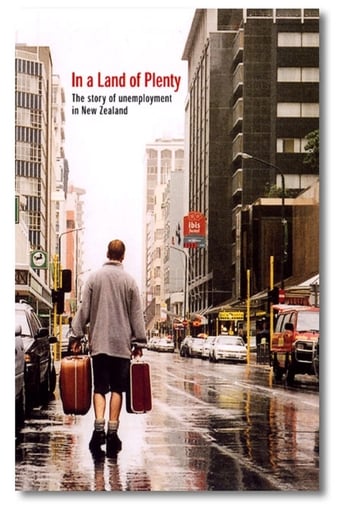
The story of unemployment in New Zealand and In A Land of Plenty is an exploration of just that; it takes as its starting point the consensus from The Depression onwards that Godzone economic policy should focus on achieving full employment, and explores how this was radically shifted by the 1984 Labour government. Director Alister Barry's perspective is clear, as he trains a humanist lens on ‘Rogernomics' to argue for the policy's negative effects on society, as a new poverty-stricken underclass developed.
In a Land of Plenty
2002
Film credits
Behind the camera
NRSteve Guttenberg portrays Pecos Bill, the "King of the Cowboys," in this rootin' tootin' epic. Raised by coyotes, Bill puts the "wild" in the Wild West settlement of Petunia City. When his rowdy behavior gets him run out of town, he heads for Mexico. There, Bill lassos a cyclone to save the state of Texas from drought. His heroics become campfire legend, proving that selflessness and bravery are never forgotten.
Pecos Bill
1986
NRIn the years since New Zealand politicians began to grapple with climate change our greenhouse gas emissions have burgeoned. Alister Barry’s doco draws on TV archives and interviews with key participants to find out why.
Hot Air
2014
NRIn the years since New Zealand politicians began to grapple with climate change our greenhouse gas emissions have burgeoned. Alister Barry’s doco draws on TV archives and interviews with key participants to find out why.
Hot Air
2014
NRIn 1973 Alister Barry joined the crew of a protest boat (The Fri) to Mururoa Atoll, where the French Government were testing nuclear weapons. Barry records the assembly of the crew, the long journey from Northland, and their reception in the test zone; when The Fri was boarded and impounded by French military he had to hide his camera in a barrel of oranges.
Mururoa 1973
1973
10.0The 'stolen' insider emails that informed Nicky Hager's best-selling account of National's 2005 election campaign return in Alister Barry's (Someone Else's Country) new film - just in time to caution us against campaigning politicians in 2008. Addressing each other like schoolboy Machiavellis, party leader Don Brash and his advisors spelled out how they'd copy the big boys in Australia and the US in order to win the votes of people who'd never support the kind of policies such men are widely presumed to represent. The dividing and conquering began at Orewa.
The Hollow Men
2008
NRSomeone Else’s Country looks critically at the radical economic changes implemented by the 1984 Labour Government - where privatisation of state assets was part of a wider agenda that sought to remake New Zealand as a model free market state. The trickle-down ‘Rogernomics’ rhetoric warned of no gain without pain, and here the theory is counterpointed by the social effects (redundant workers, Post Office closures). Made by Alister Barry in 1996 when the effects were raw, the film draws extensively on archive footage and interviews with key “witnesses to history”.
Someone Else's Country
1996
NRThe story of unemployment in New Zealand and In A Land of Plenty is an exploration of just that; it takes as its starting point the consensus from The Depression onwards that Godzone economic policy should focus on achieving full employment, and explores how this was radically shifted by the 1984 Labour government. Director Alister Barry's perspective is clear, as he trains a humanist lens on ‘Rogernomics' to argue for the policy's negative effects on society, as a new poverty-stricken underclass developed.
In a Land of Plenty
2002
 NR
Delegates and workers discuss the issues that effect the Timberworkers’ Union, the reasons for the formation of the Combined Council of Timber Workers Delegates (CCD) and their industrial action.
Wildcat: The Struggle for Democracy in the New Zealand Timberworkers' Union
1981
NRDelegates and workers discuss the issues that effect the Timberworkers’ Union, the reasons for the formation of the Combined Council of Timber Workers Delegates (CCD) and their industrial action.
Wildcat: The Struggle for Democracy in the New Zealand Timberworkers' Union
1981
NRDelegates and workers discuss the issues that effect the Timberworkers’ Union, the reasons for the formation of the Combined Council of Timber Workers Delegates (CCD) and their industrial action.
Wildcat: The Struggle for Democracy in the New Zealand Timberworkers' Union
1981
 NR
A documentary exploring the battle over public education in New Zealand from the 1980s through the 1990s
A Civilised Society
2007
 NR
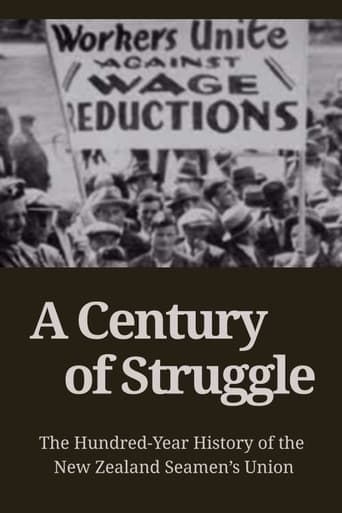
A Century of Struggle chronicles the hundred-year history of the NZ Seamen’s Union from its formation in 1879. Using original film and archive footage, it examines the working lives of seamen and the battles fought by their union from the sailing ships of colonial days to the modern turbine-powered container vessels. Because the Seamen’s Union was frequently at the forefront of working-class struggle in New Zealand, its story involves most of the crucial issues and events in the history of the union movement generally, including the great maritime strikes of 1890 and 1913 and the waterfront dispute of 1951.
A Century of Struggle
1981
 NR
This documentary travels to nine Pacific nations, including New Zealand, to chronicle the long struggle to create a regional nuclear arms free zone.
A Nuclear Free Pacific (Niuklia Fri Pasifik)
1988
 NR
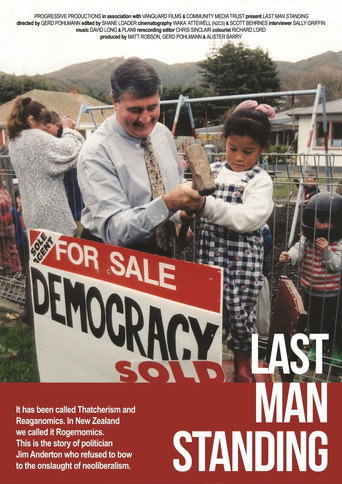
Gerd Pohlmann offers a timely doc tribute to politician Jim Anderton as a long-haul fighter for Labour’s welfare-based values, against a wave of neoliberal deregulation that fundamentally changed New Zealand politics.
Last Man Standing
2026
Don Brash stepped down as leader of the National Party in November 2006, the day before the release of investigative journalist, Nicky Hager's book ‘The Hollow Men’. Award-winning documentary maker Alister Barry (‘Someone Else's Country’, ‘In a Land of Plenty’) brings this exposé of behind-the-scenes politics in an all-too-real political thriller. Based on thousands of confidential emails, reports and memos written by Bash and his closest advisers, ‘The Hollow Men’ is an extraordinary story of unprincipled and anti-democratic politics.
The Hollow Men
—