
Acting
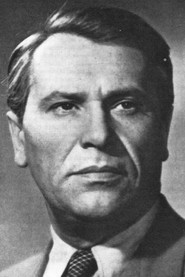
Mark Bernes
Born — Died
1911-10-07 — 1969-08-16
Place of birth
Nezhin, Chernigovskaya guberniya, Russian Empire
Known for
Acting
Credits
38 titles
Known for
 8.5
8.5No synopsis available yet.
When Idols Were Gone
2005
 3.9
3.9The film tells the story of those who took part in the Battle of Stalingrad in 1942, which became a turning point in the Great Patriotic War. For five months, the city resisted the Nazi offensive. Surrendering Stalingrad to the enemy would have meant losing the war, but holding on to the city seemed almost impossible.
The Turning Point
1945
 8.0
8.0This is a dramatic story of the restoration of the mines after the liberation of Donbass from the Nazis during the Second World War.
A Great Life, Part 2
1946
 5.2
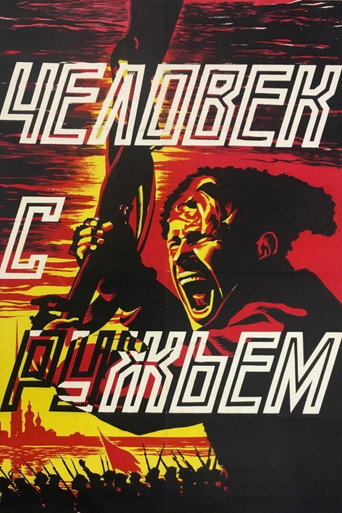
5.2The story of the Bolshevik revolution through the eyes of a peasant who, as a soldier, gets caught up in the proceedings under the tutelage of Lenin.
The Man with the Gun
1938
 4.3
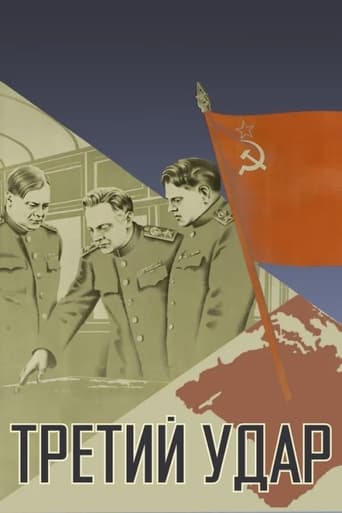
4.3On April 1944, Joseph Stalin orders the Red Army to liberate the Crimea from the German occupiers. The Wehrmacht's local commanders beg Hitler to allow them to retreat from the vulnerable position, but he refuses. After a fierce battle, the Soviet forces destroy the German and Romanian units defending the peninsula and retake Sevastopol.
The Third Blow
1948
 5.4
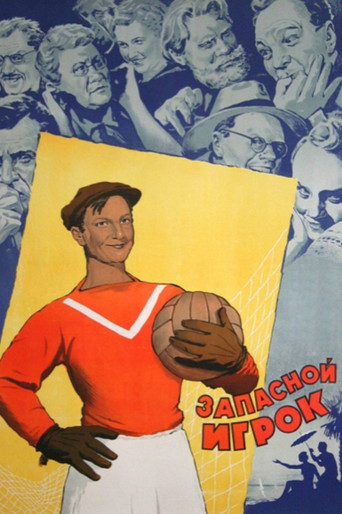
5.4Comedy about brothers Vesnushkin, Sasha and Vasya, who are playing for one team in a National Soccer Competition. However, Sasha falls in love with a beautiful girl and loses his confidence just before the final game, so his brother has to take the lead on the field in order to save the game.
The Boys from Leningrad
1954
Film credits

1960s · 6 titles
 7.5
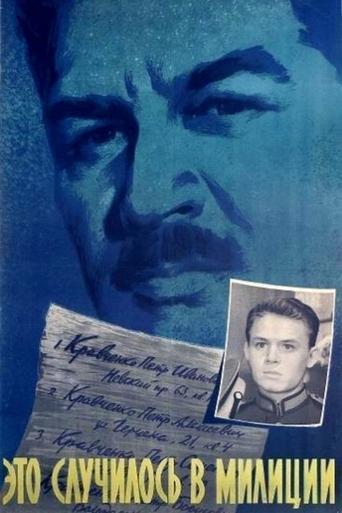
7.5A story about police detectives working on reuniting children and parents who got separated by WWII. Based on Izrail Metter stories.
It Happened at the Police Station
1963
 6.4
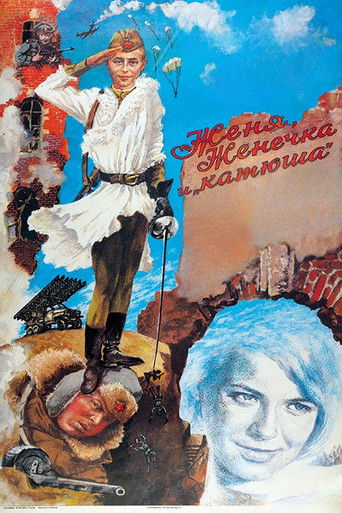
6.4War, 1944. Soldier Zhenya Kolyshkin, a fragile intellectual from Arbat, sets out on New Year's Eve to collect a parcel, but stumbles upon a German dugout. He manages to escape, but guard duty is inevitable. Zhenya's predicament is brightened by Zhenechka, a communications officer in the Katyusha regiment.
Eugene, Little Eugene and Katyusha
1967
 6.0
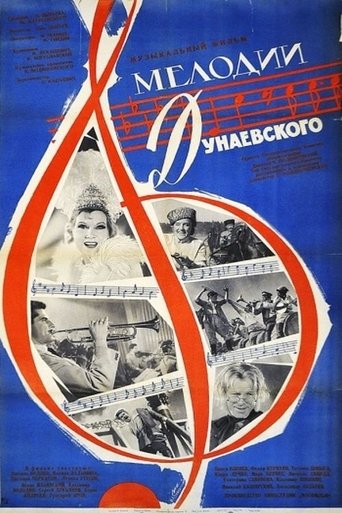
6.0The film uses fragments of feature films and materials of the Gosfilmofond of the Russian Federation. In addition to the actors listed above, the following actors tell about the composer: directors Grigory Alexandrov and Ivan Pyriev, songwriters Mikhail Matusovsky and Vasily Lebedev-Kumach.
Мелодии Дунаевского
1963
 9.0
9.0TV movie based on the essay by M. Gorky "VI Lenin". In the winter evening of 1920 VI Lenin (Boris Smirnov) met at the apartment of E.P.Peshkova with A.M.Gorky. In the "burzhuika" smoking raw wood. It's cold. And the two thinkers have a heartfelt conversation about the future of Russia. Lenin seems to continue his argument with H.G. Wells. He talks about the role of the artist in the life of society, about his place in the struggle for the future. Gorky is visited by pianist Isaiah Dobrovein. Lenin listens to his performance of Chopin, and then Beethoven's "Appassionata"; he is captivated by the power of Beethoven's genius. An automobile rushes through the night Moscow. Lenin is in the car. Beethoven's music is sounding. On the screen is the Kremlin. The banner of the revolution is splashing over the building of the Supreme Soviet of the USSR.
Appassionata
1963
 NR
NRThe brightest stars of Soviet cinema and pop music on New Year's Eve 1966 for reasons beyond their control found themselves in the forest. The actors do not suspect that they are trapped, they are being hunted and traps are set.
Сказки русского леса
1967
 9.0
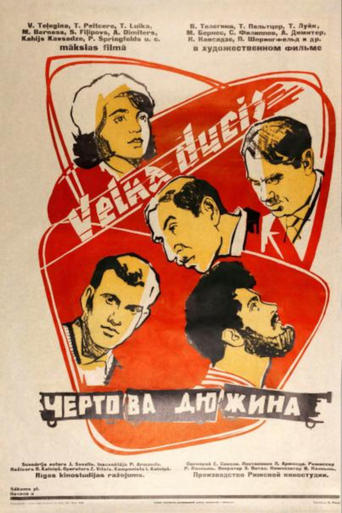
9.0One of the passengers went into labor. The doctor, who had previously talked a lot about humane treatment of people, turned out to be a terrible bitch and refused to participate in the delivery. The conductors and passengers took charge. Even the train drivers took part in this joyful event.
Velna ducis
1961
1950s · 15 titles
5.4Comedy about brothers Vesnushkin, Sasha and Vasya, who are playing for one team in a National Soccer Competition. However, Sasha falls in love with a beautiful girl and loses his confidence just before the final game, so his brother has to take the lead on the field in order to save the game.
The Boys from Leningrad
1954
 8.0
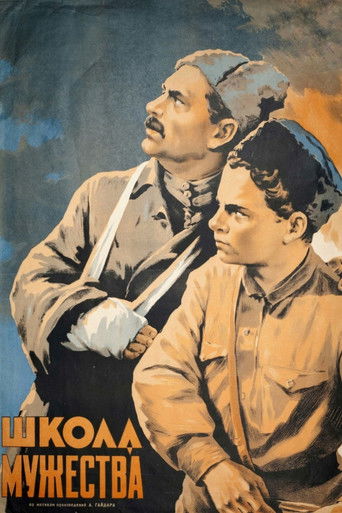
8.0The film centers on the fate of a provincial guy who became a participant in revolutionary events and the civil war.
Courage School
1954
 6.1
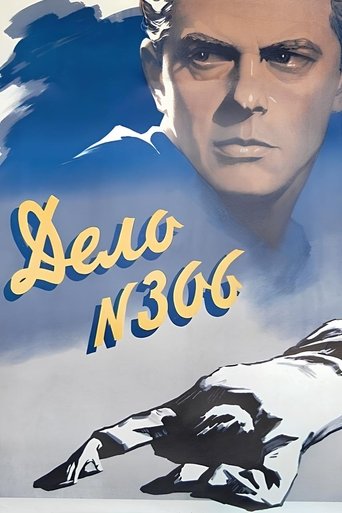
6.1While investigating a regular traffic accidents detectives find evidence of foreign intelligence involvement.
Case No. 306
1956
 7.0
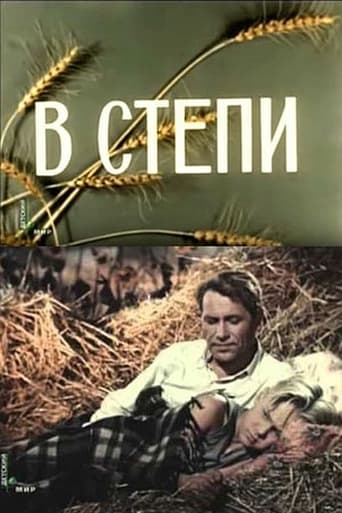
7.0Pioneer Seryozha Emelyanov, who had never been to the steppe before, comes with his father, a chauffeur, for the harvest. The boy's preconceived ideas about farm life being terribly boring, change into love for nature.
On the Steppe
1951
 8.5
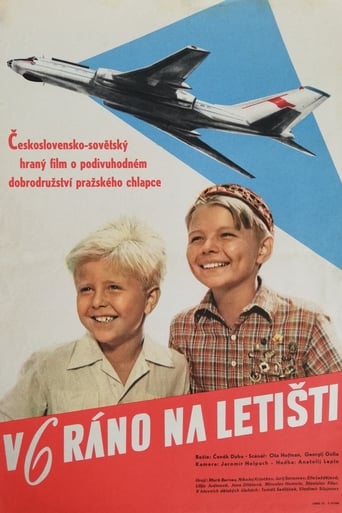
8.5The nine-year-old Prague boy Pepiček flies to Moscow as an involuntary stowaway on an airplane. Together with the Soviet pioneer Mischa, he pursues an alleged agent in the hustle and bustle of the World Festival and is flown back to Prague in the evening.
Six O'Clock at the Airport
1958
 7.0
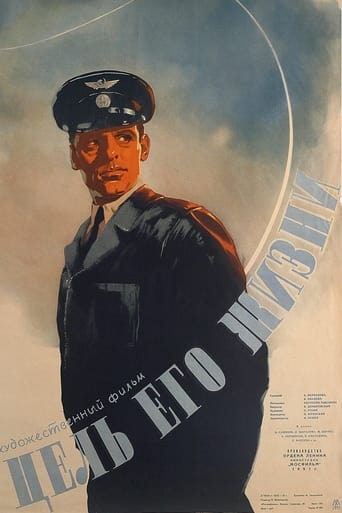
7.0Alexei Kostrov goes a difficult way through luck and defeat to the cherished goal - to become a test pilot.
The Purpose of His Life
1958
 6.5
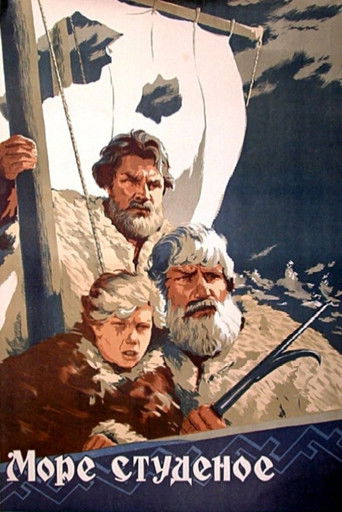
6.5Several commercial fishermen were attacked by sea pirates and were forced to spend more than one year on a desert island. Many considered them dead - but almost all of them managed to survive ...
The Frigid Sea
1955
 8.5
8.5A story about a group of children spending their summer vacation in the village.
Lights on the River
1953
 8.0
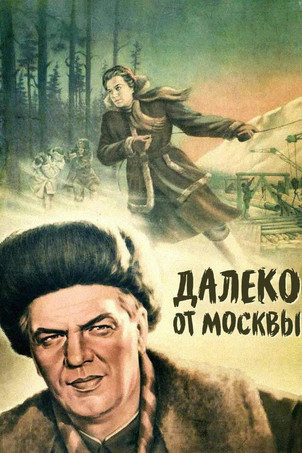
8.0The major oil pipeline construction is going on under heavy bombings by the Nazi Air-Force. The construction workers must work under dangerous conditions around-the-clock in order to deliver oil to the Armies on the front-line. The construction manager Batmanov resolves many problems.
Far from Moscow
1950
 NR
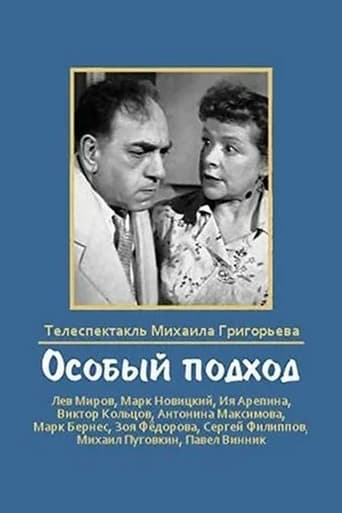
NRA musical movie about an uncompromising struggle against the construction of a new road through a beautiful orchard located on the territory of a kindergarten. The heroes of the movie are on opposite sides of the barricades in the battle against rampant bureaucracy for the rights of children.
Special Approach
1959
 NR
NRDocumentary essay about the First Moscow International Film Festival, held in August 1959, about its participants and guests - Soviet and foreign actors, directors who came to the film forum.
Stars Meet in Moscow
1959
 4.8
4.8Growing up in a Ukrainian peasant family, knowing all hardships of serf life, young artist and poet Taras Shevchenko in the years of study clearly identifies the meaning of true art, which is to serve the interests of the people. The poems of Shevchenko are imbued with love for the common people. Fiery freedom-loving creativity of Taras Shevchenko is known throughout Russia. Nicholas I exiles the poet to the distant Caspian fort where he is to serve as an ordinary soldier and is banned from writing or drawing. In the poet's difficult days he has the support of Ukrainian soldier Skobelev, Polish revolutionary Sierakowski, captain Kosarev and the commandant of the fortress, Uskov. For the sake of his release Chernyshevsky and Dobrolyubov are hard at work. And so, the sick and aged Shevchenko is finally free. Together with Chernyshevsky and Dobrolyubov, he dreams of a bright future of the motherland, when the Russian and Ukrainian peoples throw off the chains of slavery.
Taras Shevchenko
1951
 5.8
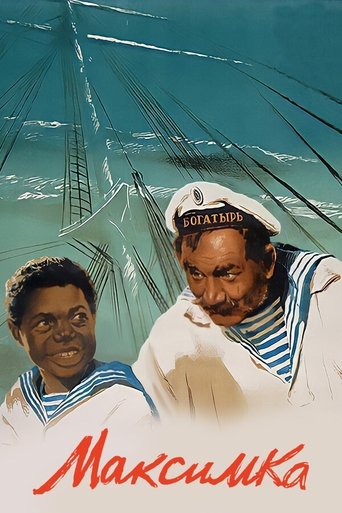
5.8A black child rescued from by Russian sailors, whom they name Maksimka, having overcome his fear of white people, turns out to be an unusually smart and kind little boy. The rude drunken sailor Ivan Luchkin was especially attached to the boy. Once it was Maksimka who managed to save Luchkin from foreign recruiters of labor. For resourcefulness and courage, the young hero is enlisted in the team of the corvette and becomes the cabin boy of the Russian fleet.
Maximka
1952
 6.5
6.5The accountant of the commodity base discovers a small mistake in the documents, as told by the manager of the base. That night, someone hacked and robbed a safe with accounting documents, and committed the killing of an accountant. The case for the search for criminals was entrusted to police commissioner Krechetov and lieutenant Kasyanov.
Night Guard
1957
 6.7
6.71918. Anxious in Petrograd. Increasingly compressed around the revolutionary city of the enemy ring. Go to the front working shelves. The struggle against the enemies of Soviet power is not only on the outskirts of the city, but also in the rear. In this harsh and difficult time for the revolution by the will of the Bolshevik party on the outskirts of the workers created Komsomol organizations. The first to join the young Communist League, young workers — Stepan Barabash, Alexander Chizhik, Glasha, Kuzma. After some hesitation and deliberation, members of the Komsomol be a peasant boy, Theodore, who came from a remote village to work in Peter and the schoolboy Zhenya Gorovskoe. In the days of intense fighting young patriots together with the troops of the working guard sent to defend Petrograd
They Were the First
1956
1940s · 10 titles
3.9The film tells the story of those who took part in the Battle of Stalingrad in 1942, which became a turning point in the Great Patriotic War. For five months, the city resisted the Nazi offensive. Surrendering Stalingrad to the enemy would have meant losing the war, but holding on to the city seemed almost impossible.
The Turning Point
1945
8.0This is a dramatic story of the restoration of the mines after the liberation of Donbass from the Nazis during the Second World War.
A Great Life, Part 2
1946
4.3On April 1944, Joseph Stalin orders the Red Army to liberate the Crimea from the German occupiers. The Wehrmacht's local commanders beg Hitler to allow them to retreat from the vulnerable position, but he refuses. After a fierce battle, the Soviet forces destroy the German and Romanian units defending the peninsula and retake Sevastopol.
The Third Blow
1948
 8.5
8.5No synopsis available yet.
Crime and Punishment
1940
 NR
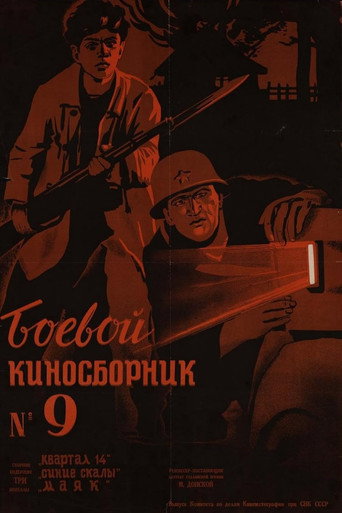
NRFighting Film Collection No. 9 (Boyevoy kinosbornik No. 9) is the ninth issue of Boyevoy kinosbornik series, released in May 1942. It contains three segments: "Kvartal No.14/Block 14" (Savchenko), "Siniye skaly/The Blue Cliff" (or "Blue Crags") (Braun) and "Mayak/The Signal" (or "Beacon") (Donskoy).
Fighting Film Collection No. 9
1942
 6.0
6.0A story about the friendship between two young men, two soldiers - Arkady from Odessa and Sasha from Ural.
Two Soldiers
1943
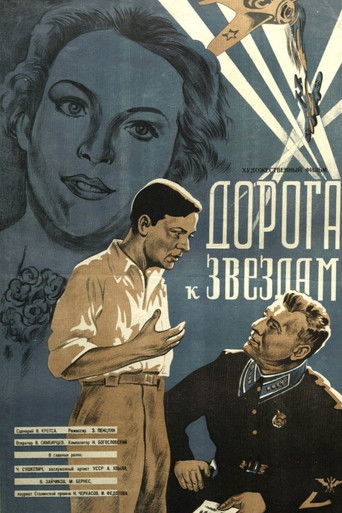 NR
NRNo synopsis available yet.
Road to the Stars
1943
Russian film album for the war
Collection of Films for the Armed Forces #8
1942
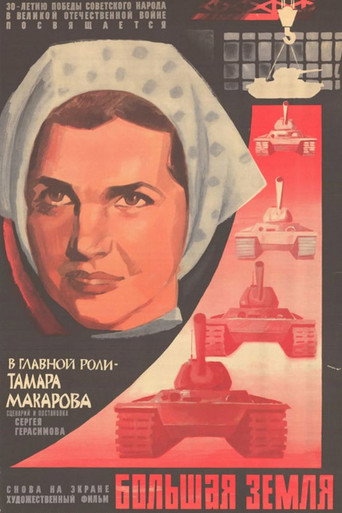 6.5
6.5August 1941. Residents of the Ural town escorted to the front of men. Left alone, women take on the most difficult cases, showing outstanding organizational skills and will. Together with the evacuated plant, refugees arrive in the town. The heroine of the Film Anna takes to her house a woman with children — her example is followed by the rest…
The Ural Front
1944
No synopsis available yet.
Последняя очередь
1941
1930s · 5 titles
5.2The story of the Bolshevik revolution through the eyes of a peasant who, as a soldier, gets caught up in the proceedings under the tutelage of Lenin.
The Man with the Gun
1938
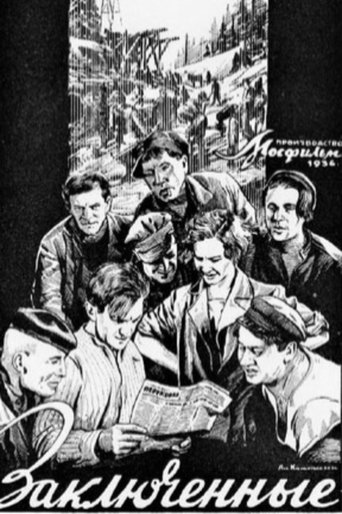 10.0
10.0In northward far camp NKVD arrives echelon with the group of prisoners. Among them there are an engineer Sadovskiy and inveterate criminal Kostya, that quickly becomes the ringleader of barrack and forbids to all the appearances at work. The officials of cheka begin a persistent and tactful fight for the change of these people.
Convicts
1936
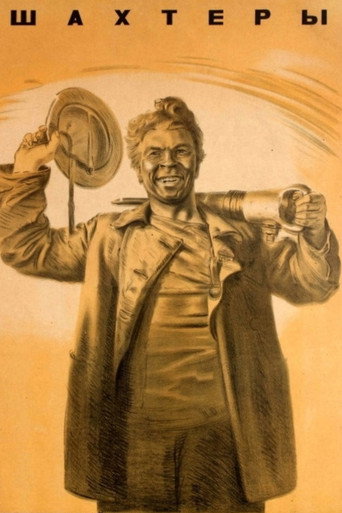 7.5
7.5Semyon Primak, in the direction of the regional committee, arrives in one of the small towns of Donbas and immediately enters into battle with the chief of the mine, Chub, who, in a situation of continuous assault, plays into the hands of the Trotskyites and bandits operating in the mine. Having received moral support from the new secretary, the best 'udarnik', shockworker Matvey Bobylev implements a new method of coal mining and, contrary to the intentions of the enemy group, finds a wide response among the miners of Donbas.
The Miners
1937
 3.0
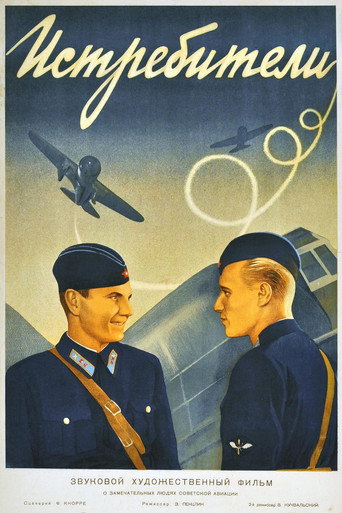
3.0Fighter pilots Sergei and Nikolai test new planes together and try to beat each other in everything. Their rivalry began back in school, when both were passionate about the pretty classmate Varey. A tragic accident led Sergei to complete blindness. Varya, who has long loved him, has a difficult decision: to become a wife of a disabled person.
Fighters
1939
 4.1
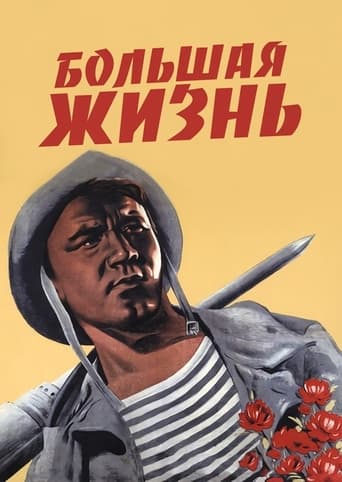
4.1The film tells about the struggle of the Donbas miners in Ukrainian SSR with saboteurs.
A Great Life
1939