
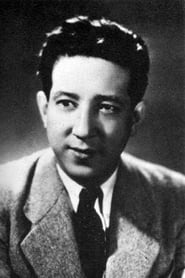
Acting
Ureo Egawa
Born — Died
1902-05-07 — 1970-05-20
Place of birth
Yokohama, Kanagawa, Japan
Known for
Acting
Credits
61 titles
Known for
 8.0
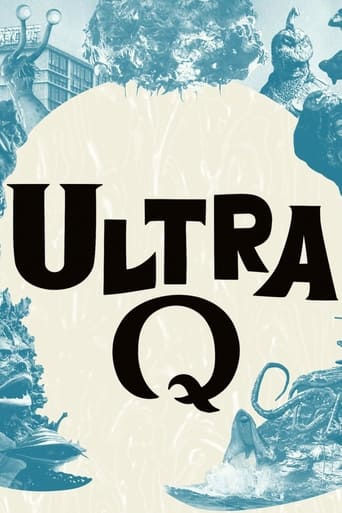
8.0As supernatural events and monster attacks rock Japan, the military and government look to be overwhelmed. Three intrepid young investigators—two pilots and a reporter—take it upon themselves to study these unexplained phenomena in order to inform and protect the public.
Ultra Q
1966
 7.4
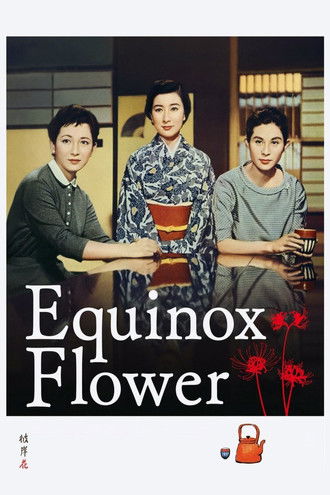
7.4Wataru's outwardly liberal views on marriage are severely tested when his daughter declares her love for a coworker and is adamant to live her own way, instead of agreeing to an arranged marriage. Outwitted by his female relatives, Hirayama stubbornly refuses to admit defeat.
Equinox Flower
1958
 NR
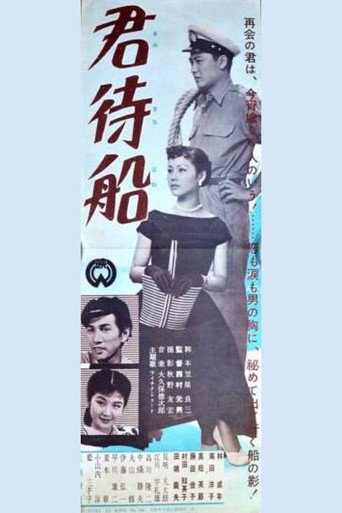
NRNo synopsis available yet.
Kimi machifune
1954
 8.0
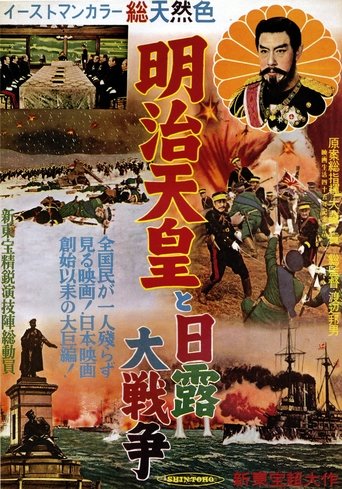
8.0Meiji Tenno portrays the buildup to the Russo-Japan War. In addition to showing the political events that led to war, it also shows the era from the story of a farm family in rural Japan that sends their son off to war. As such, it could be considered an anti-war movie, showing how, while war is devised by governments, the people do not really understand what war is, and its combatants often do not know what they are fighting for.
Emperor Meiji and the Great Russo-Japanese War
1957
 NR
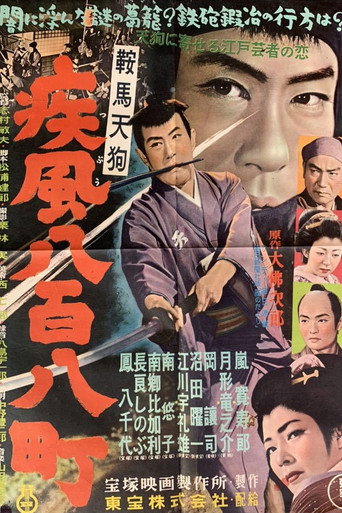
NRKurama Tengu appears in the Great Edo, where conspiracies swirl. The righteous sword flashes as the mystery of a beautiful woman’s disappearance unfolds.
Tengu Kurama: A Strong Wind Through 808 Villages
1954
No synopsis available yet.
Red Camellia
1953
Film credits
1960s · 7 titles
 7.0
7.01961 Japanese movie
Lovers of Ginza
1961
 NR
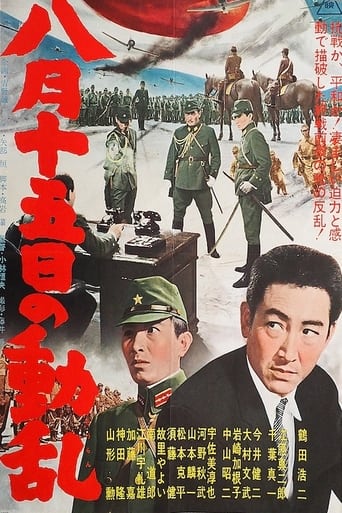
NRA suspense work based on the "Miyagi Incident," an attempted coup d'etat led by some officers working for the Ministry of the Defense and the General Staff of the Konoe Division on the eve of the end of the Pacific War.
Mid-August Commotion
1962
 NR
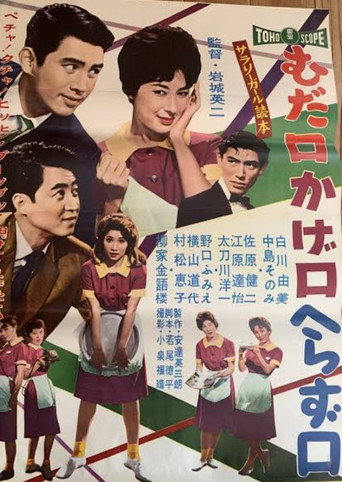
NRNo synopsis available yet.
Salarygirl Book: Idle Talk, Back-Biting Chatter, Senseless Retorts
1960
 8.0
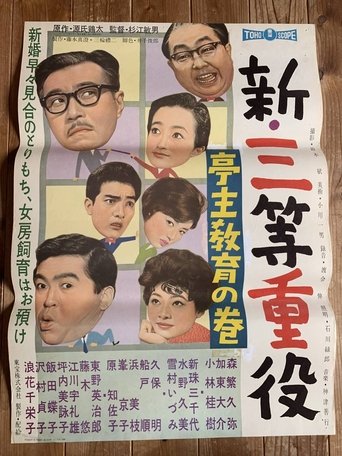
8.0Amid management shakeups and arranged marriage plans at Sekai Electric, an executive couple tries to support a young woman’s relationship with an academic over a business heir.
New Third Class Executive: Husband Education
1960
 9.0
9.01962 Japanese movie
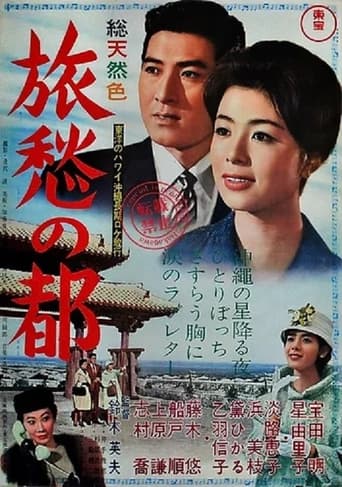
Long Way to Okinawa
1962
 NR
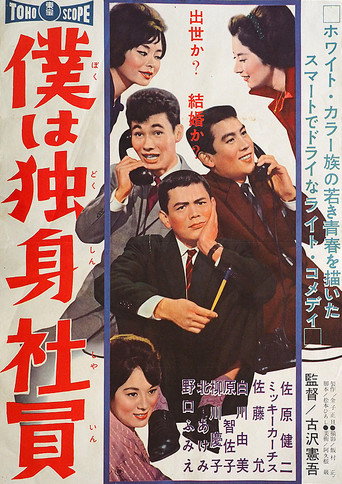
NRSalaryman comedy.
I'm a Single Salaryman
1960
 7.0
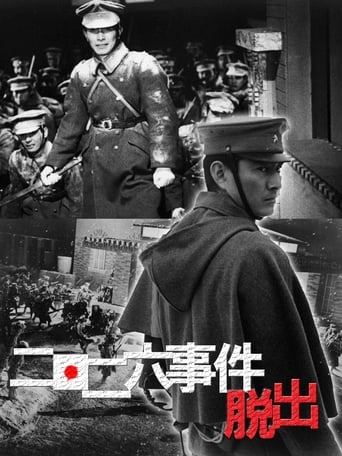
7.0Film about the 2-26 Incident.
The Escape
1962
1950s · 32 titles
7.4Wataru's outwardly liberal views on marriage are severely tested when his daughter declares her love for a coworker and is adamant to live her own way, instead of agreeing to an arranged marriage. Outwitted by his female relatives, Hirayama stubbornly refuses to admit defeat.
Equinox Flower
1958
NRNo synopsis available yet.
Kimi machifune
1954
8.0Meiji Tenno portrays the buildup to the Russo-Japan War. In addition to showing the political events that led to war, it also shows the era from the story of a farm family in rural Japan that sends their son off to war. As such, it could be considered an anti-war movie, showing how, while war is devised by governments, the people do not really understand what war is, and its combatants often do not know what they are fighting for.
Emperor Meiji and the Great Russo-Japanese War
1957
NRKurama Tengu appears in the Great Edo, where conspiracies swirl. The righteous sword flashes as the mystery of a beautiful woman’s disappearance unfolds.
Tengu Kurama: A Strong Wind Through 808 Villages
1954
No synopsis available yet.
Red Camellia
1953
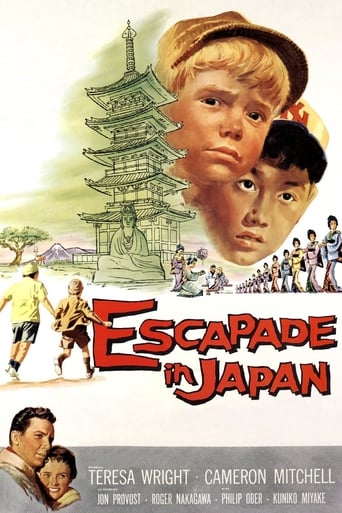 5.7
5.7A plane is forced to land at sea just off the Japanese coast. A young American boy is later befriended by a fisherman's son, with the two setting off on an unintended journey across the country.
Escapade in Japan
1957
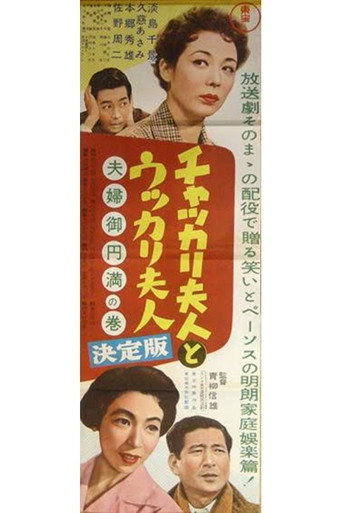 NR
NRNo synopsis available yet.
Careful Wife and Careless Wife: A Peaceful Couple
1956
No synopsis available yet.
Kinseimei shōbu monogatari: Kettō
1953
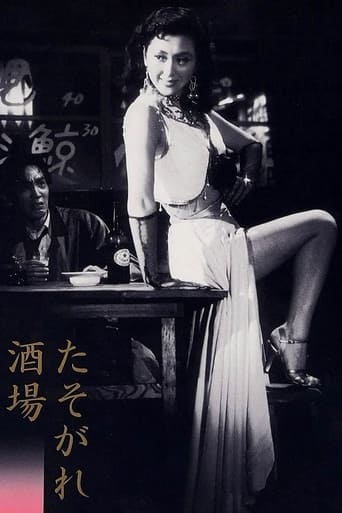 8.0
8.0Inside a bustling postwar Tokyo beer hall, a diverse group of patrons, performers, and workers spend a single evening navigating their personal frustrations and social anxieties. A disillusioned professor, a struggling artist, and various laborers find their lives intersecting through chance encounters and heated arguments fueled by drink.
Twilight Saloon
1955
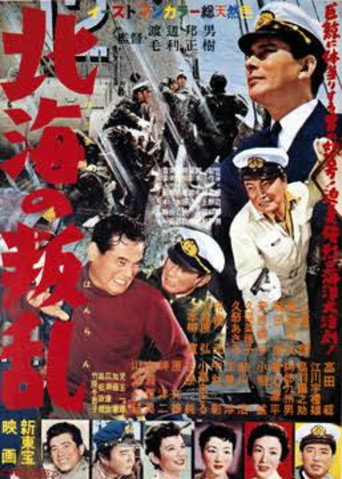 NR
NRA maritime action drama set aboard a whaling ship rocked by a labor-management conflict. Shintoho's second color feature.
Mutiny in the North Sea
1956
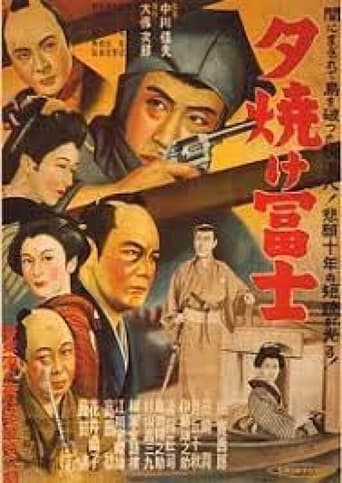 NR
NRJidai-geki starring Kanjuro Arashi
Sunset Over Mount Fuji
1952
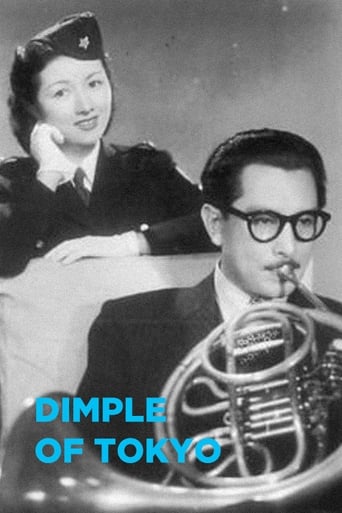 10.0
10.0Buntaro, the president of a food trading company got tired of the day-to-day routine of life. The new secretary, Nobuko, suggested her "shacho-san" (the president) run away from the job. Nobuko took Buntaro to her home and introduced him to her own family as friend, "Sachio-san"...
Dimple of Tokyo
1952
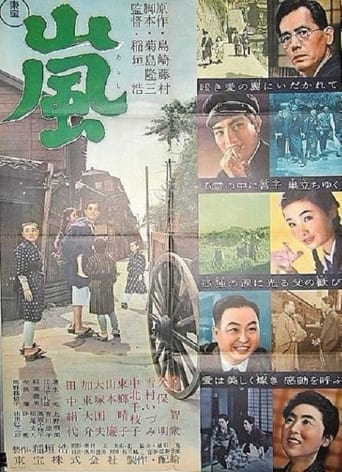 8.5
8.5A widowed high-school teacher tries to raise his four children alone.
The Storm
1956
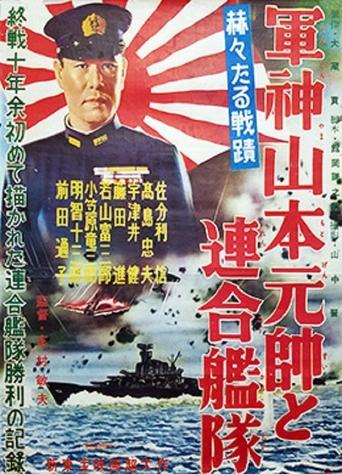 5.0
5.0Admiral Isoroku Yamamoto leads the Combined Fleet of the Imperial Japanese Navy to defeat the American Fleet.
Admiral Yamamoto and the Allied Fleets
1956
Japanese comedy film released to commemorate the 10th anniversary of Shintoho's founding.
Holiday in Japan
1958
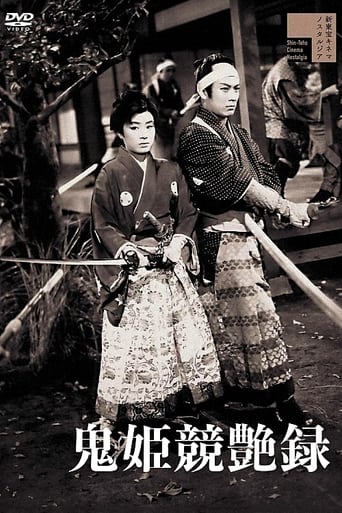 NR
NRAn exciting historical drama in which a beautiful woman secretly solves the family problems of the Owari clan. Hibari Misora plays two roles: a charming princess and a dashing youngster, performs songs and dances throughout the film until the big decisive battle.
Devil Princess’ Beauty Competition
1956
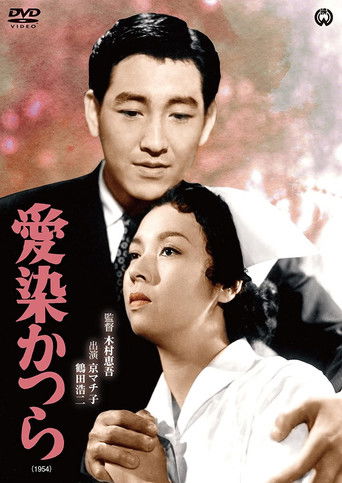 8.0
8.01954 Japanese movie
Tree of Love
1954
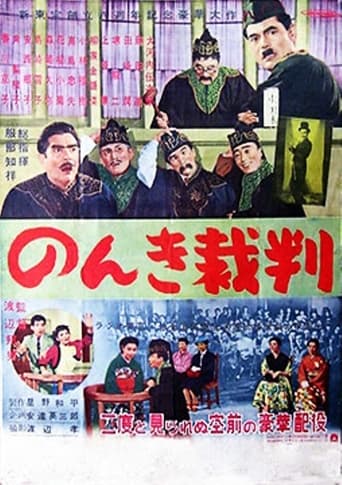 NR
NRA spectacular comedy with a star-studded cast that depicts unusual trials and unexpected verdicts regarding the five deadly sins: the crime of beauty, the crime of a terrifying wife, the crime of taking the wrong course, the crime of seducing, and the crime of killing with laughter.
Nonki saiban
1955
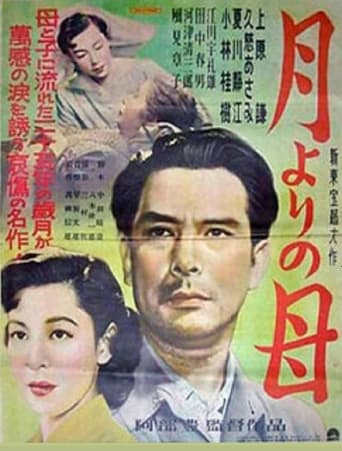 NR
NRJapanese drama film.
Tsuki yori no haha
1951
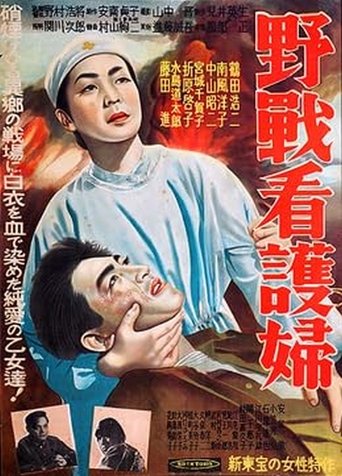 1.0
1.0In 1942 South China, hardened field hospital nurse Yukiko secretly loves Sergeant Nemoto. The arrival of a fragile new nurse, Keiko, reawakens Yukiko's warmth but also sparks intense jealousy when Nemoto shows Keiko kindness. As the two bond over a shared hometown, Yukiko's resentment grows. The situation is compounded by the escalating chaos of a losing war, including air raids, medicine shortages, and a deadly malaria outbreak that weakens Keiko. Set against the backdrop of Japan’s impending defeat, Yukiko is forced to confront the high cost of her envy and decide where her loyalties lie in a final test of courage and compassion.
Field Nurse
1953
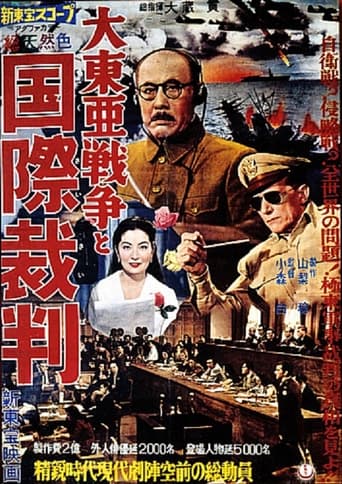 8.0
8.0In 1941, overpopulated Japan faces an economic boycott and its armed forces push further to the south. And despite negotiations between Japan and the U. S. A. war is declared with the attack on Pearl Harbour. Victories follow for Japan on land and sea and her forces push forward to the borders of India. But gradually the tide turns in favour of the Allies and after the atom bombings of Hiroshima and Nagasaki, Japan is compelled to accept the Potsdam Declaration and by the order of the Emperor agrees to unconditional surrender. Under the supervision of the occupation forces the International Military Tribunal opens in Tokyo to try the Japanese war leaders. Established in the cause of justice, and to prevent future aggressive wars the trials drag on for two and a half years. And on December 23, 1948, General Tojo and six other war leaders mount the thirteen steps to the gallows at Tokyo's Sugamo prison.
The Pacific War and the International Military Tribunal
1959
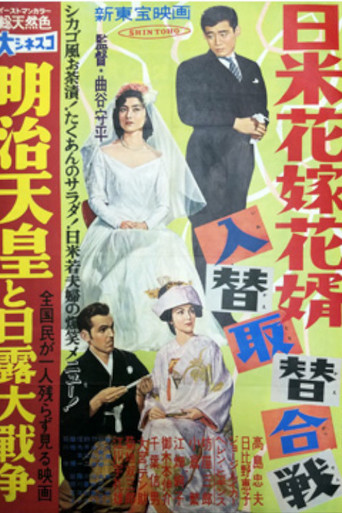 NR
NRJapanese comedy film.
日米花嫁花婿入替取替合戦
1957
Kotaro Shimoyama, once a government official, loses his job and separates from his wife, Sachie. He now resides with his daughter, Haruko. By chance, he apprehends a criminal and reconnects with his former colleague, Sakamoto, leading him to become a security guard at a film studio. Haruko, secretly a singer, rises to stardom within the same studio. Unbeknownst to each other, they both work there. As the studio faces turmoil, their hidden identities are unveiled...
Amakara chindōchū
1950
Kusuo Abe stars in this kaidan.
Appeal on the Cross
1956
 6.2
6.2Ryutaro is a spy employed by the shogun Tokugawa Iemitsu, who is the target of assassination attempts that aim to hand power over to his younger brother Tadanaga.
The Ceiling at Utsunomiya
1956
Yuri is looking forward to marrying her fiancé Minoru. However, a few days before the wedding she falls victim to his brother Takehiko, and against her will, she becomes Takehiko's wife. The day after the wedding, Yuri begins her silent revenge by not talking to her husband. She retains her love for Minoru and never gives herself to Takehiko's embrace again. She also contributes large sums of money from Takehiko's fortune to charity.
Stormy Virtue
1959
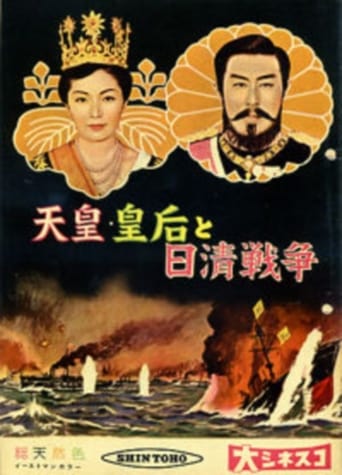 NR
NRNo synopsis available yet.
Emperor & Empress Meiji and the Sino-Japanese War
1958
 10.0
10.0For the poor, Edo is Hell on Earth, starving under the rule of Tanuma Okitsugi, corrupt councilor to the shogun. But the courageous vagabond called “Kageboshi” (Shadow Avenger), will fight for the common folk, robbing the rich so the people will have rice. Tanuma’s henchmen will hire an evil swordsman to pose as Kageboshi, starting a wave of murder, kidnapping and robbery, searching for two antique sword-guards that will reveal the hiding place of a fortune in buried gold. But who will claim the gold? The poor of Edo, or the conniving Tanuma? Only Kageboshi’s flashing sword, tearing through Tanuma’s bloodthirsty minions, can forestall his wicked schemes.
Kagebôshi: The Shadow Avenger
1959
Japanese film.
稲妻奉行
1958
 10.0
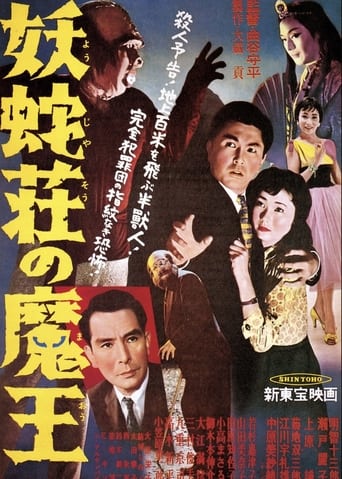
10.0During a packed game at Korakuen Stadium, Eagles’ star Tsubota faints, while singer Kyoko Tsukita collapses on stage at Cabaret Copacana. Goro Hayatori, deputy director of Hayatori Hospital, grows suspicious of Akuri, founder of the new religion “Reihi-kyo,” who had predicted these incidents. Together with his fiancée Mitsuko Nogata and friend Chief Kamimura, he investigates Akuri. It’s revealed that Akuri conspired with Dr. Sakurada, a psychiatrist, using a brainwave-disrupting ray to cause Tsubota and Tsukita’s collapse. Disguised as “Busujima,” Sakurada operates from a nearby villa. Meanwhile, Dr. Stanley from Monotor Republic plans to assassinate conglomerate Maurice and enlists Sakurada to create a half-animal man. Soon after, Akuri predicts Tsubota’s death as Sakurada aims to showcase the creature’s power for profit.
Demon King of Yoja Manor
1957
 9.0
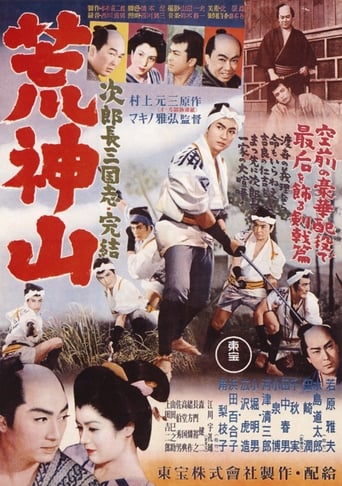
9.0No synopsis available yet.
Jirocho in Disgrace
1954
 NR
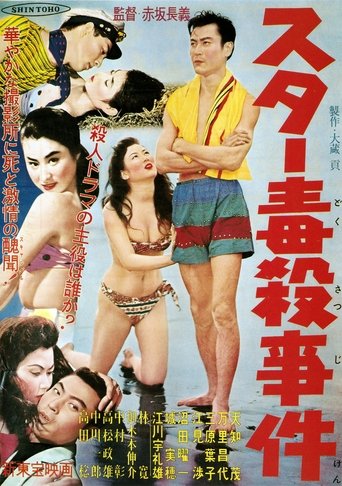
NRJapanese crime film.
Star Poisoning Case
1958
1940s · 12 titles
 8.0
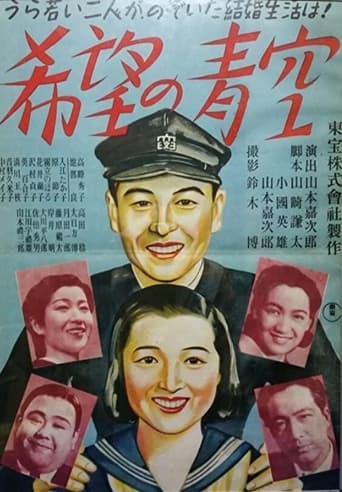
8.0What is marriage? Young couple in match-making wanted to know before they decide. They visited married couples of sisters and brothers. Love comedy in 1942.
Sky of Hope
1942
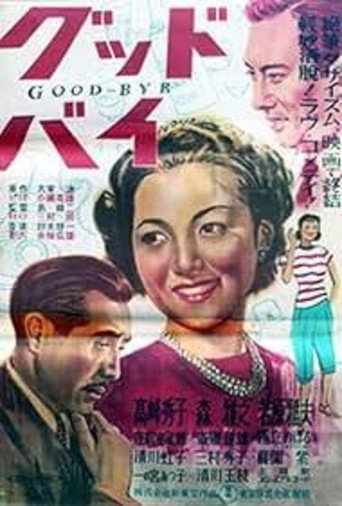 8.0
8.0No synopsis available yet.
Good-Bye!
1949
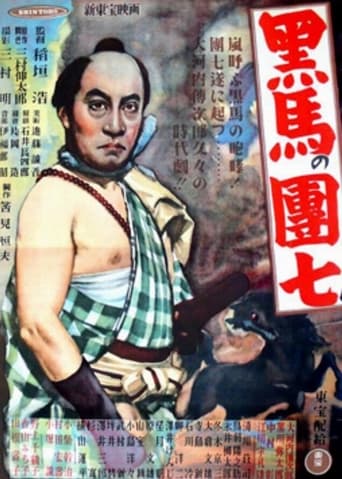 9.0
9.0No synopsis available yet.
Kuro-uma no danshichi
1948
While conducting a crackdown on contraband cigarettes at Ueno Station, inspector Tetsuro Shibuya came across an envelope addressed to Misa Makihara inside an unattended backpack filled with loose tobacco. Misa was ostensibly an employee of Yamagishi Shokai, a real estate firm, but in reality she was the mistress of Yuzo Yamagishi, a cigarette bootlegger. Yamagishi’s contraband cigarettes were made from loose tobacco sourced from Misa’s uncle, Kisaku, in Ibaraki.
Jigoku no fue
1949
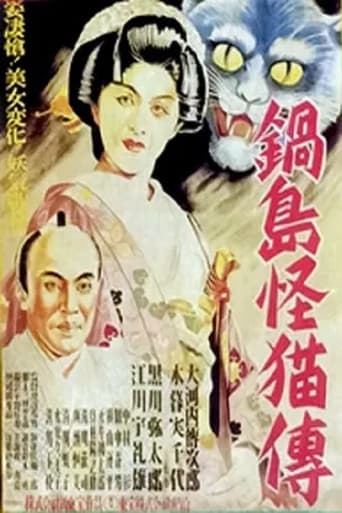 6.5
6.5Tanuma Kandayuu is a high class samurai of the house of Nabeshima. He finds a lavish board of Go (a Chinese Board game) at Kinbei's store. He recommend Kinbei to offer it to his lord. Kinbei hesitates at first, since he knows the board has a mysterious legend surrounding it; it's believed that for every game played on the board, one death is required.
Ghost Cat of Nabeshima
1949
No synopsis available yet.
Mother
1948
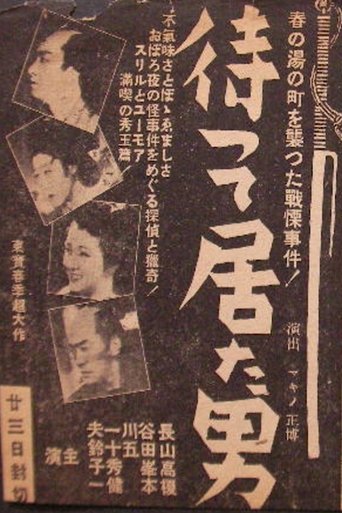 8.0
8.0A bizarre murder at a hot springs resort threatens to disrupt an Edo detective's (Hasegawa) vacation. When his hot-blooded wife (Yamada) starts snooping around, however, he finds himself reluctantly drawn in to the case.
The Man Who Waited
1942
1941 Toho adaptation of Natsume's novel.
The Poppy
1941
Japanese mystery thriller.
Late Night Confession
1949
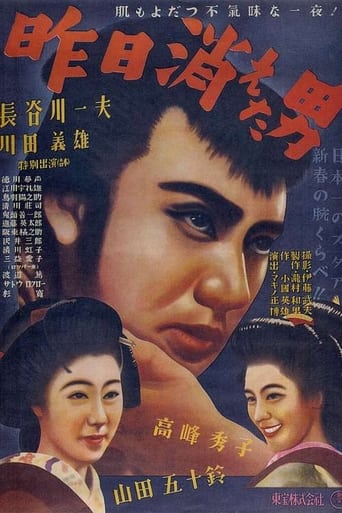 6.5
6.5No synopsis available yet.
The Man Who Disappeared Yesterday
1941
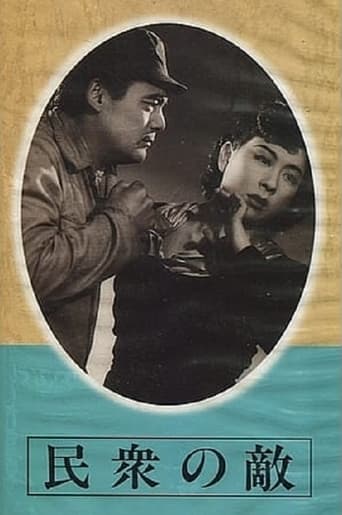 9.0
9.0Tadashi Imai 1946 movie
An Enemy of the People
1946
 NR
NRA newly hired daily newspaper writer covering the society beat receives an assignment to cover Tokyo at night by walking and observing it. He gets into the right frame of mind by dressing the part as a vagrant with not a penny to his name. He gets into trouble ending up at the police station slammer overnight. He has no material to write about and, with his assignment unfulfilled, faces a cross editor.
The Age of Beginnings
1947
1930s · 9 titles
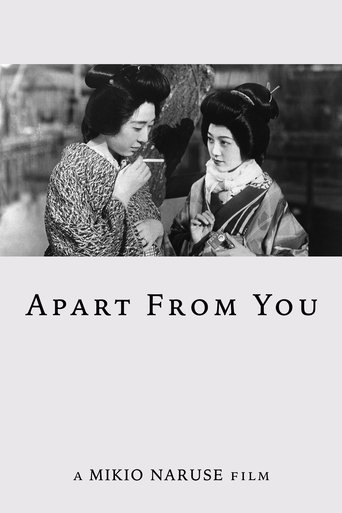 7.0
7.0An aging geisha, whose angry teenage son is ashamed of her profession, works alongside a young geisha, resentful of her family for forcing her into a life of shame.
Apart from You
1933
 6.8
6.8Ryoichi and Chikako, brother and sister, live together. Chikako toils during the day and, at night, prostitutes herself to fund his college tuition.
Woman of Tokyo
1933
 6.3
6.3Set in the port city of Yokohama, two girls, Sunako and Dora who attend a Christian school, pledge to be friends. But when a youth named Henry appears on his motorcycle and offers to take Sunako for a ride, we know that this friendship won't last and that the lives of both girls will change in ways they are barely able to comprehend, and can do little to change.
Japanese Girls at the Harbor
1933
 10.0
10.0One of Uchida’s early sound films, Unending Advance is based on a curious story by Yasujiro Ozu, in which an examination of the quotidian problems of a middle-aged salaryman and his family segues into an idyllic dream of an implausible future. The surviving print, although incomplete, offers an essential glimpse into Uchida’s prewar period, when he was associated more with realist dramas than with the period films that dominated his work after the war.
Unending Advance
1937
 8.0
8.0Part two of Shimizu's major silent Seven Seas, a family drama of the intertwining fates of the rich, decadent Yagibashis and the far less prosperous Sone family.
Seven Seas: Chastity Chapter
1932
 6.3
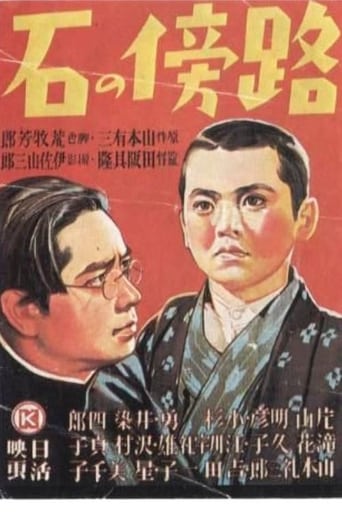
6.3Tomotaka Tasaka's A Pebble by the Wayside (Robo no Ishi), made in 1938 and taken from a Yuzo Yamamoto novel, takes place around 1902, was about a young boy brought up entirely by his mother since his drunken father is never home. An intelligent teacher wants to send him to middle school, but instead the father apprentices him to a clothing store to which he is in debt. The mother dies and the boy is forced to quit work when his father insults the store owner. Later the boy goes to Tokyo, but only to continue his hardships. First he is forced to do a maid's job at a boarding house and later is used by an old woman to steal at funerals. Finally he is rescued by the teacher, whom he meets in Tokyo.
A Pebble by the Wayside
1938
 7.0
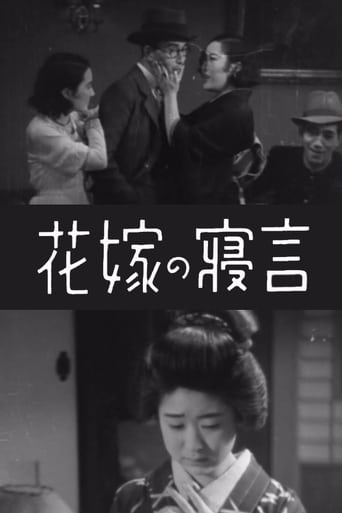
7.0This pair of gentle yet witty and inventive comedies from the director of The Neighbour's Wife and Mine typify both the formal experimentation of early Japanese sound cinema and the social milieux that Shochiku tended to depict. 'Virtually plotless, and feeling more like comic sketches than fully developed stories,' writes Arthur Nolletti, Jr, 'these light comedies, or farces, take a wholly trivial matter (often a socially embarrassing situation) and use it as a springboard for a succession of gags.' Much of the films' distinction comes from the wit of Gosho's direction, the imaginative use of the new sound technology and the charm of the acting, particularly of the heroines (Kinuyo Tanaka in Bride; Hiroko Kawasaki in Groom). Yet in both films, Gosho finds room for some shrewd observation of character and environment, subtly exploring the values and assumptions of the suburban petit bourgeoisie.
The Bride Talks in Her Sleep
1933
 10.0
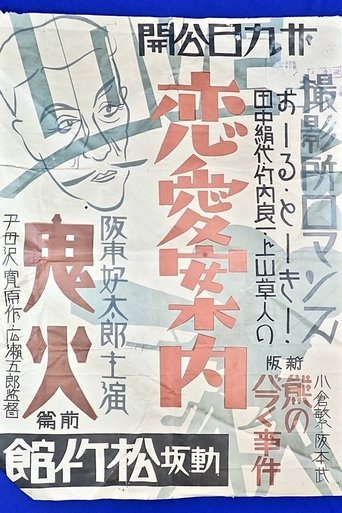
10.0Japanese film from 1932.
Studio Romance: A Guide to Love
1932
 6.5
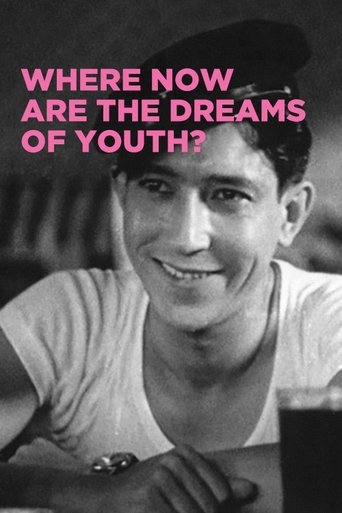
6.5When a young man inherits his father's lucrative business, he cheats the system to set up three of his college friends with jobs.
Where Now Are the Dreams of Youth?
1932