
Acting
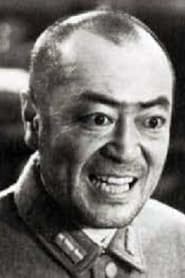
Jūkei Fujioka
Born — Died
1933-11-19 — 1991-07-23
Place of birth
Kobe, Hyōgo Prefecture, Japan
Known for
Acting
Credits
63 titles
Known for
 8.2
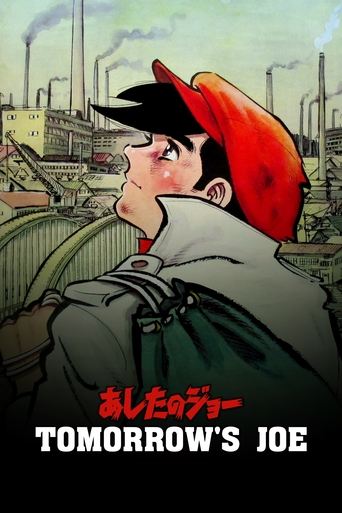
8.2A young drifter named Joe Yabuki wanders through the slums of Tokyo, but when the local ruffians try to give him a hard time he teaches them a rough lesson with his fists. The spectacle sparks a gleam in the eye of an old drunk who happens to be watching—Danpei Tange, a failed boxer and former coach who sees something special in the boy. He pleads with Joe to train with him off, but the cocky young fighter brushes him. Later, though, when Joe is arrested and put in a juvenile detention facility, he realizes that he’s going to need to hone his raw fighting skills if he wants to survive. Thus is born a partnership that might just take Joe all the way to the top…
Tomorrow's Joe
1970
 8.0
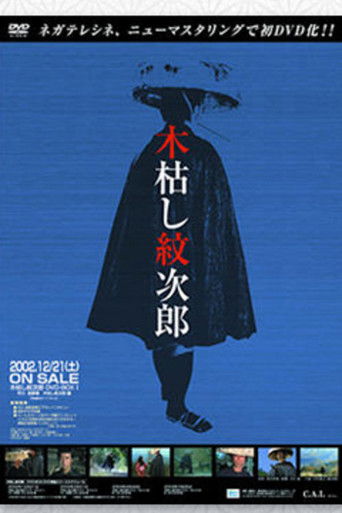
8.0Monjiro was born into a poor farm family in Mikazuki Village, Nitta County, Ueshu, and abandoned his hometown when he was 10 years old. He has been traveling aimlessly with a long toothpick in his mouth. Monjiro avoided getting involved in anything, but wherever he went, he ended up getting involved in incidents
Kogarashi Monjiro
1972
 8.0
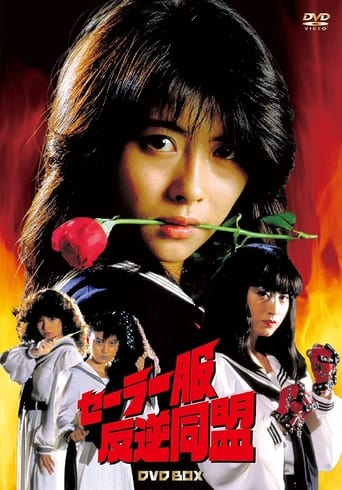
8.0Kokuchou Academy used to be an elite school but it is now a nest of evil. Accordingly, spunky schoolgirls Miho, Yumi, Ruri and Kei form the Sailor Suit Rebel Alliance to eliminate wrongdoers from the school premises, wearing heavy makeup in order to keep their identities hidden.
Sailor Suit Rebel Alliance
1986
 7.7
7.7It has been six months since the tragic accident in Joe and Rikiishi's fight. Joe believes he has overcome Rikiishi's death and decides to make a comeback. Joe does make a successful comeback by scoring 5 KO's by body blows. Joe is then given a shot at the national title as a means by the boxing commission to put him down. The champion, Tiger Ozaki makes use of Joe's habits and ends up making Joe's corner throw in the towel. Joe is afraid to throw punches at the face because of what happened to Rikiishi. Youko, Joe's love interest and the owner of the gym where Rikiishi trained at recruits a world ranked boxer from Venezuela, Carlos Rivera, to get Joe back on his feet and pursue his boxing career to the regional and world ranks.
Tomorrow's Joe 2: The Movie
1981
 6.6
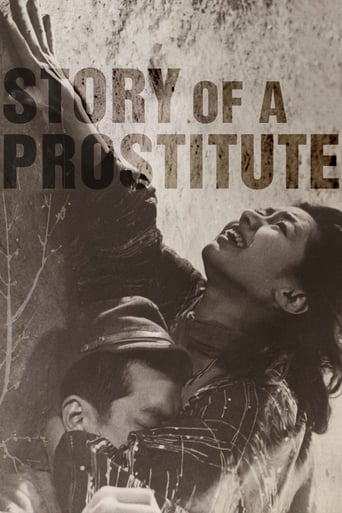
6.6Volunteering as a "comfort woman" on the Manchurian front, where she is expected to service hundreds of soldiers, Harumi is commandeered by the brutal Lieutenant Narita but falls for the sensitive Mikami, Narita's direct subordinate. Seijun Suzuki's Story of a Prostitute is a tragic love story as well as a rule-bending take on a popular Taijiro Tamura novel, challenging military and fraternal codes of honor, as seen through Harumi's eyes.
Story of a Prostitute
1965
 7.2
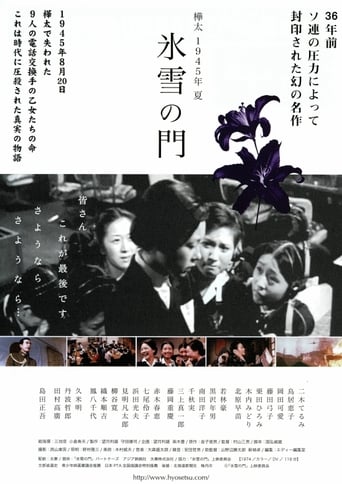
7.2The film is set in Karafuto after the radio broadcast of the Imperial Rescript on the Termination of the War. On August 15, 1945, Soviet forces invaded Karafuto. On August 20, the postal telegraph office in Maoka suspended operations and nine of the twelve telephone operators committed suicide by taking potassium cyanide while the city was being invaded.
Karafuto 1945 Summer
1974
Film credits
1980s · 7 titles
7.7It has been six months since the tragic accident in Joe and Rikiishi's fight. Joe believes he has overcome Rikiishi's death and decides to make a comeback. Joe does make a successful comeback by scoring 5 KO's by body blows. Joe is then given a shot at the national title as a means by the boxing commission to put him down. The champion, Tiger Ozaki makes use of Joe's habits and ends up making Joe's corner throw in the towel. Joe is afraid to throw punches at the face because of what happened to Rikiishi. Youko, Joe's love interest and the owner of the gym where Rikiishi trained at recruits a world ranked boxer from Venezuela, Carlos Rivera, to get Joe back on his feet and pursue his boxing career to the regional and world ranks.
Tomorrow's Joe 2: The Movie
1981
 8.0
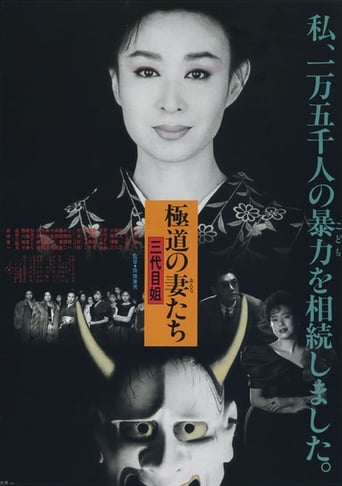
8.0Upon the passing of the Sakanishi Clan’s boss, a fierce battle between his wife Hazuki and his disciple Terada breaks out. Will Hazuki be able to assume her husband’s position as the head of the established yakuza clan?
Yakuza Ladies 3
1989
 6.0
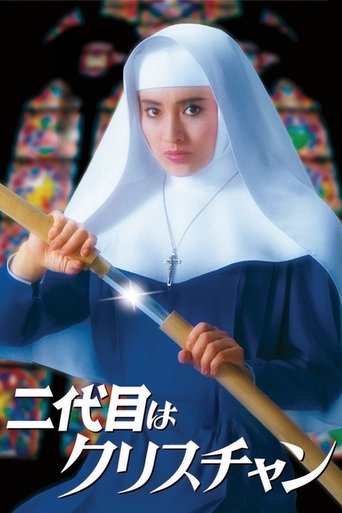
6.0The story of beautiful Christian nun, Kyoko who is the object of affection for two very different men - one the happy-go-lucky yakuza gangster, Haruhiko who is the next-in-line to takeover the ragtag "Tenryu Gumi" gang and the other bumbling police detective Kumashiro. The Tenryu Gumi is a collection of misfits and other troublemakers but are relatively peaceful due to their Christian beliefs. Their bitter rivals are the more traditional "Kuroiwa Gumi", a much more sadistic and violent group led by godfather Kuroiwa.
The Second Is a Christian
1985
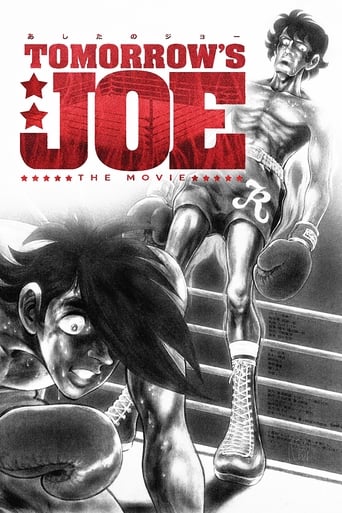 8.4
8.4An abridged remake of the first Ashita no Joe TV series, released in 1980 to provide back-story for the second TV series to new fans who were not familiar with the first TV series or the manga.
Tomorrow's Joe The Movie
1980
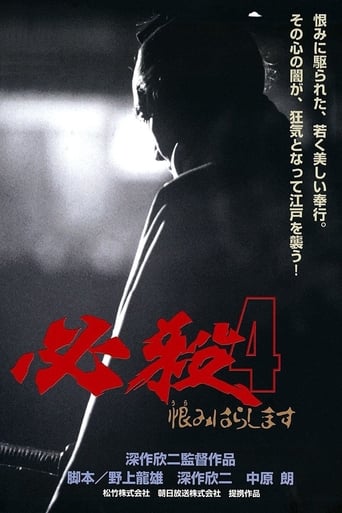 7.0
7.0Having been demoted for failing to prevent the murder of one of his superiors, Mondo is startled by a group of masked thugs who are soon attacked in turn by an unseen force. He begins to suspect the work of assassins, but whose side are they on?
Sure Death 4
1987
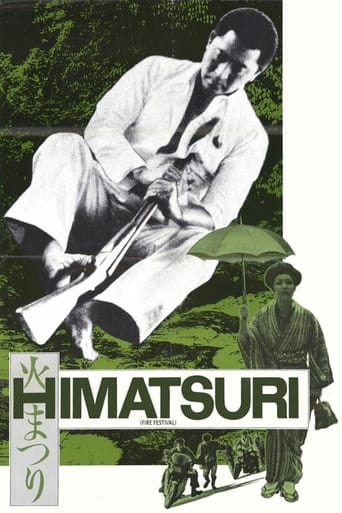 5.7
5.7Tatsuo, a reverent lumberjack, seeks to disrupt plans to build a marine park on his family land, instead promoting his traditions in reactionary ways.
Fire Festival
1985
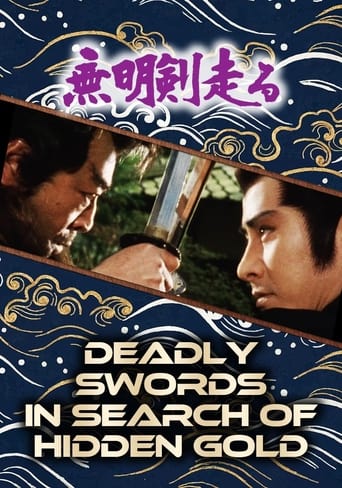 NR
NRThe secret map of the treasure of Kenzan was stolen out of the house of a former soldier in Awa. A fight over the treasure that the map shows happens among the Rozyu, a Ronin, a thief, and the Hyodo family. Is the treasure there? Who will get it? Masakazu Tamura plays the role of a ronin from Edo, Hayato Arakida, from the Mumyo Tenshin school dojo and a swordmaster working for Lord Awa. The film is based on the original work of Kyotaro Nishimura. A period show with a fierce fight on a raft going down a river and romance.
Deadly Swords in Search of Hidden Gold
1983
1970s · 26 titles
7.2The film is set in Karafuto after the radio broadcast of the Imperial Rescript on the Termination of the War. On August 15, 1945, Soviet forces invaded Karafuto. On August 20, the postal telegraph office in Maoka suspended operations and nine of the twelve telephone operators committed suicide by taking potassium cyanide while the city was being invaded.
Karafuto 1945 Summer
1974
 6.6
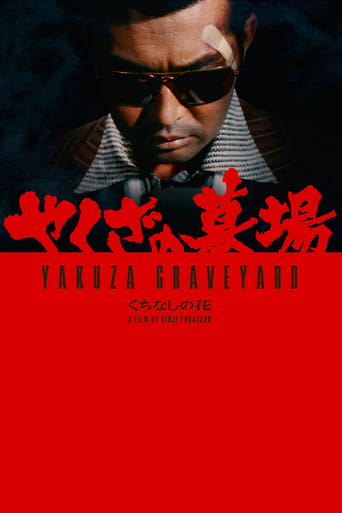
6.6A police investigator cracks down on yakuza business, but once he realizes the police are in negotiations with certain factions, he sides with his own syndicate of choice.
Yakuza Graveyard
1976
 7.3
7.3Kogarashi Monjiro is a lone samurai who agrees to take responsibility for a murder that his friend committed so that he can stay with his dying mother, with the expectation that his friend will confess and get him pardoned once she dies. Monjiro is sentenced to an island for prisoners. When he discovers that his friend's mother has died over a year ago, Monjiro seeks to escape with a group of prisoners in order to get his revenge.
Withered Tree, the Adventures of Monjiro
1972
 6.1
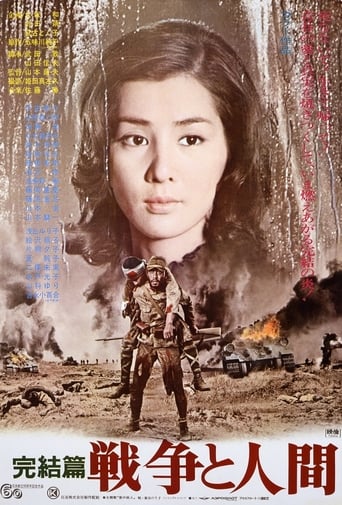
6.1As Japan's war of aggression against China intensifies, beginning with the Nanjing Massacre in December 1937, Kohei, who had secretly married Junko, the second daughter of the Godai family, deploys to the front lines, witnessing the atrocities of the Japanese army firsthand. Meanwhile, Shunsuke also takes to the front lines of the battlefield, engaging in a fierce battle against the Soviet army at Nomonhan.
Men and War III: The Final Chapter
1973
 7.8
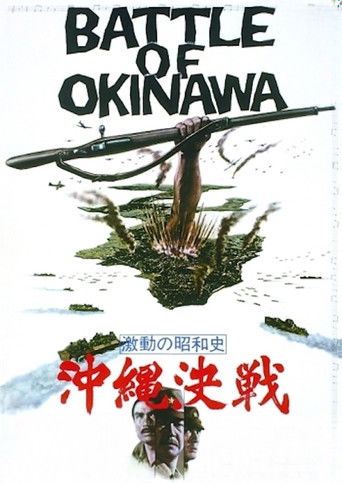
7.8The Americans are swiftly closing on Okinawa, an island just south of the Japanese mainland. The Imperial command sends top generals and several army divisions to defend it at all costs. The mission quickly degenerates as vital resources and troops are diverted to other islands. After a civilian evacuation ends in tragedy most of non-combatants are forced to remain on the island. Many convert to soldier status. Tokyo sends mixed messages that squander time and resources, as when they order the defenders to build an airstrip for aircraft that never come. The truth soon becomes obvious: the high command decides that the island cannot be held and effectively abandons the Okinawan defenders. When the Americans land many troops are deployed in the wrong places. As the slaughter mounts, a suicidal attitude takes hold. Okinawa becomes a death trap, for civilian volunteers and non-combatants as well.
The Battle of Okinawa
1971
 7.0
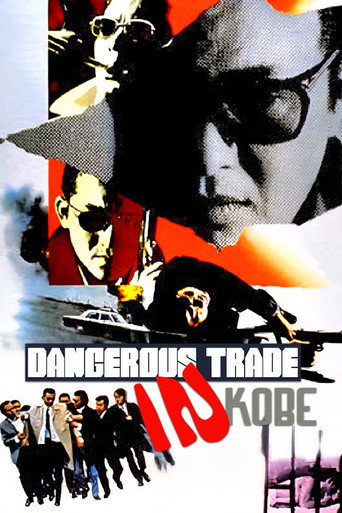
7.0Using a lesser mobster as bait a government agent infiltrates a narcotics-smuggling gang to try to capture the boss. But his survival has a price.
Dangerous Trade in Kobe
1973
 6.2
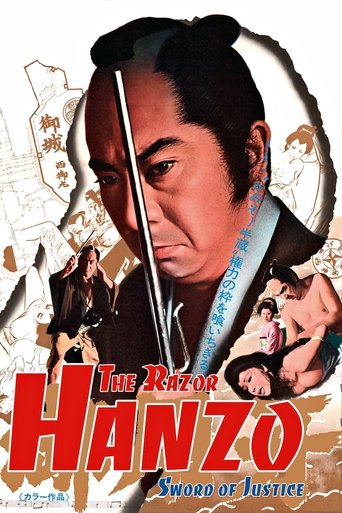
6.2Fearless Edo-period police inspector Hanzo Itami, nicknamed The Razor, has developed his own unique way of extracting information for his inquiries. His first adventure sees him investigating his superior officer's mistress, whom he suspects of having ties with a reputed criminal on the loose.
Hanzo the Razor: Sword of Justice
1972
 5.8
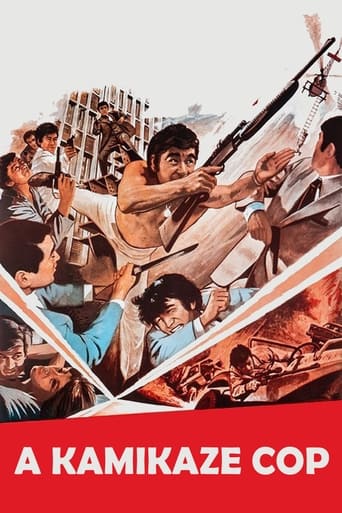
5.8An undercover cop befriends a yakuza underling who through his contacts helps him infiltrate two rival Yakuza gangs. He pits the two rival gangs against each other in hopes that they will cross each other out.
A Kamikaze Cop
1970
 6.8
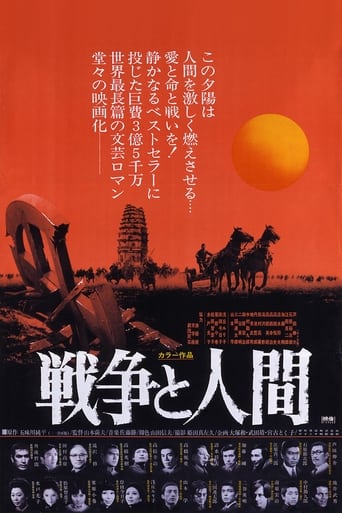
6.8The upstart Godai family conglomerate plans to strengthen ties with the hardliners in the Kwantung Army as they plan military expansion into Manchuria.
Men and War I: Prelude to Destiny
1970
 7.6
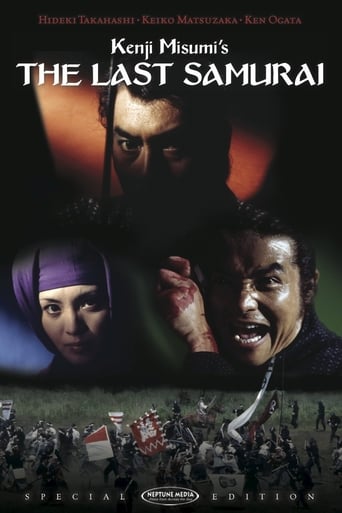
7.6The film follows the story of Sugi Toranosuke, a ronin, who returns to his home town of Edo many years after his attempted suicide as a sickly child. Rescued and adopted by a master swordsman, he has grown into a master swordsman and a very kind gentleman. The time is around 1868 the year that the nails were finally put into the coffin containing the feudal system that nurtured and sustained the samurai. Sugi is confused and unsure about what is happening but his teacher wants him out of the chaos of the multiple power struggles between the various clans.
The Last Samurai
1974
 6.4
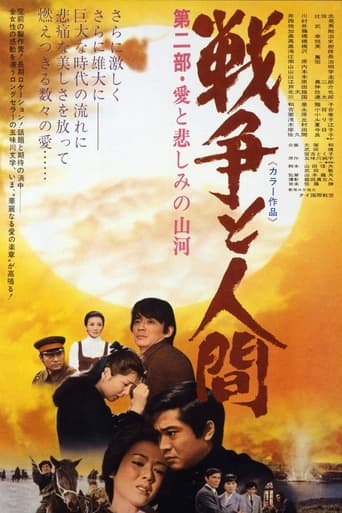
6.4As the Japanese military has established the puppet state of Manchukuo and is advancing its invasion of Asia, fighting intensifying battles against anti-Japanese partisans, the Godai zaibatsu becomes involved in large-scale opium smuggling. Shunsuke, second son of the Godai family, falls in love with a married woman. Meanwhile, Kohei, the love of the second daughter, Junko, throws himself into the anti-war movement.
Men and War II: Land of Love and Sorrow
1971
 7.5
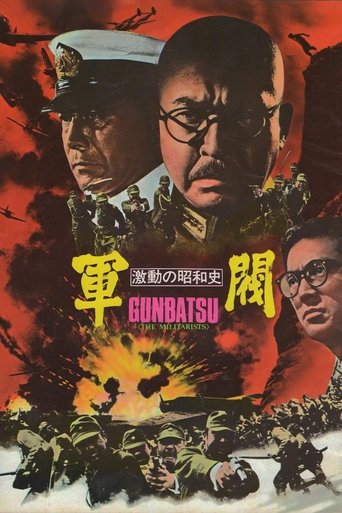
7.5The second film in Toho's series on the military history of the Showa era, Hiromichi Horikawa's war drama offers a look at the career of controversial politician Hideki Tojo and the strained relationships between Japan's government, military, and the media.
The Militarists
1970
 6.7
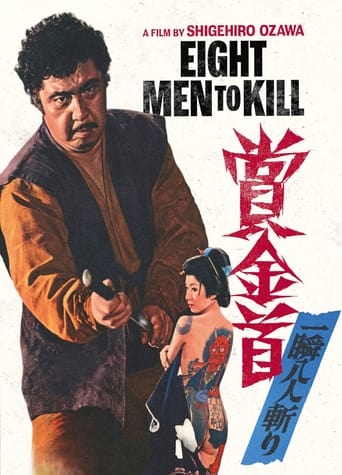
6.7The third movie following the exploits of bounty hunter Shikoro Ichibei. The theft of almost a half ton of gold from the shogunate's official mine threatens to bankrupt the government of Japan. Despite a desperate search the gold has not been found, causing officials of the Tokugawa bakufu to call on their most skillful secret agent, Shikoro Ichibei.
Eight Men to Kill
1972
 6.1
6.1When a lucrative waterfront development becomes available, the Kawade gang quickly use their political connections to secure the land. However, the acting boss of the Ohara gang also has his eyes on the property and recruits crooked detective Tokumatsu Kuno to help him hijack the deal. With relations between the rival gangs at breaking point, it's not long before all-out war breaks out as the gangsters, police and local politicians battle for control of the city.
Cops vs. Thugs
1975
 6.6
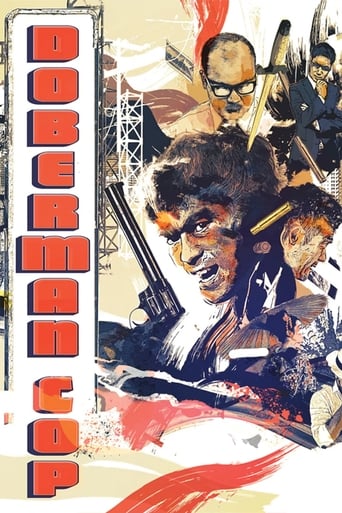
6.6Joji Kano is a loose cannon cop from backwoods Okinawa, sent to Tokyo to investigate the grisly murder of an Okinawa woman. As he probes deeper into the sleazy world of flesh-peddling, talent agency corruption and mob influence, Kano uncovers the shocking truth.
Doberman Cop
1977
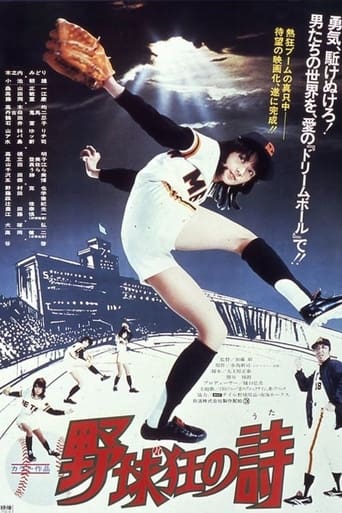 5.5
5.5Live-action adaptation of Shinji Mizushima's manga.
Poetry of Baseball Enthusiasts
1977
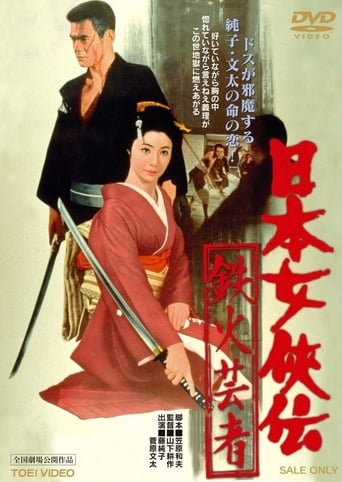 6.2
6.2Young geisha Koshizu's wish of reuniting with the man, Yukichi, who helped her ten years ago comes true. When she learns of the trouble Yukichi's business is facing, she stands ready to come to his aid, and thus repay a debt that's long overdue.
A Lively Geisha
1970
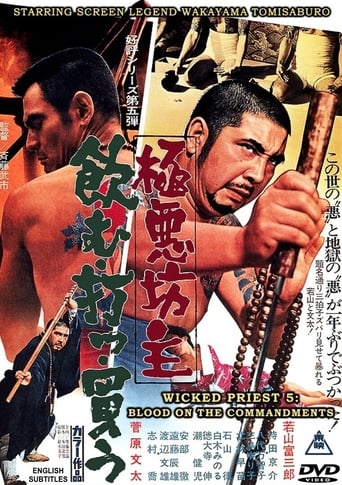 5.0
5.0As the Killer Priest Shinkai travels around Japan during the Meiji era, he comes to the aid of a village headman fighting corruption from up above. Before he can do anything for the townspeople, he must first face his nemesis, Whipmaster, the blind Priest, a master killer thirsting for revenge.
Wicked Priest 5: Breaking the Commandments
1971
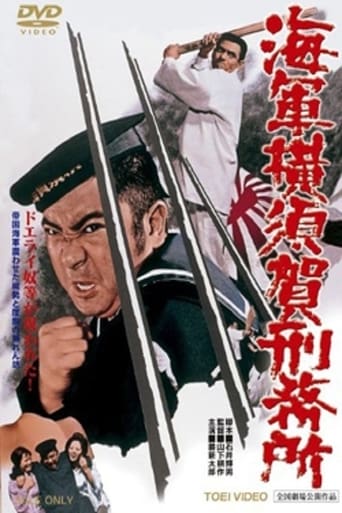 7.0
7.0When a rebellious roughneck enlists in the Navy and goes on a rampage against his superiors, he is sent to the Yokosuka Naval Prison.
Yokosuka Navy Prison
1973
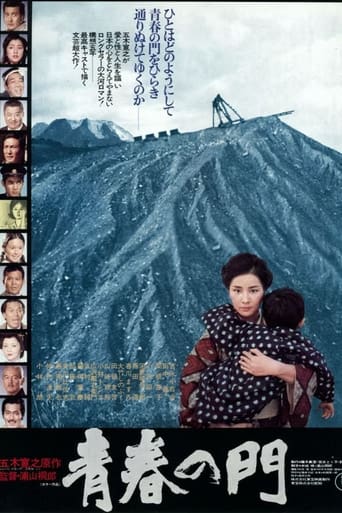 8.3
8.3Mainly the story of Shinsuke and his stepmother, ranging from Shinsuke's infanthood to his mid-teens. Coal workers and the mines dominate nearly every aspect of the life of the characters. Shinsuke's father dies while bravely using dynamite to rescue a group of trapped Korean miners. Several older men attempt to help he and his mother cope, including a kind Korean and a Harley-riding yakuza.
The Gate of Youth
1975
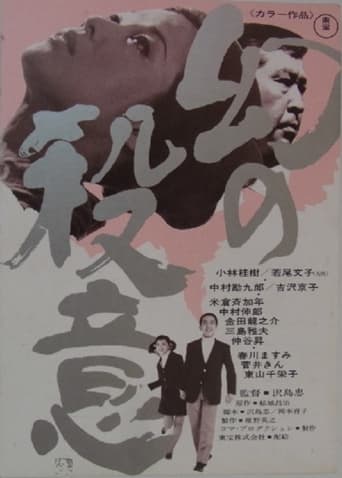 NR
NRAdaptation of the Shôji Yuki novel.
Maboroshi no Satsui
1971
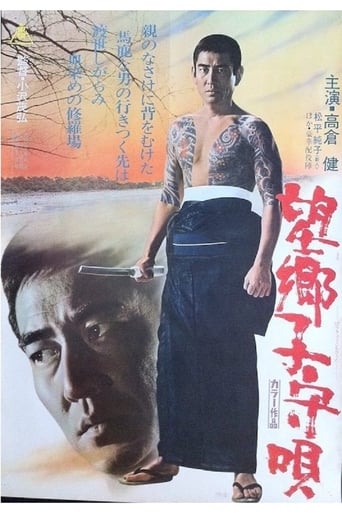 10.0
10.0A ruffian joins the ranks of the emperor’s guards.
Lullaby for a Tough Guy
1972
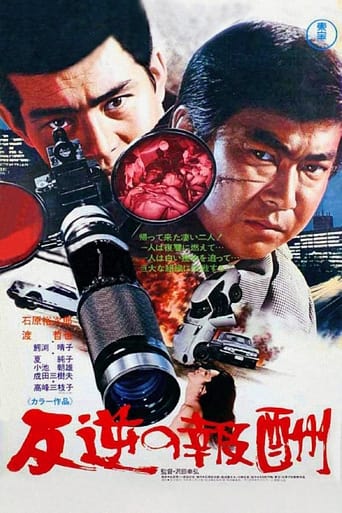 NR
NRThe film tells about drug trafficking from Vietnam to Tokyo and Okinawa. Tetsuya Watari plays a photographer who uses his camera as a blackmail weapon. He is on the trail of a narcotics smuggler (Mikio Narita) and his beautiful contact (Haruko Wanibuchi). Watari meets a former gangster (Yujiro Ishihara) who is seeking revenge against Narita, his former partner. Watari and Ishihara become allies and hijack the dope shipment. But Narita threatens the life of Haruko, who turns out to be Ishihara's sister, and demands the dope in return for the girl.
Rebellion Reward
1973
 NR
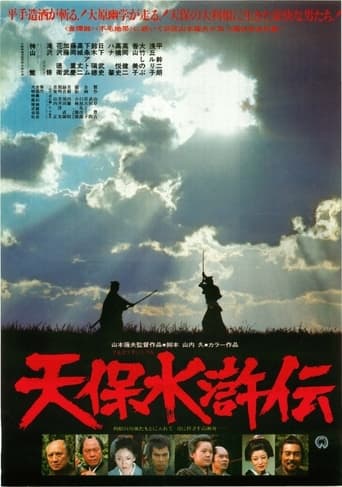
NRA great famine struck all of Japan: the so-called Great Tenpō famine. It was a time when there were frequent uprisings in rural areas due to farmers losing their land as a result of strict tax collection. The Tonegawa area of Boso was a lawless area for a generation, as two major forces fought against each other: Sukegoro of Iioka, who wields power with his industrial capital behind him, and Shigezo of Sasakawa, a rising yakuza. Furthermore, the successive floods of the Tone River, which could be called fate, forced the farmers into even more poverty and despair. Meanwhile, farmers in Nabe Village continue to live a lethargic life, but agricultural reform is about to begin under the hands of Yugaku Ohara, a ronin who has settled in the village.
The Tempō Outlaws of the Marsh
1976
 7.0
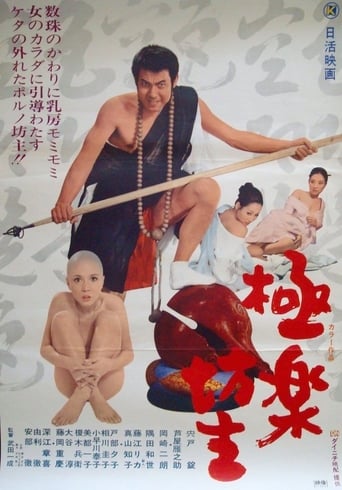
7.0A genius gambler and born hunter is a Buddhist monk by occupation. A raunchy comedy about a lecherous monk who, despite serving the solemn Buddha, keeps breaking the precepts one after another.
Monk's Paradise
1971
 NR
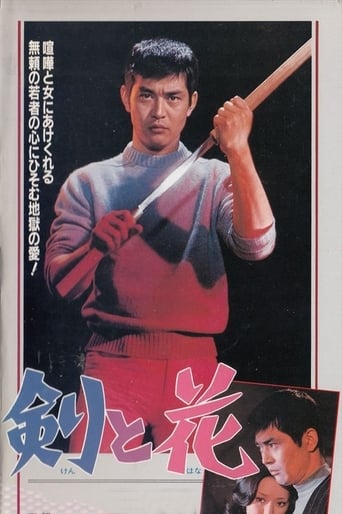
NRMasuda Toshio film starring Watari Tetsuya and Mori Masayuki, about a lone-wolf type (Watari) seeking love and defending the honor of an elderly widower (Mori).
Sword and Flower
1972
1960s · 27 titles
6.6Volunteering as a "comfort woman" on the Manchurian front, where she is expected to service hundreds of soldiers, Harumi is commandeered by the brutal Lieutenant Narita but falls for the sensitive Mikami, Narita's direct subordinate. Seijun Suzuki's Story of a Prostitute is a tragic love story as well as a rule-bending take on a popular Taijiro Tamura novel, challenging military and fraternal codes of honor, as seen through Harumi's eyes.
Story of a Prostitute
1965
 7.0
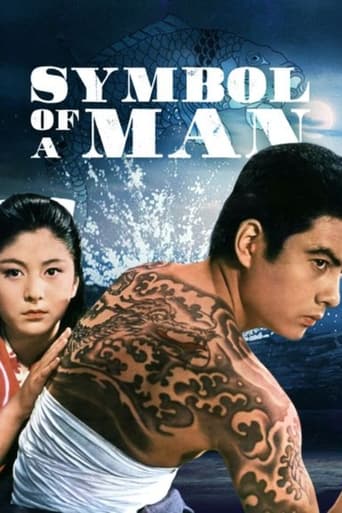
7.0A Japanese intelligence officer faces personal crises in the years preceding the Manchurian conflict.
The Symbol of a Man
1963
 6.5
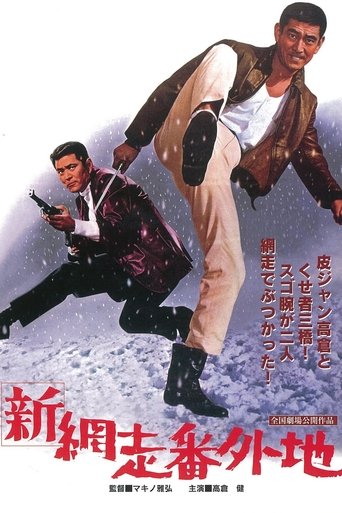
6.5Former soldier, Suehiro Katsuji, fights violent gangs and powerful Chinese merchants during the post-war period in Japan.
New Prison Walls of Abashiri
1968
 7.2
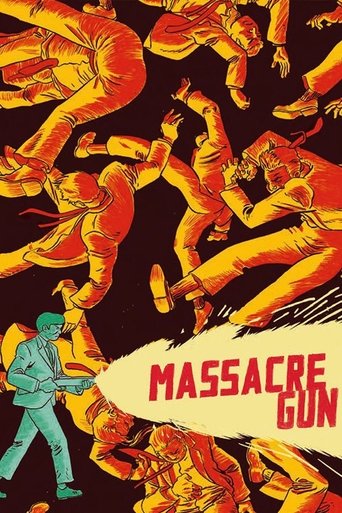
7.2Kuroda is a mob hitman who turns on his employers after being forced to execute his lover. Joining forces with his similarly wronged brothers, hot-headed Eiji and aspiring boxer Saburo, the trio escalate their mob retaliation to all-out turf war where no one will stop until one faction emerges victorious.
Massacre Gun
1967
 6.8
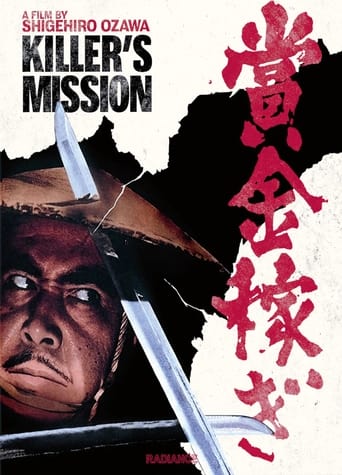
6.8Ichibei is assigned by Shogun Tokugawa to prevent the sale of a Dutch ships-load of rifles to the hostile Shogun Satsuma. On his mission he meets a cowardly Ronin who becomes his assistant, as well as a female spy and a female warrior...
Killer's Mission
1969
 NR
NRThis movie depicts the confrontation between a man entangled in a despicable trap and the shadow of murderous intent, and the efforts of a journalist chasing after the truth. Due to the passage of time since the film's release, some scenes may be marred by visual and audio distortions. We apologize for any inconvenience and appreciate your understanding.
午前零時の出獄
1963
 6.5
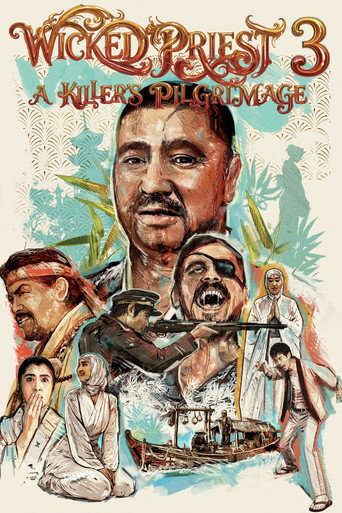
6.5Shinkai comes to the aid of a coastal village being held hostage by a group of political revolutionaries.
Wicked Priest 3: A Killer's Pilgrimage
1969
 9.0
9.0On January 26, 1948, a robbery of the Teigin bank took place in Tokyo - the criminal poisoned the bank employees and fled the scene with a large amount of money. In parallel with the investigation conducted by the Japanese police, journalists are also trying to find the culprit. Based on a true incident.
The Long Death
1964
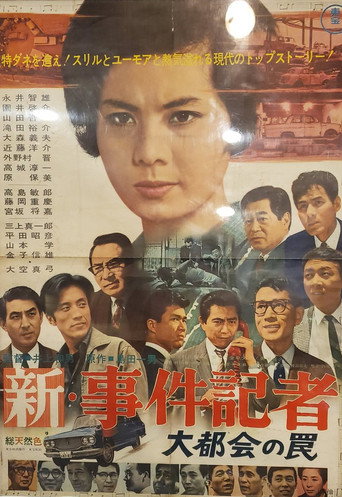 NR
NRNo synopsis available yet.
New News Reporter: The Trap of the Big City
1966
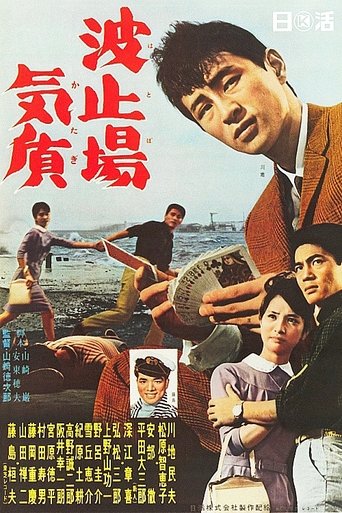 NR
NRThe story of male friendship unfolding during a boxing match between the navigator, who took responsibility for the accident and went ashore from the ship, and a young docker, whom he loves like a younger brother.
Wharf Temperament
1961
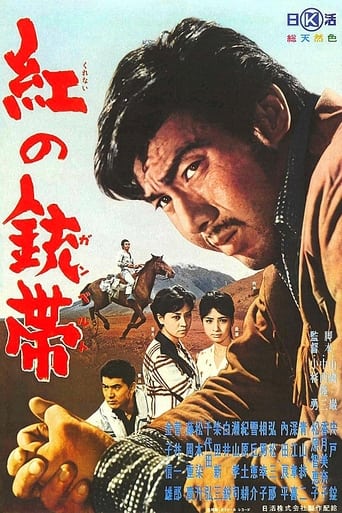 NR
NRWearing a symbol of justice and brotherhood on his waist – a crimson pistol belt, Ace Joe engages in a fight with villains trying to seize the mine.
Crimson Pistol
1961
 6.0
6.0Ryuji Oshima, a gambler, kills Saiga in self-defense, and considering himself unfit to lead men, secludes himself in a temple to atone for his misdeeds. At home, when his mother, the boss of a construction gang, bids for and gets the job of building the Town Hall, other gangs set out to disrupt her business and try to kill her.
Fight of the Gamblers
1963
 7.0
7.0Goro (Tetsuya Watari) wants to put his dark past behind. He heads to Hirosaki City to offer his condolences to Yumeko and to reunite with Yukiko (Chieko Matsubara), but finds that Yumeko is fatally ill. Although Yukiko was taking care of her, she is pressed for money. Goro wants to help and knows that there is only one way to come up with fast money.
Outlaw: Gangster VIP 2
1968
 NR
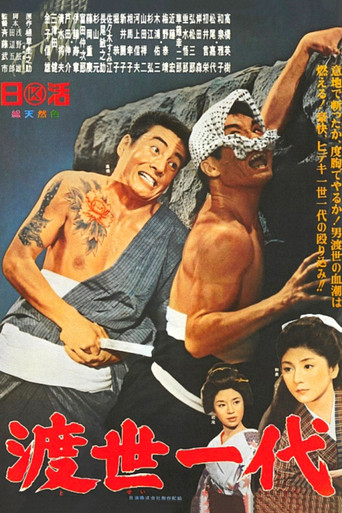
NRIn the middle of the era, Taisho, a big boss in Asakusa Iizuka, was severely questioned by the police about the source of funds for the Daido Federation, to which he belonged. The creditor, Izo, visited the local police station daily, worried about the safety of his boss, and himself came to the attention of the police. Izo embarks on a journey to escape, but in the meantime, the new rising yakuza Dojima plans to kill Iizuka...
Chivalrous Life
1965
 8.5
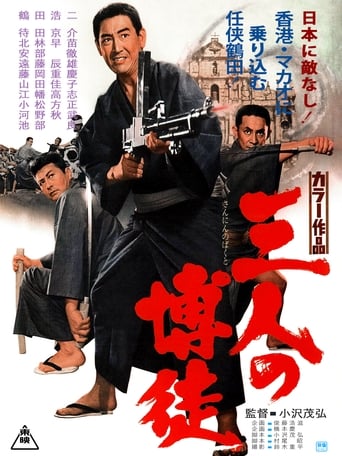
8.5Three closely associated gamblers have adventures in Yokohama, Hokkaido, and Macao. Gambling trio endure hardships to rescue Naojiro’s family.
Three Gamblers
1967
 7.2
7.2A local yakuza boss of a silk farming town shows kindness to the wandering gambler Oryu by letting her stay at his residence. When a rival yakuza gang, who wants to take over the town’s businesses, murders him, Oryu is obliged to protect his children and business.
Red Peony Gambler: Gambler's Obligation
1968
 7.0
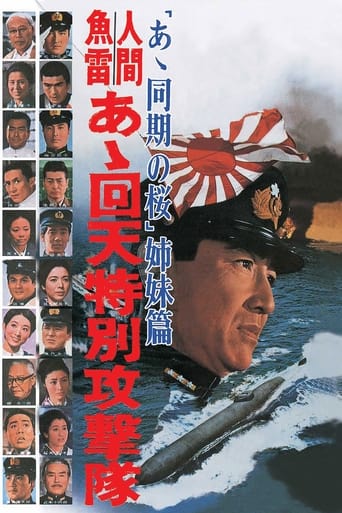
7.0Story of loyal sailors giving their lives for their country as human torpedoes towards the end of the War.
Human Torpedoes
1968
 NR
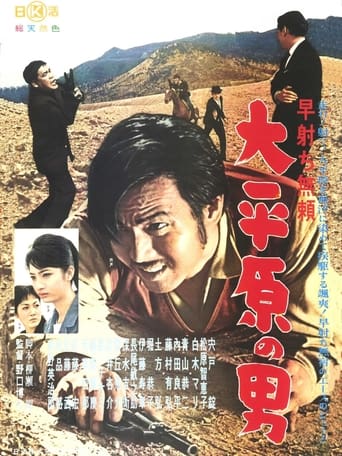
NRNo synopsis available yet.
Quick Draw Outlaw: Man of the Great Plains
1961
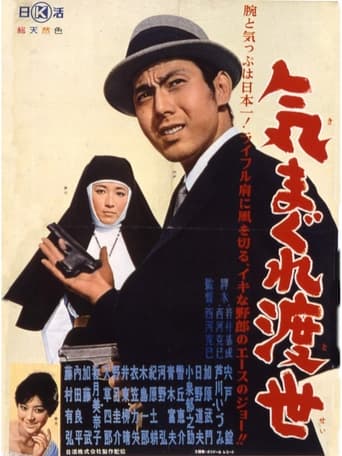 NR
NR1962 Japanese movie
Kimagure tosei
1962
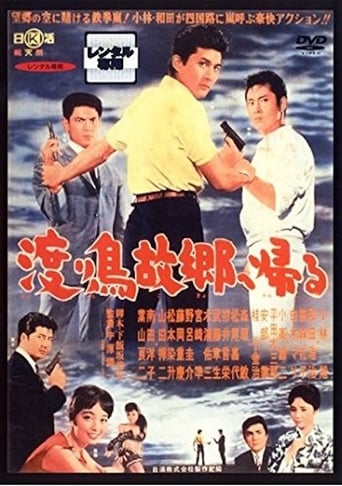 NR
NRFinal installment of THE WANDERING GUITARIST series.
The Rambler Returns Home
1962
Japanese action film.
The Man From the Sea
1962
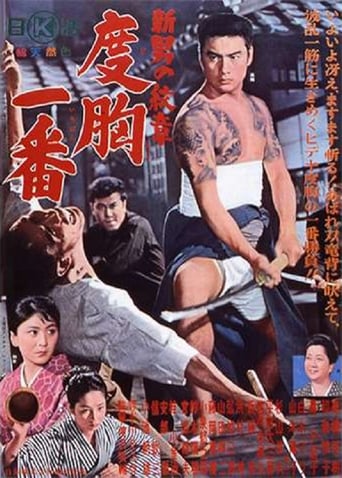 NR
NRA war veteran clashes with a mob boss in this crime saga. When Ryuji returns from the war, he finds himself torn by the death of an old friend - the son of crime kingpin Kiyomiya. A death Ryuji feels responsible for.
The Scarred Crest
1964
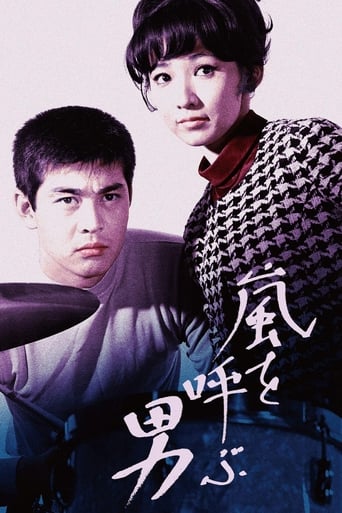 9.0
9.0A remake of the 1957 classic "Man Who Raised a Storm" with Watari Tetsuya in the title role.
The Stormy Man
1966
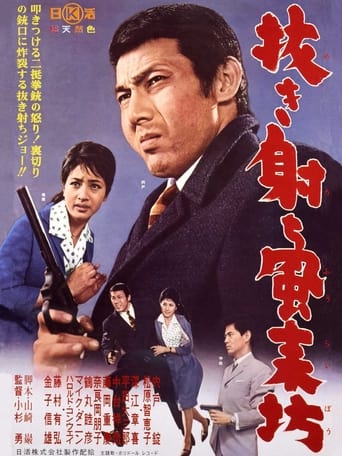 NR
NR1962 Japanese movie
Nuki uchi fūraibō
1962
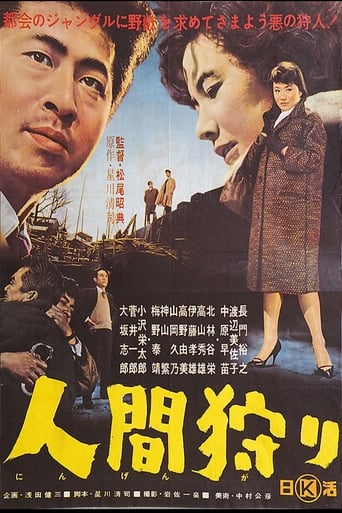 NR
NRA detective sets out on a manhunt to catch a murderer before the crime's statue of limitations runs out.
Ningen Gari
1962
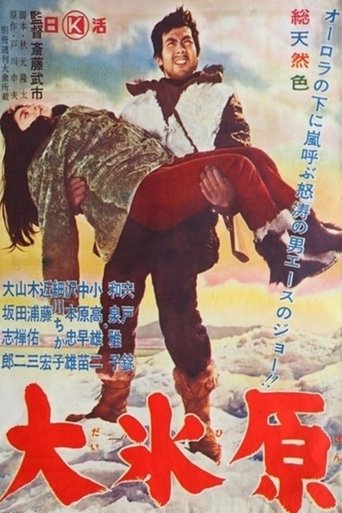 NR
NR1962 Japanese movie
The Frozen Plains
1962
 6.6
6.6On summer vacation, university student Shintaro gets involved with a magic troupe as they travel from festival to festival.
The Wind-of-Youth Group Crosses the Mountain Pass
1961
Series credits
8.2A young drifter named Joe Yabuki wanders through the slums of Tokyo, but when the local ruffians try to give him a hard time he teaches them a rough lesson with his fists. The spectacle sparks a gleam in the eye of an old drunk who happens to be watching—Danpei Tange, a failed boxer and former coach who sees something special in the boy. He pleads with Joe to train with him off, but the cocky young fighter brushes him. Later, though, when Joe is arrested and put in a juvenile detention facility, he realizes that he’s going to need to hone his raw fighting skills if he wants to survive. Thus is born a partnership that might just take Joe all the way to the top…
Tomorrow's Joe
1970
8.0Monjiro was born into a poor farm family in Mikazuki Village, Nitta County, Ueshu, and abandoned his hometown when he was 10 years old. He has been traveling aimlessly with a long toothpick in his mouth. Monjiro avoided getting involved in anything, but wherever he went, he ended up getting involved in incidents
Kogarashi Monjiro
1972
8.0Kokuchou Academy used to be an elite school but it is now a nest of evil. Accordingly, spunky schoolgirls Miho, Yumi, Ruri and Kei form the Sailor Suit Rebel Alliance to eliminate wrongdoers from the school premises, wearing heavy makeup in order to keep their identities hidden.
Sailor Suit Rebel Alliance
1986