
Acting
Yuzuru Kume
Born — Died
1899-11-29 — 1945-01-01
Place of birth
Asakusa, Taito, Tokyo, Japan
Known for
Acting
Credits
22 titles
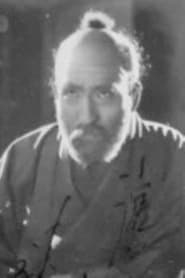
Yuzuru Kume (1899 - 1945) was a prolific Japanese actor from the silent and early sound eras. He began his career on stage as a child actor and filmed his first movie in 1922. He died of illness in 1945.
Known for
 6.9
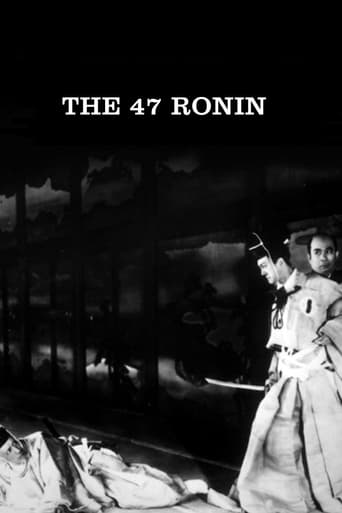
In the early 18th-century, Lord Takumi-no-kami Asano, feuding with Lord Kira, tries to kill his opponent in the corridors of the Shogun's palace. The Shogun sentences Asano to seppuku and deprives the palace and lands from his clan, but does not punish Kira. Asano's vassals leave the land and his samurais become ronin and want to seek revenge against the Lord's dishonour. But their leader Kuranosuke Oishi seeks to restore the Asano clan with his brother Daigaku Asano. One year later, the Shogun refuses, and Oishi and 46 rōnin are out for revenge.
The 47 Ronin
1941
 7.0
The tale of Nakayama Yasubei’s duel is famous, even if he in reality probably did not cut down 18 opponents. The story has been related in film, rakugo, kodan and on stage many times, in part because Nakayama later joined the famous 47 Ronin (Chushingura) as Horibe Yasubei. But Makino and Inagaki’s version gives no hint of this more serious future, playing up the thrills and the comedy with Bando’s bravura performance. The multiple pans of Yasubei running to the duel are an exemplar of the experimental flourishes of 1930s Japanese cinema and the final duel, performed virtually like a dance number, is a marker of Makino’s love of rhythm and one of the best sword fights in Japanese film history. The film was originally released under the title Chikemuri Takadanoba (Bloody Takadanobaba) with a length of 57 minutes, but suffered some cuts and a title change when it was re-released in 1952.
Blood Spilled at Takadanobaba
1937
 NR
The first film produced by Daiei.
The March of the Restoration
1942
 NR
No synopsis available yet.
Mito Kōmon
1926
A story about Ômura Masujirô
Masujiro Omura
1942
 NR
No synopsis available yet.
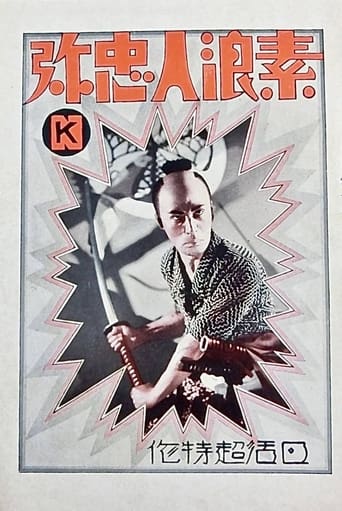
Suronin Chuya
1930
Film credits
1940s · 6 titles
6.9In the early 18th-century, Lord Takumi-no-kami Asano, feuding with Lord Kira, tries to kill his opponent in the corridors of the Shogun's palace. The Shogun sentences Asano to seppuku and deprives the palace and lands from his clan, but does not punish Kira. Asano's vassals leave the land and his samurais become ronin and want to seek revenge against the Lord's dishonour. But their leader Kuranosuke Oishi seeks to restore the Asano clan with his brother Daigaku Asano. One year later, the Shogun refuses, and Oishi and 46 rōnin are out for revenge.
The 47 Ronin
1941
NRThe first film produced by Daiei.
The March of the Restoration
1942
A story about Ômura Masujirô
Masujiro Omura
1942
 NR
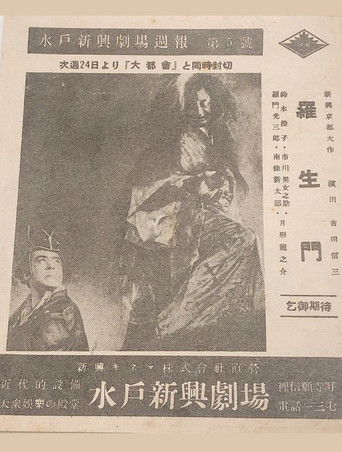
A 1941 Japanese film directed by Shinzo Yoshida.
Rashōmon
1941
 NR
No synopsis available yet.
Oichi no kata
1942
 NR
No synopsis available yet.
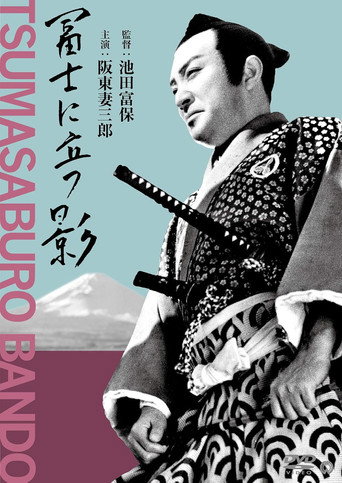
Shadow Over Fuji
1942
1930s · 8 titles
7.0The tale of Nakayama Yasubei’s duel is famous, even if he in reality probably did not cut down 18 opponents. The story has been related in film, rakugo, kodan and on stage many times, in part because Nakayama later joined the famous 47 Ronin (Chushingura) as Horibe Yasubei. But Makino and Inagaki’s version gives no hint of this more serious future, playing up the thrills and the comedy with Bando’s bravura performance. The multiple pans of Yasubei running to the duel are an exemplar of the experimental flourishes of 1930s Japanese cinema and the final duel, performed virtually like a dance number, is a marker of Makino’s love of rhythm and one of the best sword fights in Japanese film history. The film was originally released under the title Chikemuri Takadanoba (Bloody Takadanobaba) with a length of 57 minutes, but suffered some cuts and a title change when it was re-released in 1952.
Blood Spilled at Takadanobaba
1937
NRNo synopsis available yet.
Suronin Chuya
1930
 NR
Prewar jidaigeki starring Denjiro Okochi
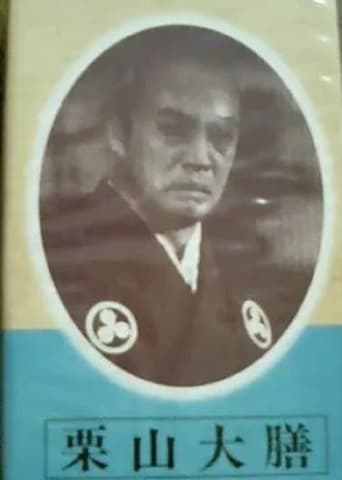
Kuriyama Daizen
1936
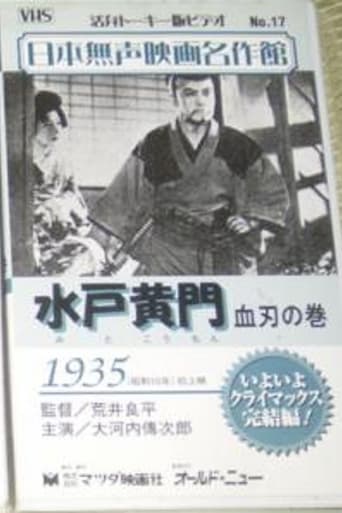 NR
Final installment of the Okochi / Arai / Yamanaka Mito Komon series and just as good as the others (a good deal longer, as well). Again, this film like the other two is similar in tone and spirit to the Yamanaka Tange Sazen film and would appeal to fans of that film.
Mito Komon - The Bloody Swords
1935
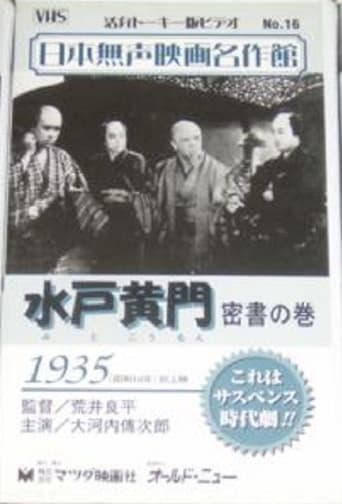 NR
Adaptation of the novel by Osaragi Jirō. Again scripted by the legendary Yamanaka Sadao
Mito Komon - The Secret Letter
1935
No synopsis available yet.
Zuku ôoka seidan mazo kaiketsu-hen
1931
Martial Arts Encyclopedia
Martial Arts Encyclopedia
1934
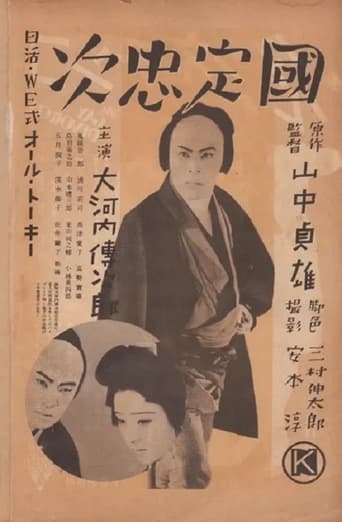 NR
Japanese historical film. Considered Lost.
Kunisada Chūji
1935
1920s · 8 titles
NRNo synopsis available yet.
Mito Kōmon
1926
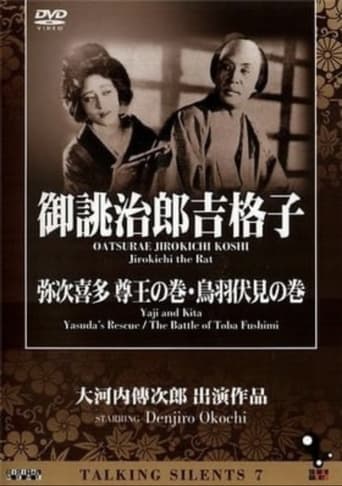 6.0
Yaji and Kita: Yasuda's Rescue is a 1927 black and white Japanese silent film directed by Tomiyasu Ikeda.[1] This comedy film showcases the comic talent of Denjiro Okochi, which contrasts markedly with his heroic performance in Oatsurae Jirokichi Koshi. The humorous exchanges with Goro Kawabe, his senior at Nikkatsu, can be priceless, with the expressions and movements of the two goofy characters making for pure, hilarious slapstick comedy. A 15-minute remnant of the film was released on DVD by Digital Meme with benshi accompaniment by Midori Sawato and Ryubi Kato.
Yaji and Kita: Yasuda's Rescue
1927
Yaji and Kita: The Battle of Toba Fushimi is a 1928 Japanese film directed by Tomiyasu Ikeda.[1] This comedy film showcases the acting talent of Denjirō Ōkōchi and acts as a complementary film to Yaji and Kita: Yasuda's Rescue, which is part of the Yaji and Kita series. An 8-minute remnant of the film was released on DVD by Digital Meme with a benshi accompaniment by Midori Sawato. The version in the National Film Center is 23 minutes long.
Yaji and Kita: The Battle of Toba Fushimi
1928
Japanese film from 1925.
Cry of the Raging Current
1925
 8.2
Set in the Edo period, the film deals with two brothers falling in love with the same girl. Sadly, only 12 minutes of footage survive.
An Unforgettable Grudge
1926
Japanese film from 1924.
A Woman from the Genroku Era
1924
 7.0
No synopsis available yet.
Gerou
1927
 NR
A period drama about samurai who survived a loss in battle. An early jidaegeki by Hiroshi Shimizu.
Fallen Samurai
1925