
Known for
 NR
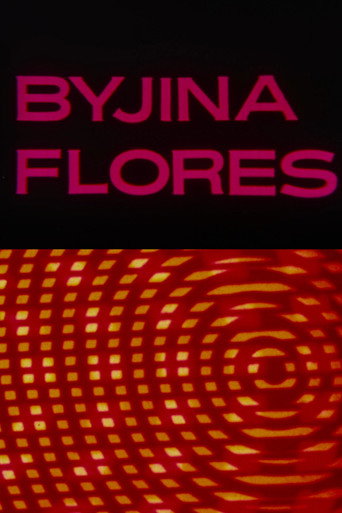
In Byjina Flores, filamented, fluted panels of neon-bright red, orange, and yellow shift rhythmically across the range of vision to produce weird perspectival illusions and kinetic trajectories. Objects, which seem to be giant walls of lightbulbs, warp, wobble, and dance, alternating colors stroboscopically. The effect approximates a kind of sculpture in time, a kinetic molding of the temporal as well as the optical experience.
Byjina Flores
1966
 3.0
Abstract film by John Whitney Jr., filmed using a long exposure of a photograph of a person.
Terminal Self
1972
 10.0
Crossing the Frontier: Making 'The Last Starfighter', an original documentary with a fascinating look at the creation of the film and its groundbreaking computer-generated visual effects. Hosted by star Lance Guest (Alex Rogan) and featuring behind-the-scenes footage and all new interviews with director Nick Castle, production designer Ron Cobb, art director James Bissell, producer Gary Adelson, composer Craig Safan and some of the computer artists who blazed the trail for a new era of effects technology at Digital Productions. Also included are comments from leading artists at Industrial Light and Magic who discuss the historical importance of The Last Starfighter in the annals of the visual effects field.
Crossing the Frontier: Making The Last Starfighter
1999
 NR
Side Phase Drift is an abstract three-screen performance projection piece. Each frame was composed of sets of images that were manipulated in form, color, superimposition and time. The image sequences are logical permutations of a progressively evolving order. The images were realized on a mechanical analogue computer system called a CAM machine and an Optical Printer at Motion Graphics, Inc. The Optical Printer was modified with controls and accessories to facilitate the color sequencing which was based on complimentary color relationships utilizing a hierarchical system.
Side Phase Drift
1965
Film credits
Behind the camera
NRIn Byjina Flores, filamented, fluted panels of neon-bright red, orange, and yellow shift rhythmically across the range of vision to produce weird perspectival illusions and kinetic trajectories. Objects, which seem to be giant walls of lightbulbs, warp, wobble, and dance, alternating colors stroboscopically. The effect approximates a kind of sculpture in time, a kinetic molding of the temporal as well as the optical experience.
Byjina Flores
1966
3.0Abstract film by John Whitney Jr., filmed using a long exposure of a photograph of a person.
Terminal Self
1972
NRSide Phase Drift is an abstract three-screen performance projection piece. Each frame was composed of sets of images that were manipulated in form, color, superimposition and time. The image sequences are logical permutations of a progressively evolving order. The images were realized on a mechanical analogue computer system called a CAM machine and an Optical Printer at Motion Graphics, Inc. The Optical Printer was modified with controls and accessories to facilitate the color sequencing which was based on complimentary color relationships utilizing a hierarchical system.
Side Phase Drift
1965