
Writing
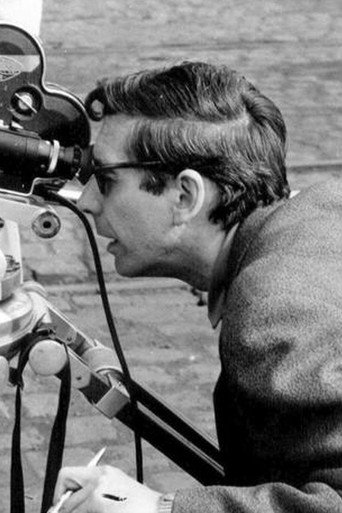
Rik Kuypers
Born — Died
1925-04-11 — 2019-05-22
Place of birth
Mortsel, Flanders, Belgium
Known for
Writing
Credits
14 titles
Known for
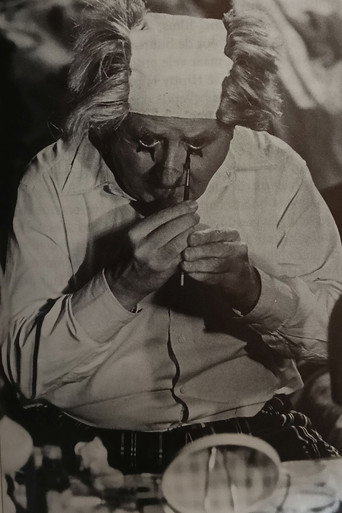 NR
NRFilippi is a circus clown who lives a double existence: on stage he is successful and beloved, but privately he is consumed by jealousy and emotional fragility. He is in love with Arlette, a trapeze artist, but she prefers his rival Mario. When Filippi attempts to eliminate Mario, the situation spirals into tragedy, leading to Arlette’s death. Unable to cope with guilt, Filippi becomes trapped in a downward spiral of remorse, illusion, and emotional collapse. The story is largely told through flashbacks within the circus environment, blurring reality and memory.
Adieu Filippi
1968
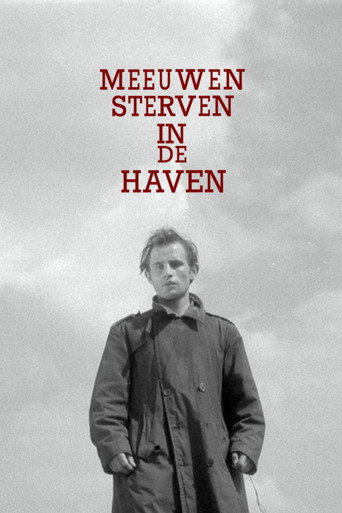 7.0
7.0A pessimistic urban drama, with a musical score by Jack Sels and Max Damasse, charts in strongly expressionistically lit black-and-white images the wanderings of a tormented man through the cosmopolitan port city of Antwerp. The only people to show him understanding are an orphan and two disillusioned women.
Seagulls Die in the Harbour
1955
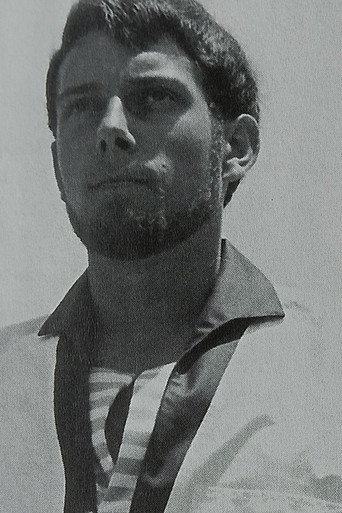 9.0
9.0Arno's contract with an oil company in the Sahara desert has come to an end and he's planning to return to Europe. On his way to the harbour his car breaks down and he's unable to get it running again.
De obool
1966
A documentary about the people living in the South Indies.
In de schaduw van de goden
1974
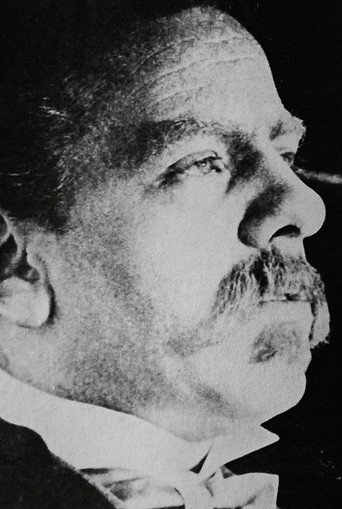 NR
NRDirected by Rik Kuypers, the 1968 documentary Lieven Gevaert, eerste arbeider chronicles the life of the Flemish industrialist, highlighting his transition from a small-scale photographic paper producer to founder of the global Agfa-Gevaert corporation. The film emphasizes Gevaert's social philosophy, his dedication to the Christian labor movement, and his pivotal role in the Flemish Movement, portraying him as both a pioneering industrialist and a social reformer.
Lieven Gevaert, Eerste arbeider
1968
 NR
NRThe Carmelite Fathers’ mission in Travancore, India, struggles with countless challenges. Two natives, Thomas and Jais, marry, yet happiness eludes them. Thomas abandons his wife and child, leaving Jais devastated. Overcome by grief, she dies, and a cross is placed on her grave—the enduring symbol of eternal hope.
Atcha
1954
Behind the camera
NRFilippi is a circus clown who lives a double existence: on stage he is successful and beloved, but privately he is consumed by jealousy and emotional fragility. He is in love with Arlette, a trapeze artist, but she prefers his rival Mario. When Filippi attempts to eliminate Mario, the situation spirals into tragedy, leading to Arlette’s death. Unable to cope with guilt, Filippi becomes trapped in a downward spiral of remorse, illusion, and emotional collapse. The story is largely told through flashbacks within the circus environment, blurring reality and memory.
Adieu Filippi
1968
NRFilippi is a circus clown who lives a double existence: on stage he is successful and beloved, but privately he is consumed by jealousy and emotional fragility. He is in love with Arlette, a trapeze artist, but she prefers his rival Mario. When Filippi attempts to eliminate Mario, the situation spirals into tragedy, leading to Arlette’s death. Unable to cope with guilt, Filippi becomes trapped in a downward spiral of remorse, illusion, and emotional collapse. The story is largely told through flashbacks within the circus environment, blurring reality and memory.
Adieu Filippi
1968
7.0A pessimistic urban drama, with a musical score by Jack Sels and Max Damasse, charts in strongly expressionistically lit black-and-white images the wanderings of a tormented man through the cosmopolitan port city of Antwerp. The only people to show him understanding are an orphan and two disillusioned women.
Seagulls Die in the Harbour
1955
7.0A pessimistic urban drama, with a musical score by Jack Sels and Max Damasse, charts in strongly expressionistically lit black-and-white images the wanderings of a tormented man through the cosmopolitan port city of Antwerp. The only people to show him understanding are an orphan and two disillusioned women.
Seagulls Die in the Harbour
1955
9.0Arno's contract with an oil company in the Sahara desert has come to an end and he's planning to return to Europe. On his way to the harbour his car breaks down and he's unable to get it running again.
De obool
1966
9.0Arno's contract with an oil company in the Sahara desert has come to an end and he's planning to return to Europe. On his way to the harbour his car breaks down and he's unable to get it running again.
De obool
1966
9.0Arno's contract with an oil company in the Sahara desert has come to an end and he's planning to return to Europe. On his way to the harbour his car breaks down and he's unable to get it running again.
De obool
1966
A documentary about the people living in the South Indies.
In de schaduw van de goden
1974
A documentary about the people living in the South Indies.
In de schaduw van de goden
1974
NRDirected by Rik Kuypers, the 1968 documentary Lieven Gevaert, eerste arbeider chronicles the life of the Flemish industrialist, highlighting his transition from a small-scale photographic paper producer to founder of the global Agfa-Gevaert corporation. The film emphasizes Gevaert's social philosophy, his dedication to the Christian labor movement, and his pivotal role in the Flemish Movement, portraying him as both a pioneering industrialist and a social reformer.
Lieven Gevaert, Eerste arbeider
1968
NRThe Carmelite Fathers’ mission in Travancore, India, struggles with countless challenges. Two natives, Thomas and Jais, marry, yet happiness eludes them. Thomas abandons his wife and child, leaving Jais devastated. Overcome by grief, she dies, and a cross is placed on her grave—the enduring symbol of eternal hope.
Atcha
1954
NRThe Carmelite Fathers’ mission in Travancore, India, struggles with countless challenges. Two natives, Thomas and Jais, marry, yet happiness eludes them. Thomas abandons his wife and child, leaving Jais devastated. Overcome by grief, she dies, and a cross is placed on her grave—the enduring symbol of eternal hope.
Atcha
1954
About the friendship between a Western tourist and a coachman from Morocco.
Jillali
1965
About the friendship between a Western tourist and a coachman from Morocco.
Jillali
1965