
Production
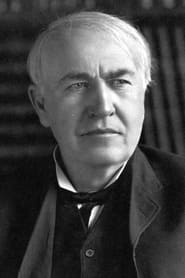
Thomas A. Edison
Born — Died
1847-02-11 — 1931-10-18
Place of birth
Milan, Ohio, USA
Known for
Production
Credits
64 titles
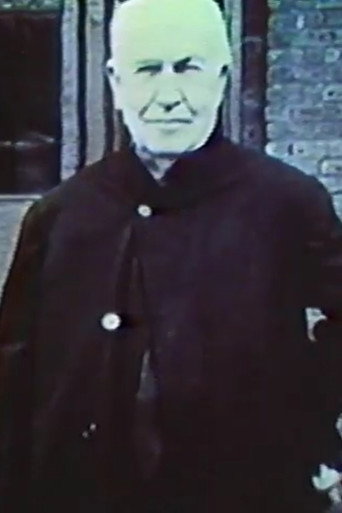
Thomas Alva Edison (February 11, 1847 – October 18, 1931) was an American inventor and businessman who has been described as America's greatest inventor. He developed many devices in fields such as electric power generation, mass communication, sound recording, and motion pictures. These inventions, which include the phonograph, the motion picture camera, and the long-lasting, practical electric light bulb, have had a widespread impact on the modern industrialized world. He was one of the first inventors to apply the principles of organized science and teamwork to the process of invention, working with many researchers and employees. He established the first industrial research laboratory. …
Known for
 7.5
7.5Horizon tells amazing science stories, unravels mysteries and reveals worlds you've never seen before.
Horizon
1964
 7.5
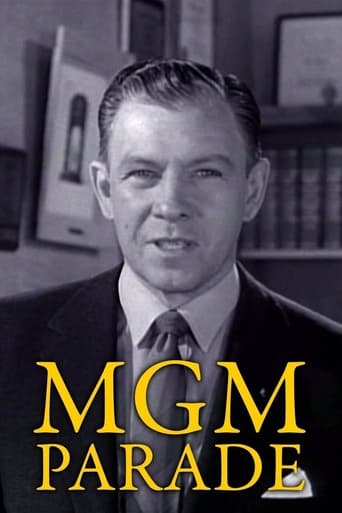
7.5The original concept of the show was to allow the viewer to see the inner workings of a movie studio and featured interviews with MGM stars and explanations of how movies were made. Later, the format changed to show edited versions of MGM films.
MGM Parade
1955
 7.1
7.1Infographics and archival footage deliver bite-size history lessons on scientific breakthroughs, social movements and world-changing discoveries.
History 101
2020
 7.0
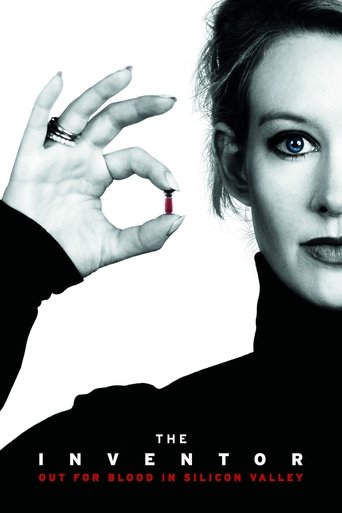
7.0With a magical new invention that promised to revolutionize blood testing, Elizabeth Holmes became the world’s youngest self-made billionaire, heralded as the next Steve Jobs. Then, overnight, her 10-billion-dollar company dissolved. The rise and fall of Theranos is a window into the psychology of fraud.
The Inventor: Out for Blood in Silicon Valley
2019
Produced for television by Claude-Jean Philippe, the « Encyclopédie audiovisuelle du cinéma », recounts the history of French cinema from its birth to the beginning of the 1960s. With commentary read by Jean Rochefort.
Encyclopédie audiovisuelle du cinéma
1978
 6.2
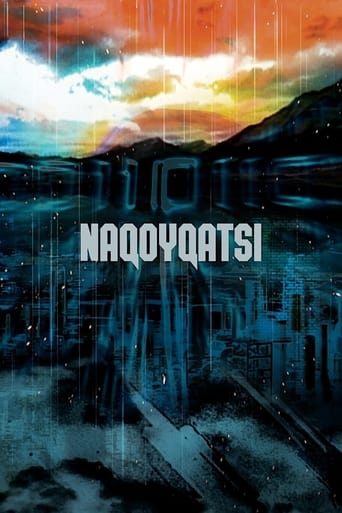
6.2A visual montage portrait of our contemporary world dominated by globalized technology and violence.
Naqoyqatsi
2002
Film credits
2010s · 4 titles
7.0With a magical new invention that promised to revolutionize blood testing, Elizabeth Holmes became the world’s youngest self-made billionaire, heralded as the next Steve Jobs. Then, overnight, her 10-billion-dollar company dissolved. The rise and fall of Theranos is a window into the psychology of fraud.
The Inventor: Out for Blood in Silicon Valley
2019
 6.9
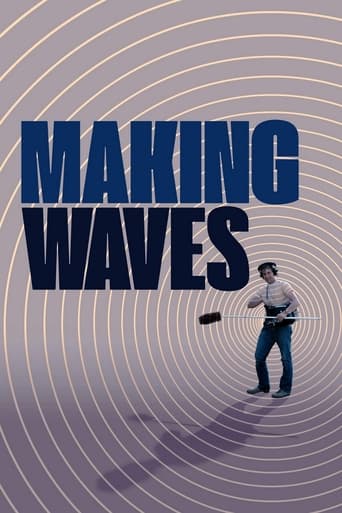
6.9The history of cinematic sound, told by legendary sound designers and visionary filmmakers.
Making Waves: The Art of Cinematic Sound
2019
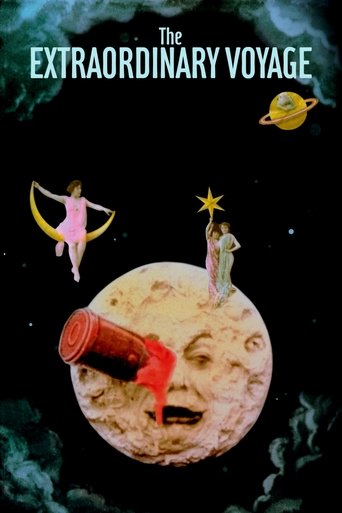 7.7
7.7An account of the extraordinary life of film pioneer Georges Méliès (1861-1938) and the amazing story of the copy in color of his masterpiece A Trip to the Moon (1902), unexpectedly found in Spain and restored thanks to the heroic efforts of a group of true cinema lovers.
The Extraordinary Voyage
2011
 7.2
7.2By the time he died in 1931, Thomas Alva Edison was one of the most famous men in the world. The holder of more patents than any other inventor in history, Edison had achieved glory as the genius behind such revolutionary inventions as sound recording, motion pictures, and electric light. Born on the threshold of America's burgeoning industrial empire, Edison's curiosity led him to its cutting edge. With just three months of formal schooling, he took on one seemingly impossible technical challenge after another, and through intuition, persistence, and a unique team approach to innovation, invariably solved it. Driven and intensely competitive, Edison was often neglectful in his private life and could be ruthless in business. Challenged by competition in the industry he'd founded, Edison launched an ugly propaganda campaign against his rivals, and used his credibility as an electrical expert to help ensure that high-voltage electrocution became a form of capital punishment.
Edison
2015
2000s · 3 titles
6.2A visual montage portrait of our contemporary world dominated by globalized technology and violence.
Naqoyqatsi
2002
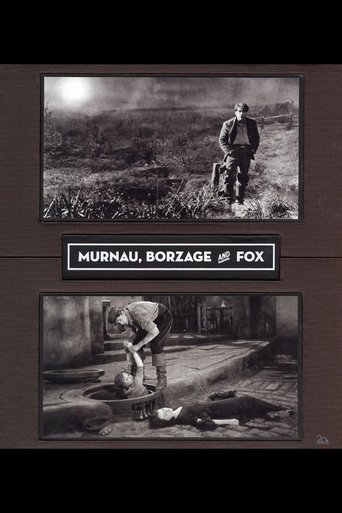 7.0
7.0Documentary focusing on the film careers F.W. Murnau, Frank Borzage and William Fox and their impact on the history of cinema.
Murnau, Borzage and Fox
2008
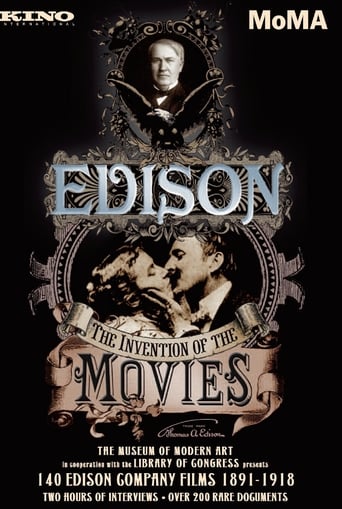 8.0
8.0A history of the Edison Company, the pioneering film production company begun by Thomas A. Edison. Included are more than 140 complete films produced by the company between 1891 and 1918, along with interviews with film historians and archivists, and commentary by Charles Musser, a noted film historian and authority on the films of the Edison Company.
Edison: The Invention of the Movies
2005
1990s · 3 titles
 10.0
10.0The careers of D.W. Griffith, Mary Pickford, Douglas Fairbanks, and Charlie Chaplin are chronicled culminating in the formation of United Artists and 1919.
Star Power: The Creation Of United Artists
1998
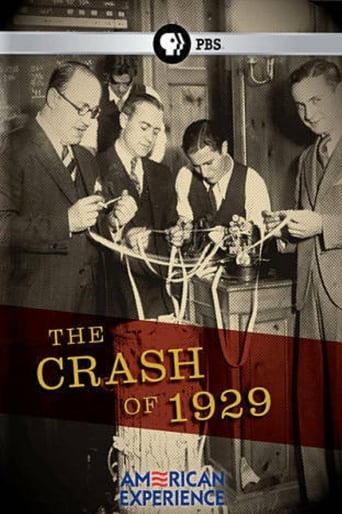 NR
NRBased on eight years of continued prosperity, presidents and economists alike confidently predicted that America would soon enter a time when there would be no more poverty, no more depressions -- a "New Era" when everyone could be rich. But when reality finally struck, the consequences of such unbound optimism shocked the world.
The Crash of 1929
1990
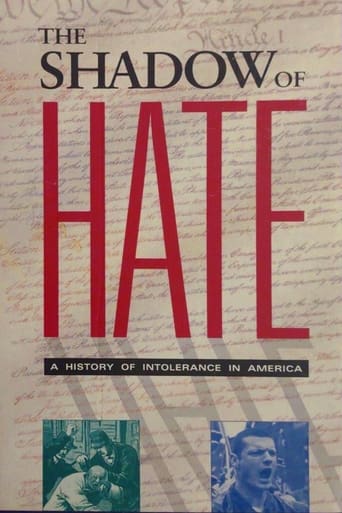 7.2
7.2The film expresses the history of oppression, discrimination, violence and hate in America. It was nominated for an Academy Award for Best Documentary Short.
The Shadow of Hate: A History of Intolerance in America
1995
1980s · 1 titles
1970s · 1 titles
1940s · 2 titles
 7.5
7.5In this John Nesbitt's Passing Parade short, a look is taken at the problems of film preservation efforts in the 1930s and early 1940s.
The Film That Was Lost
1942
 6.7
6.7This short was released in connection with the 20th anniversary of Warner Brothers' first exhibition of the Vitaphone sound-on-film process on 6 August 1926. The film highlights Thomas A. Edison and Alexander Graham Bell's efforts that contributed to sound movies and acknowledges the work of Lee De Forest. Brief excerpts from the August 1926 exhibition follow. Clips are then shown from a number of Warner Brothers features, four from the 1920s, the remainder from 1946/47.
Okay for Sound
1946
1920s · 2 titles
 9.0
9.0A six-part documentary recording the 74-year-old Edison's collaborations with his staff, conversations with industrial leaders, and supervision of the factory's production line. The majority of the film (parts 3, 4, and 5) chronicles Edison's trip to the incandescent light bulb factory and details its manufacturing process.
A Day with Thomas A. Edison
1922
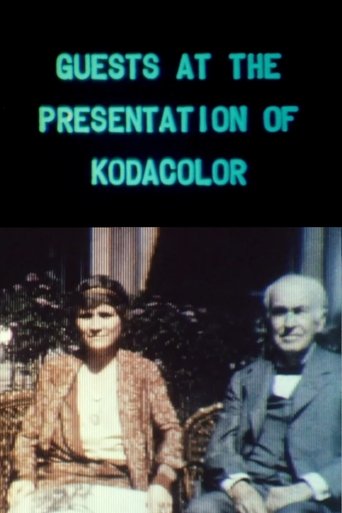 NR
NRThe evening presentation of distinguished guests from earlier that afternoon.
Guests at the Presentation of Kodacolor at the Home of Mr. George Eastman, Rochester, N.Y.
1928
Series credits
7.5Horizon tells amazing science stories, unravels mysteries and reveals worlds you've never seen before.
Horizon
1964
7.5The original concept of the show was to allow the viewer to see the inner workings of a movie studio and featured interviews with MGM stars and explanations of how movies were made. Later, the format changed to show edited versions of MGM films.
MGM Parade
1955
7.1Infographics and archival footage deliver bite-size history lessons on scientific breakthroughs, social movements and world-changing discoveries.
History 101
2020
Produced for television by Claude-Jean Philippe, the « Encyclopédie audiovisuelle du cinéma », recounts the history of French cinema from its birth to the beginning of the 1960s. With commentary read by Jean Rochefort.
Encyclopédie audiovisuelle du cinéma
1978
Behind the camera
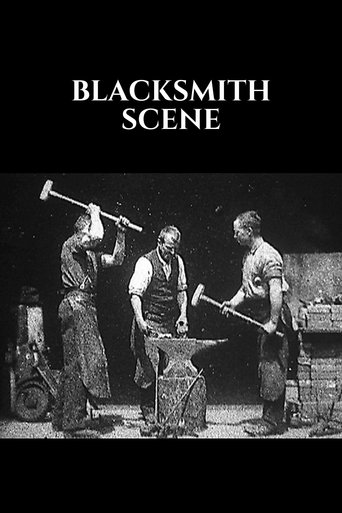 5.6
5.6Three men hammer on an anvil and pass a bottle of beer around. Notable for being the first film in which a scene is being acted out.
Blacksmith Scene
1893
An excerpt of the Shakespeare play presented in the Kinetophone sound system, in which the sound was provided by synchronized Edison cylinders.
Julius Caesar
1913
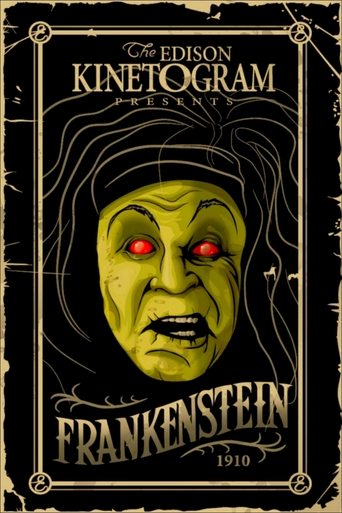 6.1
6.1Frankenstein, a young medical student, trying to create the perfect human being, instead creates a misshapen monster. Made ill by what he has done, Frankenstein is comforted by his fiancée; but on his wedding night he is visited by the monster.
Frankenstein
1910
 NR
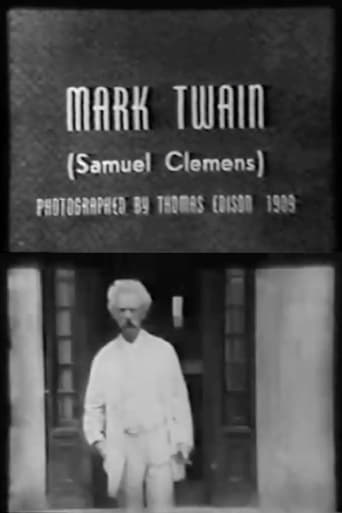
NRThe only known moving-image footage of the author, filmed at his home, Stormfield, in Redding, Connecticut. The silent short shows Twain walking about his estate, relaxing indoors with his daughters Clara and Jean. No known voice recording survives. Part of this footage has been associated with Edison’s The Prince and the Pauper (1909). Although Thomas Edison has sometimes been mistakenly named as director, he was never credited as director on any films; the actual director of this short is unknown.
Mark Twain (Samuel Clemens)
1909
 NR
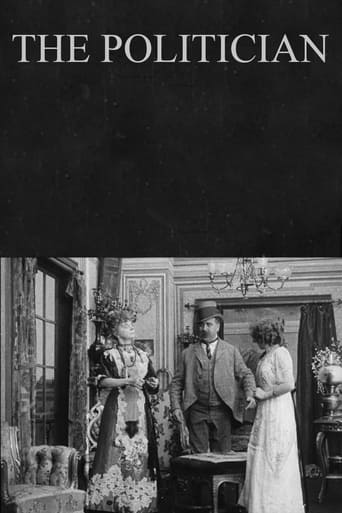
NRA political boss antagonizes his constituents when he delivers an oratory while being fed talking points from his daughter who is reading from the wrong newspaper.
The Politician
1913
Klingsor seeks admission to the Holy Grail. Evil summons Kundry. Herzeloid appears with the child Parsifal. Crowning of Amfortas. Wounding of Amfortas. Carrying Amfortas to his bath. Kundry brings relief to Amfortas. Parsifal reproached for killing the Swan. Kundry succumbs to Evil. Knights entering the Holy Grail. Parsifal unmoved. Klingsor summons Kundry. Parsifal enters the Magic Garden. Kundry kisses Parsifal. Parsifal calls upon the Saviour. Parsifal repulses Kundry. Klingsor hurls the Sacred Spear. Destruction of the Magic Garden. Guernemanz restores Kundry. Parsifal appears with Sacred Spear. Kundry washes Parsifal's feet. Amfortas tears open his wound. Parsifal heals Amfortas. Parsifal becomes King of the Holy Grail.
Parsifal
1904
 6.0
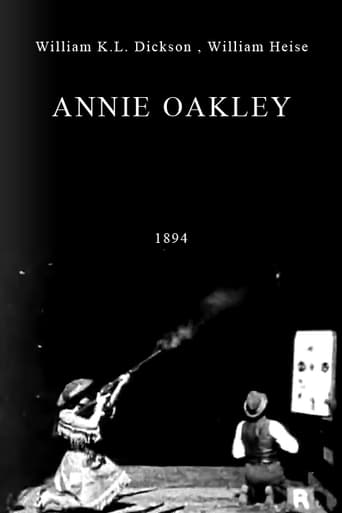
6.0A short Edison Black Maria studio film featuring famed sharpshooter Annie Oakley, known as “Little Sure Shot.” Born Phoebe Ann Oakley Mozee in Ohio in 1860, she rose to global fame performing with Buffalo Bill’s Wild West show. Accompanied (likely) by her husband and fellow marksman Frank Butler, Oakley’s diminutive stature belied her legendary marksmanship.
Annie Oakley
1894
A short Edison Kinetophone film, distributed by General Film Company, representative of Edison’s early sound-film experiments. Details on plot, cast, and runtime are not fully documented in surviving sources.
Her Redemption
1913
A Kinetophone short featuring Andrew Carnegie speaking on “The Duty of the Wealthy Man,” recorded January 20, 1914, at Edison’s Bronx studio (production number 5113). The motion picture element is presumed lost; however, the synchronized sound cylinder survives.
Andrew Carnegie
1914
 NR
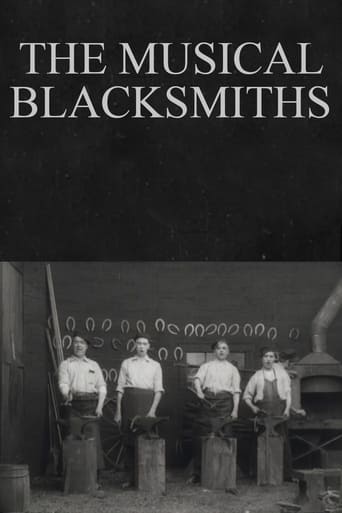
NRThe Edison Quartet perform songs as blacksmiths. This was one of 200 projects produced using the Edison Kinetophone system. The Kinetophone was a fairly complex mechanical means of creating talking pictures. Unlike previous systems, in which actors would be required to lip sync to preexisting recordings on camera, the Kinetophone was one of the earliest film technologies to record sound at the same time as the image.
The Musical Blacksmiths
1913
 6.3
6.3Late 1800s cigarette advertisement produced by Thomas Edison Manufacturing.
Admiral Cigarette
1897
 4.8
4.8This fight consists of six rounds, each round on a film 150 feet long. It's an actual contest between James J. Corbett, former champion of the world, and Peter Courtney. The films are listed as "1st Round", "2nd Round", "3rd Round", "4th Round", "5th Round", and "6th Round".
Corbett and Courtney Before the Kinetograph
1894
 5.9
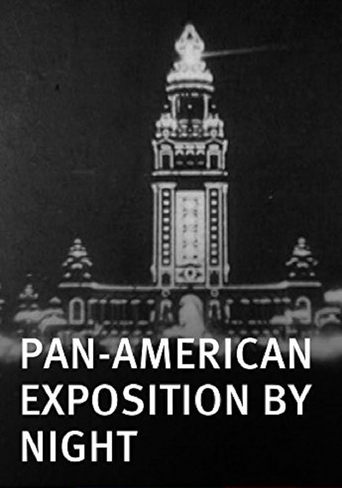
5.9A great feature of the Pan-American Exposition, as unanimously conceded by all visitors, was the electric illumination of the Exposition grounds at night. After a great deal of experimenting and patience, we succeeded in securing an excellent picture of the buildings at the Pan-American as they appeared when lighted up at night.
Pan-American Exposition by Night
1901
 5.4
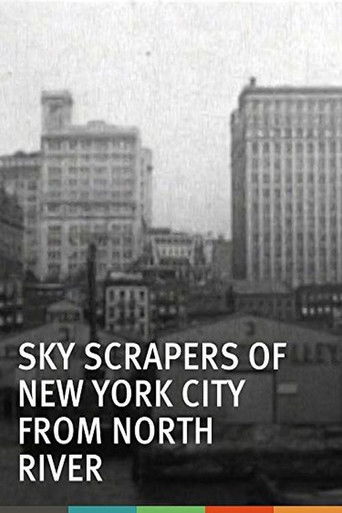
5.4A beautiful panoramic view of lower New York from Barclay Street to Battery Park, showing a beautiful stereoscopic effect of the sky-scrapers in the business section of the city.
Skyscrapers of New York City, from the North River
1903
 NR
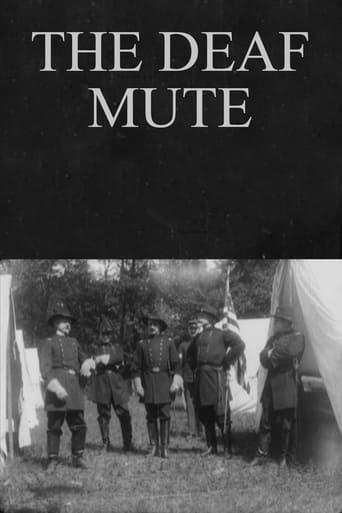
NRCivil War drama of a Confederate spy who is captured by Union soldiers.
The Deaf Mute
1913
 6.3
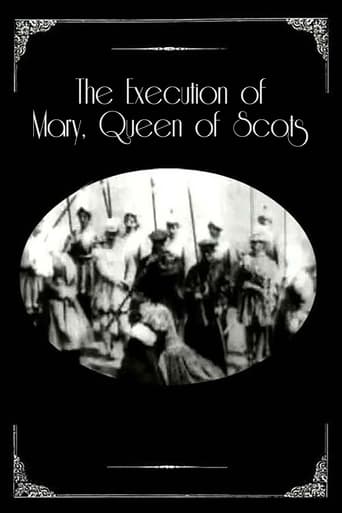
6.3A short film depicting the execution of Mary, Queen of the Scots. Mary is brought to the execution block and made to kneel down with her neck over it. The executioner lifts his axe ready to bring it down. After that frame Mary has been replaced by a dummy. The axe comes down and severs the head of the dummy from the body. The executioner picks up the head and shows it around for everyone else to see. One of the first camera tricks to be used in a movie.
The Execution of Mary, Queen of Scots
1895
A showcase of trapeze artist Alciede Capitaine, billed as “The Perfect Woman,” whose daring feats on the flying bar combined grace with breathtaking athleticism. Produced by Edison in 1898, this title should not be confused with Dickson’s earlier 1894 short Mlle. Capitaine, which also featured the performer.
Alciede Capitane
1898
 5.0
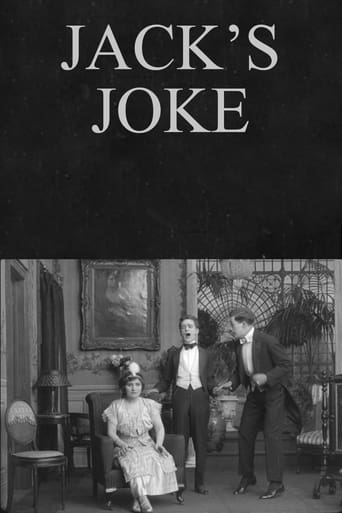
5.0A comic sketch that features two players who think each one is deaf, causing them to shout. Part of the Edison Kinetophone Collection. The Kinetophone was a fairly complex mechanical means of creating talking pictures. Unlike previous systems, in which actors would be required to lip sync to preexisting recordings on camera, the Kinetophone was one of the earliest film technologies to record sound at the same time as the image.
Jack's Joke
1913
 2.7
2.7Film depicting the killing of Topsy, an elephant employed to help build Luna Park on Coney Island.
Electrocuting an Elephant
1903
 5.1
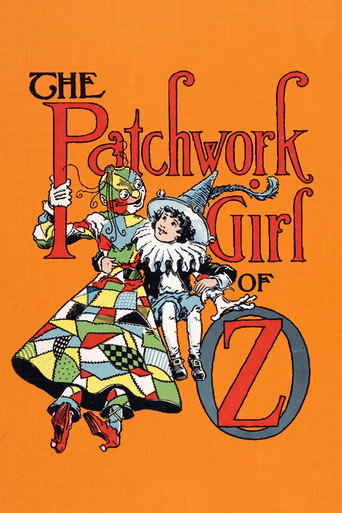
5.1Ojo and Unc Nunkie are out of food, so they decide to journey to the Emerald City where they will never starve. Along the way, they meet Mewel, a waif and stray (mule) who leads them to Dr. Pipt, who has been stirring the powder of life for nine years. Ojo adds plenty of brains to Margolotte's Patchwork servant before she is brought to life with the powder. When Scraps does come to life, she accidentally knocks the liquid of petrifaction upon Unc Nunkie, Margolotte, and Danx (daughter Jesseva's boyfriend). So all go on separate journeys to find the ingredients to the antidote.
The Patchwork Girl of Oz
1914
 6.3
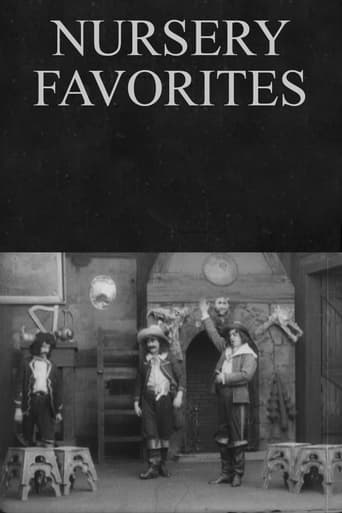
6.3Nursery Favourites (1913) is an Edison Kinetophone short featuring performers miming to a pre-recorded nursery song, synchronized with a commercial phonograph record. It stands as an early example of Edison’s experiments with sound-film technology.
Nursery Favorites
1913
 NR
NROn February 17, 1913, after many years of R+D, Thomas Alva Edison introduced the Edison Kinetophone to an enthusiastic New York audience. The Kinetophone was a fairly complex mechanical means of creating talking pictures. Unlike previous systems, in which actors would be required to lip sync to preexisting recordings on camera, the Kinetophone was one of the earliest film technologies to record sound at the same time as the image. More than 200 of these Kinetophones were produced between 1913 and 1914, but only a handful of the films and their accompanying sound cylinders survive.
The Edison Kinetophone
1913
 5.3
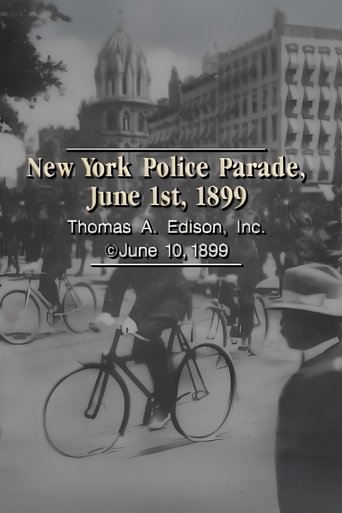
5.3An excellent view of 'The Finest,' on their annual parade and inspection, June 1, 1899. The head of the column is just turning into 14th street from Broadway, the Morton House forming part of the background. Crowds line both sides of the cable car tracks, falling back as the band heading the first division swings around Dead Man's Curve, and passes the camera.
New York Police Parade, June 1st, 1899
1899
Experimental test footage from Edison’s earliest motion picture work, capturing camera trials, exposure studies, and mechanical movement. Likely filmed by Edison staff in the early 1890s, it survives today in the Library of Congress collection. The film has been preserved and restored by the LOC and was later showcased in the compilation Copyright Comedies and More (2022).
Early Edison Camera Tests
1891
 5.5
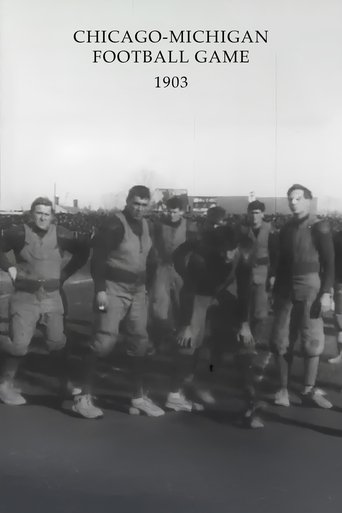
5.5Footage of the 1903 football game between the University of Chicago and the University of Michigan, showing uniformed players in action along with views of the spectators in the stadium and surrounding stands. A rare early motion-picture record of American college football. Although Thomas Edison has sometimes been mistakenly named as director, he was never credited as director on any films; the actual director of this short is unknown.
Chicago-Michigan Football Game
1903
 4.2
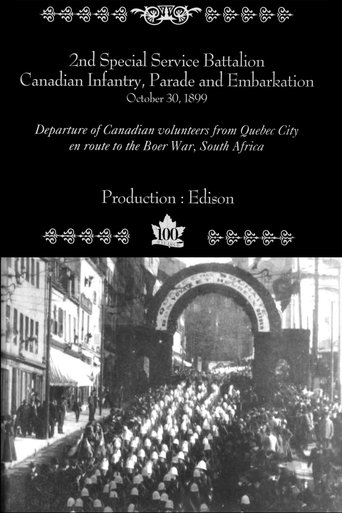
4.2This film captures the departure of the 2nd Special Service Battalion, Canadian Infantry, from Quebec for the war in South Africa. Soldiers in campaign uniform march under a triumphal arch to the cheers of flag-waving crowds before proceeding to the wharf and embarking on the transport Sardinian, bound for the Transvaal.
2nd Special Service Battalion, Canadian Infantry, Parade and Embarkation
1899
A short Edison Kinetophone film, part of Edison’s early experiments in synchronizing sound and image. Distributed by General Film Company. (Plot, cast, and running time are not fully documented in surviving sources.)
The Irish Policeman
1913
 1.6
1.6This 1894 film depicts a staged “war council” featuring a group of Sioux men in traditional dress, seated in deliberation as Buffalo Bill Cody addresses them.
Indian War Council
1894
 4.0
4.0A short documentary capturing the officers and crew of the USS Brooklyn during a naval parade in Brooklyn, New York, on October 1, 1898, following the Spanish-American War. The film features the ship’s 300 Marines and the Marine Band, reflecting public celebrations of the U.S. Navy’s role in the conflict.
Parade of Marines, U.S. Cruiser, 'Brooklyn'
1898
“A comic subject, clear, bright and characteristic. Shows four girls in their night dresses, engaged in an animated pillow fight. During the action the pillows become torn, and the feathers fly over their heads and about the room in great numbers, producing with the white dresses and the black background a novel effect. Sharp, full of action, and popular in character.” (Edison Catalog)
Pillow Fight
1897
A line is shot to the man clinging to the overturned boat. He fastens it to his body using all his fast failing strength. The crew pull him through the surf to the shore, where he is rolled and patted and worked over until resuscitated.
Rescue - Resuscitation
1897
 4.8
4.8Filmed at the second inauguration of William McKinley on March 4, 1901, this short captures the president taking the oath of office at the U.S. Capitol. Although Thomas Edison has sometimes been mistakenly named as director, he was never credited as director on any films; the actual director of this short is unknown.
President McKinley Taking the Oath
1901
 NR
NRA short film in which the members of the Motion Pictures Patents Company (which had been founded only a year earlier) congratulate Thomas Edison himself on receiving a new patent.
Meeting of the Motion Pictures Patents Company
1909
 5.0
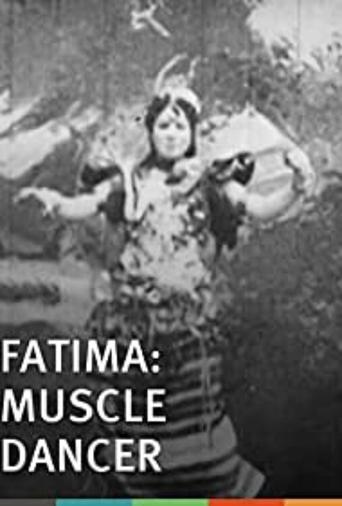
5.0The dancer Fatima, well-known for her dancing shows at the World's Exhibition in 1893, performs for the camera. She opens her act by twirling around a few times, and then she does the 'muscle dance' for which she had attracted considerable notoriety.
Fatima's Coochee-Coochee Dance
1896
 5.0
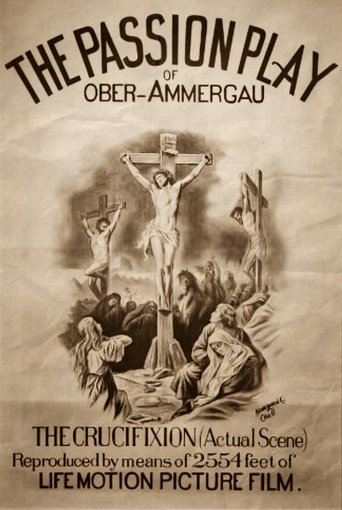
5.0The Passion Play of Oberammergau (1898) presents scenes from the famed Bavarian passion play, dramatizing the final days of Jesus Christ—from his entry into Jerusalem to the Crucifixion and Resurrection. Filmed by the Edison Company, it offered late-19th-century audiences a rare cinematic glimpse of the world-renowned Oberammergau tradition.
The Passion Play of Oberammergau
1898
 4.3
4.3This Edison short delivers everything the title says. In 24-seconds we see a boat being lowered into the water led by Capt. Joseph Hodgson. The boat is put into the water and it quickly disappears out of frame on a drill helping them prepare for a real sinking.
Launch of Life Boat
1897
 6.0
6.0This film records the arrival of the Governor General of Canada, the Earl of Minto, accompanied by the Countess of Minto and their household, as they cross the river in ice canoes. Upon reaching the Quebec side, the canoes encounter a wide ledge of ice extending from the wharf, over which blanket-clad snowshoers haul the Governor, his wife, and their guests. A vivid glimpse of winter travel and ceremonial pageantry in early 20th-century Canada. Although Thomas Edison has sometimes been mistakenly named as director, he was never credited as director on any films; the actual director of this short is unknown.
Arrival of the Governor General, Lord Minto, at Quebec
1902
 4.6
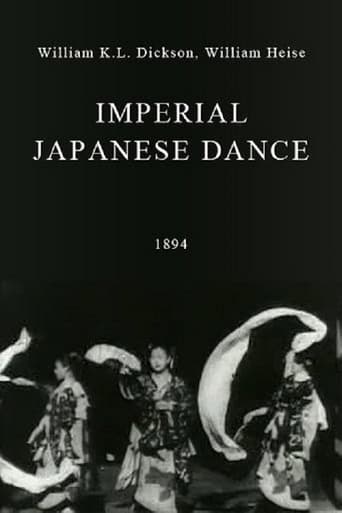
4.6A graceful performance of the Mikado dance, featuring three Japanese women in elaborate traditional costume. Originally noted for its striking effect when hand-colored.
Imperial Japanese Dance
1894
 5.0
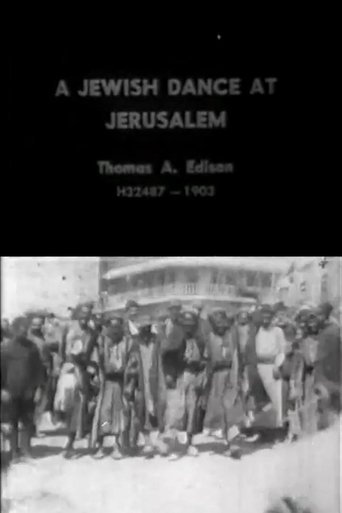
5.0A group of Jewish men in Ottoman Jerusalem perform a dance.
A Jewish Dance at Jerusalem
1903
 1.0
1.0The crew of seven dressed in cork jackets, push the boat through the surf; they clamber in and row out to the wreck. 50 ft.
Launch of Surf Boat
1897