
Directing
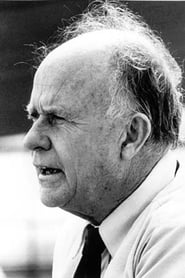
Jean Rouch
Born — Died
1917-05-31 — 2004-02-18
Place of birth
Paris, France
Known for
Directing
Credits
80 titles
Jean Rouch (French: [ʁuʃ]; 31 May 1917, Paris – 18 February 2004, Niger) was a French filmmaker and anthropologist. He is considered to be one of the founders of cinéma-vérité in France, which shared the aesthetics of the direct cinema. Rouch's practice as a filmmaker for over sixty years in Africa, was characterized by the idea of shared anthropology. Influenced by his discovery of surrealism in his early twenties, many of his films blur the line between fiction and documentary, creating a new style of ethnofiction. He was also hailed by the French New Wave as one of theirs. His seminal film Me a Black (Moi, un noir) pioneered the technique of jump cut popularized by Jean-Luc Godard. Godar…
Known for
No synopsis available yet.
Samedi soir
1971
 8.0
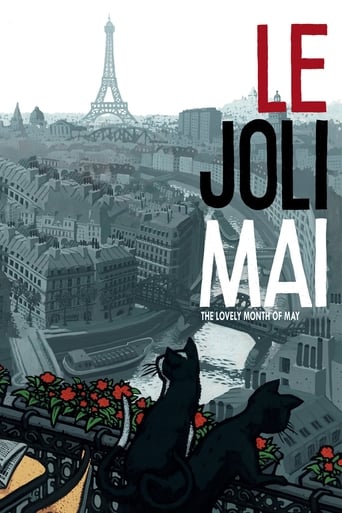
8.0Candid interviews of ordinary people on the meaning of happiness, an often amorphous and inarticulable notion that evokes more basic and fundamentally egalitarian ideals of self-betterment, prosperity, tolerance, economic opportunity, and freedom.
The Lovely Month of May
1963
 7.2
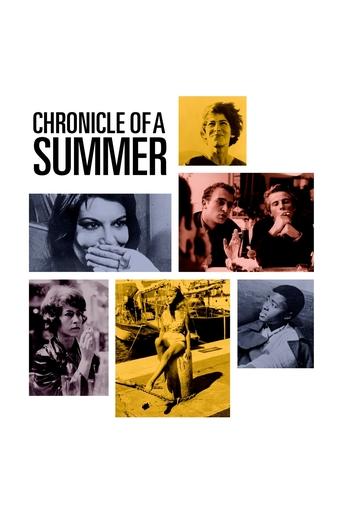
7.2Paris, summer 1960. Anthropologist and filmmaker Jean Rouch and sociologist and film critic Edgar Morin wander through the crowded streets asking passersby how they cope with life's misfortunes.
Chronicle of a Summer
1961
 NR
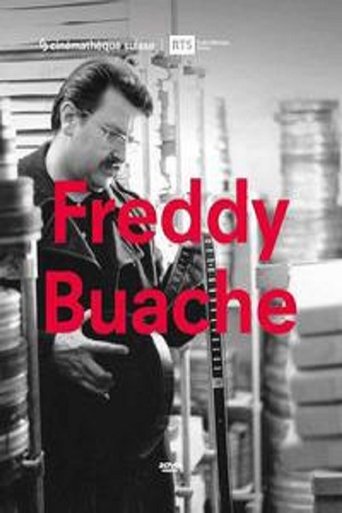
NRA documentary film in which Fabrice Aragno assembles a range of footage from the archives of Radio Télévision Suisse, the Cinémathèque suisse and Cinéma en tête by Freddy Buache’s partner Marie-Magdeleine Brumagne.
Freddy Buache, le cinéma
2012
First part of the collaborative project "Brise-Glace" showing the diverse travels on the icebreaker "Frej". Directed by Jean Rouch.
Brise-glace : Bateau givre
1987
 9.0
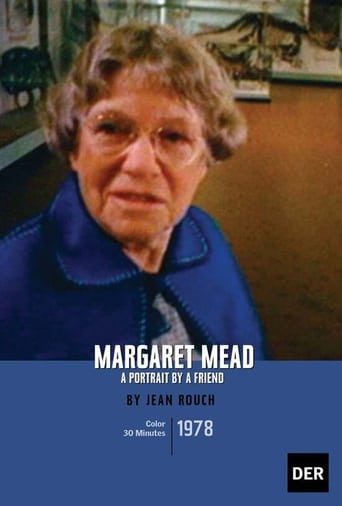
9.0Jean Rouch filmed this loving and humorous portrait of anthropologist and filmmaker Margaret Mead in September 1977 while he was a guest of the first Margaret Mead Film Festival. As both a friend and colleague, Rouch reveals a glimpse of the legendary Mead in her later years.
Margaret Mead: A Portrait By a Friend
1978
Film credits
2020s · 1 titles
2010s · 6 titles
NRA documentary film in which Fabrice Aragno assembles a range of footage from the archives of Radio Télévision Suisse, the Cinémathèque suisse and Cinéma en tête by Freddy Buache’s partner Marie-Magdeleine Brumagne.
Freddy Buache, le cinéma
2012
This documentary interweaves films and voice recordings by Maya Deren with interviews featuring colleagues and contemporaries who worked with or knew her firsthand. Drawing on archival material and commentary from figures such as Jean Rouch and Jonas Mekas, the film traces Deren’s work and influence across experimental cinema and ethnographic thought.
Maya Deren, Take Zero
2012
 7.3
7.3Belgian filmmaker Eric Pauwels' meditation on dream, travel and film.
The Dreamed Films
2010
 3.2
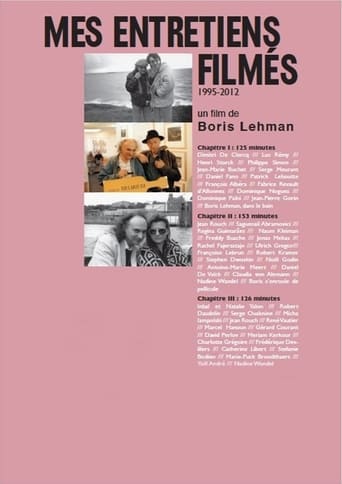
3.2This distinctly personal journey into the artistic possibilities of independent film is not to be missed. Jonas Mekas, Jean-Pierre Gorin, Robert Kramer and many other visionaries and mavericks of the silver screen – as well as a book seller, a critic and a psychoanalyst – discuss what cinema has meant to them, what it is and what it could be and, implicitly, how it has changed over the 18 years in which this film was shot. Director Boris Lehman leads the charge, drawing in moments of absurdist humour and inventive camera work; he keeps things raw and spontaneous. His encounters with the now much-missed Jean Rouch and Stephen Dwoskin are particularly touching and stand testament to their personal playfulness and candour. An engaging, absorbing, epic odyssey of a movie.
My Conversations on Film
2013
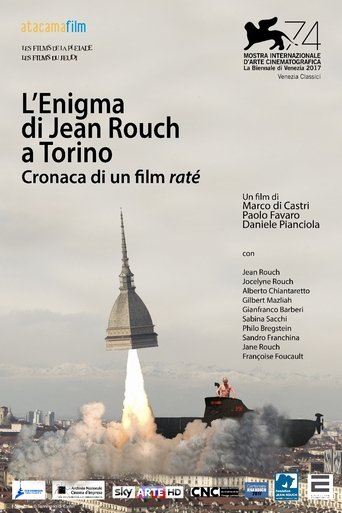 NR
NRNo synopsis available yet.
L’Enigma di Jean Rouch a Torino - Cronaca di un film raté
2017
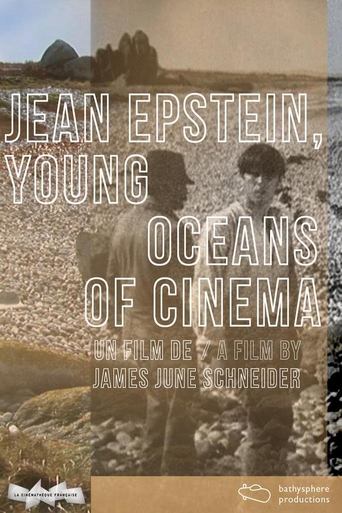 NR
NRThis portrait of the French film theorist and avant-garde director Jean Epstein (1897-1953) concentrates on the period when he filmed in Brittany, the spot where he became inspired by the sea. Using rare archive footage, Jean Epstein, Young Oceans of Cinema also looks at Epstein’s views on the specificity of the film medium.
Jean Epstein, Young Oceans of Cinema
2011
2000s · 5 titles
 8.0
8.0No synopsis available yet.
Nouvelle Vague : El cine sin dogmas
2000
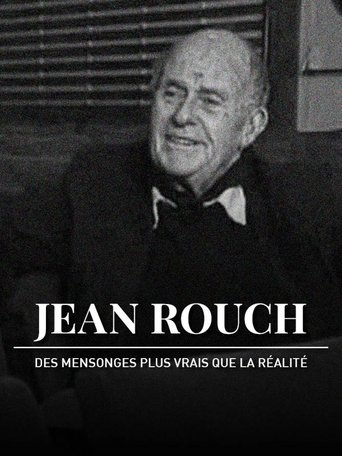 NR
NRNo synopsis available yet.
Jean Rouch, des mensonges plus vrais que la réalité
2004
 NR
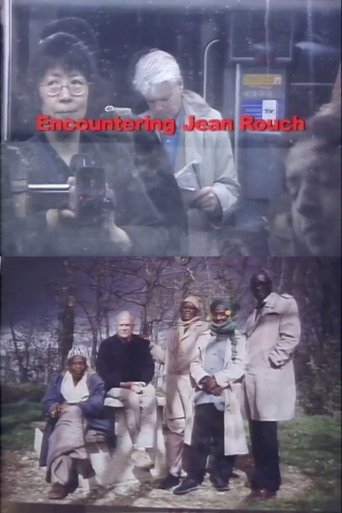
NRThis short film was shot in 2002 during Bilan du Film Ethnographic for the purpose of introducing Jean Rouch to the audience at 2003 Taiwan International Ethnographic film festival. Unexpectedly, Jean Rouch passed away in 2004. In this film Jean Rouch talked about his new marriage, his anger towards the moving of the artifacts of the Mankind Museum, his anarchistic nature, his dreams and fantasies, etc.
Encountering Jean Rouch
2003
 NR
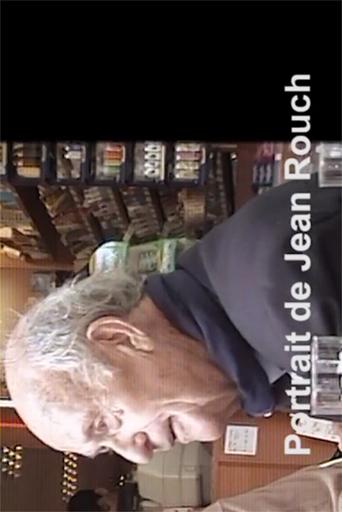
NROn the terrace of his regular café haunt in Paris' 14th arrondissement, Jean Rouch regales Noël Simsolo and Jackie Raynal with stories from the life of a self-described "amateur filmmaker".
Portrait de Jean Rouch
2004
No synopsis available yet.
Mon père c'est un lion - Jean Rouch pour mémoire
2002
1990s · 12 titles
 6.0
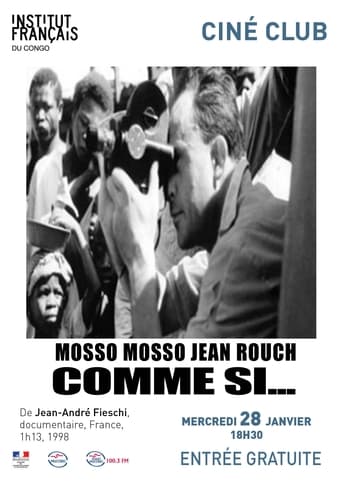
6.0No synopsis available yet.
Cinéma, de notre temps: Mosso, mosso (Jean Rouch comme si...)
1999
 6.0
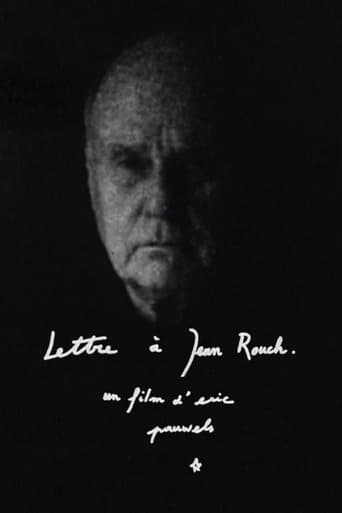
6.0This film is a moving tribute to French filmmaker Jean Rouch. Pauwels, a former collaborator of Rouch, accompanies him on a trip to Japan. In this cinematic letter, which he himself calls “a journey into the memory”, Pauwels philosophises about the essence of cinema and, consequently, of life.
Letter to Jean Rouch
1992
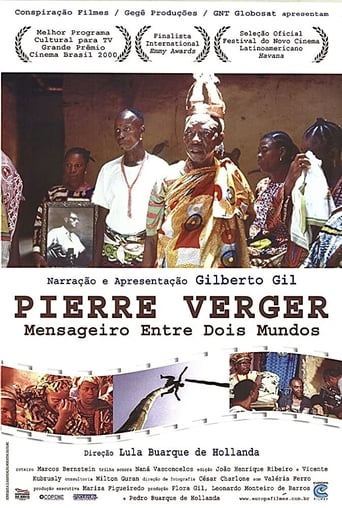 9.0
9.0Inspired by the life of the french-born photographer and ethnographer, Pierre Verger, the movie follows his journey between Bahia, Brazil and Benin, Oriental Africa, showing places and people he met and his life study project: the Candomblé culture.
Pierre Fatumbi Verger: Messenger Between Two Worlds
1998
 NR
NRThe first film in Jean Rouch's filmography is not his first film at all. It was edited by a French news company, using images he had shot but organised into a very different sequence from his own. On top of that, it was accompanied by a colonialist commentary said by a sports reporter! As we watch, Jean Rouch ad-libs a new commentary more in keeping with his images, and so, in 1991, he finally finishes his first film! - Dominique Dubosc
Jean Rouch: First Film 1947-1991
1991
 5.1
5.1You're a provincial kid in Paris and suddenly you're the center of attention: Movie stars, famous directors and sexy women are doting on you because they all think you're the son of their long-dead legendary friend. You never knew your dad, but the facts of this famous guy's life suggest that he might have fathered you. Your mom tells you nothing. All the fuss makes you uncomfortable at first but soon you find it's rather fun to be the son of the famous Gascogne. And in the midst of it all you fall in love. It is, after all, springtime in Paris.
Son of Gascogne
1995
An intimate window into one of the great movements in film history that brought about an evolution in the art of cinema. The documentary portrays the movement with insight on the lives and works of Jean-Luc Godard, François Truffaut and other principal players in the New Wave.
Cinéma! Cinéma! The French New Wave
1992
 NR
NRIn front of Jean Rouch's camera, Germaine Dieterlen recalls her ethnographic itinerary, at the Musée de l'Homme, in Mali and in the Paris of the 1930s.
Germaine chez elle
1994
 NR
NRRites of winter, rites of peyote. A creative documentary based on texts by Antonin Artaud read by Jean Rouch, and the words of the last shaman’s peyote, translated by Raymonde Carasco.
Ciguri - Tarahumaras 99 - Le dernier chaman
1999
 1.0
1.0A male diva sings in a countertenor voice while massacring chickens brought to him by his butler, Jean Rouch, until a slave provides proof of his love for the chicken, which he has tucked under his arm. A film-opera based on a poem and musical theme by Rina Sherman.
An Egg with No Shell
1992
 NR
NRA documentary cycle involving the Rarámuri or Tarahumara people of Northern Mexico. This film addresses rites of winter as well as peyote and bakaka rites. Its commentary, read by Raymonde Carasco and Jean Rouch, is drawn from texts by Antonin Artaud.
Ciguri – Tarahumaras 98 - La Danse Du Peyotl
1998
 NR
NRFrom the bridges of Porto to its estuary, two men are paying tribute to the elegant Douro River. Through Luís de Camões and Prince Henry the Navigator, through its Viking ships and dizzying bridges, the Douro is a great witness to the history and culture of Portugal. Jean Rouch and Manoel de Oliveira are walking alongside while reciting a poem written by de Oliveira himself. During their walk, they reflect upon documentary-making, the charm of the river, and what it represents to them.
A Friendly Handshake
1997
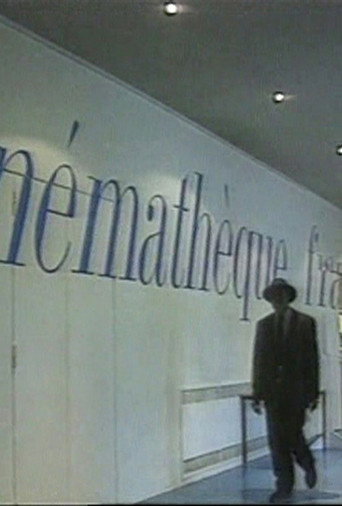 7.0
7.0Malian filmmaker and New York University professor, Manthia Diawara critiques visual anthropology through the work of Jean Rouch.
Rouch in Reverse
1995
1980s · 2 titles
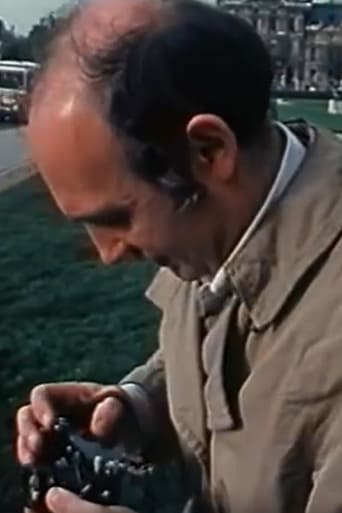 9.0
9.0A fortuitous meeting, late one afternoon, in the garden of the Tuileries, of one or two cameras, a tape recorder, and three cameramen/directors, Raymond Depardon, Jean Rouch, and Philippe Costantini.
Ciné-Portrait of Raymond Depardon
1983
Three pioneers of documentary filmmaking – Joris Ivens, Henri Storck, and the man behind the camera, Jean Rouch – recall the early days of the documentary genre and speak about their creative methods and sources of inspiration. This lively discussion between the directors is shot in cinéma vérité style and spliced with footage from their older films.
Ciné-mafia
1980
1970s · 3 titles
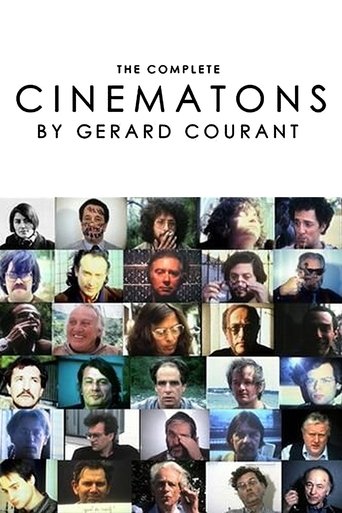 4.9
4.9Cinématon is a 156-hour long experimental film by French director Gérard Courant. It was the longest film ever released until 2011. Composed over 36 years from 1978 until 2006, it consists of a series of over 2,821 silent vignettes (cinématons), each 3 minutes and 25 seconds long, of various celebrities, artists, journalists and friends of the director, each doing whatever they want for the allotted time. Subjects of the film include directors Barbet Schroeder, Nagisa Oshima, Volker Schlöndorff, Ken Loach, Benjamin Cuq, Youssef Chahine, Wim Wenders, Joseph Losey, Jean-Luc Godard, Samuel Fuller and Terry Gilliam, chess grandmaster Joël Lautier, and actors Roberto Benigni, Stéphane Audran, Julie Delpy and Lesley Chatterley. Gilliam is featured eating a 100-franc note, while Fuller smokes a cigar. Courant's favourite subject was a 7-month-old baby. The film was screened in its then-entirety in Avignon in November 2009 and was screened in Redondo Beach, CA on April 9, 2010.
Cinématon
1978
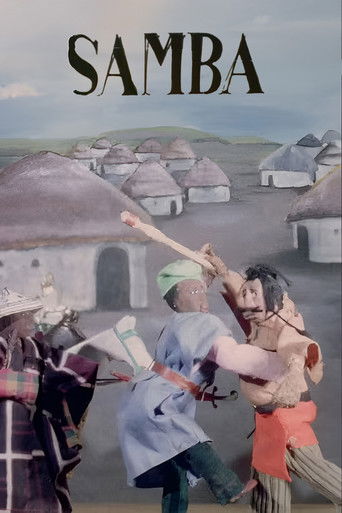 5.5
5.5Based on a traditional folktale, this animated film follows the hero Sambagana, who must complete a succession of arduous trials in order to make a princess laugh and earn her consent to marriage. Combining drawn animation and stop-motion puppetry, the film retells the legend through a stylized, episodic quest narrative.
Samba the Great
1977
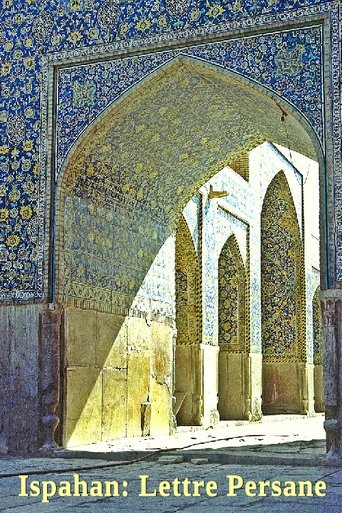 9.0
9.0Jean Rouch’s camera follows his friend, filmmaker/actor/critic Farrokh Ghaffari, as he walks and talks us through the famous Shah Mosque in Esfehan. While guiding him and answering his questions, Ghaffari makes Rouch discover the beauties of the architecture of the mosque and its impact on the city. Throughout the tour, they discuss Islam’s complex relationship with death, sex and cinema.
Ispahan: A Persian Letter (The Chah Mosque at Ispahan)
1977
1960s · 6 titles
8.0Candid interviews of ordinary people on the meaning of happiness, an often amorphous and inarticulable notion that evokes more basic and fundamentally egalitarian ideals of self-betterment, prosperity, tolerance, economic opportunity, and freedom.
The Lovely Month of May
1963
7.2Paris, summer 1960. Anthropologist and filmmaker Jean Rouch and sociologist and film critic Edgar Morin wander through the crowded streets asking passersby how they cope with life's misfortunes.
Chronicle of a Summer
1961
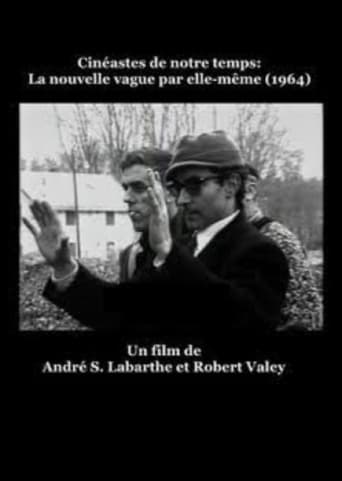 8.0
8.0Made for Cinéastes de notre temps series. In 1964, several French New Wave auteurs discuss the success and crisis of the wave. Featuring Claude Chabrol, François Truffaut, Jacques Rivette, Jean-Luc Godard, Jacques Rozier, Jacques Demy, Agnès Varda, Jean Rouch, and many others.
La Nouvelle Vague par elle-même
1964
Collective contribution to a history of cinema, this issue of the “Civilisations” collection also takes part in the genesis of Deux ou trois choses que je sais d'elle and La Chinoise
Civilisation: L'homme et les images
1967
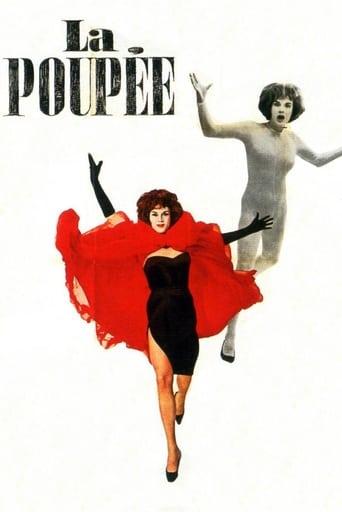 5.5
5.5An avant-garde political satire that takes place in a mythical country in South America. The dictator has been replaced by a look-alike revolutionary, and the dictator's wife has been replaced by a robot.
The Doll
1962
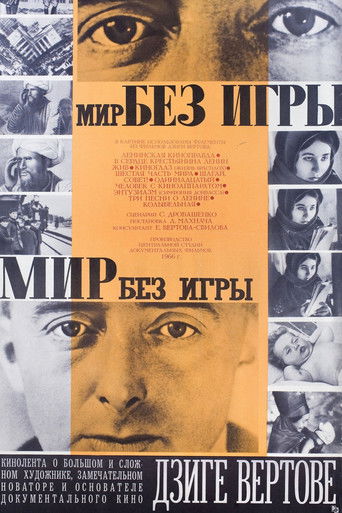 NR
NRDocumentary portrait of Dziga Vertov, father of documentary cinema.
World Without a Game
1966
1950s · 2 titles
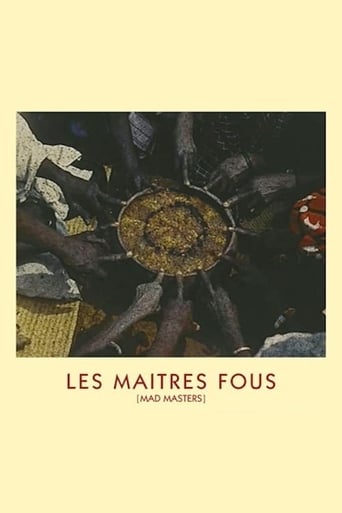 6.2
6.2The subject of the film was the Hauka movement. The Hauka movement consisted of mimicry and dancing to become possessed by French Colonial administrators. The participants performed the same elaborate military ceremonies of their colonial occupiers, but in more of a trance than true recreation.
The Mad Masters
1955
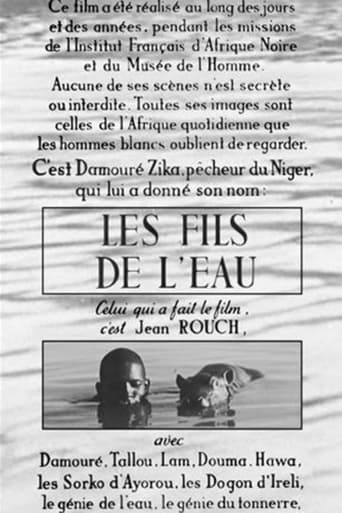 9.0
9.0A compilation of black and white excerpts from five previous color films by Jean Rouch: Yenendi, the Rainmakers, Cemeteries in the Cliff, The Millet People, The Circumcision, Battle on the Great River.
The Sons of the Water
1959
Undated · 2 titles
 NR
NROn a quest to obtain some misdelivered camera batteries, Sam finds himself in a Rotterdam-based sex shop. Here he meets Marty who works there, and this chance encounter turns into a cinematic project between the two. When Sam turns the camera towards this new stranger, the two end up embarking on a year-long journey to create a film together. Their shared process of self-discovery turns this playful desktop film into a profound meditation on the nature of non-fiction film.
Work(ing Together) in Process
—
 7.0
7.0The documentary Rouch's Gang follows the film crew and provides a glimpse behind the scenes as Jean Rouch and his four friends from Niger make their film.
Rouch's Gang
—
Series credits
Behind the camera
7.2Paris, summer 1960. Anthropologist and filmmaker Jean Rouch and sociologist and film critic Edgar Morin wander through the crowded streets asking passersby how they cope with life's misfortunes.
Chronicle of a Summer
1961
First part of the collaborative project "Brise-Glace" showing the diverse travels on the icebreaker "Frej". Directed by Jean Rouch.
Brise-glace : Bateau givre
1987
First part of the collaborative project "Brise-Glace" showing the diverse travels on the icebreaker "Frej". Directed by Jean Rouch.
Brise-glace : Bateau givre
1987
9.0Jean Rouch filmed this loving and humorous portrait of anthropologist and filmmaker Margaret Mead in September 1977 while he was a guest of the first Margaret Mead Film Festival. As both a friend and colleague, Rouch reveals a glimpse of the legendary Mead in her later years.
Margaret Mead: A Portrait By a Friend
1978
9.0A fortuitous meeting, late one afternoon, in the garden of the Tuileries, of one or two cameras, a tape recorder, and three cameramen/directors, Raymond Depardon, Jean Rouch, and Philippe Costantini.
Ciné-Portrait of Raymond Depardon
1983
 NR
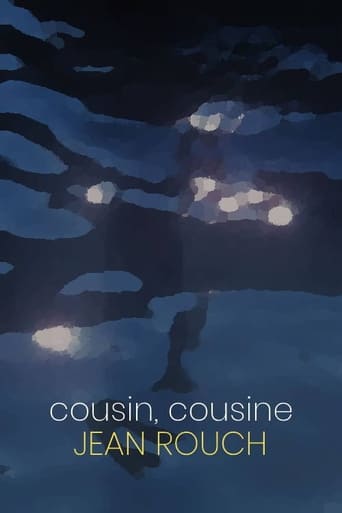
NRMariama and Damouré, two cousins, are in Venice looking for a relic—or fetish—lost a long time ago, as in one of Gentile Bellini’s famous paintings. Moving from the Grand Canal to the Niger River, the two mischievous cousins reveal to us that the relic is none other than the ritual ax of Dongo.
Cousin, cousine
1987
 6.6
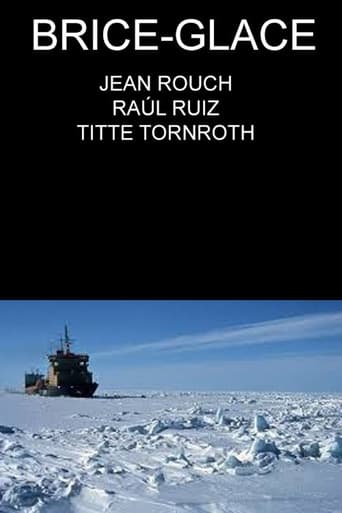
6.6Collaborative experimental project on which three director made different films about the Swedish icebreaker "Frej".
Brise-glace
1990
6.6Collaborative experimental project on which three director made different films about the Swedish icebreaker "Frej".
Brise-glace
1990
 5.7
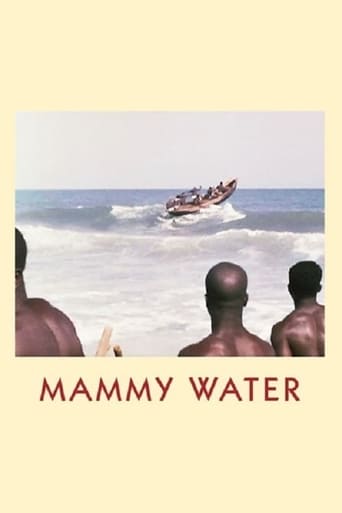
5.7"Mammy Water" is mother sea, source of food. Jean Rouch filmed this short documentary in the Gulf of Guinea, in Ghana, where is held a colorful festival, the Chama, in which the participants offer cassava, gin and tobacco to the spirits of water and sacrifice a white ox to thank them and express their gratitude and respect.
Mammy Water
1953
5.7"Mammy Water" is mother sea, source of food. Jean Rouch filmed this short documentary in the Gulf of Guinea, in Ghana, where is held a colorful festival, the Chama, in which the participants offer cassava, gin and tobacco to the spirits of water and sacrifice a white ox to thank them and express their gratitude and respect.
Mammy Water
1953
5.7"Mammy Water" is mother sea, source of food. Jean Rouch filmed this short documentary in the Gulf of Guinea, in Ghana, where is held a colorful festival, the Chama, in which the participants offer cassava, gin and tobacco to the spirits of water and sacrifice a white ox to thank them and express their gratitude and respect.
Mammy Water
1953
 6.8
6.8Jaguar, a kind of road movie on foot, tells of the journey of three friends, Damouré, Lam and Illo, on their way to the Gold Coast where they hope to make a fortune in order to return to their village in a few months.
Jaguar
1967
 8.6
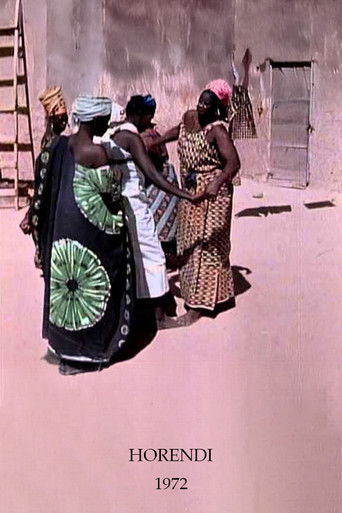
8.6A seven-day initiation ceremony is documented in which two women undergo ritual healing following a diagnosis of spirit possession, presented without narration, intertitles, or explanatory commentary.
Horendi
1972
 NR
NRA ritual vase, the hampi, is placed in the center of the Musée de plein air de la République du Niger in Niamey, during a ritual ceremony featuring possession dances. With this film, Jean Rouch continues his ethnological and cinematographic study of Songhay ritual objects. He demonstrates that, in a particular context, the transfer of a hampi vase to a museum requires the organization of a ritual ceremony to obtain the gods' approval. At the time, however, reservations about filming a possession dance for the opening of a shrine in a museum made the move "questionable from a museological point of view".
Hampi
1962
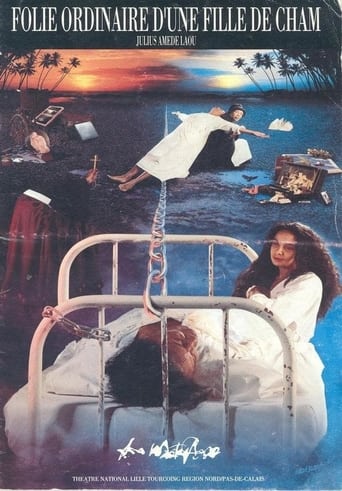 10.0
10.0In Jean Rouch's cinematic reinterpretation of Julius-Amédée Laou's theatrical work, a freshly appointed nurse steps into the chaotic world of a psychiatric ward. Tasked with nurturing the minds within, she forms a profound connection with a patient from Martinique who has been confined within the institution's walls for half a century. As their relationship deepens, the lines between reality and delusion blur, weaving a complex narrative of human connection and psychological intrigue.
The Ordinary Madness of a Daughter of Ham
1986
A Film by Jean Rouch and Tam-Sir Doueb.
Boulevards d'Afrique
1989
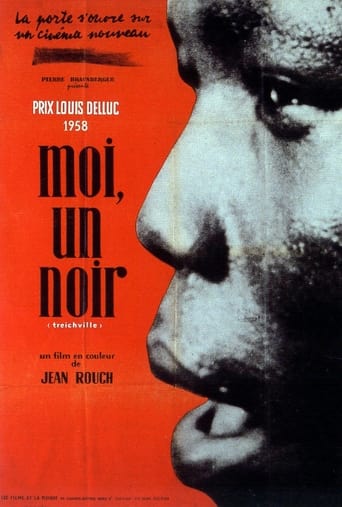 7.4
7.4Winner of the prestigious Prix Louis Delluc in 1958, "Moi, un noir" marked Jean Rouch's break with traditional ethnography, and his embrace of the collaborative and improvisatory strategies he called "shared ethnography" and "ethnofiction". The film depicts an ordinary week in the lives of men and women from Niger who have migrated to Abidjan, Côte d'Ivoire for work.
I, a Negro
1959
7.4Winner of the prestigious Prix Louis Delluc in 1958, "Moi, un noir" marked Jean Rouch's break with traditional ethnography, and his embrace of the collaborative and improvisatory strategies he called "shared ethnography" and "ethnofiction". The film depicts an ordinary week in the lives of men and women from Niger who have migrated to Abidjan, Côte d'Ivoire for work.
I, a Negro
1959
7.4Winner of the prestigious Prix Louis Delluc in 1958, "Moi, un noir" marked Jean Rouch's break with traditional ethnography, and his embrace of the collaborative and improvisatory strategies he called "shared ethnography" and "ethnofiction". The film depicts an ordinary week in the lives of men and women from Niger who have migrated to Abidjan, Côte d'Ivoire for work.
I, a Negro
1959
"Their land drought-stricken, three Nigerien farmers (and their donkey) travel to Holland to investigate the possibility of importing windmill technology for use on the plains of Niger. A follow-up to JAGUAR, PETIT À PETIT, and COCORICO MONSIEUR POULET! – undertaken with his longtime filmmaking partners Damouré Zika, Lam Ibrahima Dia, and Tallou Mouzourane – Rouch’s feature is a surreal tale of mythic proportions, full of antic humor and poetic digressions. But beyond the laughs and reveries, MADAME L’EAU is also a poignant commentary on the ‘poisoned gifts’ brought to West Africa by development projects. As Faye Ginsburg once remarked, this is a film about what the world would look like “if Jean Rouch was the president of the World Bank.”" - Anthology Film Archives
Madame l'eau
1993
 NR
NRWhen the male nurse Damouré Zika talks about AIDS with his two friends Lam and Tallou, under the admiring eye of his own wife Lobo, who is a nurse's aide, it is because he believes that AIDS is a "disease of love that can only be conquered by love." And this right to love has only one passport for the moment: the condom, on whose use he gives an incredible demonstration.
Damouré Speaks About AIDS
1992
 6.6
6.6Six vignettes set in different sections of Paris, by six directors. St. Germain des Pres (Douchet), Gare du Nord (Rouch), Rue St. Denis (Pollet), and Montparnasse et Levallois (Godard) are stories of love, flirtation and prostitution; Place d'Etoile (Rohmer) concerns a haberdasher and his umbrella; and La Muette (Chabrol), a bourgeois family and earplugs.
Six in Paris
1965
6.6Six vignettes set in different sections of Paris, by six directors. St. Germain des Pres (Douchet), Gare du Nord (Rouch), Rue St. Denis (Pollet), and Montparnasse et Levallois (Godard) are stories of love, flirtation and prostitution; Place d'Etoile (Rohmer) concerns a haberdasher and his umbrella; and La Muette (Chabrol), a bourgeois family and earplugs.
Six in Paris
1965
 6.5
6.5After an unsuccessful attempt in 1946 to film a traditional bangaoui (hippopotamus hunt) on the Niger River, Jean Rouch returns several years later to document the ritual in full. The film records the ceremonial preparations, spiritual practices, and seasonal hunt conducted by Sorko fishermen, situating the event within its cultural and ritual context rather than as spectacle.
Battle on the Great River
1950
 6.3
6.3Once upon a time, in the middle of the last century, a great warrior named Babatou. Nigerian jumper from the region Dounga Gurunsi invaded the country and settled there. The brave prisoners were integrated into the army, women espoused. For fifty years, the adventurous young people from Niger Babatou went to live in the epic.
Babatou, Three Pieces of Advice
1976
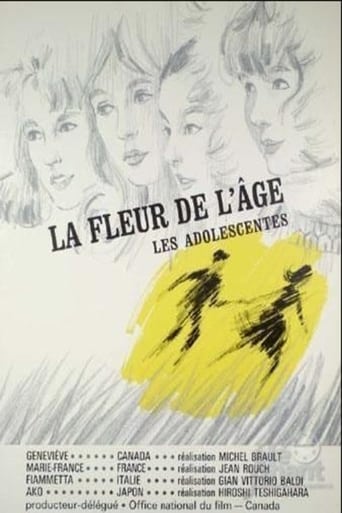 7.0
7.0A film in four episodes presenting teenage girls chosen as representative of their country and our time, in Italy, France, Japan and Canada. In spite of the stylistic peculiarities of the filmmakers, we find in each of them the same desire not to affirm anything, not to judge, but to quite simply show.
That Tender Age
1964
Three pioneers of documentary filmmaking – Joris Ivens, Henri Storck, and the man behind the camera, Jean Rouch – recall the early days of the documentary genre and speak about their creative methods and sources of inspiration. This lively discussion between the directors is shot in cinéma vérité style and spliced with footage from their older films.
Ciné-mafia
1980
 9.0
9.0In February 1974, Pam Sambo Zima, the oldest of the priests of possession in Niamey, Niger, died at the age of seventy-plus years. In his backyard, the followers from the possession cult symbolically break the dead priest's ritual vases and cry for the deceased while dividing up the clothes of the divinities.
Pam Kuso Kar (Breaking Pam's Vases)
1974
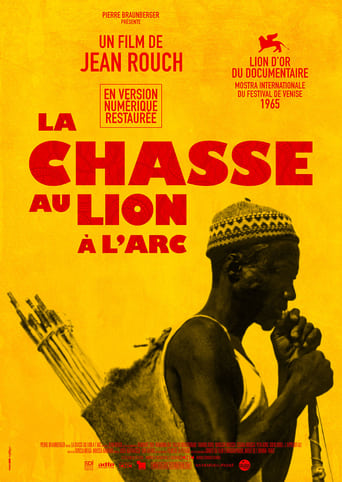 6.0
6.0Etnographic documentary about lion hunting in Africa.
The Lion Hunters
1966
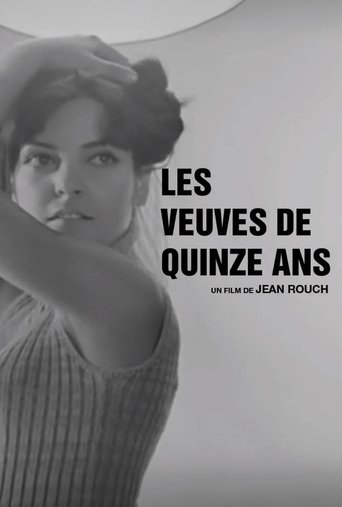 6.8
6.8Filmed in Paris in 1964, this documentary short follows two fifteen-year-old girls from the city’s 16th arrondissement as they move through leisure, conversation, and social encounters. The film records their views on adulthood, relationships, and the future, capturing a moment of transition between adolescence and adult life.
The Fifteen-Year-Old Widows
1964
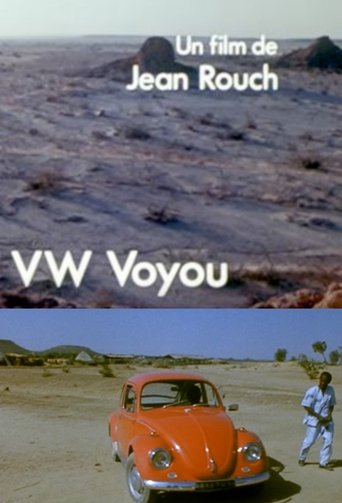 7.2
7.2A man rides a VW Beetle through the plains of Niger.
VW-Voyou
1973
Two parts magical drama and one part straight documentary, this outing from famed ethnographic filmmaker Jean Rouch is set somewhere in Nigeria near a small village.
I'm Tired of Standing, I Lie Down
1997
 8.0
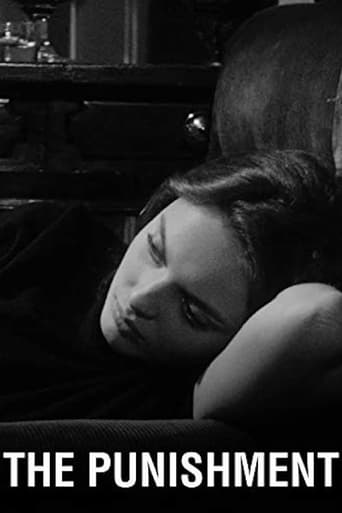
8.0An aimless young woman is sent home from school with nothing to do. Drifting through the streets of Paris, she comes across a variety of people.
The Punishment
1962
8.0An aimless young woman is sent home from school with nothing to do. Drifting through the streets of Paris, she comes across a variety of people.
The Punishment
1962
Directed by Jean Rouch.
Les cocotiers
1963
 7.1
7.1An African travels to Paris to learn about the construction of tall buildings, but is soon taken up with the oddities of French life.
Little by Little
1970
7.1An African travels to Paris to learn about the construction of tall buildings, but is soon taken up with the oddities of French life.
Little by Little
1970
 6.6
6.6The story follows three poultry sellers on a trip across the bush, attempting to deliver a load of chickens to a market in Niamey.
Cock-A-Doodle-Doo! Mr Chicken
1974
6.6The story follows three poultry sellers on a trip across the bush, attempting to deliver a load of chickens to a market in Niamey.
Cock-A-Doodle-Doo! Mr Chicken
1974
 NR
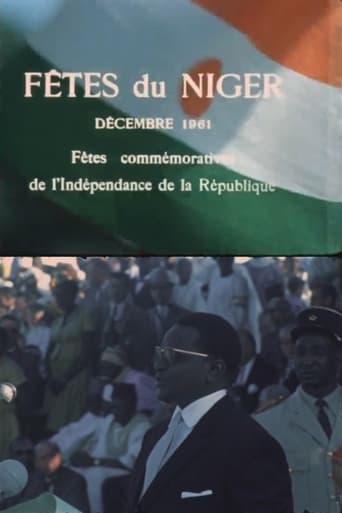
NRCommemorative celebrations of the independence of the Republic of Niger filmed in December 1961 and 1962.
Niger Festivals: December 1961 - Niger Independence Days
1962