
Directing
René Allio
Born — Died
1924-03-08 — 1995-03-27
Place of birth
Marseille, Bouches-du-Rhône, France
Known for
Directing
Credits
24 titles
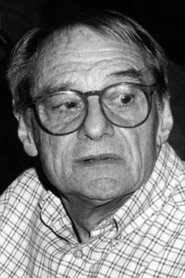
René Allio (3 August 1924, Marseille – 27 March 1995, Paris) was a French film and theater director. Allio was born on March 8, 1924 in Marseille, Bouches-du-Rhône, France. He was a writer and director, known for La vieille dame indigne (1965), Les camisards (1972) and Moi, Pierre Rivière, ayant égorgé ma mère, ma soeur et mon frère... (1976). He was married to Malka Ribowska and Christine Laurent. He died on March 27, 1995 in Paris, France.
Known for
 6.0
6.0A talk show presented by Michel Drucker
Les Rendez-vous du dimanche
1975
 7.0
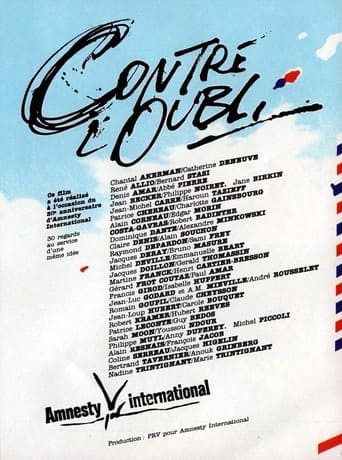
7.0A compilation of 30 French filmmakers, Alain Resnais and Jean Luc Godard among them, who use film to make a plea on behalf of a political prisoner. Jean Luc Godard and Anne Marie Mieville's film concerns the plight of Thomas Wanggai, West Papuan activist who has since died in prison. The short films were commissioned by Amnesty International.
Lest We Forget
1991
 NR
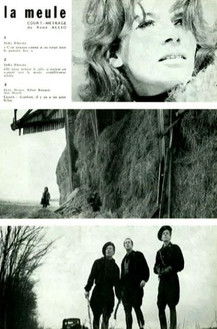
NRIn 1943, a young couple hides food intended to be sold on the black market in a haystack. Each of their trips in the countryside represents rare, exalting moments during which they can live in harmony with nature. But one afternoon, the situation brutally changes.
La Meule
1962
 6.5
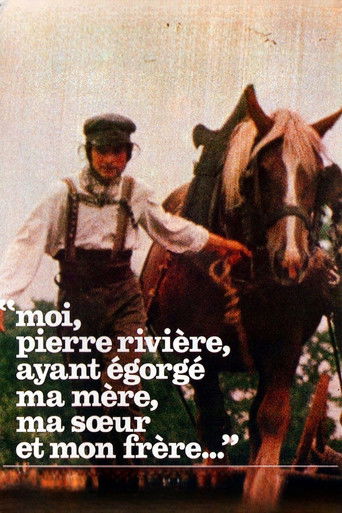
6.5Based on documents compiled by leading French philosopher Michel Foucault, this unique and original film charts the gruesome events which took place in a Normandy village in 1835, when a young man, Pierre Rivière, murdered his mother, sister and brother before fleeing to the countryside. With a cast made up of real-life villagers from the area where the events took place, the detailed re-enactments and careful attention to the gestures of their ancestors serve to create an intense and sometimes disturbing atmosphere of hyper-realism. Details of the crime and of the trial that followed are told from varied perspectives, including the written confession of Pierre himself, and form a rich and complex narrative that interrogates the concepts of “truth” and “history”.
I, Pierre Rivière, Having Slaughtered My Mother, My Sister and My Brother…
1976
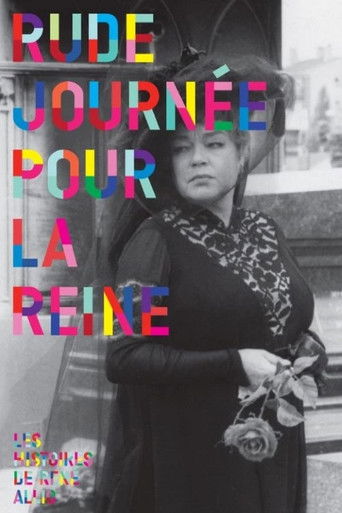 4.1
4.1No synopsis available yet.
Rough Day For a Queen
1973
 4.8
4.8Max, who dreams of adventures, abandons his studies at 18 to become involved in the navy. He becomes the sailor 512.
Le Matelot 512
1984
Film credits
1980s · 2 titles
Series credits
Behind the camera
7.0A compilation of 30 French filmmakers, Alain Resnais and Jean Luc Godard among them, who use film to make a plea on behalf of a political prisoner. Jean Luc Godard and Anne Marie Mieville's film concerns the plight of Thomas Wanggai, West Papuan activist who has since died in prison. The short films were commissioned by Amnesty International.
Lest We Forget
1991
NRIn 1943, a young couple hides food intended to be sold on the black market in a haystack. Each of their trips in the countryside represents rare, exalting moments during which they can live in harmony with nature. But one afternoon, the situation brutally changes.
La Meule
1962
NRIn 1943, a young couple hides food intended to be sold on the black market in a haystack. Each of their trips in the countryside represents rare, exalting moments during which they can live in harmony with nature. But one afternoon, the situation brutally changes.
La Meule
1962
6.5Based on documents compiled by leading French philosopher Michel Foucault, this unique and original film charts the gruesome events which took place in a Normandy village in 1835, when a young man, Pierre Rivière, murdered his mother, sister and brother before fleeing to the countryside. With a cast made up of real-life villagers from the area where the events took place, the detailed re-enactments and careful attention to the gestures of their ancestors serve to create an intense and sometimes disturbing atmosphere of hyper-realism. Details of the crime and of the trial that followed are told from varied perspectives, including the written confession of Pierre himself, and form a rich and complex narrative that interrogates the concepts of “truth” and “history”.
I, Pierre Rivière, Having Slaughtered My Mother, My Sister and My Brother…
1976
6.5Based on documents compiled by leading French philosopher Michel Foucault, this unique and original film charts the gruesome events which took place in a Normandy village in 1835, when a young man, Pierre Rivière, murdered his mother, sister and brother before fleeing to the countryside. With a cast made up of real-life villagers from the area where the events took place, the detailed re-enactments and careful attention to the gestures of their ancestors serve to create an intense and sometimes disturbing atmosphere of hyper-realism. Details of the crime and of the trial that followed are told from varied perspectives, including the written confession of Pierre himself, and form a rich and complex narrative that interrogates the concepts of “truth” and “history”.
I, Pierre Rivière, Having Slaughtered My Mother, My Sister and My Brother…
1976
4.1No synopsis available yet.
Rough Day For a Queen
1973
4.1No synopsis available yet.
Rough Day For a Queen
1973
4.8Max, who dreams of adventures, abandons his studies at 18 to become involved in the navy. He becomes the sailor 512.
Le Matelot 512
1984
4.8Max, who dreams of adventures, abandons his studies at 18 to become involved in the navy. He becomes the sailor 512.
Le Matelot 512
1984
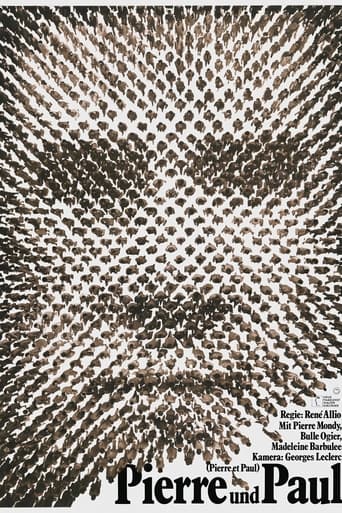 7.0
7.0Pierre is a middle-aged factory worker with plenty of unresolved anger. After his father's death, his mother feels compelled to move in with him. Having just moved there with his beautiful girlfriend, he begins to feel the pressure. When the May Day revolt begins, he goes crazy.
Pierre and Paul
1969
7.0Pierre is a middle-aged factory worker with plenty of unresolved anger. After his father's death, his mother feels compelled to move in with him. Having just moved there with his beautiful girlfriend, he begins to feel the pressure. When the May Day revolt begins, he goes crazy.
Pierre and Paul
1969
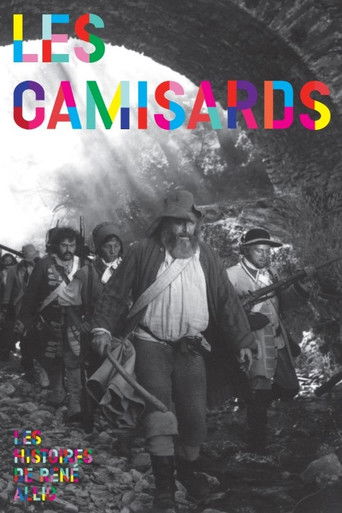 6.2
6.2A few years after the revocation of theEdict of Nantes, the Camisards, Protestants from the Cévennes region, mostly peasants and silk workers, formed groups following Gédéon Laporte and fought Louis XIV's dragoons.
The French Calvinists
1972
6.2A few years after the revocation of theEdict of Nantes, the Camisards, Protestants from the Cévennes region, mostly peasants and silk workers, formed groups following Gédéon Laporte and fought Louis XIV's dragoons.
The French Calvinists
1972
Anne, an unhappily married actress, temporarily assumes the identity of her sister Simone, the successful director of a London fashion house.
The Other One
1967
Anne, an unhappily married actress, temporarily assumes the identity of her sister Simone, the successful director of a London fashion house.
The Other One
1967
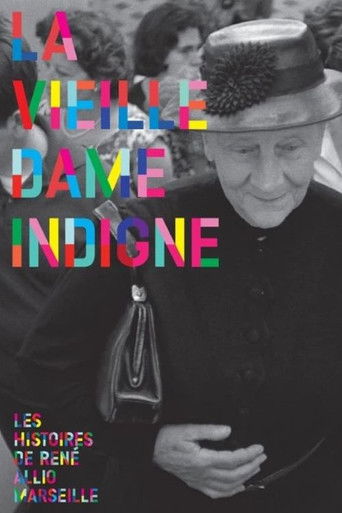 6.8
6.8Madame Bertini, a newly widowed 70-year-old miser, has lived a sheltered life in squalour. She determines to venture into the modern world and have as much fun as possible, and in doing so finds that she loves it. She blows her life savings, much to the disapproval of the young people around her.
The Shameless Old Lady
1965
6.8Madame Bertini, a newly widowed 70-year-old miser, has lived a sheltered life in squalour. She determines to venture into the modern world and have as much fun as possible, and in doing so finds that she loves it. She blows her life savings, much to the disapproval of the young people around her.
The Shameless Old Lady
1965
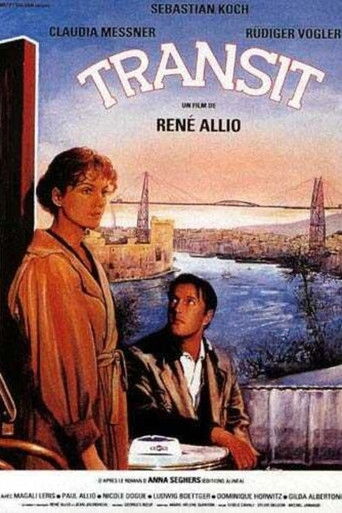 5.8
5.8In 1941, those who had remained around too long to completely escape the Nazi blitzkrieg had one small, slim chance to escape persecution. They could travel to Marseilles and attempt to get the servile but still nominally independent government of Vichy France to grant them an exit visa. Then they could take passage to safer climes on one of the neutral vessels that stopped there. This drama, based on a novel by Anna Seghers, follows the fates of a small group of desperate people who are attempting to do just that.
Transit
1991
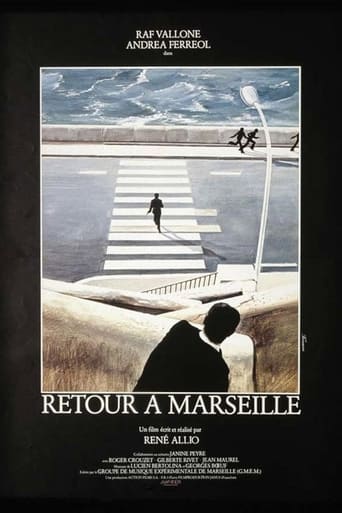 4.2
4.2Michel left Marseilles to Italy when he was twenty years old. Courageous and active, he has succeeded in the construction industry. Thirty years later, his return to Marseilles, for his aunt's burial will abruptly change the life of all of his family, who was first fascinated by his social success. He is regarded as the son who made it like wonder. Michel is the only one who has emigrated. They have all remained in the home country ("le pays") and their social status has hardly changed: workmen, small employees, craftsmen, all living in a modest framework.
Retour à Marseille
1980
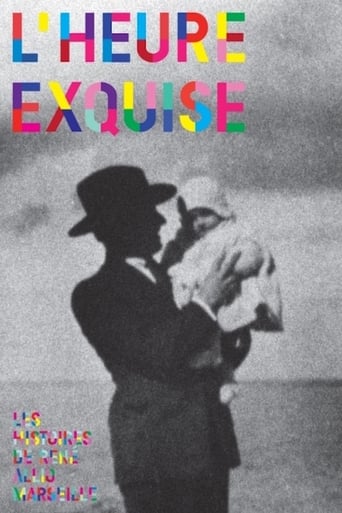 6.0
6.0In the streets of Marseille, René Allio encounters, once again, the spaces of his childhood, and remembers his family history.
L'heure exquise
1981