
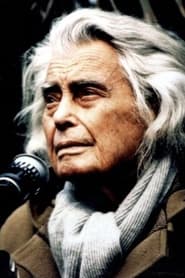
Directing
Joris Ivens
Born — Died
1898-11-18 — 1989-06-28
Place of birth
Nijmegen, Gelderland, Netherlands
Known for
Directing
Credits
55 titles
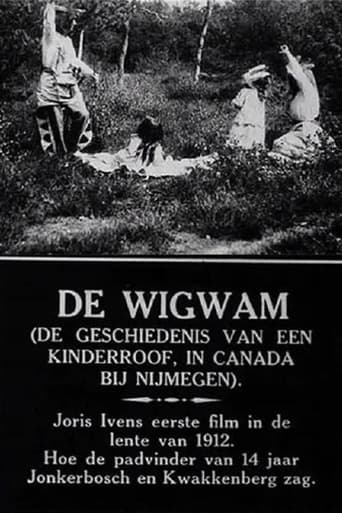
The filmmaker Joris Ivens was the son of C.A.P. Ivens, owner of the CAPI photography shop in Nijmegen. With the help of his father’s employees, in the 1910s the young Joris Ivens made the short film De wigwam, with roles for his parents, brothers, and sisters. Ivens studied economics and photography. From the end of the 1920s, he was one of the vital figures in the world of Dutch avant-garde film. As a technical consultant, he was involved with the Filmliga, and made important avant-garde films like De brug and Regen. He also founded the film company Studio Joris Ivens, where young, enthusiastic filmmakers could find a home. The Studio was the cradle of experimental film in the early 1930s.…
Known for
 9.0
9.0Midi Première is a French variety show presented by Danièle Gilbert, directed by Jacques Pierre and broadcast from January 6, 1975 until January 1, 1982 on TF1. The program was generally broadcast between 12:15 p.m. and 12:55 p.m., then giving way to the 1:00 p.m. TV news. However, the broadcast schedule could change, depending on the guests, and the setting where the recording of the program was shot. Certain performances by artists who have become cult like the one where Ringo jostles with a demonstrator in interpretation (1977), that of Dalida with the title There is always a song with the soundtrack that does not start, twice, at the right speed (1978), Claude François and his Clodettes, who, in the provinces, are unable to join "the set" in order to interpret his song, the latter being taken by the crowd of delirious fans (summer 1977) . The group Supertramp performed there with the title "Dreamer" on March 8, 1975.
Midi Première
1975
 6.2
6.2Joris Ivens’s wartime documentary of China’s resistance to the Japanese invasion, cross-cutting civilian exodus and bombing with the Nationalist state’s mobilization—schools, industry, dispersed war production, foreign relief—and guerrilla fighting. Framing an ancient nation of “400 million,” it contrasts tradition with modernization and closes on the unresolved question of victory.
The 400 Million
1939
 6.0
6.0Shot alongside "À Valparaíso," "The Small Tent" observes a small circus performance perched high above the city and focuses on the faces and reactions of the children in its audience. The film offers a tender, poetic look at fleeting joy and communal spectacle.
The Small Tent
1963
 7.2
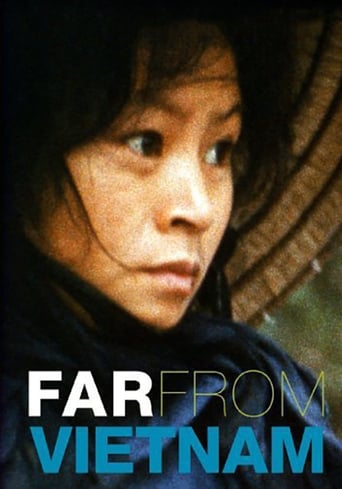
7.2In seven different parts, Godard, Ivens, Klein, Lelouch, Marker, Resnais, and Varda show their sympathy for the North-Vietnamese army during the Vietnam War.
Far from Vietnam
1967
 7.0
7.0Lili lives near the port of Le Havre. She is mourning her lover Pablo, who died leaving unfinished a video game he was developing for a Japanese trust. A young boy decides to take over the project, while Lili, guided by a mysterious figure called Doctor Digitalis, struggles with her grief and searches for meaning in his absence. The film blends reality and dreamlike visions against the backdrop of the docks and port landscapes.
Havre
1986
 10.0
10.0Film about the third 'Weltfestspiele der Jugend und Studenten für den Frieden' in East Berlin, 1951. West Germany is represented as a degenerate country which has been occupied by the Americans and is still inclined to fascism. We see the construction of the stadium, the departure and arrival of the delegations, the opening and closing by Enrico Berlinguer, a sports event, the parade of the delegations, a visit to Potsdam, folk dancing, and police violence against youngsters from West Berlin who want to visit East Germany because of the games. The film is interlaced with shots from the Korean War and a parade by NATO-troops in West Germany. Featuring Robert Montgomery, Konrad Adenauer, Wilhelm Pieck, Dwight Eisenhower, Robert Leer and Erich Honecker. The crew comprised no less than 24 cameramen. This project was the first great colour film Ivens co-operated in.
Friendship Triumphs
1951
Film credits
1980s · 3 titles
7.0Lili lives near the port of Le Havre. She is mourning her lover Pablo, who died leaving unfinished a video game he was developing for a Japanese trust. A young boy decides to take over the project, while Lili, guided by a mysterious figure called Doctor Digitalis, struggles with her grief and searches for meaning in his absence. The film blends reality and dreamlike visions against the backdrop of the docks and port landscapes.
Havre
1986
 6.5
6.5It is an autobiographical fiction starring Ivens as an old man who has spent his life trying to "tame the wind and harness the sea" by capturing them on film.
A Tale of the Wind
1989
Three pioneers of documentary filmmaking – Joris Ivens, Henri Storck, and the man behind the camera, Jean Rouch – recall the early days of the documentary genre and speak about their creative methods and sources of inspiration. This lively discussion between the directors is shot in cinéma vérité style and spliced with footage from their older films.
Ciné-mafia
1980
1970s · 2 titles
 7.3
7.3A portrait of John Grierson, the first Canadian Government Film Commissioner and founder of the National Film Board in 1939. Interweaving archival footage, interviews with people who knew him and footage of Grierson himself, this film is a sensitive and informative portrait of a dynamic man of vision. Grierson believed that the filmmaker had a social responsibility, and that film could help a society realize democratic ideals. His absolute faith in the value of capturing the drama of everyday life was to influence generations of filmmakers all over the world. In fact, he coined the term 'documentary film'.
Grierson
1973
 9.0
9.0Filmed in Laos in 1968, this four-part documentary examines the armed struggle against foreign intervention during the Indochina conflicts. The film focuses on the relationship between the population and guerrilla forces engaged in the war.
The People and Their Guns
1970
1960s · 4 titles
 NR
NRPortrait from 1964 of the editors of the film magazine Skoop, founded in 1963. Portrait from 1964 of the editors of the film magazine Skoop, founded in 1963. Pim de la Parra, Wim Verstappen, Rob du Mée, Nicolai van der Heyde, Rein Bloem, and Gied Jaspars give their opinion on Dutch film and how Skoop aims to improve the Dutch film climate. Joris Ivens also speaks, applauding the initiative of the young filmmakers/editors.
Skoop
1964
 9.5
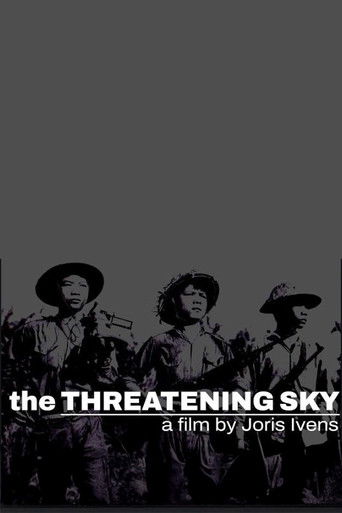
9.5This documentary presents the Vietnam War as seen from within Vietnam, focusing on civilian life, industrial and agricultural labor, and organized resistance under sustained aerial bombardment. Introduced by Bertrand Russell, the film situates the conflict within a broader history of anti-occupation struggles, drawing parallels to World War II resistance movements. Footage includes interviews with Vietnamese leaders, scenes of air defense, and mass political mobilization.
The Threatening Sky
1966
 10.0
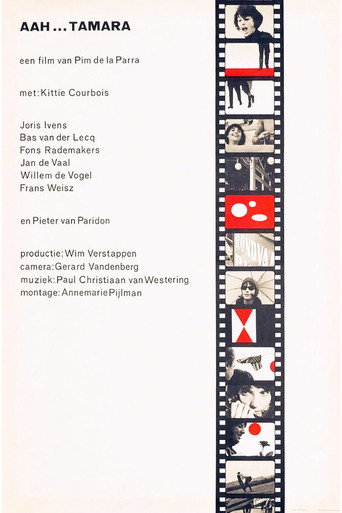
10.0A student is working part-time on a canal boat in Amsterdam and a young director wants to make a film about her.
Aah... Tamara
1965
 NR
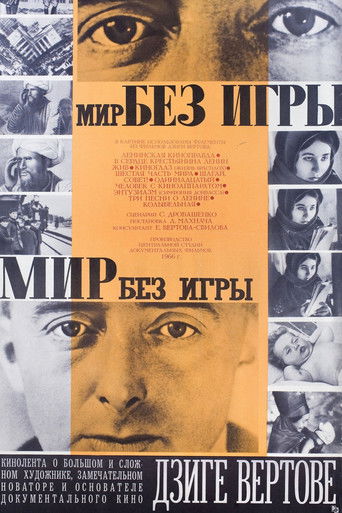
NRDocumentary portrait of Dziga Vertov, father of documentary cinema.
World Without a Game
1966

Series credits
Behind the camera
6.2Joris Ivens’s wartime documentary of China’s resistance to the Japanese invasion, cross-cutting civilian exodus and bombing with the Nationalist state’s mobilization—schools, industry, dispersed war production, foreign relief—and guerrilla fighting. Framing an ancient nation of “400 million,” it contrasts tradition with modernization and closes on the unresolved question of victory.
The 400 Million
1939
6.2Joris Ivens’s wartime documentary of China’s resistance to the Japanese invasion, cross-cutting civilian exodus and bombing with the Nationalist state’s mobilization—schools, industry, dispersed war production, foreign relief—and guerrilla fighting. Framing an ancient nation of “400 million,” it contrasts tradition with modernization and closes on the unresolved question of victory.
The 400 Million
1939
6.0Shot alongside "À Valparaíso," "The Small Tent" observes a small circus performance perched high above the city and focuses on the faces and reactions of the children in its audience. The film offers a tender, poetic look at fleeting joy and communal spectacle.
The Small Tent
1963
7.2In seven different parts, Godard, Ivens, Klein, Lelouch, Marker, Resnais, and Varda show their sympathy for the North-Vietnamese army during the Vietnam War.
Far from Vietnam
1967
10.0Film about the third 'Weltfestspiele der Jugend und Studenten für den Frieden' in East Berlin, 1951. West Germany is represented as a degenerate country which has been occupied by the Americans and is still inclined to fascism. We see the construction of the stadium, the departure and arrival of the delegations, the opening and closing by Enrico Berlinguer, a sports event, the parade of the delegations, a visit to Potsdam, folk dancing, and police violence against youngsters from West Berlin who want to visit East Germany because of the games. The film is interlaced with shots from the Korean War and a parade by NATO-troops in West Germany. Featuring Robert Montgomery, Konrad Adenauer, Wilhelm Pieck, Dwight Eisenhower, Robert Leer and Erich Honecker. The crew comprised no less than 24 cameramen. This project was the first great colour film Ivens co-operated in.
Friendship Triumphs
1951
 6.7
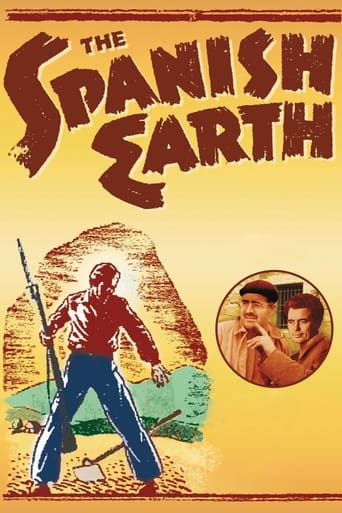
6.7Joris Ivens’s advocacy documentary for the Republican cause intercuts a besieged Madrid with a nearby village digging an irrigation canal, linking the war to bread, land, and survival. Produced by the writers’ collective Contemporary Historians, edited by Helen van Dongen, scored by Marc Blitzstein, and narrated in its U.S. version by Ernest Hemingway (after an initial Orson Welles track), it blends frontline reportage with persuasion against Franco’s forces and their German–Italian backers.
The Spanish Earth
1937
6.7Joris Ivens’s advocacy documentary for the Republican cause intercuts a besieged Madrid with a nearby village digging an irrigation canal, linking the war to bread, land, and survival. Produced by the writers’ collective Contemporary Historians, edited by Helen van Dongen, scored by Marc Blitzstein, and narrated in its U.S. version by Ernest Hemingway (after an initial Orson Welles track), it blends frontline reportage with persuasion against Franco’s forces and their German–Italian backers.
The Spanish Earth
1937
 5.8
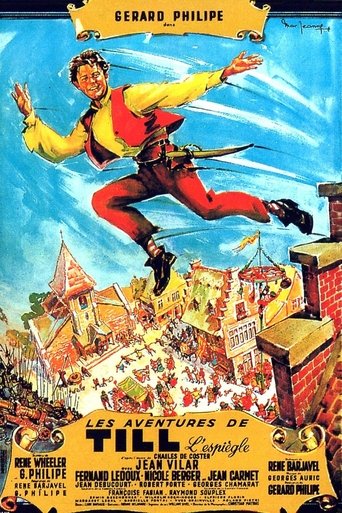
5.8In the 16th century, as Flanders is invaded by the Spanish, Till the Mischievous uses stratagems to enter the service of Ferdinand Alvare de Toledo, Duke of Alba, and from there organize resistance against the invaders.
Bold Adventure
1956
 7.0
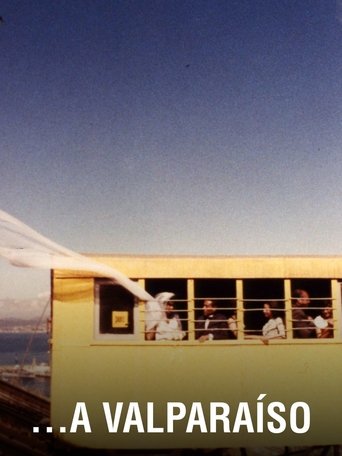
7.0In 1962 Joris Ivens was invited to Chile for teaching and filmmaking. Together with students he made …A Valparaíso, one of his most poetic films. Contrasting the prestigious history of the seaport with the present the film sketches a portrait of the city, built on 42 hills, with its wealth and poverty, its daily life on the streets, the stairs, the rack railways and in the bars. Although the port has lost its importance, the rich past is still present in the impoverished city. The film echoes this ambiguous situation in its dialectical poetic style, interweaving the daily life reality (of 1963) with the history of the city and changing from black and white to colour, finally leaving us with hopeful perspective for the children who are playing on the stairs and hills of this beautiful town.
Valparaiso
1964
 6.2
6.2A documentary showing the struggle to bring electricity to rural areas of the United States.
Power and the Land
1940
6.2A documentary showing the struggle to bring electricity to rural areas of the United States.
Power and the Land
1940
 7.0
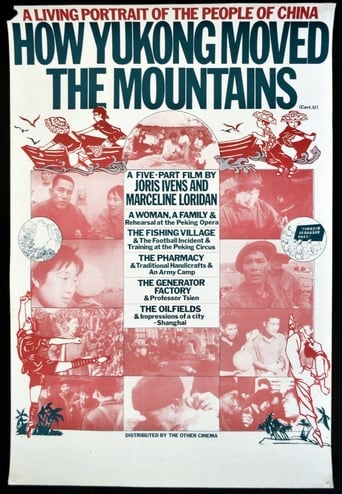
7.0From 1972 until 1974, Joris Ivens and Marceline Loridan, along with a Chinese film crew, documented the last days of the Cultural Revolution, marking the end of an era. The vast amount of footage they shot was edited into 14 films of varying lengths. Focusing on ordinary people spread over a wide geographic area—many of whom were living and working in collectives—the filmmakers recorded a unique moment in history, and also captured some of the more enduring aspects of Chinese culture.
How Yukong Moved the Mountains
1976
 7.5
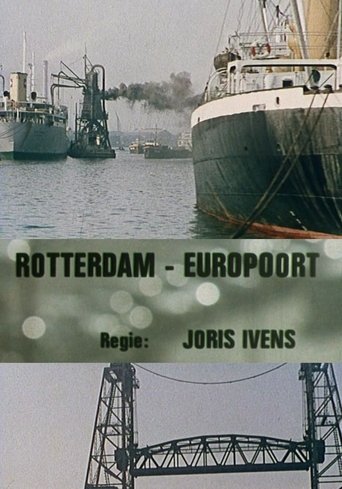
7.5Instructional film about the (former) biggest harbour in the world, with a hybrid format. Well known Ivens themes are revisited, like The Flying Dutchman in the fiction part of the film, who returns to the modern day Rotterdam, that has recovered very well after the devastating bombardments in the second world war.
Rotterdam-Europoort
1966
7.5Instructional film about the (former) biggest harbour in the world, with a hybrid format. Well known Ivens themes are revisited, like The Flying Dutchman in the fiction part of the film, who returns to the modern day Rotterdam, that has recovered very well after the devastating bombardments in the second world war.
Rotterdam-Europoort
1966
9.5This documentary presents the Vietnam War as seen from within Vietnam, focusing on civilian life, industrial and agricultural labor, and organized resistance under sustained aerial bombardment. Introduced by Bertrand Russell, the film situates the conflict within a broader history of anti-occupation struggles, drawing parallels to World War II resistance movements. Footage includes interviews with Vietnamese leaders, scenes of air defense, and mass political mobilization.
The Threatening Sky
1966
 6.0
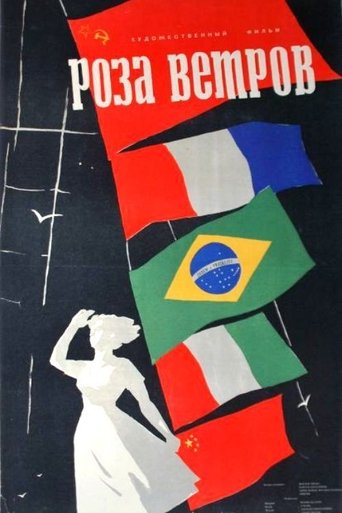
6.0An international anthology about the struggles of female workers around the world.
The Wind Rose
1957
6.0An international anthology about the struggles of female workers around the world.
The Wind Rose
1957
 7.0
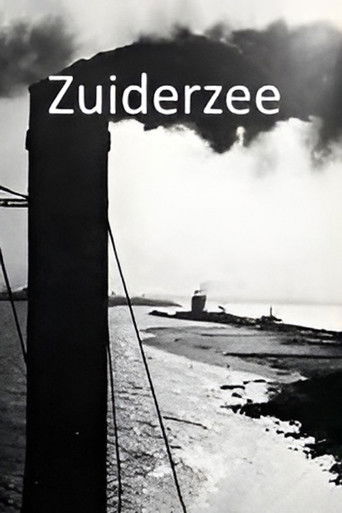
7.0This documentary documents the construction of the Afsluitdijk, the massive hydraulic engineering project that sealed off the Zuiderzee from the North Sea. Filmed over several years, it focuses on the labor required to build the dike and the final closing of the last gap in 1929.
Zuiderzeewerken
1930
7.0This documentary documents the construction of the Afsluitdijk, the massive hydraulic engineering project that sealed off the Zuiderzee from the North Sea. Filmed over several years, it focuses on the labor required to build the dike and the final closing of the last gap in 1929.
Zuiderzeewerken
1930
 6.1
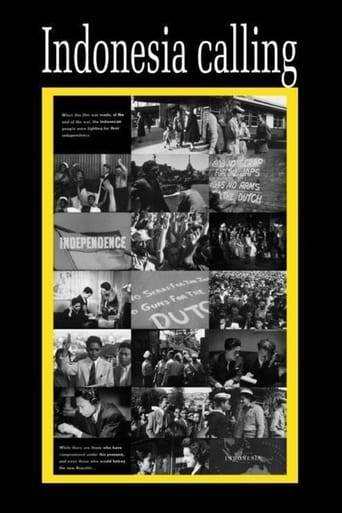
6.1Filmed secretly in Sydney by Dutch documentarian Joris Ivens, this short records the solidarity of Indonesian seamen, Australian trade unionists, and local activists who refused to support Dutch efforts to restore colonial rule after World War II. More than a chronicle, it was an act of protest that aligned cinema with the Indonesian independence movement.
Indonesia Calling
1946
6.1Filmed secretly in Sydney by Dutch documentarian Joris Ivens, this short records the solidarity of Indonesian seamen, Australian trade unionists, and local activists who refused to support Dutch efforts to restore colonial rule after World War II. More than a chronicle, it was an act of protest that aligned cinema with the Indonesian independence movement.
Indonesia Calling
1946
A documentary about the problems of post-war reconstruction and the beginnings of socialism in Bulgaria, Czechoslovakia and Poland.
The First Years
1949
 7.0
7.0Between documentary and fiction, "Branding" (also know as "Breakers") stars an unemployed sailor from Katwijk, a land that sparked Ivens’ interest in the movement of the big waves crashing on the rocks. Determined to film them, he faced them with his camera and the result is staggering.
Branding
1929
 6.0
6.0Shot in Cuba in 1961, this documentary follows a volunteer militia brigade organized in defense of the Cuban Revolution. Joris Ivens and his crew observe military training, daily life, and collective discipline among civilian volunteers. The film emphasizes popular mobilization as a defining feature of the revolutionary state.
Cuba, a People Armed
1961
6.0Shot in Cuba in 1961, this documentary follows a volunteer militia brigade organized in defense of the Cuban Revolution. Joris Ivens and his crew observe military training, daily life, and collective discipline among civilian volunteers. The film emphasizes popular mobilization as a defining feature of the revolutionary state.
Cuba, a People Armed
1961
The film documents Ho Chi Minh's life with unique film material. It is not a portrait of a private man, but a documentation of the theory and practice that Ho Chi Minh developed and which led to the construction of socialism in North Vietnam. General Giap and Prime Minister Pham Van Dong are also interviewed.
Hommage à Ho Chi Minh
1970
 6.6
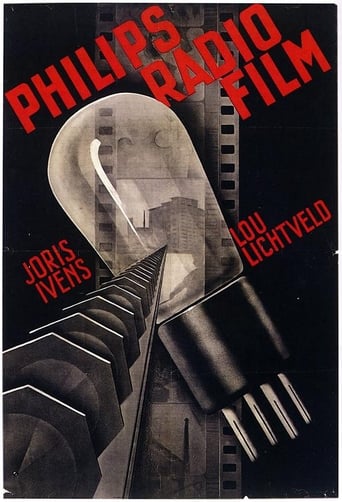
6.6A poetic industrial short that follows a radio from molten glass to finished set: glassblowers shape valves, conveyors and assembly lines build chassis, cabinets, and speakers, engineers test and prototype—ending on a playful stop-motion “dance” of loudspeakers.
Philips-Radio
1931
6.6A poetic industrial short that follows a radio from molten glass to finished set: glassblowers shape valves, conveyors and assembly lines build chassis, cabinets, and speakers, engineers test and prototype—ending on a playful stop-motion “dance” of loudspeakers.
Philips-Radio
1931
9.0Filmed in Laos in 1968, this four-part documentary examines the armed struggle against foreign intervention during the Indochina conflicts. The film focuses on the relationship between the population and guerrilla forces engaged in the war.
The People and Their Guns
1970
9.0Filmed in Laos in 1968, this four-part documentary examines the armed struggle against foreign intervention during the Indochina conflicts. The film focuses on the relationship between the population and guerrilla forces engaged in the war.
The People and Their Guns
1970
6.5It is an autobiographical fiction starring Ivens as an old man who has spent his life trying to "tame the wind and harness the sea" by capturing them on film.
A Tale of the Wind
1989
6.5It is an autobiographical fiction starring Ivens as an old man who has spent his life trying to "tame the wind and harness the sea" by capturing them on film.
A Tale of the Wind
1989
 9.0
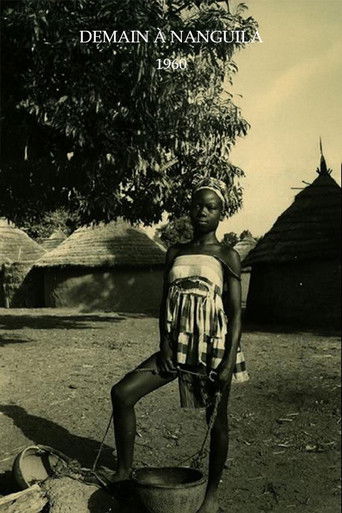
9.0"Demain à Nanguila" follows Moussa, a young man who leaves his village for Bamako in search of opportunity but instead encounters hardship and disillusionment. His return home becomes a reflection on rural exodus, tradition, and the challenges facing Mali in the early years of independence.
Demain à Nanguila
1960
 6.9
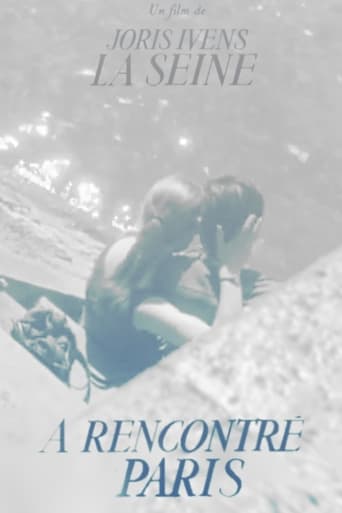
6.9A poetic ode to the River Seine, Ivens' distinguished camera eye surveys its lively banks and step-stone canals with a vérité candor, a beguiling elan.
The Seine Meets Paris
1957
6.9A poetic ode to the River Seine, Ivens' distinguished camera eye surveys its lively banks and step-stone canals with a vérité candor, a beguiling elan.
The Seine Meets Paris
1957
 7.4
7.4A lyrical portrait of Amsterdam and its changing appearance during a rain-shower.
Rain
1929
7.4A lyrical portrait of Amsterdam and its changing appearance during a rain-shower.
Rain
1929
 NR
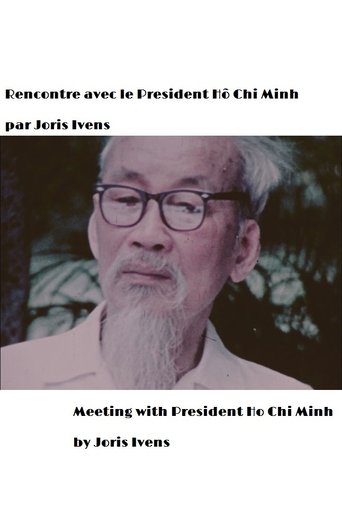
NRThis brief interview film, released in 1970, is one of the last given by Ho Chi Minh, and one of the rare ones in colour.
Meeting with President Ho Chi Minh
1970
NRThis brief interview film, released in 1970, is one of the last given by Ho Chi Minh, and one of the rare ones in colour.
Meeting with President Ho Chi Minh
1970
 6.3
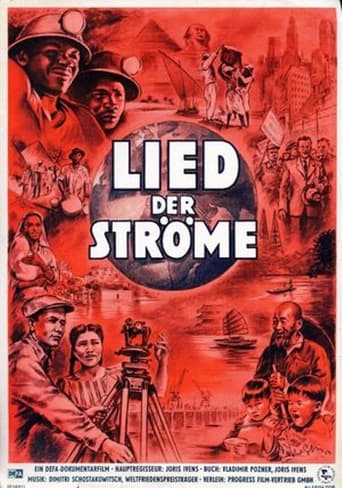
6.3An allegorical documentary about the workers of the world, whose common destinies and hopes for peace are symbolically united by the rivers that run through their respective lands. The film was shot on the Volga, the Mississippi, the Nile, the Yangtze, the Amazon and the Ganges and combines these images of five continents with the music of Dmitri Shostakovich and the poetry of both Bertolt Brecht and Paul Robeson.
Song of the Rivers
1954