

Directing
Yannick Bellon
Born — Died
1924-04-06 — 2019-06-02
Place of birth
Biarritz, France
Known for
Directing
Credits
35 titles
Marie-Annick Bellon, usually known as Yannick Bellon, was a French film director, editor and screenwriter. Initially known for her documentary work, in 1972 she made her first feature film, Quelque part quelqu’un, presenting contemporary views of Paris.
Known for
 5.0
No synopsis available yet.
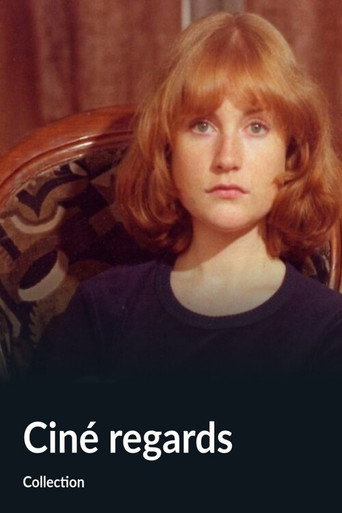
Ciné regards
1978
 4.4
In Bordeaux, a gay man's murder leads Inspector Verta to investigate. He develops feelings for Bernard, a musician suspect, jeopardizing his marriage and impartiality in the case.
The Cheat
1984
 5.7
Nicole, nurse in Grenoble, is raped one night by four men. Deeply scarred, emotionally and physically, she thinks she will never recover from the trauma. Following a friend's advice, she decides to file a lawsuit.
Rape of Love
1978
 5.4
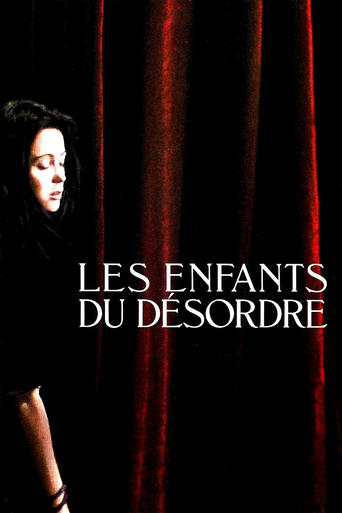
Marie is a young woman recently released from prison on drug charges. As a condition of her release, she joins a theatrical troupe composed of young delinquents, and at the same time faces a difficult journey of reintegration into society and strives to rebuild her life.
Children of Chaos
1989
 6.8
A personal history of France, told through photos by French photographer Denise Bellon.
Remembrance of Things to Come
2001
 7.0
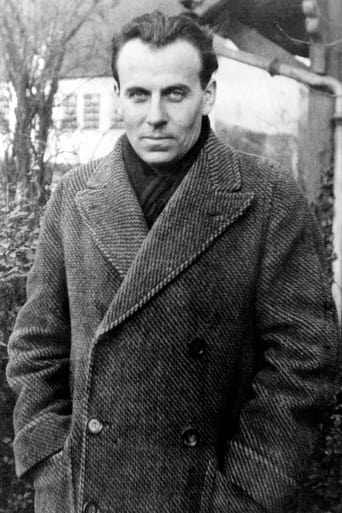
Passers-by, those who knew him in his youth, René Barjavel, witness of his beginnings, his wife, his doctor, writers ... By questioning them Michel Polac tries to better understand the troubled personality of Louis-Ferdinand Céline, Notorious anti-Semite and genius writer.
D'un Céline l'autre
1969
Film credits
Series credits
Behind the camera
4.4In Bordeaux, a gay man's murder leads Inspector Verta to investigate. He develops feelings for Bernard, a musician suspect, jeopardizing his marriage and impartiality in the case.
The Cheat
1984
4.4In Bordeaux, a gay man's murder leads Inspector Verta to investigate. He develops feelings for Bernard, a musician suspect, jeopardizing his marriage and impartiality in the case.
The Cheat
1984
5.7Nicole, nurse in Grenoble, is raped one night by four men. Deeply scarred, emotionally and physically, she thinks she will never recover from the trauma. Following a friend's advice, she decides to file a lawsuit.
Rape of Love
1978
5.7Nicole, nurse in Grenoble, is raped one night by four men. Deeply scarred, emotionally and physically, she thinks she will never recover from the trauma. Following a friend's advice, she decides to file a lawsuit.
Rape of Love
1978
5.7Nicole, nurse in Grenoble, is raped one night by four men. Deeply scarred, emotionally and physically, she thinks she will never recover from the trauma. Following a friend's advice, she decides to file a lawsuit.
Rape of Love
1978
5.4Marie is a young woman recently released from prison on drug charges. As a condition of her release, she joins a theatrical troupe composed of young delinquents, and at the same time faces a difficult journey of reintegration into society and strives to rebuild her life.
Children of Chaos
1989
5.4Marie is a young woman recently released from prison on drug charges. As a condition of her release, she joins a theatrical troupe composed of young delinquents, and at the same time faces a difficult journey of reintegration into society and strives to rebuild her life.
Children of Chaos
1989
5.4Marie is a young woman recently released from prison on drug charges. As a condition of her release, she joins a theatrical troupe composed of young delinquents, and at the same time faces a difficult journey of reintegration into society and strives to rebuild her life.
Children of Chaos
1989
6.8A personal history of France, told through photos by French photographer Denise Bellon.
Remembrance of Things to Come
2001
6.8A personal history of France, told through photos by French photographer Denise Bellon.
Remembrance of Things to Come
2001
7.0Passers-by, those who knew him in his youth, René Barjavel, witness of his beginnings, his wife, his doctor, writers ... By questioning them Michel Polac tries to better understand the troubled personality of Louis-Ferdinand Céline, Notorious anti-Semite and genius writer.
D'un Céline l'autre
1969
 6.4
People in Paris struggle with loneliness and urban isolation. In the center is Raphaële, a successful architect navigating her fragile relationship with her lover Vincent, a journalist grappling with alcoholism.
Somewhere, Someone
1972
6.4People in Paris struggle with loneliness and urban isolation. In the center is Raphaële, a successful architect navigating her fragile relationship with her lover Vincent, a journalist grappling with alcoholism.
Somewhere, Someone
1972
 5.0
Claire, a UNESCO interpreter, begins a romance with an oceanographer named Simon. Their relationship is challenged when Claire receives a breast cancer diagnosis. Faced with her illness and the potential for a mastectomy, she struggles with her self-image and decides to push Simon away, believing the diagnosis will change their future together.
L'Amour nu
1981
5.0Claire, a UNESCO interpreter, begins a romance with an oceanographer named Simon. Their relationship is challenged when Claire receives a breast cancer diagnosis. Faced with her illness and the potential for a mastectomy, she struggles with her self-image and decides to push Simon away, believing the diagnosis will change their future together.
L'Amour nu
1981
 8.3
Zaa follows the journey of a white camel returning to the oasis it calls home and finds an unlikely ally in a young boy. With Zaa, Bellon shows another side of herself, the lover of animals and children, in a land far from France.
Zaa, the Little White Camel
1960
8.3Zaa follows the journey of a white camel returning to the oasis it calls home and finds an unlikely ally in a young boy. With Zaa, Bellon shows another side of herself, the lover of animals and children, in a land far from France.
Zaa, the Little White Camel
1960
 NR
In the evening of her life, Yannick Bellon reflects on her past. She evokes her career as a film director, which began in the 1940s and the themes, sometimes controversial (rape, bisexuality, drugs, ecology) she chose to deal with. She also tells about her friendships, her loves, her leftist political commitment, which earned her many troubles with the censors.
D’où vient cet air lointain? Chronique d’une vie en cinéma
2018
NRIn the evening of her life, Yannick Bellon reflects on her past. She evokes her career as a film director, which began in the 1940s and the themes, sometimes controversial (rape, bisexuality, drugs, ecology) she chose to deal with. She also tells about her friendships, her loves, her leftist political commitment, which earned her many troubles with the censors.
D’où vient cet air lointain? Chronique d’une vie en cinéma
2018
 6.0
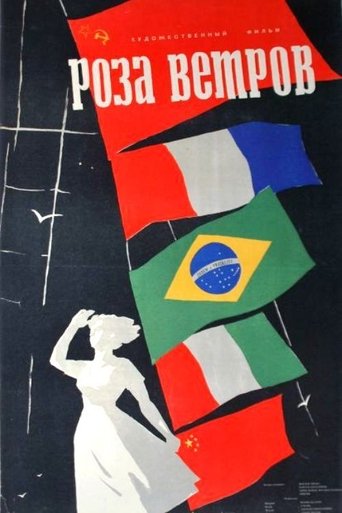
An international anthology about the struggles of female workers around the world.
The Wind Rose
1957
 NR
No synopsis available yet.
La Plaie et le Couteau, Charles Baudelaire
1967
No synopsis available yet.
Le bureau des mariages
1962
 6.8
Nadine's existence changes dramatically when her husband leaves her after 15 years. With the help of her seventeen-year-old teenage son Rémi, who is paternal and protective, she goes back to work.
La femme de Jean
1974
 7.0
No synopsis available yet.
Un matin comme les autres
1956
 7.5
On a small island off the west coast of France a couple leads a degradingly harsh life, together with their servants. During all seasons they have to survive by collecting sea-weed along the shoreline and selling it to the few captains mooring on the island. They live like prisoners on the island, their earnings depend on fate.
Goémons
1948
 NR
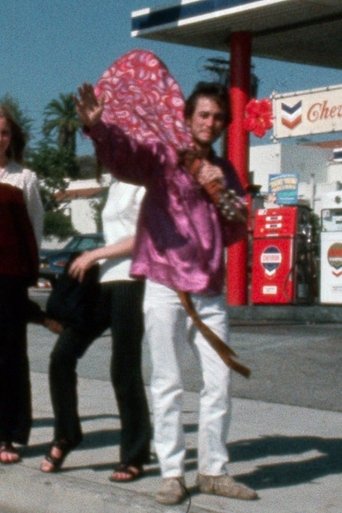
This documentary explores the complexities of Los Angeles. Blending a highly structured montage of shots exploring the city with interviews of students, the writer Henry Miller, and residents from all communities, this evocation of Angelenos' city paints a portrait of a living, constantly evolving entity.
Anatomy of Los Angeles
1969
 4.4
In this earnest drama, a rural schoolteacher who has become a strong advocate for ecological awareness and is a committed opponent of hunting in the local swamp becomes romantically embroiled with a single mother who has returned to her birthplace since just before her boy (now nine years old) was born. Despite some hard feelings from the adult population of the town (who are very pro-hunting), the teacher's romance progresses smoothly until he learns that his girlfriend's brother stuffs and mounts specimens of endangered species.
On Guard
1992
 6.5
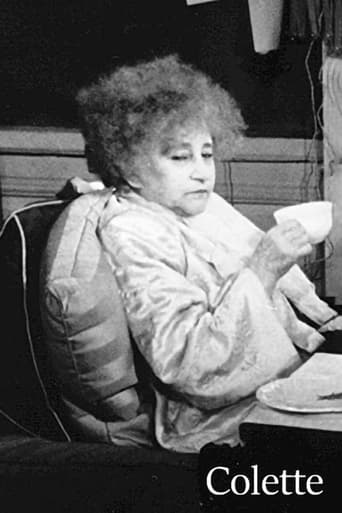
In conversation, in her Paris apartment, Sidonie-Gabrielle Colette, mime, dancer, novelist, wonders whether she should give the green light to a proposed film about the houses in which she lived. “I’m no longer photogenic,” she insists; nearly 80, marriages, affair with a stepson and intermittent lesbianism behind her, refusing now even to mention the arthritis that confines and assaults her, Colette is vivacious. Yannick Bellon’s captivating postmodernist film, as much a study of evanescence as any poem by Dickinson, segues into the film that Colette, a few years before her end, has just said she doesn’t want to do. Giving voice(over) to her own commentary, she goes back, first, to the home in Saint-Sauveur-en-Puisaye, Yonne, where she was born.
Colette
1951
 6.6
Claire returns to France following the death of her actress friend Agathe. She attends an auction of her friend's possessions, provoking memories of the past.
Nevermore, Forever
1976
6.6Claire returns to France following the death of her actress friend Agathe. She attends an auction of her friend's possessions, provoking memories of the past.
Nevermore, Forever
1976
 NR
A prelude to CHILDREN OF CHAOS, this documentary is a “carnet de notes” or “notebook,” filmed at the Théâtre du Fil, following the daily work of a social and artistic project that engages young “delinquents” with theater as they prepare to reintegrate into the community. Among those featured are Mona and Danièle, whose experiences inspire Bellon in shaping the character of Marie, played by Emmanuelle Béart, in her companion film.
Escape
1989
 7.0
No synopsis available yet.
Varsovie, quand même...
1954
 NR
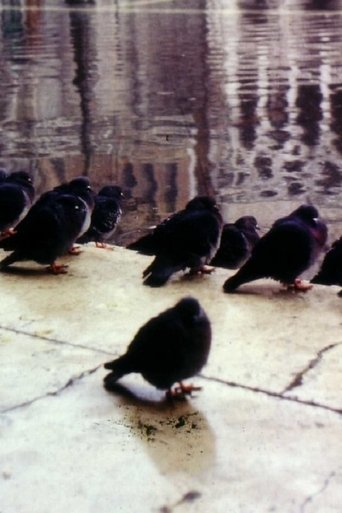
Yannick Bellon's documentary paints a portrait of a city torn between the problem of unsanitary housing, pollution corroding walls and statues, and the recurring and increasing floods—all consequences of human activity. Faced with job shortages and rampant speculation, the overarching question arises of how industries can coexist with the city of Venice. Allowing them to develop risks destroying it; driving them out risks turning it into a museum, causing its inhabitants, and thus its soul, to leave.
City by the Sea, or how to survive in Venice
1970