
Acting
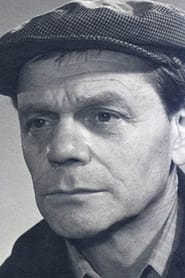
Vladimir Uralskiy
Born — Died
1887-08-28 — 1955-05-13
Place of birth
Orenburg, Orenburg Governorate, Russian Empire [now Orenburg Oblast, Russia]
Known for
Acting
Credits
60 titles
Known for
 7.6
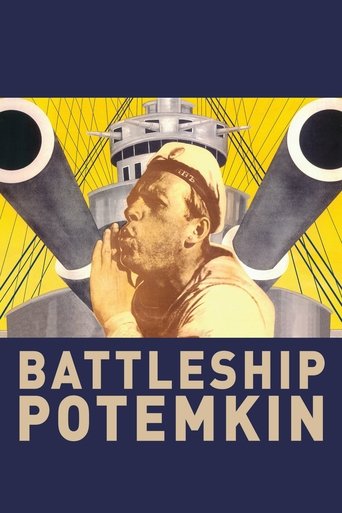
7.6In the midst of the Russian Revolution of 1905, the crew of the battleship Potemkin revolt against the brutal, tyrannical regime of the vessel's officers. The resulting street demonstration in Odessa brings on a police massacre.
Battleship Potemkin
1925
 7.4
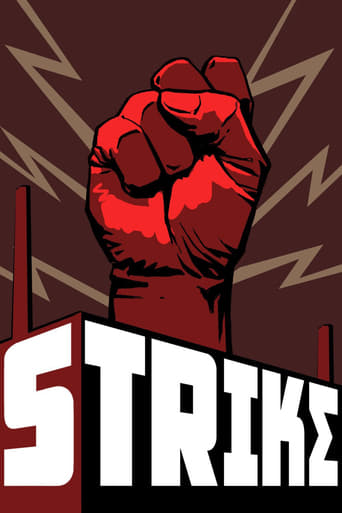
7.4Just before the 1905 Bolshevik Revolution, factory workers strike against their oppressive factory bosses. When a worker is accused of stealing a piece of machinery, he commits suicide, and his colleagues revolt against the overarching Czarist regime. As the strike drags on and government officials grow increasingly desperate to end it, their methods of dealing with the rebellious workers become more and more aggressive.
Strike
1925
 7.3
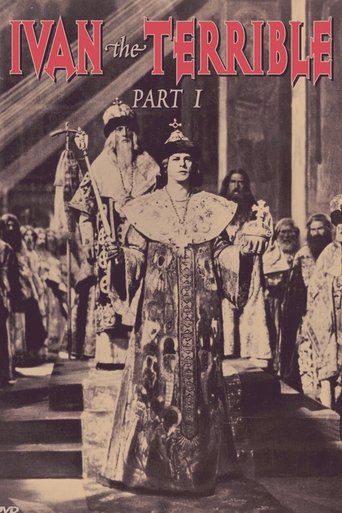
7.3Set during the early part of his reign, Ivan faces betrayal from the aristocracy and even his closest friends as he seeks to unite the Russian people. Sergei Eisenstein's final film, this is the first part of a three-part biopic of Tsar Ivan IV of Russia, which was never completed due to the producer's dissatisfaction with Eisenstein's attempts to use forbidden experimental filming techniques and excessive cost overruns. The second part was completed but not released for a decade after Eisenstein's death and a change of heart in the USSR government toward his work; the third part was only in its earliest stage of filming when shooting was stopped altogether.
Ivan the Terrible, Part I
1944
 7.1
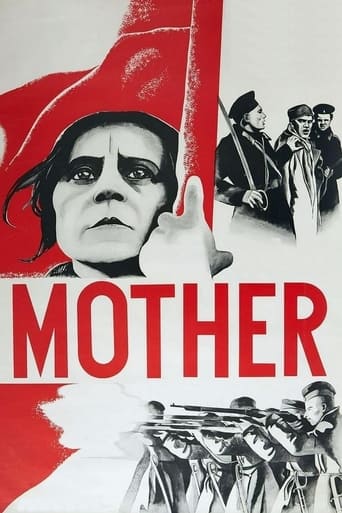
7.1A Soviet woman is caught between her husband and son, who find themselves on opposing sides of the Russian Revolution.
Mother
1926
 6.0
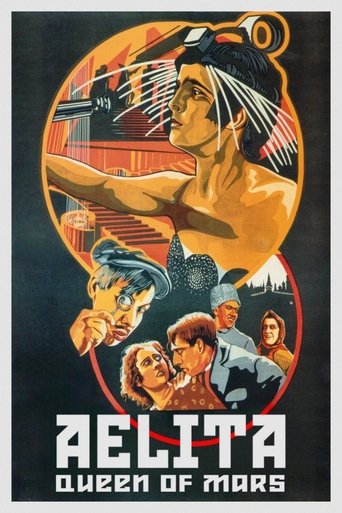
6.0A young man travels to Mars in a rocket ship, where he leads a popular uprising against the ruling group with the support of Queen Aelita, who has fallen in love with him after watching him through a telescope.
Aelita: Queen of Mars
1924
 NR
NRNo synopsis available yet.
Темне царство
1929
Film credits
1950s · 7 titles
 4.5
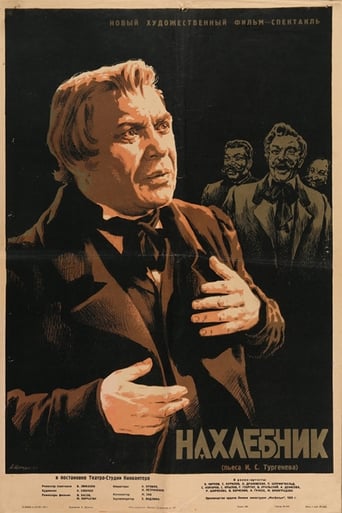
4.5After a long absence from St. Petersburg, a young landowner Yeletskaya comes to her estate with her husband.
The Parasite
1953
 6.0
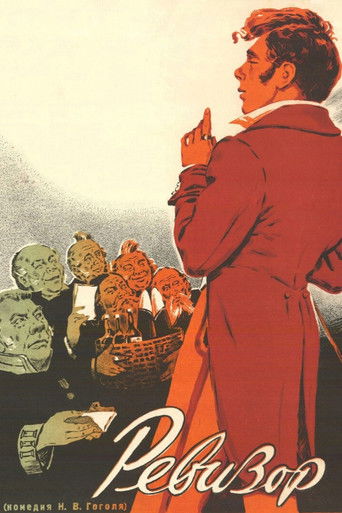
6.0Khlestakov is a young flamboyant crook, who is broke. He finds himself in a small Russian town, where local authorities are waiting for an undercover inspector from the capital St. Petersburg. Khlestakov is mistaken for an undercover inspector, and uses the situation for taking bribes from the local governor and flirting with both his wife and daughter. He abuses the corruption and hypocrisy of the local authorities until, at the end, the real inspector shows up.
The Inspector General
1952
 6.2
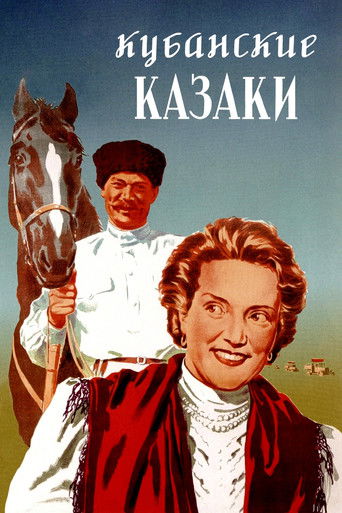
6.2In the steppes of the Kuban love is born on two collective farms while wheat is (enthusiastically) gathered. Galina, the energetic chairwoman of one of the two kolkhozes, vies with her male counterpart for the best harvest. At the same time Gordey, her rival, a former soldier, is (and has been for ages) in love with her. On her part, Dasha a collective farm worker, has heartbeat for a young technician of the competing kolkhoz...
Cossacks of the Kuban
1950
 8.0
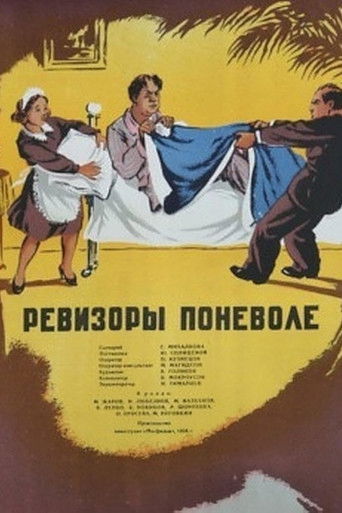
8.0Two business travelers, Laptev and Rusakov, staying at a small town hotel, were surprised by the care that the service staff showed them. It turns out that the hotel administrators, lazy and bureaucratic, accepted the new guests as capital auditors. But it soon turns out that the real auditor has been living in one of the rooms for three days and has already started working as a hotel staff member.
Involuntary auditors
1955
 5.0
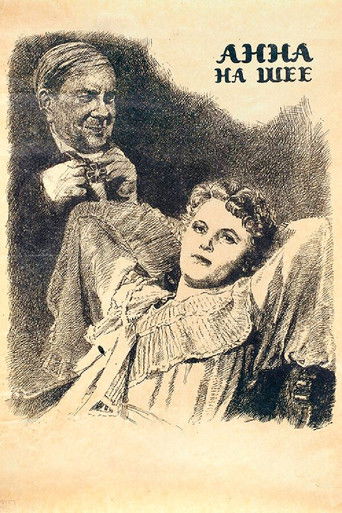
5.0To save her family from disgrace and hunger, a young dowerless girl gets married to a rich old man, only to turn into an unscrupulous kept woman who forgets her close ones.
The Anna Cross
1954
 7.3
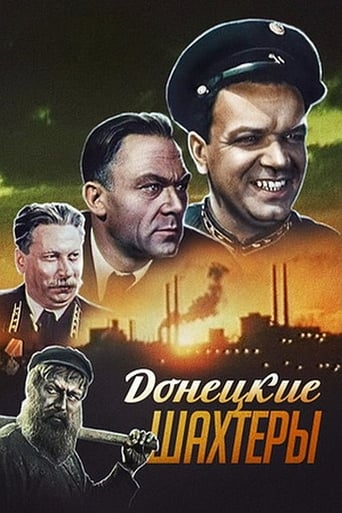
7.3A miners in Donbass embrace new technologies with enthusiasm.
The Miners of Donetsk
1951
 5.5
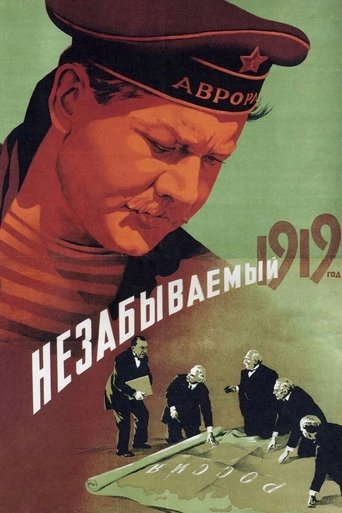
5.5A dramatization of the 1919 defense of Petrograd, focusing on Bolshevik leadership and the defeat of White Army forces during the Russian Civil War.
The Unforgettable Year 1919
1951
1940s · 22 titles
7.3Set during the early part of his reign, Ivan faces betrayal from the aristocracy and even his closest friends as he seeks to unite the Russian people. Sergei Eisenstein's final film, this is the first part of a three-part biopic of Tsar Ivan IV of Russia, which was never completed due to the producer's dissatisfaction with Eisenstein's attempts to use forbidden experimental filming techniques and excessive cost overruns. The second part was completed but not released for a decade after Eisenstein's death and a change of heart in the USSR government toward his work; the third part was only in its earliest stage of filming when shooting was stopped altogether.
Ivan the Terrible, Part I
1944
 8.0
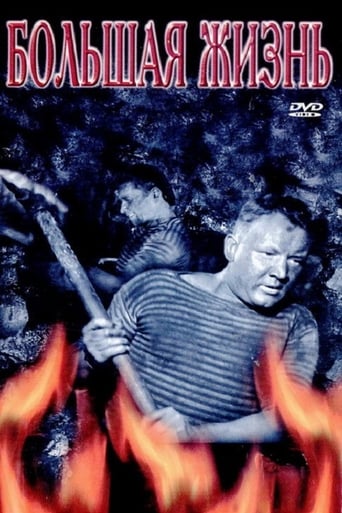
8.0This is a dramatic story of the restoration of the mines after the liberation of Donbass from the Nazis during the Second World War.
A Great Life, Part 2
1946
 6.7
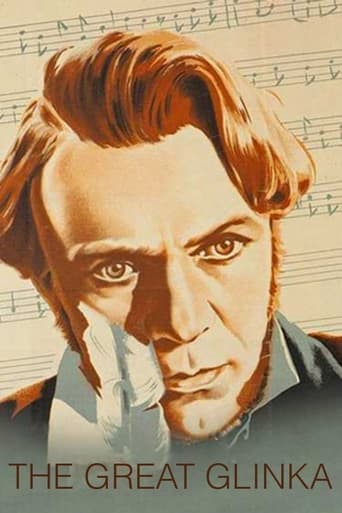
6.7About the life of the Russian composer Mikhail Glinka.
The Great Glinka
1946
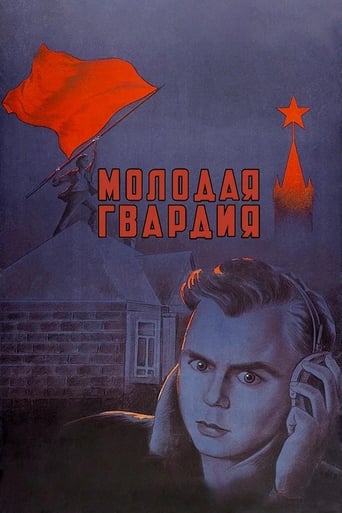 5.5
5.5In 1942, local teenagers are organizing the underground resistance in the city of Krasnodon during the Nazi occupation of Russia. The teens manage to outsmart the Nazis in their fight, and their activity lifts the spirits of the surviving citizens.
The Young Guard
1948
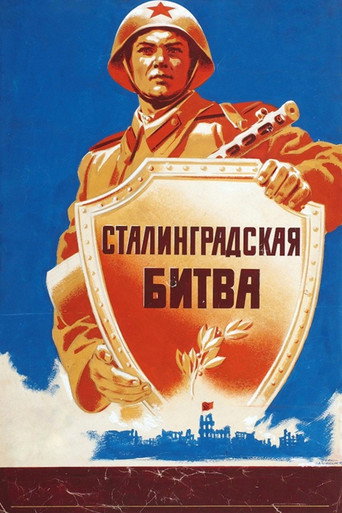 4.0
4.0A 1949 two-part Soviet epic war film about the Battle of Stalingrad.
The Battle of Stalingrad
1949
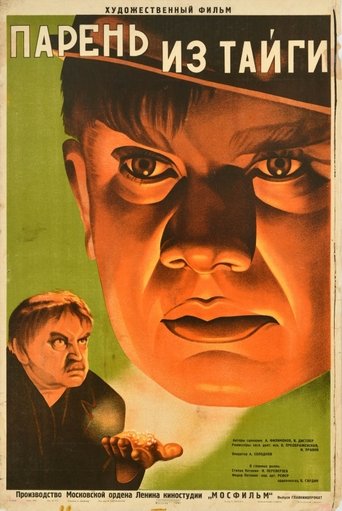 6.7
6.7About the labor exploits of gold miners, the old partisan Fedor Potanin and his son, the leader Stepan.
Prairie Station
1941
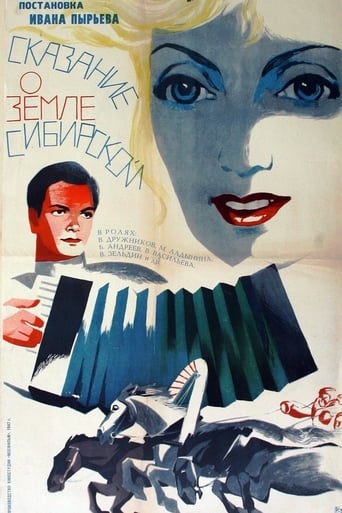 5.0
5.0His right hand having been wounded during the war, concert pianist Andrei Balashov is unable to perform his art. As a result, the young man feels so depressed that he considers his life wasted. One day, he decides to leave the capital and flee from the woman he loves, Natasha, a rising singing star. Andrei takes refuge in Siberia, his native land. Once there, he gets a job in a sawmill, where he entertains his fellow-workers playing the accordion during leisure hours. Some time later, Natasha and her company are expected in America where they are to do a tour. But an airplane breakdown forces the pilot to land next to the village in which Andrei lives and works...
Tale of the Siberian Land
1947
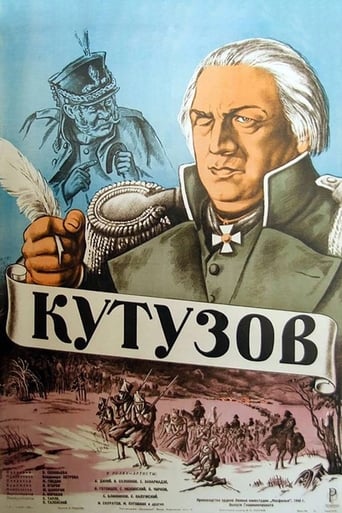 5.9
5.9A biopic about Prince Kutuzov, the defeater of Napoleon Bonaparte.
1812
1943
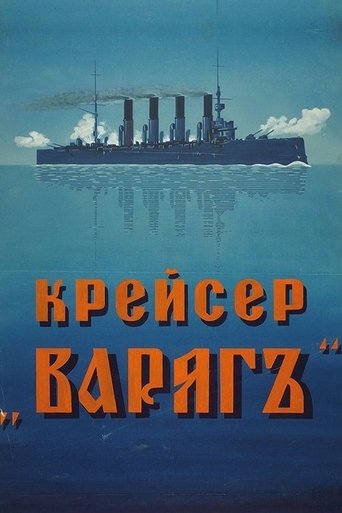 5.0
5.0A story of heroic Russian war cruiser 'Varyag'.
Cruiser 'Varyag'
1946
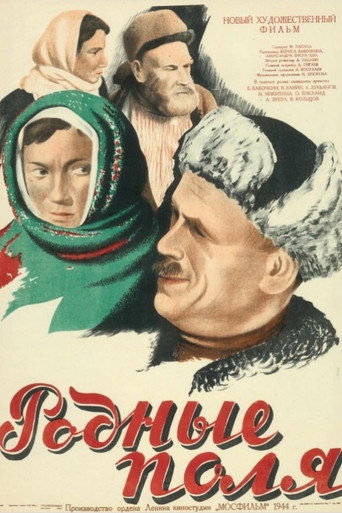 6.5
6.5November 1941. One by one, the men leave, leaving only old men, women and children in the village of Bykovka. Ivan Vybornov, the chairman of the collective farm, is also raring to go to the front, but, obeying party discipline, remains in the village and continues to skillfully and energetically lead the collective farm, mobilizing fellow villagers to send bread for the front and starving cities.
Native Fields
1945
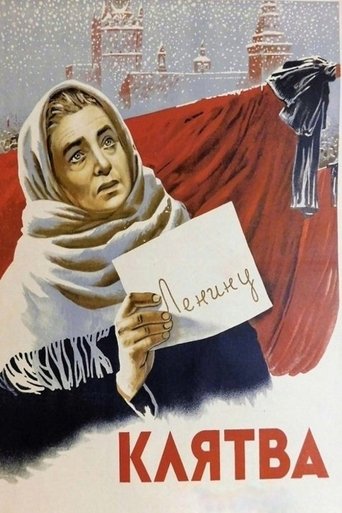 4.0
4.0The story of Stalin and the Soviet people.
The Vow
1946
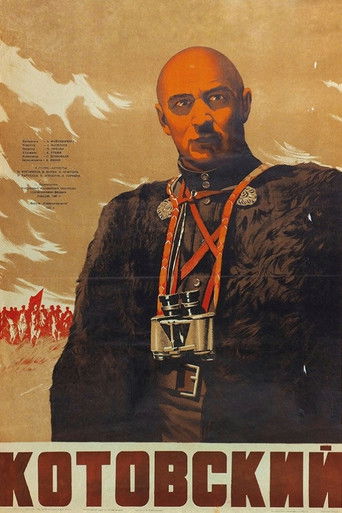 9.7
9.7Kotovsky, who went a long revolutionary way and became the recognized military commander of the cavalry troops: commander, brigade commander, commander. Six times he escaped from prison, was sentenced to death, and again escaped to become one of the most ardent warriors of the revolution. His famous equestrian brigade fought with the enemy near Kiev and the Belaya Tserkov, at Nikolaev and Odessa, and did not know defeat anywhere.
Kotovsky
1943
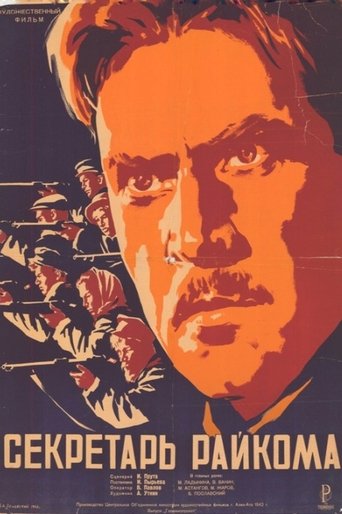 4.7
4.7A story about a Secretary of the Communist Party District Committee who is leading partisans in their fight with the Nazis during WWII.
The District Secretary
1942
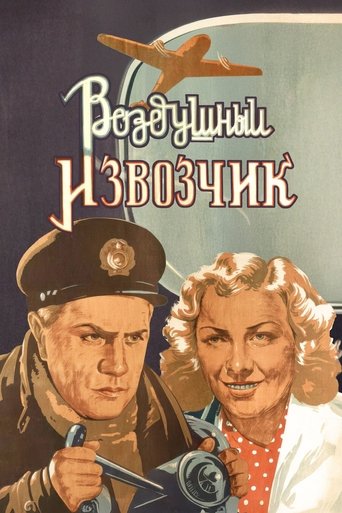 5.7
5.7A musical romantic comedy set in Soviet Union during the first years of WWII.
Air Taxi
1943
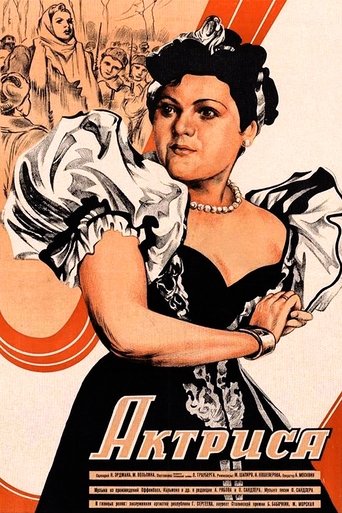 5.4
5.4Zoya Vladimirovna Strelnikova, a famous operetta actress, quits the theater and gets a nanny in a military hospital. There she meets the wounded major Peter Nikolayevich Markov.
Actress
1943
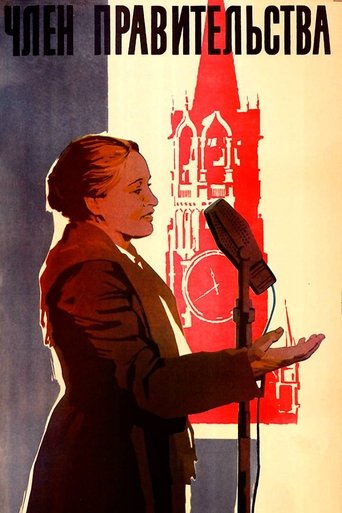 4.8
4.8In the 1930s, during Collectivization, we follow Alexandra Sokolova, who having joined a kolkhoz, is promoted by the Party to the management of the farm: she becomes chairman of the kolkhoz, courageously coping with the difficulties of collectivization, the distrust of some fellow villagers, and family conflict.
Member of the Government
1940
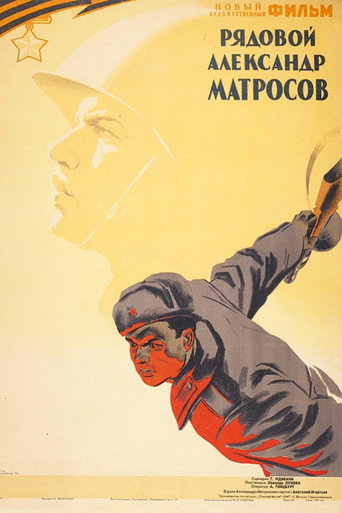 9.0
9.0The film is about the exploit of a nineteen-year-old soldier of the Great Patriotic War - Alexander Matrosov, who covered the embrasure of the enemy's bunker with his body.
Private Aleksandr Matrosov
1947
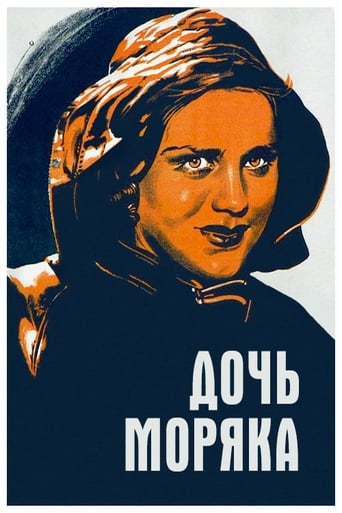 8.0
8.0Together with other graduates of the Maritime Institute, Irina Zakharova returns to her native Odessa. At the distribution commission, she seeks the appointment of the first assistant to the captain on the infamous Pobeda vessel, with the most loosened crew. Carrying a personal example of sailors, Irina successfully fights for a turning point in the mood of sailors, and when the ship gets into a storm, she shows the outstanding qualities of a real sailor. Against the background of these events, the theme of lyrical relationships between Irina and the navigator of the red-flagged ship "Abkhazia" Vasily in love with her is unfolding.
Seaman's Daughter
1941
 NR
NROne of Boris Barnet's contributions to the "films for the armed forces" series, about the suffering of Poles under Nazi occupation.
A Priceless Head
1942
Directed by Sergey Vasilev and Georgi Vasilyev.
Front
1943
 8.4
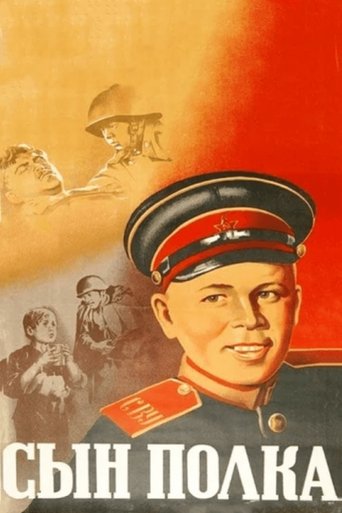
8.4During the war years, russian soldiers pick up an orphaned boy. He refuses to go to the rear and becomes a scout, and then remains with the artillery battery. When the calculation of the battery dies in battle with the German tanks that have broken through, Vanya is sent to the Suvorov School, whose students participate in a military parade on Red Square.
Son of the Regiment
1946
 9.0
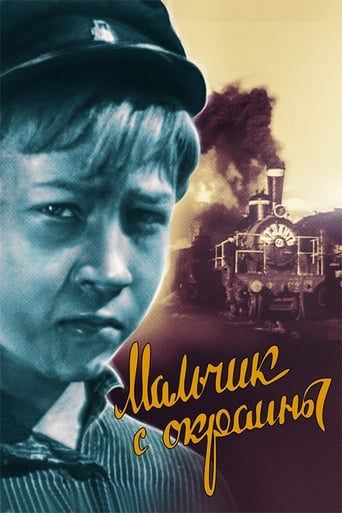
9.0In the family of the driver Skvortsov on one of the outskirts of Moscow growing son Andrew, the future designer of high-speed firearms, but for now — inquisitive and hard-working boy, dreaming of studying. Ahead of the revolution and the Great Patriotic war…
Boy From the Outskirts
1947
1930s · 17 titles
 5.0
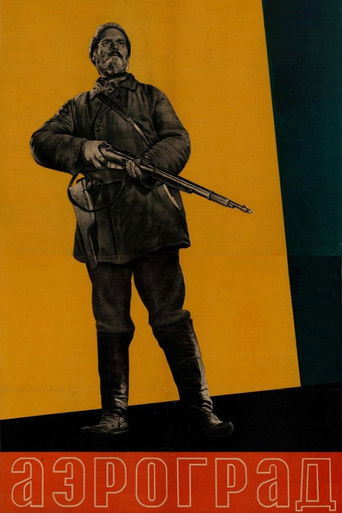
5.0A Russian outpost in Eastern Siberia comes under threat of attack by the Japanese. Aerograd is a new town with a strategically located airfield of vital interest to the government. Work on the new outpost is complicated when tensions develop between workers and a religious sect. Relations between the two countries are further strained in the days before World War II, dating back to the Russo-Japanese War of 1905.
Aerograd
1935
 5.0
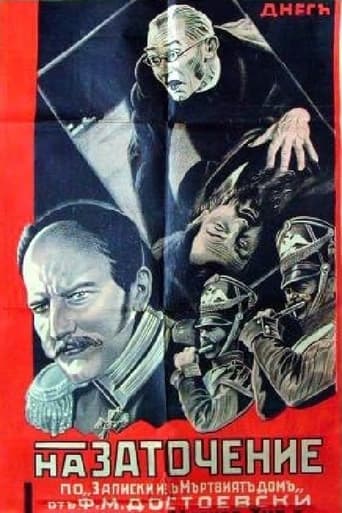
5.0Soviet film based on Dostoevsky's autobiographical novel of his prison experiences in Tsarist days.
House of the Dead
1932
 6.9
6.9Widely claimed to be Joseph Stalin's favorite movie, this classic musical comedy is a must-see. The action takes place on a steamboat on the iconic Volga River, as two groups of performers travel to Moscow to perform in the Moscow Musical Olympiad.
Volga - Volga
1938
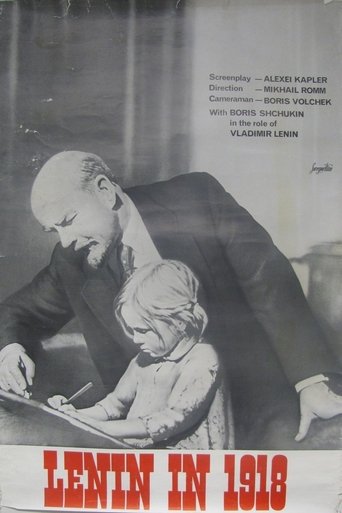 5.2
5.2Historical-revolutionary film about Lenin’s activities in the first years after the Great October Revolution in Russia.
Lenin in 1918
1939
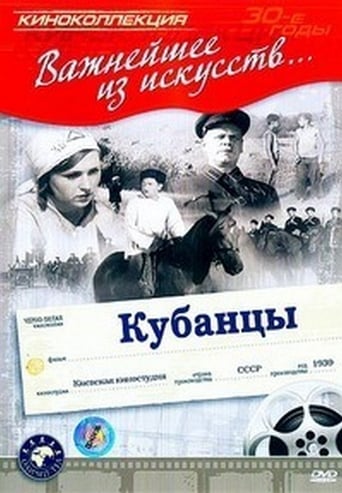 7.0
7.0From the life of one of the leading Kuban horse breeding collective farms. Veterinarian Mitrich, a disguised enemy who follows all the instructions of yesaul Soroka, sets about the main task - to destroy the entire collective farm herd. But the criminals will be detained on time, and in the autumn the collective farm will see off young Cossacks to the Red Army.
Kubans
1939
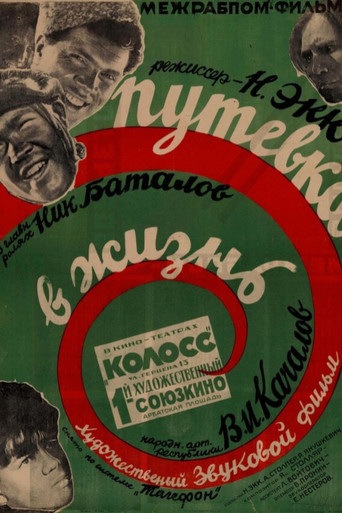 6.2
6.2The first Russian talking picture which won a prize at the 1st Venice IFF. The action is set in 1923. The USSR is struggling with hunger and economic ruin. It is a story of homeless teenagers for whom a work commune is set up with the idea of uniting and reforming them.
Road to Life
1931
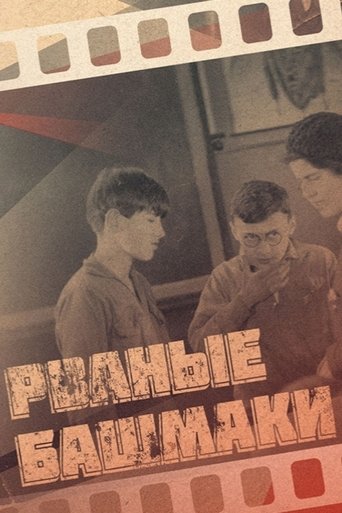 5.5
5.5Working with children led Barskaya to create superb direct sound and an inspired style of shooting. Don’t look for conventional cinematic syntax here. The film is chaotic in the way that Soviet films still knew how to be, and Langlois couldn’t help but be seduced by its rebellious spirit, its anarchy and love of children, comparable to Vigo’s Zero de conduite. As well as being a film made with and for children, it offers a complex take on Western society. Pre-Nazi Germany is not named as such but is carefully reconstructed, possibly under advice from Karl Radek, and children offer a playful reflection of class struggle – doubly excluded, as proletarians and as minors. “They play in the same way that they live”, one intertitle says. The interaction between their comical games and the yet more ludicrous ones played by adults is developed on several levels.
Torn Boots
1933
 10.0
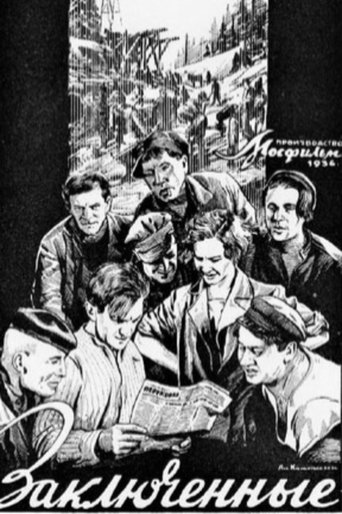
10.0In northward far camp NKVD arrives echelon with the group of prisoners. Among them there are an engineer Sadovskiy and inveterate criminal Kostya, that quickly becomes the ringleader of barrack and forbids to all the appearances at work. The officials of cheka begin a persistent and tactful fight for the change of these people.
Convicts
1936
 6.1
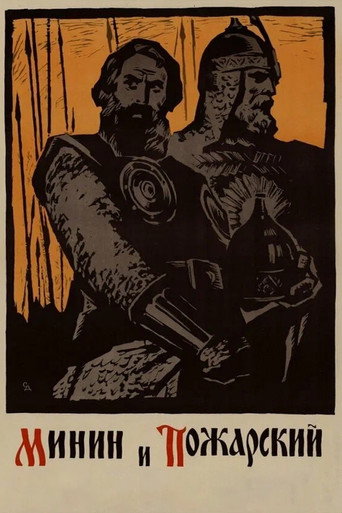
6.1Historical film about the invasion of the Poles in the Moscow Empire (1611), the creation of Minin and Pozharsky people's militia. The beginning of the XVII century. Already the sixth year the Muscovite land under the yoke of intervention. In the fall of 1610 Polish pans in deceitfully seized the Kremlin and tried to break through to the north. Everywhere rebellions broke out, but well-armed interventionists smashed the scattered peasant detachments. The liberation movement was led by Nizhny Novgorod merchant Kuzma and Prince Dmitry Pozharsky.
Minin and Pozharsky
1939
 6.3
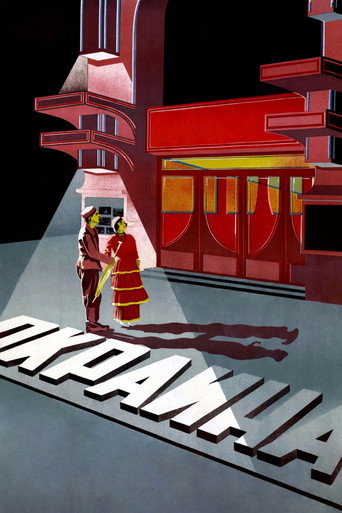
6.3In a remote Russian village during World War I, colourful and nuanced characters experience divided loyalties: family loyalty vs. personal desire, nationalism vs. transcendent humanism.
Outskirts
1933
 5.5
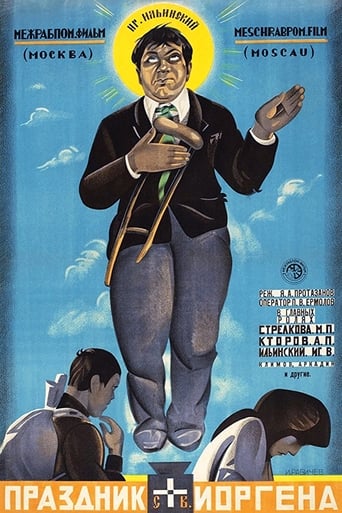
5.5The priests, stock market officials, and police conspire to squeeze income out of pilgrims come to see relics of a Christ like figure. A pair of con men try to pass of a resurrected saint.
St. Jorgen's Day
1930
Lost film.
Height 88.5
1932
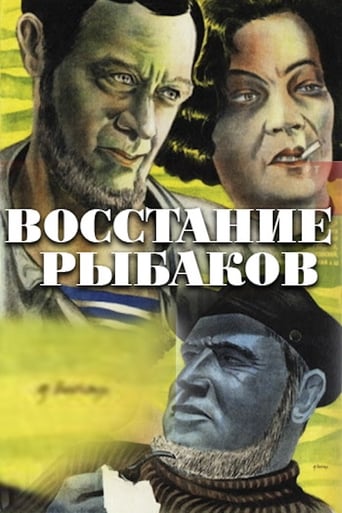 5.6
5.6Working fishermen from a small village rise up against the entrepreneurs and the buyers, fighting for higher wages for their hard and difficult work.
The Revolt of the Fishermen
1934
 7.0
7.0Not being able to implement his invention in his home country, engineer Arrowsmith, the author of the patent for ore flotation, goes to the USSR to work at one of the flotation plants, where he soon learns that a group of Soviet engineers is conducting similar work.
The Four Visits of Samuel Wolfe
1934
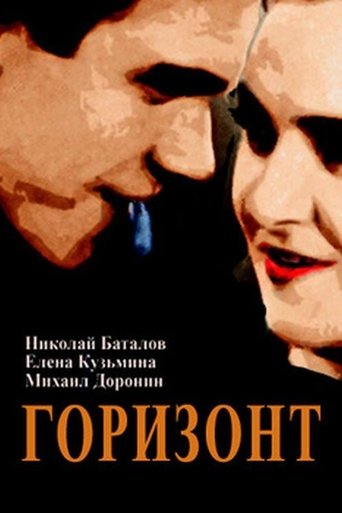 7.0
7.0A young Lyova travels with the hope of ascent from Czarist Russia to New York. Disappointed, he returns to the young Soviet Union and is glad to have found a simple work.
Horizon
1932
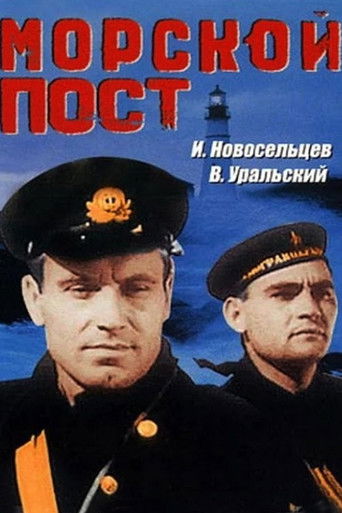 5.0
5.0Everyday life of a maritime border guard post in the mid-1930s. On a small Pacific island, a garrison of NKVD border guards is on duty. A small detachment of soldiers bravely defends their homeland from attacks by Japanese saboteurs and drives away uninvited guests. One day, a Japanese destroyer lands troops on one of the Soviet islands. The invaders are aided by traitors they have recruited. But the border guards give the aggressors a worthy rebuff.
Sea Post
1938
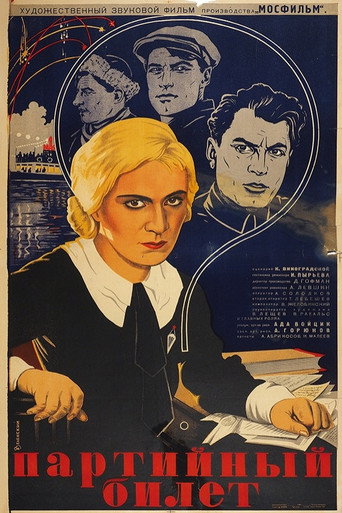 5.4
5.4Yasha, who likes Anna, accomodates siberian Pavel Kuganov, which later becomes a class-conscious worker in a factory. Anna refuses Yasha's offer of marriage and he therefore runs off to Siberia. After Pavel is hailed as a hero because he survives a fire accident in factory (which is in fact effect of his sabotage), Anna marries him. Pavel then becomes a reckless communist careerist, but only on surface. In fact, he is a traitor of the country and a spy, and gives Anna's party ID card to anti-communist movement. In spite of that, Anna is expelled from the communist party. Yasha returns from Siberia, only to find her love Anna desperate. They reveal the truth about Pavel (that he is a kulak who killed a kolchoz co-op leader), which means an end for Pavel.
Anna
1936
1920s · 14 titles
7.6In the midst of the Russian Revolution of 1905, the crew of the battleship Potemkin revolt against the brutal, tyrannical regime of the vessel's officers. The resulting street demonstration in Odessa brings on a police massacre.
Battleship Potemkin
1925
7.4Just before the 1905 Bolshevik Revolution, factory workers strike against their oppressive factory bosses. When a worker is accused of stealing a piece of machinery, he commits suicide, and his colleagues revolt against the overarching Czarist regime. As the strike drags on and government officials grow increasingly desperate to end it, their methods of dealing with the rebellious workers become more and more aggressive.
Strike
1925
7.1A Soviet woman is caught between her husband and son, who find themselves on opposing sides of the Russian Revolution.
Mother
1926
6.0A young man travels to Mars in a rocket ship, where he leads a popular uprising against the ruling group with the support of Queen Aelita, who has fallen in love with him after watching him through a telescope.
Aelita: Queen of Mars
1924
NRNo synopsis available yet.
Темне царство
1929
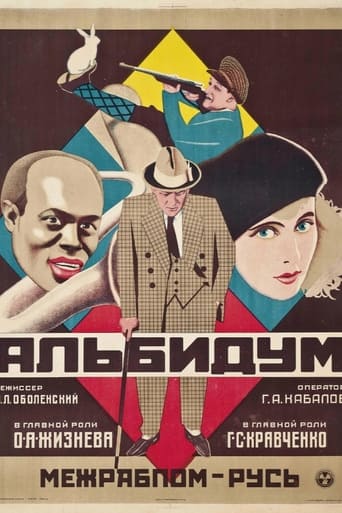 NR
NRAbout the struggle of a Soviet agronomist to create a drought-resistant variety of wheat. His work is hampered by bureaucracy. When excellent qualities of Albidum, as the developed variety is called, receive wide recognition and authorities decide to export it, external market monopolies do everything possible to prevent the export of Albidum. The film is considered to be partially lost as only one seven-minute fragment is known and found.
Albidum
1928
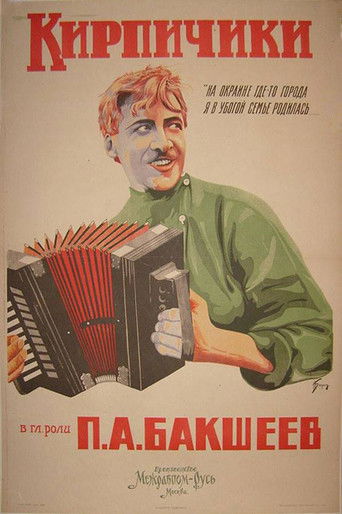 NR
NRPartially lost.
Bricks
1925
 NR
NRA remote Ukrainian village. A poor peasant, Hryhorii Malynovskyi, wants to expose those who oppose the revolutionary changes in the village - the rich, led by Konstantin Popandopul, who have made their way into the village council and are ruling there. Since poor peasants enjoy certain privileges, the rich in the village council decide to exclude Grigory from the list of poor people. Outraged, Hryhorii goes to the city and writes a letter to the newspaper. Malynovskyi is murdered. The investigator uncovers the murder and the thieves are brought to justice. The film is based on the high-profile trial of the murder of the pro-Bolshevik rural journalist Hryhorii Malynovskyi in the village of Dymivka (later renamed Malynivka in honor of Malynovskyi in Odesa province, now Mykolaiv region), promoted by Pravda newspaper and mentioned by Stalin.
Dymivka
1926
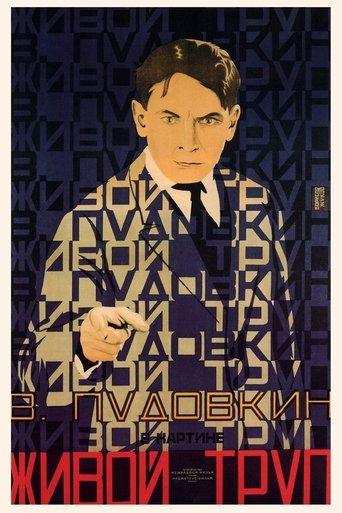 5.3
5.3The central character of the play, Fedor Protasov, is tormented by the belief that his wife Liza has never really chosen between him and the more conventional Victor Karenin, a rival for her hand. He wants to kill himself, but doesn't have the nerve. Running away from his life, he first falls in with Gypsies, and into a sexual relationship with a Gypsy singer, Masha.
The Living Corpse
1929
No synopsis available yet.
Rasplata
1926
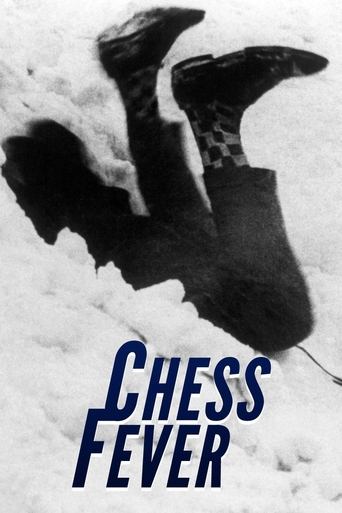 6.4
6.4With an international chess tournament in progress, a young man becomes completely obsessed with the game. His fiancée has no interest in it, and becomes frustrated and depressed by his neglect of her, but wherever she goes she finds that she cannot escape chess. On the brink of giving up, she meets the world champion, Capablanca himself, with interesting results.
Chess Fever
1925
 5.9
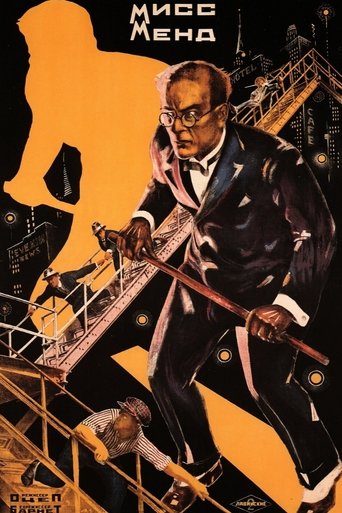
5.9Three reporters and an office girl are trying to stop a bacteriological strike by some powerful western business leaders against the USSR.
Miss Mend
1926
 7.0
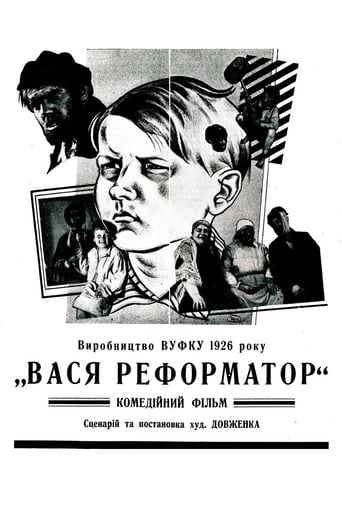
7.0Lost film directed by Oleksandr Dovzhenko (his first film) and Favst Lopatynskyi. It is a satire of the NEP period. Vasia, the son of a factory’s worker, is attracted by the romance of adventures. And he goes to look for them. He saves a drowning drunkard who tries to beat him. Vasia escapes from him in a vehicle parked on the shore. However, the vehicle belongs to a superintendent who, when he does not find it, stages its theft. Meanwhile, Vasia exposes priests in the church. As a result, the church is turned into a cinema, and the priest becomes a cinema technician. And finally, Vasia’s last deed is catching a criminal at home and denouncing him to the militia.
Vasya, the Reformer
1926
 6.3
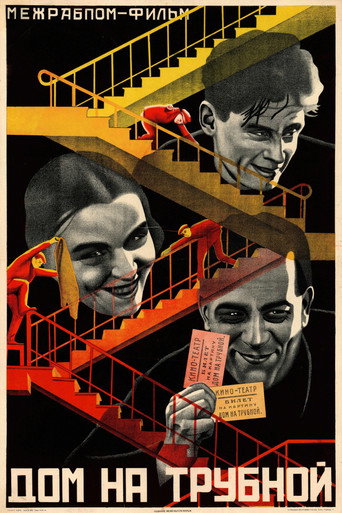
6.3Life is short and full of oppression, but that doesn't mean Parasha can't find love and laughter when she leaves her country home to take a job as a maid in the overcrowded, overworked, and underpaid world in the big city.
The House on Trubnaya
1928