
Acting
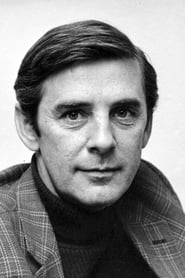
Ivan Mistrík
Born — Died
1935-10-15 — 1982-06-08
Place of birth
Bratislava, Czechoslovakia [now Slovakia]
Known for
Acting
Credits
76 titles
Ivan Mistrík (* October 15, 1935, Bratislava - † June 8, 1982, Bratislava) was a Slovak actor. Brother of actor Ján Mistrík. First wife Helena, rod. Kollátová (1932 - 1977), second Mária, b. Klesniaková, singer. He had two sons from his first marriage. Curriculum vitae From 1949 to 1951 he studied acting at the State Conservatory. In 1951 cultural promotional officer in Slovnaft, 1951 - 1952 member of the Village Theater in Bratislava, 1952 - 1953 drama of the Jozef Gregor Tajovský Theater in Zvolen, 1953 - 1966 drama of the New Stage, 1966 - 1982 drama of the Slovak National Theater in Bratislava. From 1946 he performed in the Radio Acting Company, where he created dozens of boy character…
Known for
 7.0
7.0No synopsis available yet.
Vivat Beňovský!
1975
 4.4
4.4The action of the epic film takes place in the second half of World War II. The plot focuses on the liberation of European countries from German occupation and the anti-fascist activities of the communist parties of these countries. After the victory at Stalingrad, a decisive turn occurred during the war. The main aim is the rallying of all patriotic forces, the creation of a national anti-fascist front in the struggling countries. The swift offensive of the Soviet troops, problems with the opening of a second front, major operations and the offensive of the Soviet army lead to the liberation of Europe. Rebellions are rising in different countries - such as the heroic uprising in Warsaw, in Slovenia, Bucharest and other cities. Brave heroes who performed immortal feats in the name of the happiness of mankind and freedom.
Soldiers of Freedom
1977
 7.0
7.0No synopsis available yet.
Útek zo zlatej krajiny
1979
No synopsis available yet.
Tridsaťdeväť stupňov v tieni
1976
No synopsis available yet.
Americká tragédia
1977
No synopsis available yet.
Parížski mohykáni
1972
Film credits
1980s · 12 titles
No synopsis available yet.
Čudák
1981
No synopsis available yet.
Crainquebille
1982
 5.0
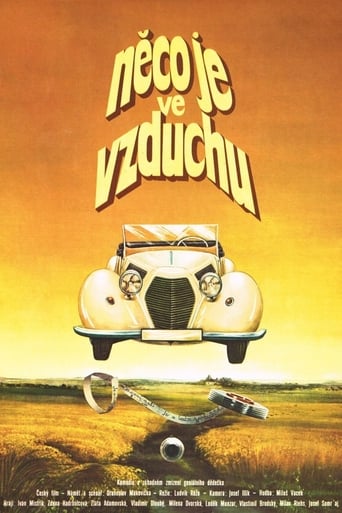
5.0The urn supposedly containing the remains of Alice's grandfather falls out of the window and breaks. To Alice's great surprise, the urn is empty and the girl learns that the grandfather didn't die but disappeared under mysterious circumstances on the 2nd September 1946 in the town of Telc. Her grandmother claims that a mysterious young man with dark glasses was implicated in her husband disappearance. Alice is determined to solve the mystery. Grandmother's story leads Alice to a shoemaker who hands her Professor Jeník's - her grandfather's - invention, called the Force-fields Accelerator. Alice tells her boyfriend Petr about the device and the young man creates a time machine following the professor's instructions. The young couple then travel back to 1946 and there they indeed meet Alice's grandfather, and his daughter Blanka, who will later be Alice's mother.
Něco je ve vzduchu
1981
No synopsis available yet.
List žene
1981
No synopsis available yet.
Tušenie
1982
 7.1
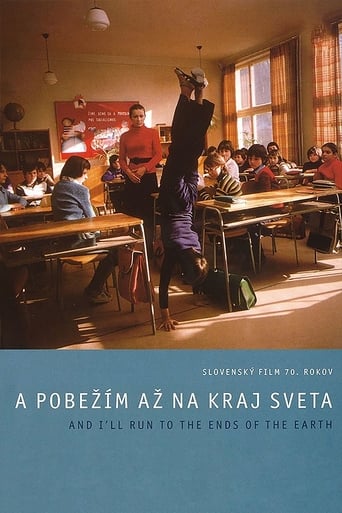
7.1Majka "Chatterbox" is a girl entering adolescence. She was born with a minor disability. While her mother keeps scolding her for the way she walks, her classmates mock her and call her a "duck". Along an innocent first love affair and a secret friendship, she receives little understanding from her parents and lots of malice from her schoolmates. Majka finds refuge with her grandmother and in her own fantasy world.
And I'll Run to the Ends of the Earth
1980
No synopsis available yet.
Pražská terčovnica
1982
 10.0
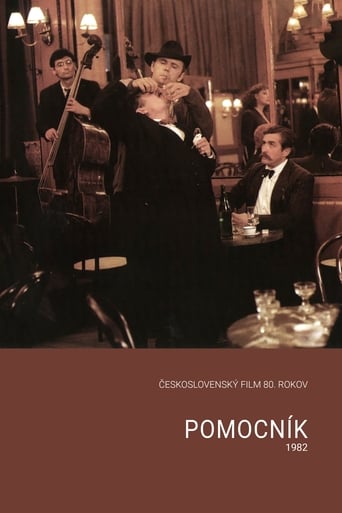
10.0A story of a family that after WWII moved to the south of Slovakia and acquired a prosperous butcher business left behind by a Hungarian emigrant. From the previous owner, the family also inherited a self-assured, greedy assistant who does not like to observe any firm moral principles. He assists the family in gaining wealth but in the long run, he causes the family's moral dissolution. In his most successful feature film, director Zoro Záhon combined a complex drama with excellent acting performances, especially that of Hungarian actor Gábor Koncz in the lead role.
The Assistant
1982
No synopsis available yet.
Čudné dievča
1981
No synopsis available yet.
Obyčajné rozmery
1981
No synopsis available yet.
Zaujímaví muži
1981
No synopsis available yet.
Jennie Gerhardtová
1980
1970s · 22 titles
 10.0
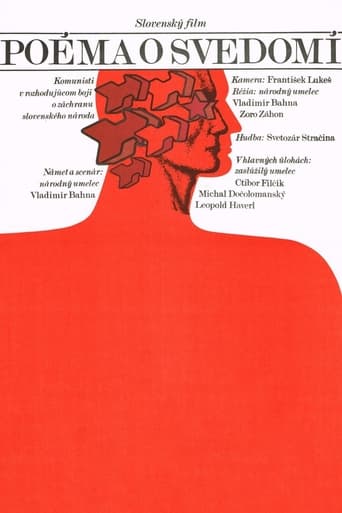
10.0Historical reconstruction of the events of the anti-fascist struggle in Slovakia in 1943 and 1944.
Poéma o svedomí
1979
No synopsis available yet.
Škriatok
1974
No synopsis available yet.
Mário a kúzelník
1976
 7.0
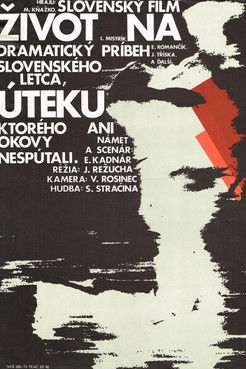
7.0In Slovakia, they often and gladly honored those soldiers who refused to serve the fascist regime and stood against it. Lieutenant Kukorelli also rejected the tempting career of a pilot, instead helping the resistance fighters and later participating in the Slovak National Uprising.
Život na úteku
1976
 8.0
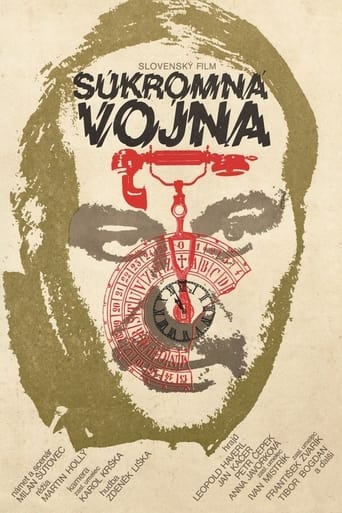
8.0Slovak psychological drama from the end of World War II. The plot of the film takes place in a short period of time just before the outbreak of the uprising. It is the story of a man who wages his "private" war against the man who is responsible for the serious injury of his brother. The upcoming Slovak National Uprising becomes the backdrop for a model-built story that touches on stubborn personal revenge in a situation of war conflict, when human life loses all value. The actions of the main character thus sound like increasingly absurd actions, his motives and the impact of his actions are relativized, the very legitimacy of such a belief appears shaky.
Súkromná vojna
1978
No synopsis available yet.
Chlapci, dievčatá a psy
1970
No synopsis available yet.
Dvakrát do tej istej rieky
1976
No synopsis available yet.
Moment kritického zaťaženia
1979
 NR
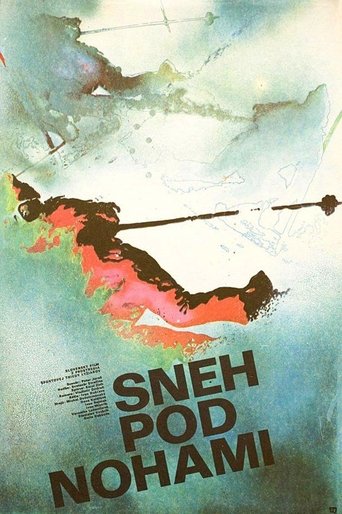
NRA contemporary story from the lives of young people, students of a ski high school, who, in addition to their studies, are preparing for a career as active sports competitors.
Sneh pod nohami
1979
No synopsis available yet.
Pani Heléne
1976
 6.2
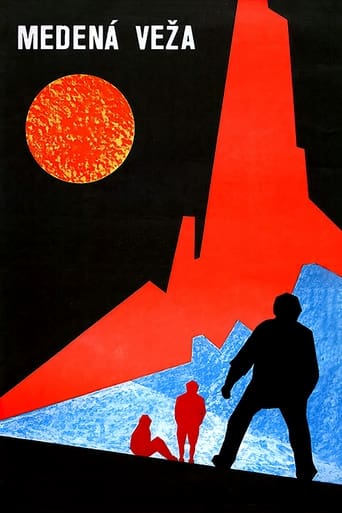
6.2A dramatic story of three friends happily spending time on their own in a mountain cottage in the High Tatras. On the arrival of the wife of one of them their perfect friendship is put to a test.
The Copper Tower
1970
No synopsis available yet.
Sen o Krištofovi Kolumbusovi
1977
Based on the paradoxical life story of a small-time Viennese postman, a former classmate of the "great" Hermann Göring, this television drama depicts the difficult position of the so-called "little man," first under the Nazi regime and later in the postwar years, when fascist tendencies continued to survive.
Spolužiak
1978
No synopsis available yet.
Stôl pre štrnástich
1978
 7.0
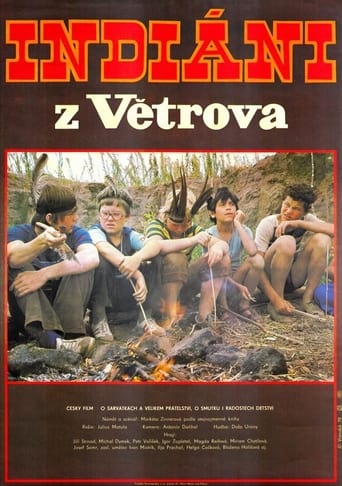
7.0In the frontier village Vetrov boys from the children's home called Indians lead a bitter "war" with the local Símáks. Before a battle the Indians have a meeting in the sandpit with a smoke signaling. The smoke brings to the sandpit a frontier guard Tomás with a police dog Ranek. The children learn from Tomás that Rank served out and that it shall be destroyed. The nine-year old Fanda writes a letter to the "minister of the frontier guards" in which he asks to let Ranek live. To save Ranek's life he also visits the local frontier guard commander. In the end it is decided that children from the children's home may keep Ranek.
Indians from Vetrov
1979
 6.0
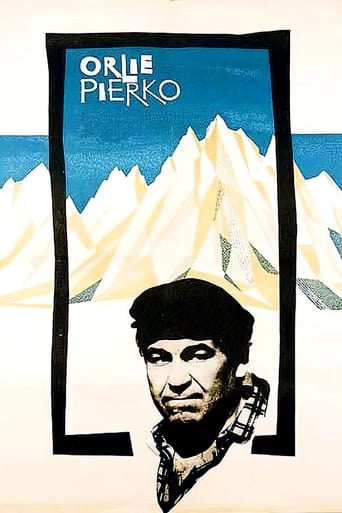
6.0The film captures the new events in the lives of the main characters of the film "The Copper Tower". After two years spent in prison because of smuggling they return to the Stratená dolina valley and plan a revenge on police lieutenant Pardek.
Eagle Feather
1972
No synopsis available yet.
Minúta rozhodnutia
1975
No synopsis available yet.
Hodina úsvitu
1975
No synopsis available yet.
Do zbrane, kuruci
1974
No synopsis available yet.
Smrť malomeštiaka
1978
No synopsis available yet.
Andersonvillský proces
1976
No synopsis available yet.
Ešte sa nevraciam
1976
1960s · 23 titles
No synopsis available yet.
Zlatá panna
1965
 7.8
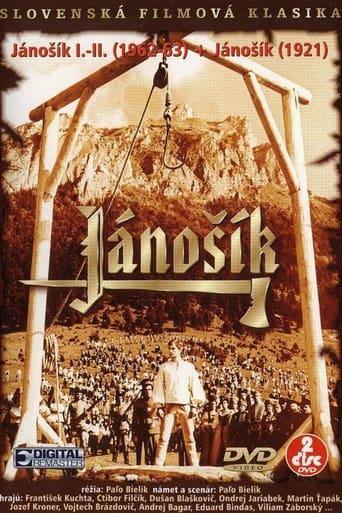
7.8This film is one of the most popular pictures of Slovak cinema and relates the story about the legendary folk hero and brigand Juro Jánošík [1688-1713] and the social situation in Slovakia of the late 17th and early 18th centuries. The first part talks about Jánošík's childhood, studies and return to his native village. In the second part Jánošík leaves for the hills, where he organizes his band of brigands and starts an anti-feudal resistance. The film concludes with Jánošík's execution.
Jánošík
1963
 6.6
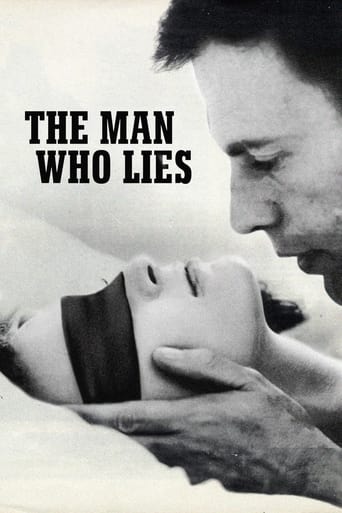
6.6A man may or may not have betrayed a resistance fighter during World War II. He has supposedly been shot down by the Nazis and wanders into town. Mourning the death of an unseen comrade, he is taken in by the family of the dead rebel. He engages in a superfluous affair and witnesses the lesbian relationship between the man's sister and a female servant. When passions subside, the family has doubts about the reliability of the man's story.
The Man Who Lies
1968
No synopsis available yet.
Šesť postáv hľadá autora
1964
A two-part television film based on the novel of the same name by Rudolf Jašík, depicting a realistic picture of life and interpersonal relationships during World War II in the mixed Slovak-German environment of the town of Pravna and the nearby village of Planice, as well as life and relationships between soldiers on the Eastern Front. From this perspective, the plot follows a unit of Slovak soldiers, their realisation that they are fighting for foreign interests, their dissatisfaction and distrust of everything, especially their officers.
The Dead Don't Sing
1965
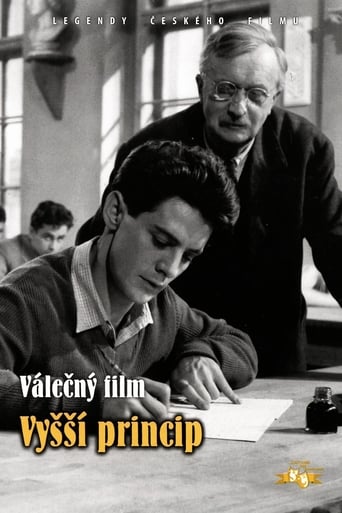 8.2
8.2During the Nazi occupation of a Czech city civilians are being rounded up on the slightest of pretexts and shot. One day three high school boys who crack jokes about a recently deceased "hero of the Reich" are pulled out of school by the Gestapo.
Higher Principle
1960
On Christmas Eve, 1944, in Nazi-occupied Slovakia, the Kubiš family grapples with survival amidst brutal reprisals. Marián collaborates as a fascist guard leader, while his sister Angela has an affair with their Nazi lodger, Major Brecker. The situation escalates when their younger son, Juraj, a former partisan fighter, returns home wounded. As Germans search homes for escapees, Juraj hides in the attic, while an unsettling Christmas dinner unfolds below with Major Brecker present.
Midnight Mass
1962
No synopsis available yet.
Pokorené rieky
1962
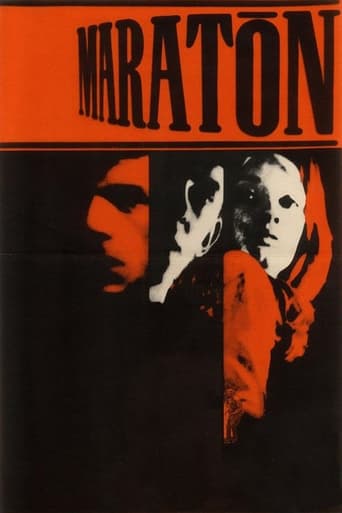 5.6
5.6It is 5 May 1945 and the uprising against the hated German occupiers has broken out in Prague. The Czech guards open the gate of the Pankrác prison to allow the prisoners to escape en masse. Many of them are shot dead by the German guards but young Ruda (Jaromír Hanzlík) manages to run away. He is taken care of by one of the Prague fighters, concierge Kytka. Kytka hides him in the flat of the house's owner where only the young maid Karla (Jana Brejchová) is left, ordering her to take care of Ruda.
Marathon
1968
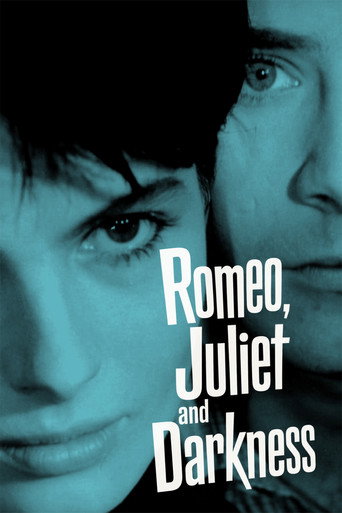 6.2
6.2Pavel, a young student living in Prague in 1942, hides a Jewish girl in his apartment building's attic. Amidst the brutality of the occupying German army, love blossoms between the two. He is her only link to the outside world. Then the two are discovered by Pavel's mother, who forces the residents of the apartment building to decide whether Hana can remain.
Romeo, Juliet and Darkness
1960
No synopsis available yet.
Berona
1967
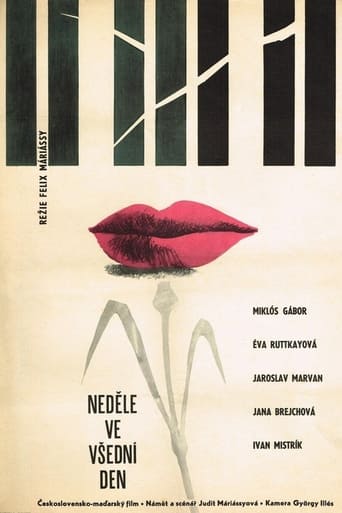 7.0
7.0Jirka is a composer, his wife, Jana, a pianist. Jana would like to have an own concert, but so far she has only been selected to accompany Valenta during his concerts in Budapest. After some resentments, she accepts the proposal.
Every Day - Sunday
1962
 7.5
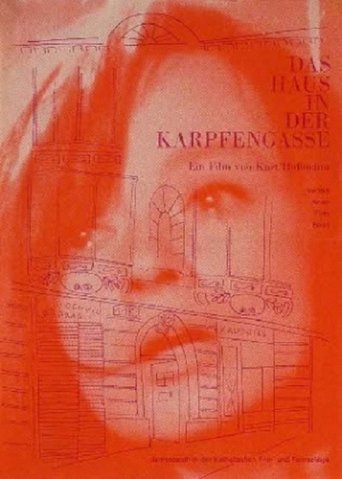
7.5The film depicts the fate of the residents of an apartment block in Prague’s Jewish quarter following the invasion by German troops in 1939. Among them is an elderly widow who had once disowned her son and now wishes to bring him to Brazil; there are also the owners of a stationery shop, who are driven to ruin by the German occupiers. The caretaker Glaser, who is of German descent, also comes under pressure when his son is arrested in a communist pub. To save his own skin, he informs on two young people who are active in the resistance.
The House in Karp Lane
1965
 8.2
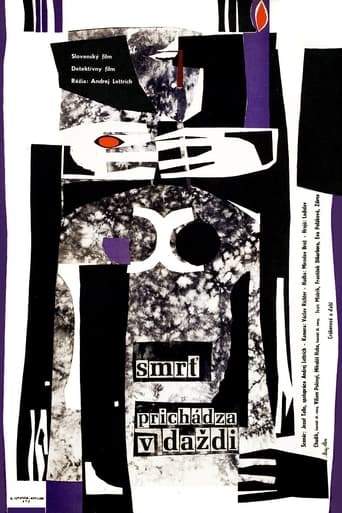
8.2A Slovak detective story set in contemporary Bratislava and featuring ordinary people with their own everyday problems. The violent death of Olga Holešová places them under heavy suspicion of murder. A series of strange coincidences and circumstances complicate the investigators' work. Her husband's infidelity, the loss of a large sum of money that the treasurer Fiala is supposed to replace, a lawyer earning extra money by doing various odd jobs - all these are confusing clues, among which investigator Jakubec eventually finds a thread that will lead him to the correct solution to the case.
Smrť prichádza v daždi
1966
No synopsis available yet.
Na brehu priezračnej rieky
1966
No synopsis available yet.
Škandál v Melodias banke
1966
The television film based on the novel of the same name by Ladislav Mňaček draws on the period of World War II and the Slovak National Uprising. The film's story is composed of two intertwining time lines. In the images of the present that frame the entire narrative, the young partisan Voloďa - a hero with autobiographical features - recovers from a serious injury. In feverish reminiscences and in conversations with his nurse Eliška, he recapitulates the eventful events of his time in the partisan group in the village of Ploština, which the partisans abandoned under the pressure of events and left to the mercy of the German commando. Voloďa is haunted by visions of the burning Ploština, remorse and responsibility for the tragedy. In feverish reminiscences, he relives the meetings of the partisan detachment with the German commando. Memories of the mysterious Jewish girl Marta, a partisan liaison with whom Pavol had a passionate love affair, also return to him.
Smrť sa volá Engelchen
1960
Two criminal investigators try to reconstruct a crime that happened in broad daylight, almost in front of the public, during a nighttime investigation. But the author does not only follow the criminal storyline. The witnesses the investigators call in each represent a different variant of cowardice or alibi in their own way.
Sedem svedkov
1967
No synopsis available yet.
Francois Villon – spor o básnika
1967
 NR
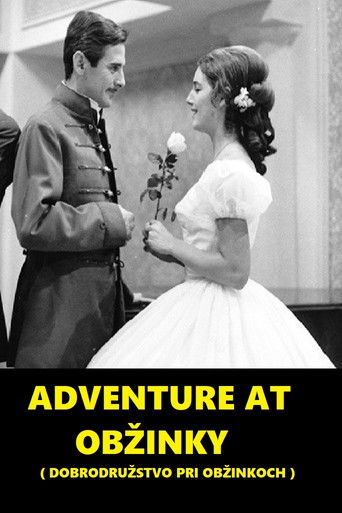
NRA television production of a play by Ján Palárik. A comedy directed against nationalism, national indifference and stupid arrogance. A classic plot built on a mix-up of characters.
Adventure at Obžinky
1968
 7.2
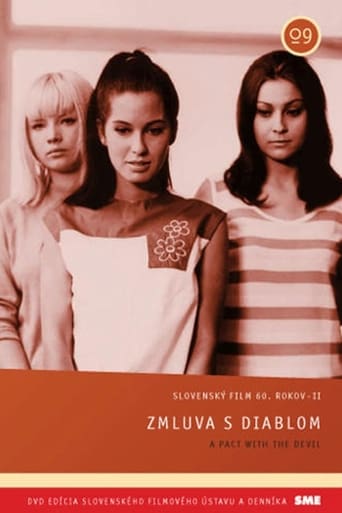
7.2A comedy about five students who are un-justly suspected of trying to lose their virginity before their graduation. The five girls first try to defend themselves, but when they find out that nobody believes them - neither the school principal nor even their own parents - they decide to accomplish what they have been falsely accused of. And although their clumsy attempts are mostly comic, at one point they almost cause a big tragedy.
A Pact with the Devil
1967
Seven people waiting for their death. A group of assasins - three men and two women - and Gypsy thief spend their time in prison to be tucked up.
The Ballad of Seven Hanged Men
1968
 8.5
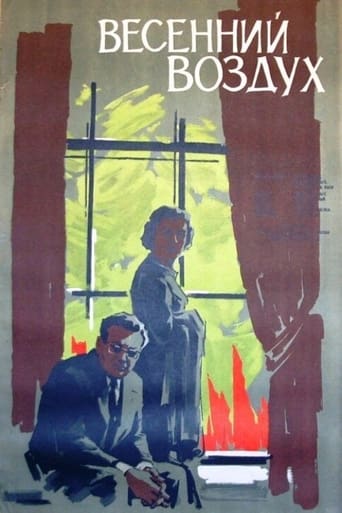
8.5People in Czechoslovakia perceive the events of February 1948 differently. This movie tells how they behave depending on their views, beliefs and character.
Jarní povětří
1961
1950s · 3 titles
 5.7
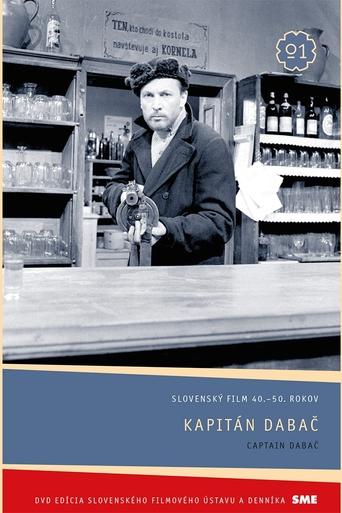
5.7The drama of a young Slovak army officer who gradually realises the horrors of fascism during the fighting in Ukraine. On his return to Slovakia, he joins the SNP. However, he cannot overcome his loner attitude or his doubts about the meaning of partisan activity.
Kapitán Dabač
1959
 7.2
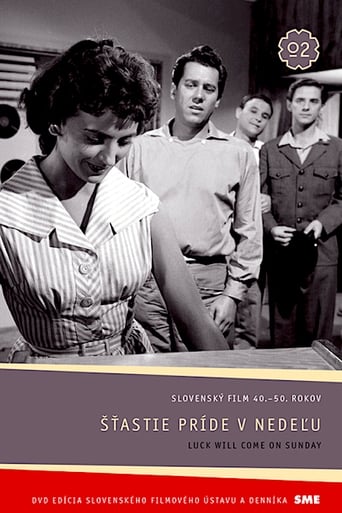
7.2Three friends, Emil, Vrabec and Mišo, spend every Sunday playing the lottery, each nursing a personal dream: Emil wants a Jawa 250 motorcycle, Vrabec hopes for a Pionier scooter and Mišo imagines funding a world tour. Frustrated by constant losses, they decide to maximize their stake in the next draw, convinced that more money will tip the odds in their favor. Their plan takes an unexpected turn when they meet attractive Eva Dvorčíková on a televised variety show - Eva has long been Mišo’s unspoken crush. To determine who will have the right to win her affection, the friends agree to draw lots, putting their bonds and ambitions to the test.
Šťastie príde v nedeľu
1959
No synopsis available yet.
Nie je Adam ako Adam
1956
Series credits
7.0No synopsis available yet.
Vivat Beňovský!
1975
4.4The action of the epic film takes place in the second half of World War II. The plot focuses on the liberation of European countries from German occupation and the anti-fascist activities of the communist parties of these countries. After the victory at Stalingrad, a decisive turn occurred during the war. The main aim is the rallying of all patriotic forces, the creation of a national anti-fascist front in the struggling countries. The swift offensive of the Soviet troops, problems with the opening of a second front, major operations and the offensive of the Soviet army lead to the liberation of Europe. Rebellions are rising in different countries - such as the heroic uprising in Warsaw, in Slovenia, Bucharest and other cities. Brave heroes who performed immortal feats in the name of the happiness of mankind and freedom.
Soldiers of Freedom
1977
7.0No synopsis available yet.
Útek zo zlatej krajiny
1979
No synopsis available yet.
Tridsaťdeväť stupňov v tieni
1976
No synopsis available yet.
Americká tragédia
1977
No synopsis available yet.
Parížski mohykáni
1972
No synopsis available yet.
Louis Pasteur
1979
 NR
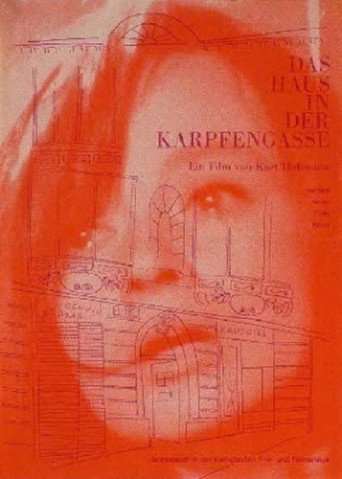
NRThe miniseries depicts the fate of the residents of an apartment block in Prague’s Jewish quarter following the invasion by German troops in 1939. Among them is an elderly widow who had once disowned her son and now wishes to bring him to Brazil; there are also the owners of a stationery shop, who are driven to ruin by the German occupiers. The caretaker Glaser, who is of German descent, also comes under pressure when his son is arrested in a communist pub. To save his own skin, he informs on two young people who are active in the resistance.
The House in Karp Lane
1965
No synopsis available yet.
Tajný agent
1974
No synopsis available yet.
Buddenbrookovci
1975
 9.0
9.0No synopsis available yet.
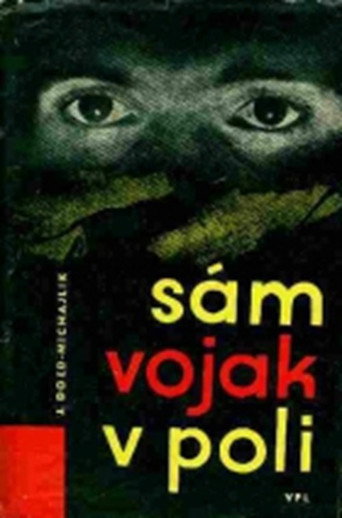
Sám vojak v poli
1964
No synopsis available yet.
Barbora Rösselová
1979
No synopsis available yet.
Bašta
1970
No synopsis available yet.
Mŕtvi nespievajú
1964
A handsome young man trades his soul so that his portrait ages while he stays eternally young.
The Portrait of Dorian Gray
1970
No synopsis available yet.
Mŕtve duše
1971