
Acting
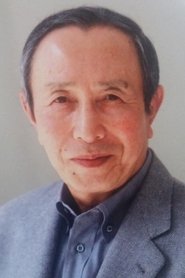
Shinjirō Ehara
Born — Died
1936-10-12 — 2022-09-27
Place of birth
Kyoto, Kyoto, Japan
Known for
Acting
Credits
64 titles
Known for
 7.0
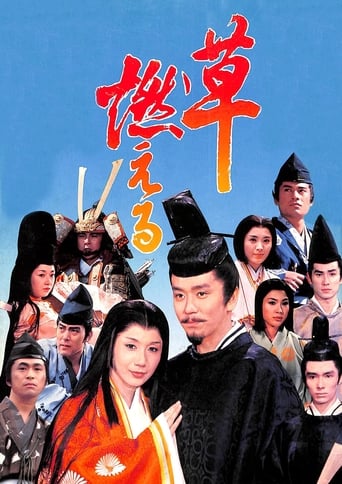
7.0The story chronicles the life of Hōjō Masako during the Kamakura Period.
Kusa Moeru
1979
 5.0
5.0A university student travels to a popular resort in the mountains for a summer job as a waiter and becomes romantically involved with an older woman from a wealthy family.
Lady Karuizawa
1982
 7.6
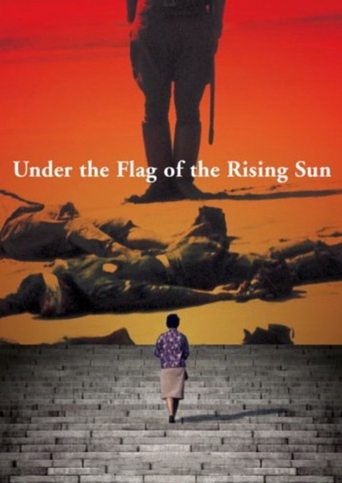
7.6A war widow determined to clear the name of her disgraced husband, who was court-martialed for desertion and executed. Official records have been destroyed, and the ministry that distributes benefits continues to deny her a pension. Twenty-six years after the war, she seeks out four survivors of her husband's garrison. Each tells a dramatically different story about her husband's conduct, but she is determined to learn the truth.
Under the Flag of the Rising Sun
1972
 10.0
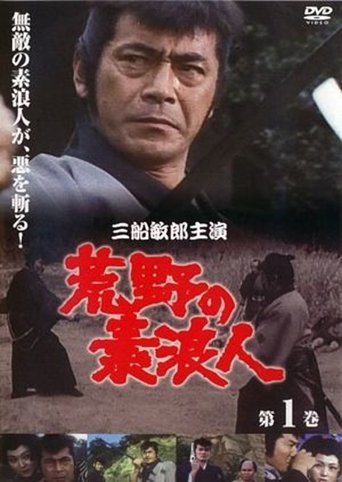
10.0Continuing the tradition of the Yojimbo movies, Mifune Toshiro stars as Toge Kujuro, a wandering ronin searching for his own fame and happiness. With a sense of justice, he travels the countryside, with his motley collection of outcasts - a pistol-carrying ronin, a two-bit con artist and woman seeking revenge, following close behind, unwittingly righting wrongs and protecting the common man.
Ronin of the Wastelands
1972
 NR
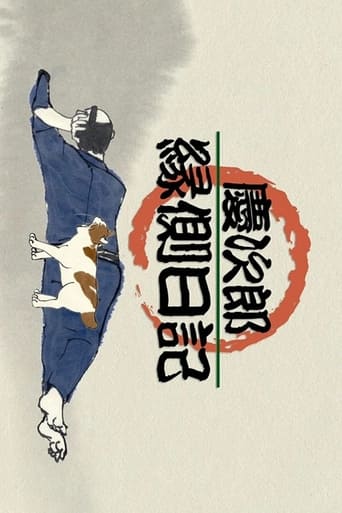
NRThe time is the early 1800s. Keijiro Moriguchi loses his only daughter, Michiyo, in an unfortunate incident just before his wedding ceremony, and adopts Konosuke, who was supposed to be his son-in-law. Three years later, he hands over the family estate to Konosuke, welcomes his wife, Satsuki, and retires, becoming a dormitory (manager) of a merchant's villa in Negishi Village. Keijiro's second life begins in order to heal...
Keijirō Engawa Nikki
2004
 8.1
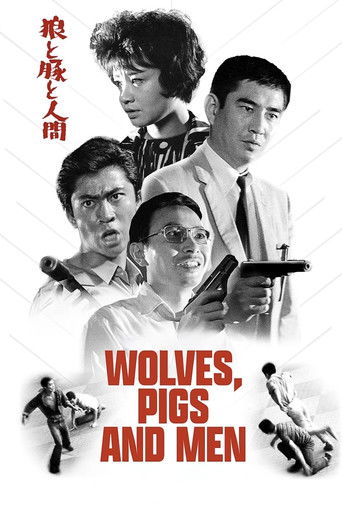
8.1Sabu and his pals hold a pauper's funeral for Sabu's mother. His brother Jiro arrives home, fresh out of jail, and Sabu pointedly states that Jiro is not invited. Jiro meanwhile is planning a big job - steal 40 million in cash and drugs, and he invites Sabu and gang to act as decoys, for 50,000 each. The sting is a success, but the double-crossing starts almost immediately. Sabu discovers how little of the take they were promised and hides the stash. Jiro and his slimy partner pressure the kids to fess up. Meanwhile, their respectable elder brother Ichiro is being leaned on by the town's big boss, whose money it was.
Wolves, Pigs & Men
1964
Film credits
1980s · 4 titles
5.0A university student travels to a popular resort in the mountains for a summer job as a waiter and becomes romantically involved with an older woman from a wealthy family.
Lady Karuizawa
1982
 5.3
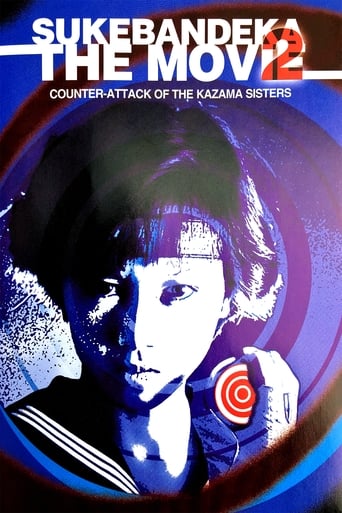
5.3After the events of the previous film, the 17 years-old Sukeban Deka III, Yui Kazama, works for the Juvenile Security Bureau along with her older sisters Yuka and Yuma. This organization is led by politician Kuraudo Sekin, who fights juvenile crime in heavy-handed manners, to the extent to equip his student agents with triple-bladed yo-yo weapons. However, when Sekin's methods become too zealous, Yui quits the bureau and refuses to undertake undercover missions for them. It is soon discovered that Sekin's actual goal is to overthrow the Japanese government, and the Kazama sisters, along with a gang of young outcasts, have to stop him.
Sukeban Deka the Movie 2: Counter-Attack of the Kazama Sisters
1988
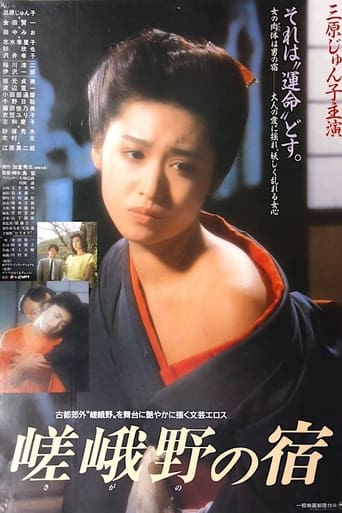 10.0
10.0No synopsis available yet.
Sagano no yado
1987
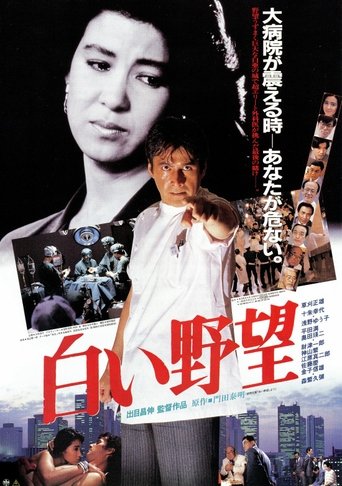 10.0
10.0A story of the skilled brain surgeon, Todo, whose talent and ambition are put to test through a series of high risk surgical procedures.
Surgical Designs in Flames
1986
1970s · 9 titles
7.6A war widow determined to clear the name of her disgraced husband, who was court-martialed for desertion and executed. Official records have been destroyed, and the ministry that distributes benefits continues to deny her a pension. Twenty-six years after the war, she seeks out four survivors of her husband's garrison. Each tells a dramatically different story about her husband's conduct, but she is determined to learn the truth.
Under the Flag of the Rising Sun
1972
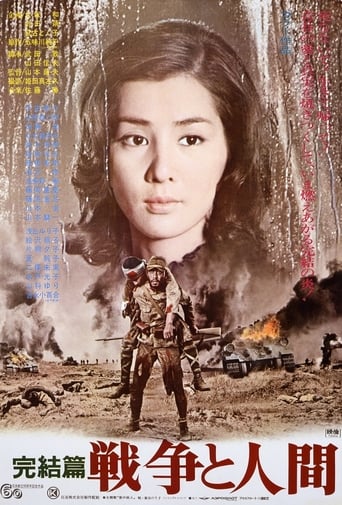 6.1
6.1As Japan's war of aggression against China intensifies, beginning with the Nanjing Massacre in December 1937, Kohei, who had secretly married Junko, the second daughter of the Godai family, deploys to the front lines, witnessing the atrocities of the Japanese army firsthand. Meanwhile, Shunsuke also takes to the front lines of the battlefield, engaging in a fierce battle against the Soviet army at Nomonhan.
Men and War III: The Final Chapter
1973
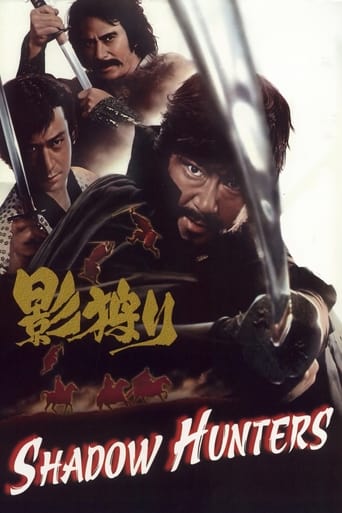 7.2
7.2Set during the declining years of the Tokugawa shogunate, Shadow Hunters details the questionably noble exploits of three ronin who act as "Shadow Hunters". These three ronin are not your normal ornery ruffians who are looking for a drink, a broad and someone to jab a sword into, but are in fact former samurai who, rather than follow their destroyed fiefs and murdered masters into death via seppuku, have dedicated their combined sword prowess to stopping the government from raping its daimyos for valuable resources.
Shadow Hunters
1972
 NR
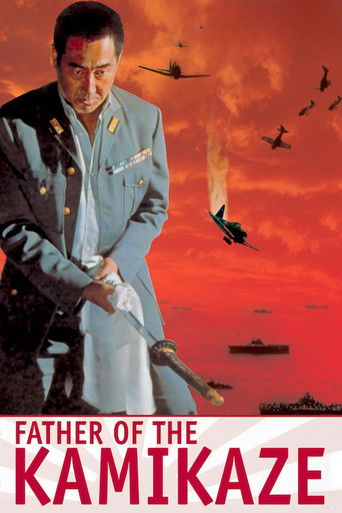
NRVice Admiral Takajiro Ohnishi could see that Japan's defeat in WWII was inevitable. He came to realize that the only way to force a negotiated solution was to convince the Americans that invading Japan would cause massive casualties on both sides. The cold logic of suicide attacks, where one man and one plane could kill hundreds, seemed the only solution. In one of the cruel ironies of fate, Ohnishi actually succeeded; he convinced the Americans that invading Japan would be too costly in lives. But what he could not foresee was that America had another way of ending the war.
Father of the Kamikaze
1974
 6.8
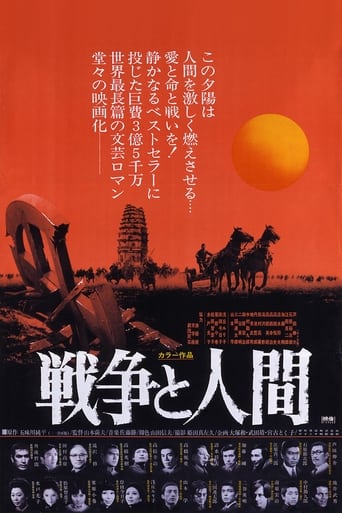
6.8The upstart Godai family conglomerate plans to strengthen ties with the hardliners in the Kwantung Army as they plan military expansion into Manchuria.
Men and War I: Prelude to Destiny
1970
 NR
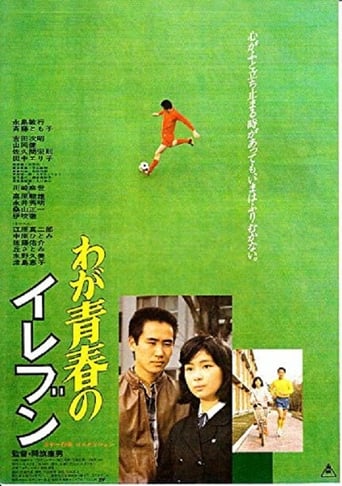
NRSoccer movie.
Waga seishun no eleven
1979
 6.4
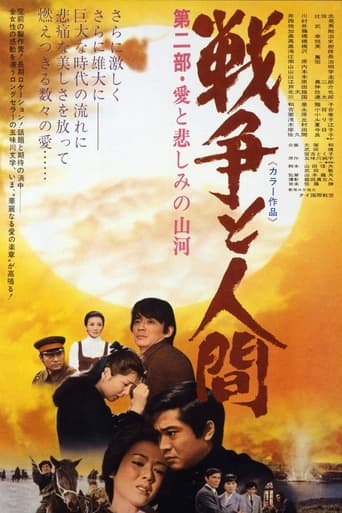
6.4As the Japanese military has established the puppet state of Manchukuo and is advancing its invasion of Asia, fighting intensifying battles against anti-Japanese partisans, the Godai zaibatsu becomes involved in large-scale opium smuggling. Shunsuke, second son of the Godai family, falls in love with a married woman. Meanwhile, Kohei, the love of the second daughter, Junko, throws himself into the anti-war movement.
Men and War II: Land of Love and Sorrow
1971
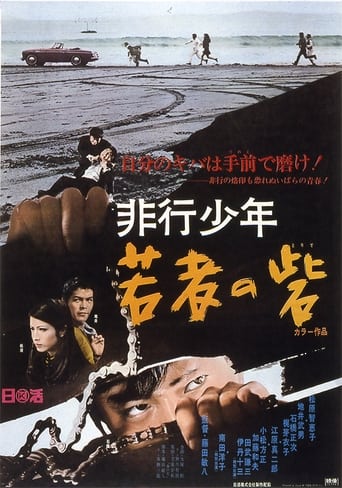 10.0
10.0A 1970 juvenile delinquent drama.
A Young Man's Stronghold
1970
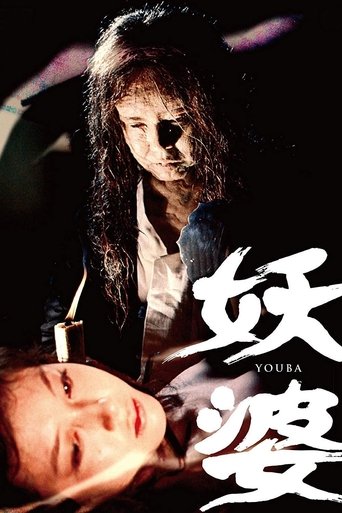 7.0
7.0Oshima, a rich girl married Shinzo, and her cousin girl Sawa has been jealous of Oshima deeply. Sawa cursed Oshima so Shinzo could not hold her and do anything at all. Shinzo hated Oshima, and he made love with Sawa.
The Possessed
1976
1960s · 35 titles
8.1Sabu and his pals hold a pauper's funeral for Sabu's mother. His brother Jiro arrives home, fresh out of jail, and Sabu pointedly states that Jiro is not invited. Jiro meanwhile is planning a big job - steal 40 million in cash and drugs, and he invites Sabu and gang to act as decoys, for 50,000 each. The sting is a success, but the double-crossing starts almost immediately. Sabu discovers how little of the take they were promised and hides the stash. Jiro and his slimy partner pressure the kids to fess up. Meanwhile, their respectable elder brother Ichiro is being leaned on by the town's big boss, whose money it was.
Wolves, Pigs & Men
1964
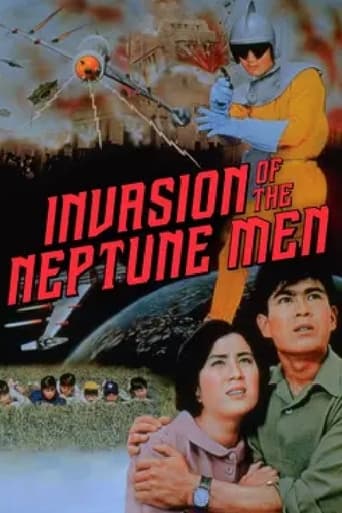 3.1
3.1Astronomer Shinichi Tachibana has a secret identity as the superhero "Iron Sharp" and is well beloved by children. When they are attacked by a group of metallic aliens, Iron Sharp drives the aliens away. The resourceful Tachibana helps develop an electric barrier to block the aliens from coming to the Earth. After several losses by the aliens, they announce that they will invade the Earth, throwing the world into a state of panic.
Invasion of the Neptune Men
1961
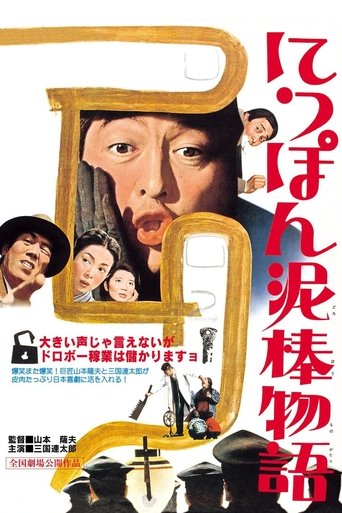 7.0
7.0Gisuke Hayashida is an illegal dentist during the day and a burglar by night. One night during a burglary he witnesses a train derailment. Some communists are found guilty of causing the incident, but he knows it wasn't them. He can save innocent people but for that he must confess his own crime.
Tale of Japanese Burglars
1965
 7.1
7.1In the fourth installment, Musashi's potentially greatest opponent Kojiro jumps in and out of the story at the oddest and most coincidental moments. As his great love Otsu has succumbed to madness. Musashi then sets off to beat the functionaries of a treacherous clan in an arranged duel. 73 against one. Boastful Kojiro watches, secure in the knowledge that only he is a worthy opponent.
Miyamoto Musashi IV: The Duel at Ichijo-ji Temple
1964
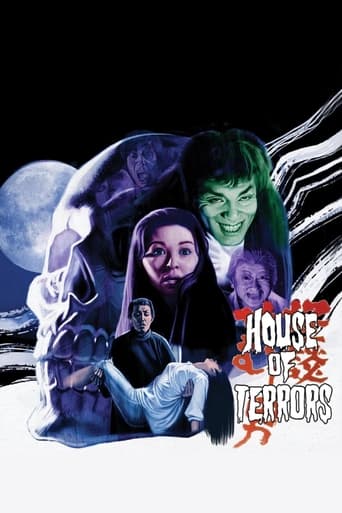 5.3
5.3A hunchbacked caretaker presides over a forlorn mansion inhabited by the ghosts of his previous masters. An unbelieving trio (a doctor, his assistant and his niece) fail to heed the caretaker's warnings and are slaughtered horribly by the jealous occupants.
House of Terrors
1965
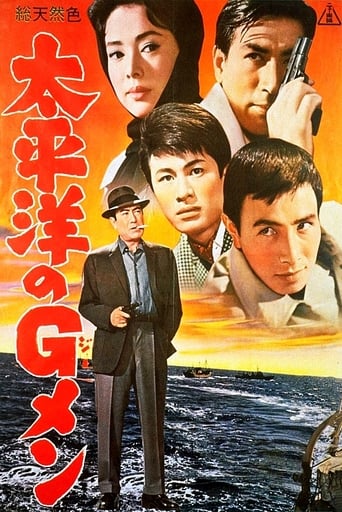 6.3
6.3G-men challenge a jewelry smuggling ring. The chase starts in Kyushu and continues to Kobe to Yokohama.
G-Men in the Pacific
1962
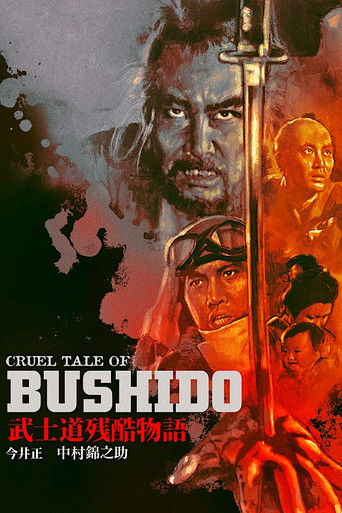 6.7
6.7After a salary-man's fiancée attempts suicide, he recounts his gruesome family history which saw generations of his ancestors suffer and sacrifice themselves for the sake of their cruel lords.
Bushido: The Cruel Code of the Samurai
1963
 7.0
7.0Teruo Ishii portrays the bitter conflict over the right to develop land in a gripping and humorous way. Nakagami, the head of the Kanto Joseikai, is ordered to acquire the rights to work to level the reclaimed land and prevent the Doshikai from expanding from Kansai into Tokyo, but the interference of the Koda-gumi, associated with the Kansai Doshikai, intensifies. Nakagami's younger brother Hayami, unhappy that the situation is moving slowly, tries to blackmail the mayor into moving forward, but... A true Toei gangster film with an all-star cast including Koji Tsuruta and Ken Takakura!
The Boss
1965
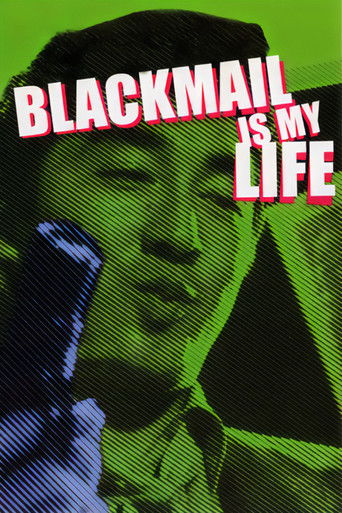 6.6
6.6Though he has come from a rough background on the streets, Muraki quickly rises through the ranks by means of his well-honed blackmailing instincts. Desperate to keep rolling with his freewheeling lifestyle, Muraki sees his luck begin to crumble when he sets his sights on the business partners of a powerful gang boss.
Blackmail Is My Life
1968
 7.4
7.4After World War II, their town was a pile of rubble. Gennosuke, the second generation boss of the Kamizu Group was upholding yakuza chivalry by keeping black-market and illegal items out of their open-air market. Taking advantage of the mess, Iwasa and his gang take hold of goods from the US military, black-market and controlled items in order to become the most powerful group in Enko area.
Brutal Tales of Chivalry
1965
 5.0
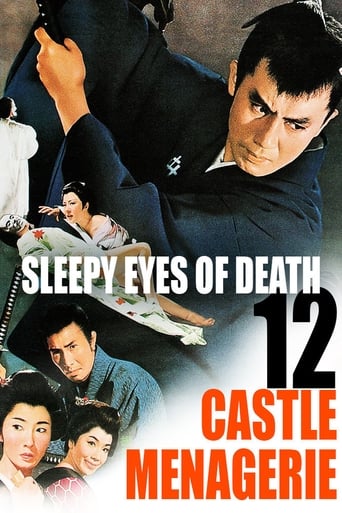
5.0Just when you think Kyoshiro's life can't get any stranger, someone starts running around raping and murdering, and leaving notes proudly proclaiming that he did it. Tracking down the real culprit will take him along a twisted trail that involves the Shogun's harem, hidden Christians, and positively pregnant politics!
Sleepy Eyes of Death 12: Castle Menagerie
1969
 7.8
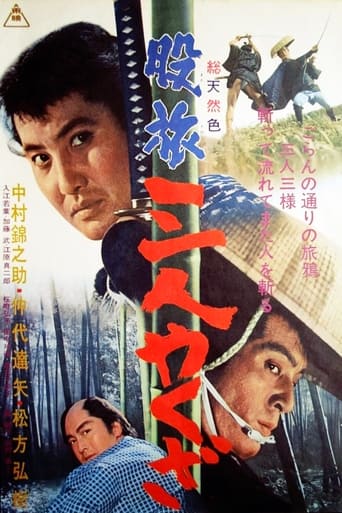
7.8A tale of three Yakuza gamblers who traveled Japan during the samurai era living by their wits and sword skills. Told in 3 separate vignettes, each part tells the story of a different drifter’s life. Part 1: A man is on the run after killing two Hasshu Officials to avenge his Boss. He must make a life or death decision as he is asked to protect a gang from attack. Part 2: A pair of gamblers chased out of a crooked game must fight not only their pursuers, but the ghosts of their pasts as well. Part 3: A wanderer who wants to live according to the Yakuza Code, but is not sure that he can do so when asked to save a town from an evil official.
Three Yakuza
1965
 NR
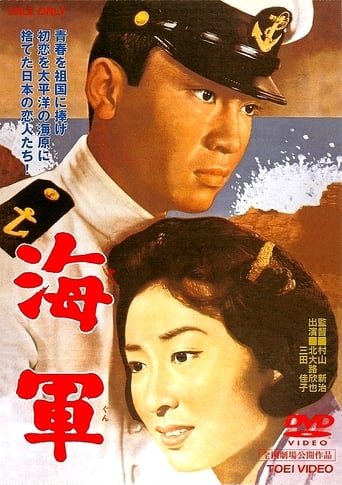
NRA tale of two best friends in the WWII era Japan. Takao is a young man enthusiastic about joining the navy to fight for his country. He convinces his best friend Shinji to join him. As it turns out, however, Takao's poor health prevents him from entering the navy while his friend is chosen instead. As time goes by, Takao becomes a painter and changes his mind about the meaningfulness of war and fighting, while his friend goes the opposite path. Meanwhile Takao's sister falls in love with Shinji.
The Navy
1963
 9.5
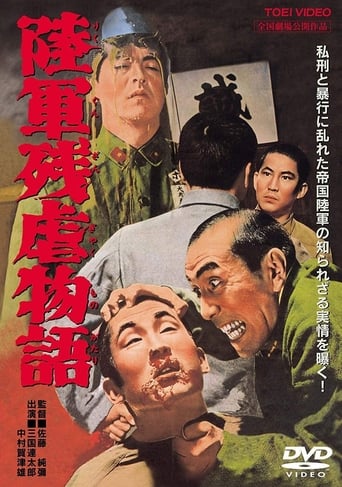
9.5Director Jun'ya Satô's debut film focuses on the inhuman training of recruits, the brutal drill system that reigned in the Japanese army during World War II, where in the first two years of training, ordinary people were turned into inhuman killers. For his first film, the director was awarded the Blue Ribbon Awards in the Debutant of the Year nomination.
Tale of Army Brutality
1963
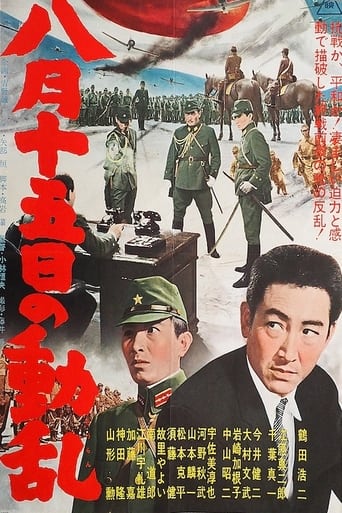 NR
NRA suspense work based on the "Miyagi Incident," an attempted coup d'etat led by some officers working for the Ministry of the Defense and the General Staff of the Konoe Division on the eve of the end of the Pacific War.
Mid-August Commotion
1962
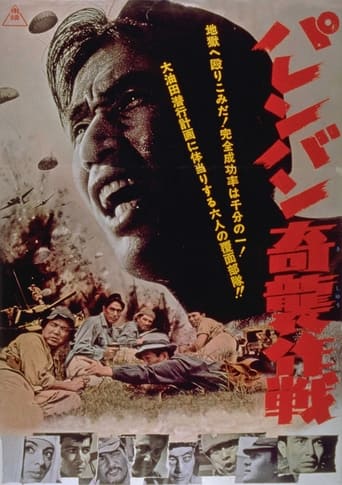 NR
NR1963 Toei war / action film.
Element of Surprise
1963
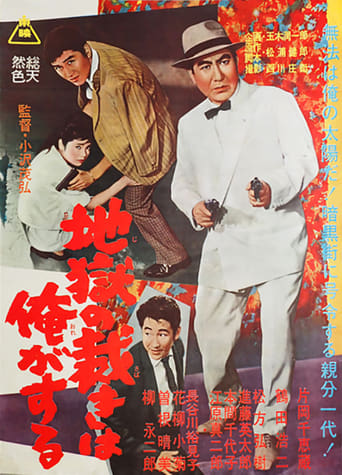 NR
NRA man challenges a territorial fight between gangs.
The Sentencer
1962
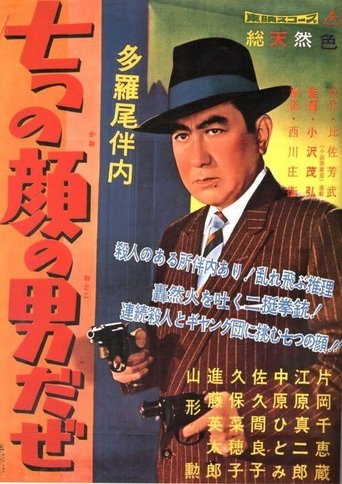 6.3
6.3Detective Tarao investigates the deaths of police officers who were involved in solving a kidnapping case.
The Man of Seven Faces
1960
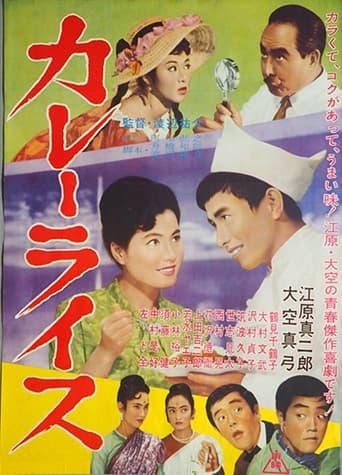 9.0
9.01962 Japanese movie
Curry Rice
1962
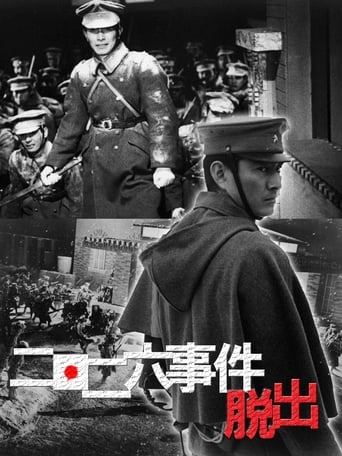 7.0
7.0Film about the 2-26 Incident.
The Escape
1962
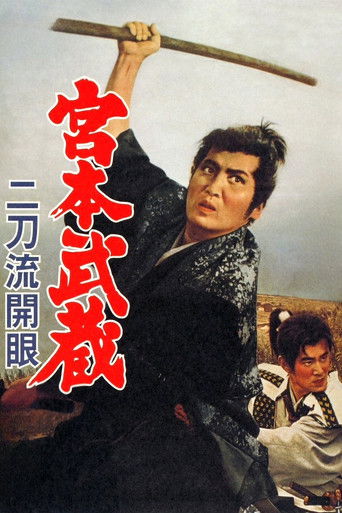 6.9
6.9In the third installment of Yoshikawa's novel Musashi, things continue from the 2nd film at the end of battle, where Miyamoto continues on a mission of learning; with the introduction of his arch-rival Sasaki Kojiro; and lastly the large cast of characters rendezvouses for a fateful finale.
Miyamoto Musashi III: Birth of Two Sword Style
1963
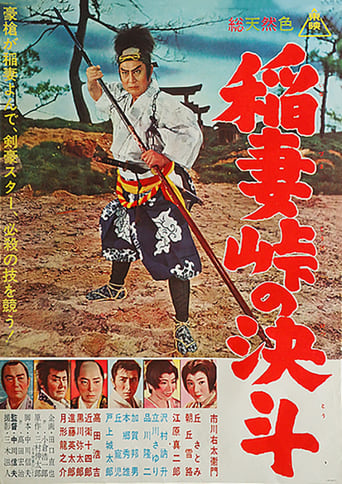 10.0
10.0A story about a spear master’s spiritual and martial discipline.
Showdown at Lightning Pass
1962
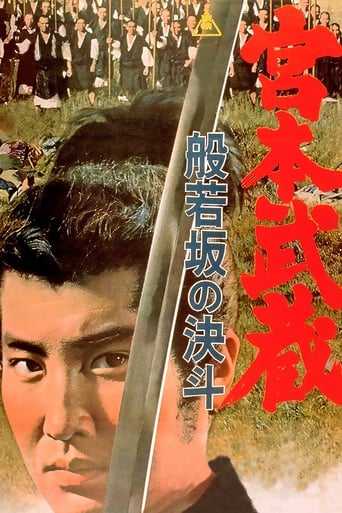 7.3
7.3The remake of Yoshikawa's novel continues with the second installment in which Takezo, soon to be Miyamoto Musashi, emerges from the Himeji Castle after three years of intense contemplation and philosophical study and starting on his epic quest to complete his skill in the Way.
Miyamoto Musashi: Showdown at Hannyazaka Heights
1962
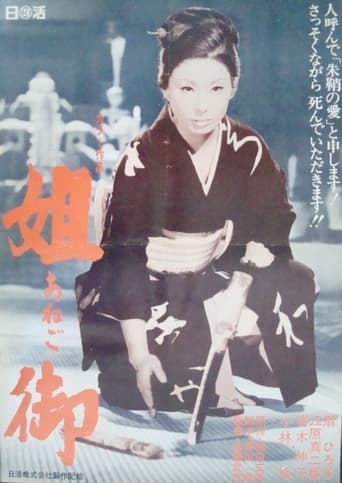 9.0
9.0Follows the struggles of a yakuza wife after his husband gets hurt in a knife fight.
The Elder Sister
1969
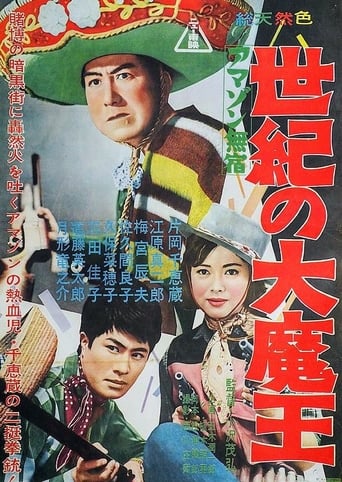 NR
NRChiezo's two-guns-at-all-costs film, directed by Ozawa Shigehiro (Kengo Tengu Matsuri) from a screenplay by Matsuura Kenro (The Dice Magistrate). Shot by Nishikawa Shoei (I Am the Magician of Hell).
Amazon mushuku seiki no dai maō
1961
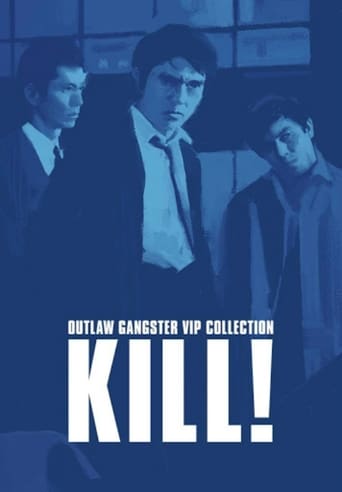 6.9
6.9Goro has always been a lone wolf. When he arrives at an industrial city in Keihin, there is certain restlessness in the air. The Iriezaki family and the Kanto Touyu-kai were in the midst of a territorial dispute. Goro was quick to notice, but had no intent to take sides. At a department store nearby, he sees an elevator lady being harassed by a couple of hoodlums. Goro decides to intervene. Unbeknownst to him, the hoodlums are Touyu-kai members – and the girl has strong ties with the opposing family.
Outlaw: Kill!
1969
 6.3
6.3A gang of bank robbers plan a big robbery, but they all plot to betray each other after the heist for different reasons.
Flower, Storm and Gangster
1961
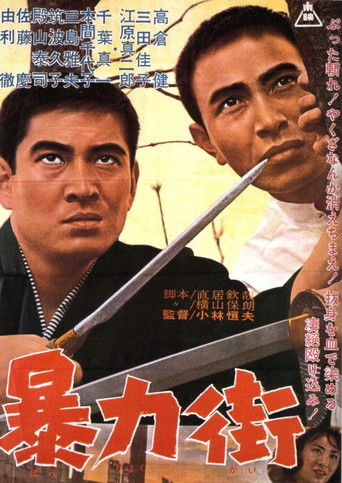 NR
NR1963 Toei film
Violent Street
1963
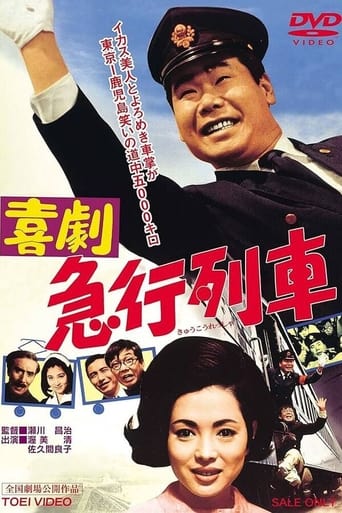 6.0
6.0Atsumi Kiyoshi, famous for his role in Torasan, stars as Aoki Goichi, a veteran train conductor who dedicates himself in providing quality service to his passengers. With his many years of experience, he never fails to find solutions for any troubles that occur along the way. A comedic drama revolving around the lives of those who ride the express train.
Express Train
1967
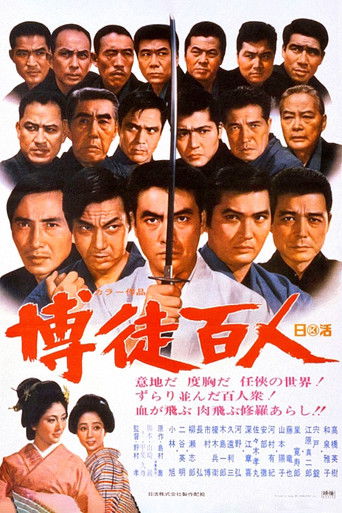 7.0
7.0Set in Kyushu during the early Showa period, the son of a boss who is killed after a greedy boss takes over his territory, takes over and takes revenge on his nemesis.
100 Gamblers
1969
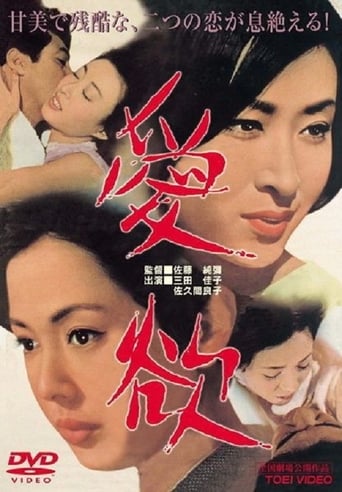 6.0
6.0Natsuko, a Tokyo bar proprietress, and Yuki, a Kyoto Ryokan owner, vie for the affections of an advertising professional.
Thirst for Love
1966
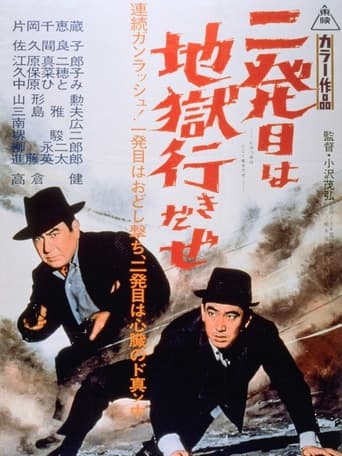 8.0
8.0Tsunokichi and Ken face off against a rival yakuza in Kyushu.
The Second Bullet is Marked
1960
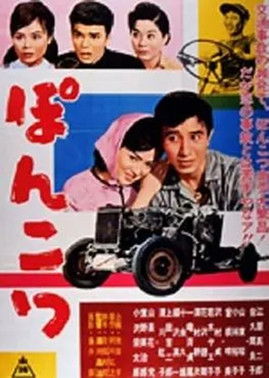 10.0
10.0In the shimotsuke town of Tokyo, Honmachi tenkawa Cho continues to take the remains of the car. One of them was inuzuka store where the man loved the machine.
Ponkotsu
1960
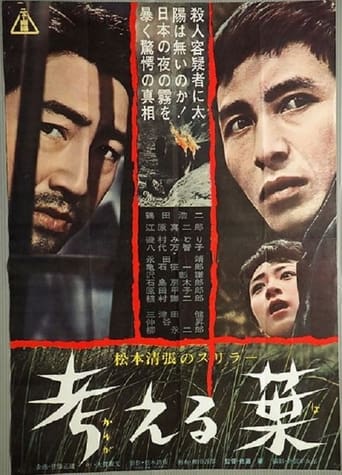 NR
NRBased on the novel of the same name by Seichō Matsumoto.
The Thinking Leaf
1962
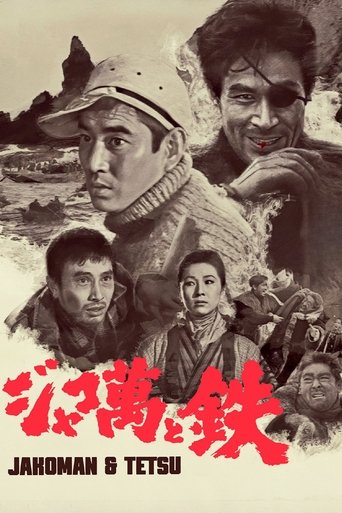 7.5
7.5In a village subsisting on its herring fishery, a one-eyed criminal named Jakoman terrorizes the inhabitants. One of them, the son of the head of one of the fish companies by the name of Tetsu, decides to overthrow Jakoman and his cohorts.
Jakoman and Tetsu
1964
1950s · 11 titles
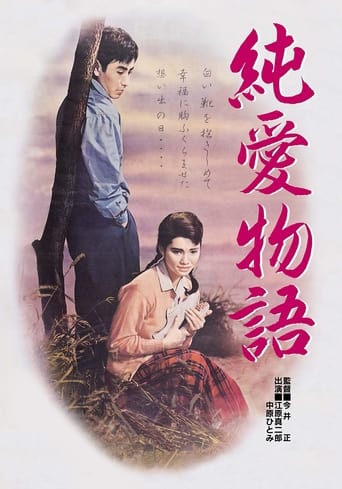 6.8
6.8Junai Monogatari AKA Story of Pure Love is about two poor youths, Mitsuko and Kando, rebelling against society in various ways, who are desperately trying to be together despite tortuous circumstances. The film depicts their lives as thieves, menial laborers who can get little pay, society outcasts, and of course, lovers. Junai Monogatari depicts, mostly, their struggles within the Japanese reformatory system and Mitsuko's worsening sickness.
The Story of Pure Love
1957
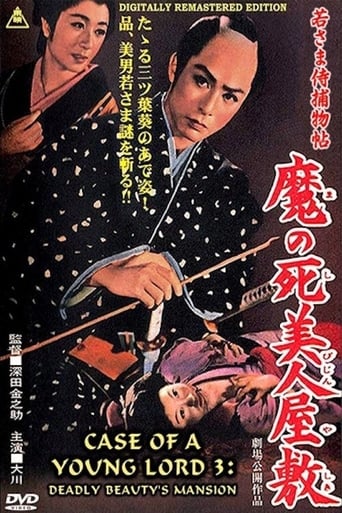 NR
NROkawa Hashizo as 'Young Lord', the unlikely sleuth sets out to untangle the riddle of what went on at the Inner Palace, where a young woman who had served the Shogun came home in fear for her life. Will the Young Lord uncover the truth of what went on at the Palace, and does it relate to a series of murders that have been occurring just before the festival?
Case of a Young Lord 3
1956
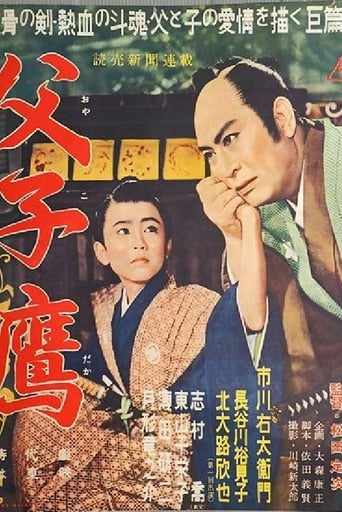 NR
NRAdaptation of the novel by Kan Shimozawa.
Virtue in Spades
1956
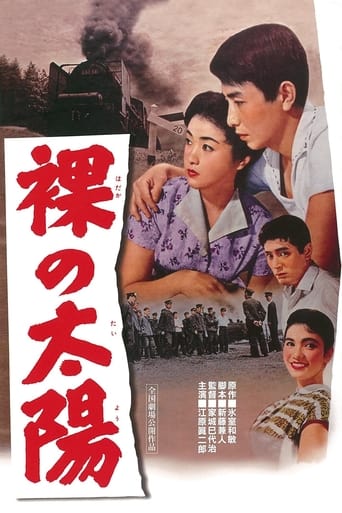 7.0
7.0A young, struggling couple are making every sacrifice so they will one day in the not-too-distant-future, have enough money to get married. As they have agreed on this procedure, it comes as a shock to the young woman to find out from her husband-to-be that he just loaned all the money they had saved to a friend. She is understandably miffed, and a big disagreement results. But after some time goes by, she discovers why the friend needed the money so badly, and the couple are back on solid footing again.
The Naked Sun
1958
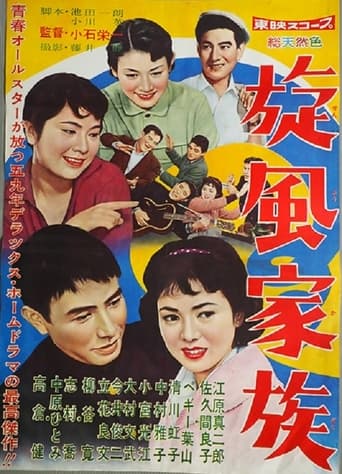 NR
NRJapanese family drama.
The Happy Family
1959
 9.0
9.0A young woman tries to keep her family together after her father disowns her sister.
The Tokyo Dame
1959
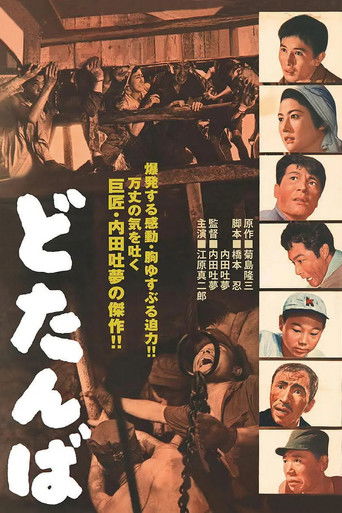 7.4
7.4Based on a 1956 television feature on Japan’s national network, NHK, this is one of Uchida’s rarest films. A socially conscious drama with a contemporary backdrop, Dotanba focuses on the attempts to rescue a group of trapped miners. The title is a figure of speech — (essentially “last minute” or “eleventh hour”) — that refers to a situation of peril. The film boasts a script co-written by Uchida and Akira Kurosawa’s frequent screenwriter, Shinobu Hashimoto, and stars Kurosawa’s frequent star Takashi Shimura.
The Eleventh Hour
1957
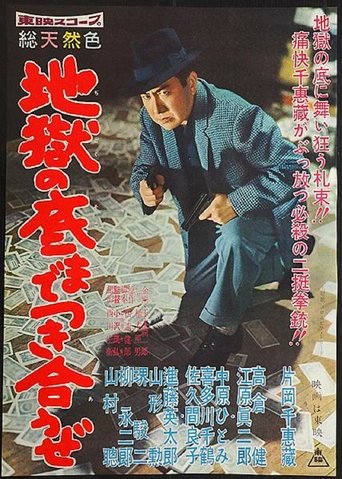 NR
NRDuring the seventh-year memorial service for Katsugoro and Genji, Ikari Genji himself emerged from the coffin brought in by the hearse seeking revenge
Hell's Companion
1959
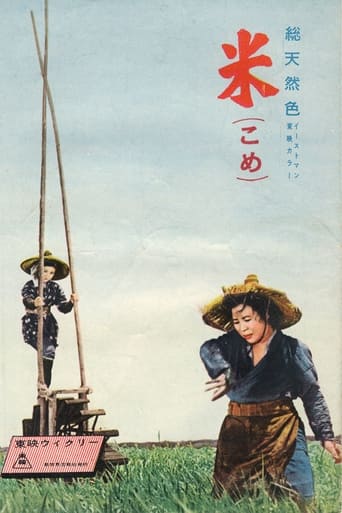 6.8
6.8A touching story depicting the harsh lives of farmers in Kasumigaura. An attempt to start a fishery business to revive an ailing farming community creates friction amongst the proud residents.
Rice
1957
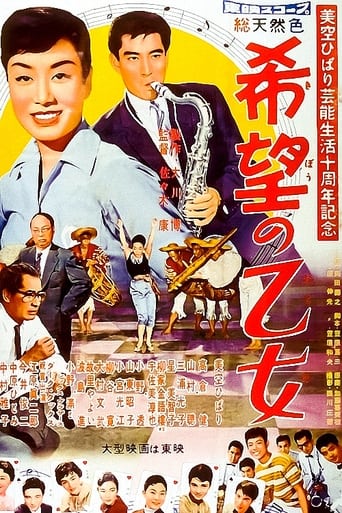 NR
NRSayuri, a young woman born to a simple life on a farm, moves to Tokyo to pursue a life long dream of becoming a singer. Through dance, music, and songs, this story shows how a girl raised on a farm was able to make her dream a reality, with the love of those around her.
With Songs in My Heart
1958
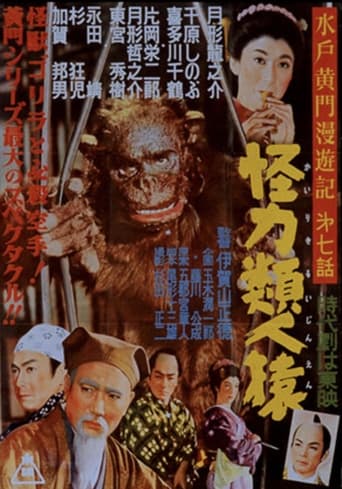 NR
NRA series of grisly murders with strange claw marks lead Mito Komon into discovering a deadly plan that involves a strange gorilla creature.
Travels of Lord Mito Pt.7
1956
Series credits
7.0The story chronicles the life of Hōjō Masako during the Kamakura Period.
Kusa Moeru
1979
10.0Continuing the tradition of the Yojimbo movies, Mifune Toshiro stars as Toge Kujuro, a wandering ronin searching for his own fame and happiness. With a sense of justice, he travels the countryside, with his motley collection of outcasts - a pistol-carrying ronin, a two-bit con artist and woman seeking revenge, following close behind, unwittingly righting wrongs and protecting the common man.
Ronin of the Wastelands
1972
NRThe time is the early 1800s. Keijiro Moriguchi loses his only daughter, Michiyo, in an unfortunate incident just before his wedding ceremony, and adopts Konosuke, who was supposed to be his son-in-law. Three years later, he hands over the family estate to Konosuke, welcomes his wife, Satsuki, and retires, becoming a dormitory (manager) of a merchant's villa in Negishi Village. Keijiro's second life begins in order to heal...
Keijirō Engawa Nikki
2004
No synopsis available yet.
Did you quit again, husband? ~The famous magistrate of the late Edo period, Oguri Kozukenosuke~
2007