
Directing
Ania Szczepańska
Born
1982-06-29 (44)
Place of birth
Warsaw, Poland
Known for
Directing
Credits
9 titles
Ania Szczepańska (Warsaw, 1982) is a filmmaker and historian based in Paris. Produced in France, Germany, and Poland, her films explore the writing of the past and its narratives through witnesses and visual traces, examining memory from the perspective of the present and what these traces reveal—or conceal. Her creative work is informed by academic and archival research: she is a researcher at the University of Paris 1 Panthéon-Sorbonne and has published papers on cinema and history. She leads an archival editing workshop, and collaborates as a filmmaker on museum exhibitions.
Known for
 NR
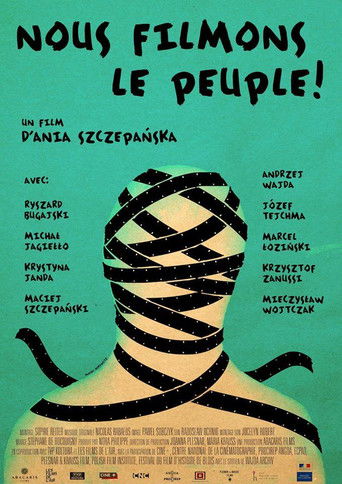
The unique story of film directors who managed to critic the Communist regime while being produced by the State: this is Polish cinema's golden age, in the 1970s. Director Ania Szczepanska, born in Poland and raised in France, meets prominent filmmakers, producers, actors such as Andrzej WAJDA, Marcel LOZINSKI, Krzyszstof ZANUSSI, Kristina JANDA, Ryszard BUGAJSKI and confronts them the testimonies of the State men of that time. Through unknown archives, forgotten documentaries and excerpts of cult films, she relates how the Solidarnosc people ended up in Cannes.
We Film the People!
2013
 NR
In 1967, extensive archaeological excavations took place near the Auschwitz-Birkenau concentration camp, during which over 16,000 objects belonging to deportees were uncovered. The excavations became the subject of a 14-minute documentary film, shot on location by director Andrzej Brzozowski. Ania Szczepańska followed in the footsteps of this film and the entire event with her film Unearthed, which she worked on for 14 years. Her documentary follows the author’s search for the circumstances surrounding the making of the film, and the significance of the excavations themselves.
Unearthed
2025
 7.0
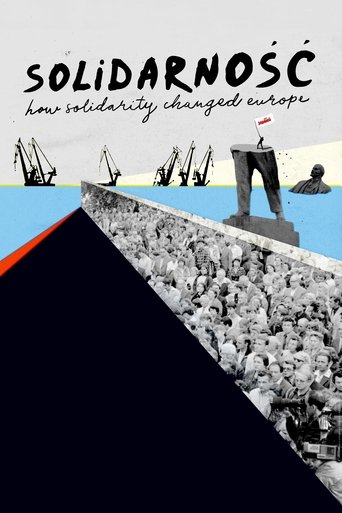
Gdańsk, Poland, September 1980. Lech Wałęsa and other Lenin shipyard workers found Solidarność (Solidarity), the first independent trade union behind the Iron Curtain. The long and hard battle to bring down communist dictatorship has begun.
Solidarność: How Solidarity Changed Europe
2019
Reinscribing the Dondorf explores the former Dondorf Printing Works in Frankfurt through the history of the German-Jewish family who founded it. Following the traces of Clara, a Holocaust survivor, and Helene, deported to the Łódź ghetto in 1941, the film examines the potential and limitations of AI as a tool for archival research and memory. Working with both analytic and generative AI models, it explores how these new visual and sound regimes shape our relationship with history and with the archive.
Reinscribing the Dondorf
2026
Film credits
Behind the camera
NRThe unique story of film directors who managed to critic the Communist regime while being produced by the State: this is Polish cinema's golden age, in the 1970s. Director Ania Szczepanska, born in Poland and raised in France, meets prominent filmmakers, producers, actors such as Andrzej WAJDA, Marcel LOZINSKI, Krzyszstof ZANUSSI, Kristina JANDA, Ryszard BUGAJSKI and confronts them the testimonies of the State men of that time. Through unknown archives, forgotten documentaries and excerpts of cult films, she relates how the Solidarnosc people ended up in Cannes.
We Film the People!
2013
NRIn 1967, extensive archaeological excavations took place near the Auschwitz-Birkenau concentration camp, during which over 16,000 objects belonging to deportees were uncovered. The excavations became the subject of a 14-minute documentary film, shot on location by director Andrzej Brzozowski. Ania Szczepańska followed in the footsteps of this film and the entire event with her film Unearthed, which she worked on for 14 years. Her documentary follows the author’s search for the circumstances surrounding the making of the film, and the significance of the excavations themselves.
Unearthed
2025
7.0Gdańsk, Poland, September 1980. Lech Wałęsa and other Lenin shipyard workers found Solidarność (Solidarity), the first independent trade union behind the Iron Curtain. The long and hard battle to bring down communist dictatorship has begun.
Solidarność: How Solidarity Changed Europe
2019
7.0Gdańsk, Poland, September 1980. Lech Wałęsa and other Lenin shipyard workers found Solidarność (Solidarity), the first independent trade union behind the Iron Curtain. The long and hard battle to bring down communist dictatorship has begun.
Solidarność: How Solidarity Changed Europe
2019
Reinscribing the Dondorf explores the former Dondorf Printing Works in Frankfurt through the history of the German-Jewish family who founded it. Following the traces of Clara, a Holocaust survivor, and Helene, deported to the Łódź ghetto in 1941, the film examines the potential and limitations of AI as a tool for archival research and memory. Working with both analytic and generative AI models, it explores how these new visual and sound regimes shape our relationship with history and with the archive.
Reinscribing the Dondorf
2026