
Editing
Nathalie Alonso Casale
Place of birth
Paris
Known for
Editing
Credits
11 titles
Nathalie Alonso Casale is a Dutch-Spanish-French film director, editor and writer. She is a graduate of the Amsterdam Film School (NFTVA). In 1996, she founded her own production company, Titanic Productions. In 2013, she co-founded The Intolerant Film Collective with three fellow Rotterdam-based filmmakers.
Known for
 5.5
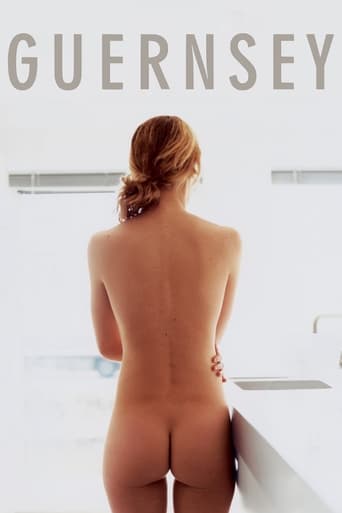
5.5Guernsey is the story of a woman who suddenly looks at her own life and wonders how she became miles apart from the people she is closest to.
Guernsey
2005
 7.3
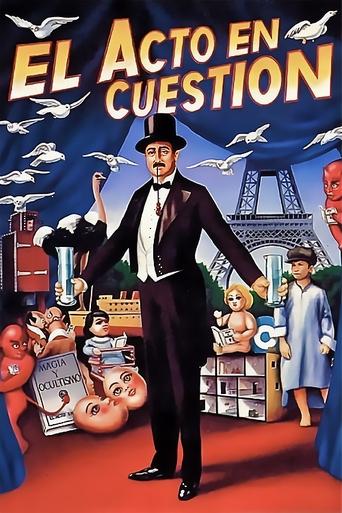
7.3Miguel steals a trick from a magic book and becomes a world-renowned magician. However, the idea of the public discovering that this great trick is plagiarized from a book eats at his mind more and more.
The Act in Question
1994
short film by Nathalie Alonso Casale
3 Januari
—
Hammada walks away from home after an argument with his father. Will a special encounter at the river show him the way back?
Hammada
2009
 5.0
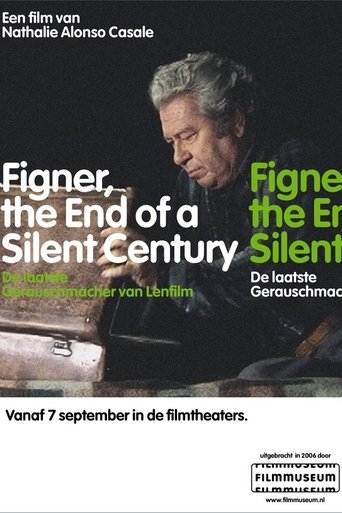
5.0Through her very real subject Edgar Figner, director Nathalie Alonso Casale offers us an intimate sense of the 21st-century Russian zeitgeist. A true alchemist, Mr. Figner has spent his life in Leningrad (St. Petersburg) as a sound-effects artist at Lenfilm Studios, where from the silent era to the present he has used commonplace objects (cabbages, old shoes) to create complex sound effects for films. Under the pressures of contemporary Russian life, Figner begins to retreat into a past comprising his own personal history and the history of Russian cinema. As reality and memory blend with stunning scenes from Soviet films, Figner’s art becomes a soundtrack for the muffled culture created by the repression of the Soviet era. This delicate mix of documentary, reality and cinematic imagination creates a deeply sensitive account of the silences at the heart of the Russian social, political and cinematic experience.
Figner: The End of a Silent Century
2006
A collaboration of Nathalie Alonso Casale and Axe-group (Max Issaev & Pavel Semtchenko).
Siesta, la tetera y la rosa
1998
Film credits
1990s · 2 titles
7.3Miguel steals a trick from a magic book and becomes a world-renowned magician. However, the idea of the public discovering that this great trick is plagiarized from a book eats at his mind more and more.
The Act in Question
1994
 7.0
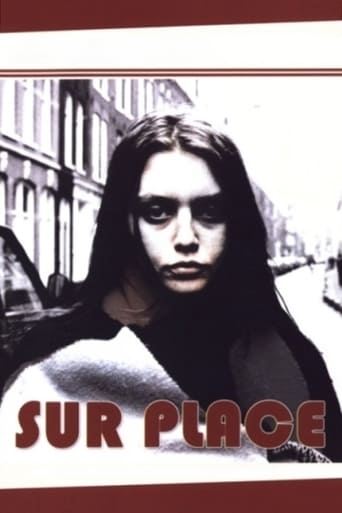
7.0A mysterious foreign woman who is staying temporarily in a house there. Who she is and what her secret is are both slowly revealed in the reconstruction of a story about passion, revenge and war. Paul Ruven's homage to the films of Marguerite Duras and Chantal Akerman.
Sur place
1996
Behind the camera
short film by Nathalie Alonso Casale
3 Januari
—
Hammada walks away from home after an argument with his father. Will a special encounter at the river show him the way back?
Hammada
2009
5.0Through her very real subject Edgar Figner, director Nathalie Alonso Casale offers us an intimate sense of the 21st-century Russian zeitgeist. A true alchemist, Mr. Figner has spent his life in Leningrad (St. Petersburg) as a sound-effects artist at Lenfilm Studios, where from the silent era to the present he has used commonplace objects (cabbages, old shoes) to create complex sound effects for films. Under the pressures of contemporary Russian life, Figner begins to retreat into a past comprising his own personal history and the history of Russian cinema. As reality and memory blend with stunning scenes from Soviet films, Figner’s art becomes a soundtrack for the muffled culture created by the repression of the Soviet era. This delicate mix of documentary, reality and cinematic imagination creates a deeply sensitive account of the silences at the heart of the Russian social, political and cinematic experience.
Figner: The End of a Silent Century
2006
5.0Through her very real subject Edgar Figner, director Nathalie Alonso Casale offers us an intimate sense of the 21st-century Russian zeitgeist. A true alchemist, Mr. Figner has spent his life in Leningrad (St. Petersburg) as a sound-effects artist at Lenfilm Studios, where from the silent era to the present he has used commonplace objects (cabbages, old shoes) to create complex sound effects for films. Under the pressures of contemporary Russian life, Figner begins to retreat into a past comprising his own personal history and the history of Russian cinema. As reality and memory blend with stunning scenes from Soviet films, Figner’s art becomes a soundtrack for the muffled culture created by the repression of the Soviet era. This delicate mix of documentary, reality and cinematic imagination creates a deeply sensitive account of the silences at the heart of the Russian social, political and cinematic experience.
Figner: The End of a Silent Century
2006
5.0Through her very real subject Edgar Figner, director Nathalie Alonso Casale offers us an intimate sense of the 21st-century Russian zeitgeist. A true alchemist, Mr. Figner has spent his life in Leningrad (St. Petersburg) as a sound-effects artist at Lenfilm Studios, where from the silent era to the present he has used commonplace objects (cabbages, old shoes) to create complex sound effects for films. Under the pressures of contemporary Russian life, Figner begins to retreat into a past comprising his own personal history and the history of Russian cinema. As reality and memory blend with stunning scenes from Soviet films, Figner’s art becomes a soundtrack for the muffled culture created by the repression of the Soviet era. This delicate mix of documentary, reality and cinematic imagination creates a deeply sensitive account of the silences at the heart of the Russian social, political and cinematic experience.
Figner: The End of a Silent Century
2006
A collaboration of Nathalie Alonso Casale and Axe-group (Max Issaev & Pavel Semtchenko).
Siesta, la tetera y la rosa
1998
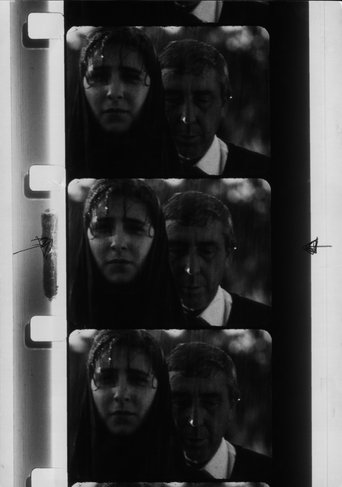 10.0
10.0No synopsis available yet.
Memory of the Unknown
1996
Docu-drama shows the director on her demythologising quest in Aragon for the truth about the Spanish Civil War. The film is a surrealistic reconstruction of what her, in those days executed grandfather, has gone through.
Memorias sin batallas y otros muertos
1992