
Acting
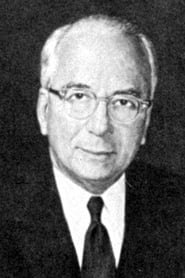
Lewis Strauss
Born — Died
1896-01-31 — 1974-01-21
Place of birth
Charleston, West Virginia, USA
Known for
Acting
Credits
6 titles
Lewis Lichtenstein Strauss (/ˈstrɔːz/ STRAWZ; January 31, 1896 – January 21, 1974) was an American government official, businessman, philanthropist, and naval officer. He was one of the original members of the United States Atomic Energy Commission (AEC) in 1946 and he served as the commission's chairman in the 1950s. Strauss was a major figure in the development of nuclear weapons after World War II, nuclear energy policy, and nuclear power in the United States. Raised in Richmond, Virginia, Strauss became an assistant to Herbert Hoover as part of the Commission for Relief in Belgium during World War I and the American Relief Administration after that. Strauss then worked as an investment …
Known for
Presents a filmed, intercontinental conversation that links moderator Edward R. Murrow in New York with three internationally known figures located in different parts of the world. What set this apart from other televised interview/discussion programs was the fact that its participants could not see each other but could hear one another via telephone lines and radio.
Small World
1958
 7.3
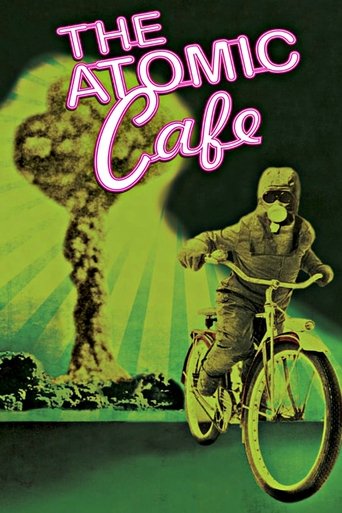
A disturbing collection of 1940s and 1950s United States government-issued propaganda films designed to reassure Americans that the atomic bomb was not a threat to their safety.
The Atomic Cafe
1982
 6.2
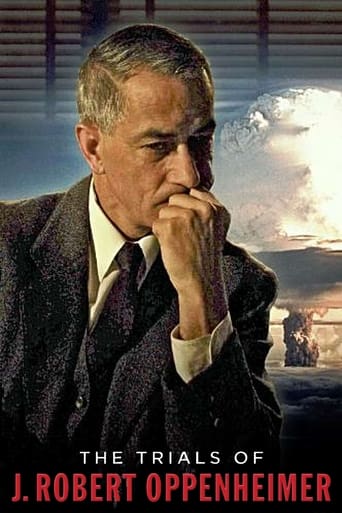
J. Robert Oppenheimer was a national hero, the brilliant scientist who during WWII led the scientific team that created the atomic bomb. But after the bomb brought the war to an end, in spite of his renown and his enormous achievement, America turned on him - humiliated and cast him aside. The question the film asks is, "Why?"
The Trials of J. Robert Oppenheimer
2008
 7.7
An account of the last two centuries of the Anthropocene, the Age of Man. How human beings have progressed so much in such a short time through war and the selfish interests of a few, belligerent politicians and captains of industry, damaging the welfare of the majority of mankind, impoverishing the weakest, greedily devouring the limited resources of the Earth.
Breakpoint: A Counter History of Progress
2019
 7.0
Documentary, first broadcast in 1966, that tells the history of the superbomb, exploring the race by scientists to imitate the nuclear reactions of the sun and build the first thermonuclear weapon. The film reveals how the careers and reputations of some of the scientists involved were seared in the process.
Too Near the Sun
1966
 6.3
The exciting story of the splitting of the atom, a scientific breakthrough of incalculable importance that ushered in the nuclear age, has a dark side: the many events in which people were exposed to radiation, both intentionally and by accident.
100 Years of the Atom
2020