

Directing
Folco Quilici
Born — Died
1930-04-09 — 2018-02-24
Place of birth
Ferrara, Emilia-Romagna, Italy
Known for
Directing
Credits
40 titles
Folco Quilici (9 April 1930 – 24 February 2018) was an Italian film director and screenwriter. He directed a total of 22 films between 1952 and his retirement in 2005, including Tiko and the Shark (it). His 1955 film L'ultimo paradiso won the Silver Bear in the documentary category at the 7th Berlin International Film Festival.
Known for
 5.0
5.0No synopsis available yet.
L'ultimo gattopardo - Ritratto di Goffredo Lombardo
2010
 8.0
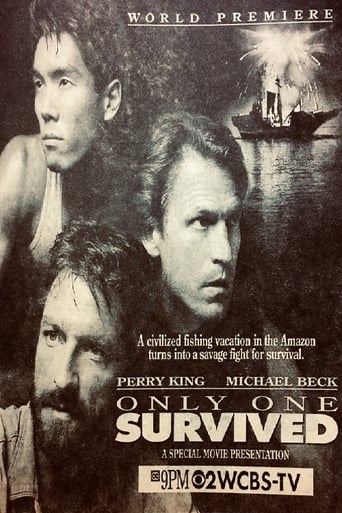
8.0Four buddies set out on a three-week deep-sea fishing holiday in the Amazon and run into trouble.
Only One Survived
1990
 6.2
6.2A young boy travels by himself to reach his sick mother.
Dagli Appennini alle Ande
1959
 4.9
4.9The film documents modern slave trade through a number of African countries, under dictatorship rule. The filming was conducted both in public places, and sometimes with the use of hidden cameras, for high impact scenes of nudity, sex, and violence - and a few surprises, as slaves made out of peregrins to Asia, and slave traders paid in traveller checks.
Slave Trade in the World Today
1964
 7.5
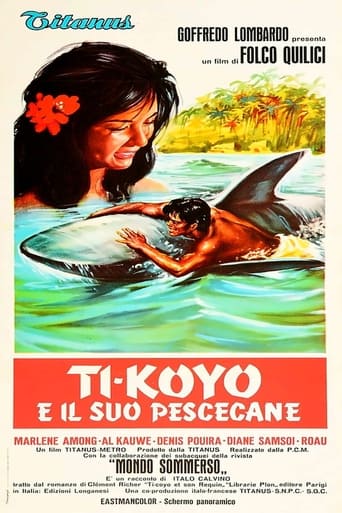
7.5Filmed in French Polynesia with a Hawaiian cast, the story revolves around the adventures and romances of a young Polynesian boy as he grows up. As a child he raises and trains a baby shark as a pet, which he shares with his island playmate Diana. After a decade the three are reunited, but the world has changed: Tiko and Diana have become adults; the shark has become a dangerous man-eater; and civilization has encroached on the tropical island.
Tiko and the Shark
1962
 NR
NRNo synopsis available yet.
L'Italia vista dal cielo: Liguria
1973
Film credits
Behind the camera
8.0Four buddies set out on a three-week deep-sea fishing holiday in the Amazon and run into trouble.
Only One Survived
1990
6.2A young boy travels by himself to reach his sick mother.
Dagli Appennini alle Ande
1959
6.2A young boy travels by himself to reach his sick mother.
Dagli Appennini alle Ande
1959
4.9The film documents modern slave trade through a number of African countries, under dictatorship rule. The filming was conducted both in public places, and sometimes with the use of hidden cameras, for high impact scenes of nudity, sex, and violence - and a few surprises, as slaves made out of peregrins to Asia, and slave traders paid in traveller checks.
Slave Trade in the World Today
1964
7.5Filmed in French Polynesia with a Hawaiian cast, the story revolves around the adventures and romances of a young Polynesian boy as he grows up. As a child he raises and trains a baby shark as a pet, which he shares with his island playmate Diana. After a decade the three are reunited, but the world has changed: Tiko and Diana have become adults; the shark has become a dangerous man-eater; and civilization has encroached on the tropical island.
Tiko and the Shark
1962
7.5Filmed in French Polynesia with a Hawaiian cast, the story revolves around the adventures and romances of a young Polynesian boy as he grows up. As a child he raises and trains a baby shark as a pet, which he shares with his island playmate Diana. After a decade the three are reunited, but the world has changed: Tiko and Diana have become adults; the shark has become a dangerous man-eater; and civilization has encroached on the tropical island.
Tiko and the Shark
1962
NRNo synopsis available yet.
L'Italia vista dal cielo: Liguria
1973
 NR
NRNo synopsis available yet.
L'Italia vista dal cielo: Sicilia
1970
NRNo synopsis available yet.
L'Italia vista dal cielo: Sicilia
1970
 8.0
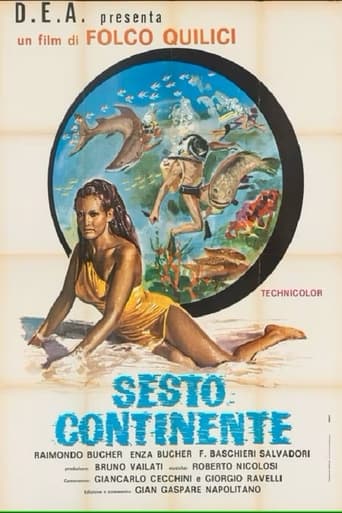
8.0This 95-minute, full-color documentary was released in the U.S. as Sixth Continent. That continent is Africa -- or, more specifically, the coast of Ethiopia. Director Folco Quillici takes his cameras deep, deep into the waters near the coastal islands of Dalach, observing the passing parade of sea life on an up-close-and-personal basis. Particularly thrilling is a shark attack and its aftermath, with the cinematographers obviously in the thick of things. Gian Caspare Napolitano provides the narration, while the lush, evocative musical score is the handiwork of Roberto Nicolosi.
The Sixth Continent
1954
8.0This 95-minute, full-color documentary was released in the U.S. as Sixth Continent. That continent is Africa -- or, more specifically, the coast of Ethiopia. Director Folco Quillici takes his cameras deep, deep into the waters near the coastal islands of Dalach, observing the passing parade of sea life on an up-close-and-personal basis. Particularly thrilling is a shark attack and its aftermath, with the cinematographers obviously in the thick of things. Gian Caspare Napolitano provides the narration, while the lush, evocative musical score is the handiwork of Roberto Nicolosi.
The Sixth Continent
1954
 NR
NRNo synopsis available yet.
L'Italia vista dal cielo: Lazio
1975
NRNo synopsis available yet.
L'Italia vista dal cielo: Lazio
1975
 9.0
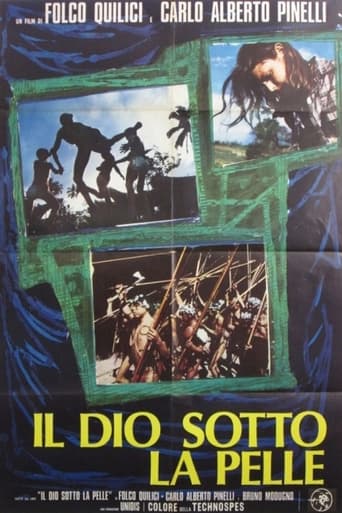
9.0An investigative film about characters who reject an existence in the world of consumerism and frenzied urbanization, seeking a new relationship with "different" communities and nature.
God Under the Skin
1974
9.0An investigative film about characters who reject an existence in the world of consumerism and frenzied urbanization, seeking a new relationship with "different" communities and nature.
God Under the Skin
1974
 3.7
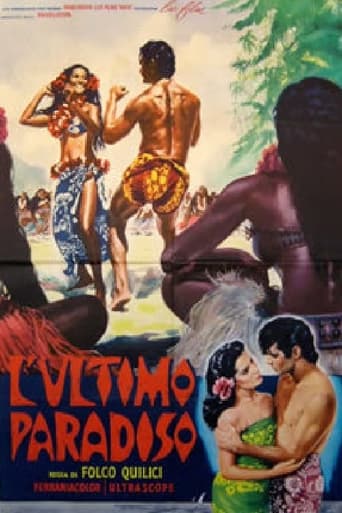
3.7A 1955 Italian independent film, released in the USA in 1956, which is basically a travelogue telling four stories, each about a different island in the South Pacific. Native customs, tribal rites,ceremonial procedure, courtships, and feats of strength and courage are depicted. The test of courage, for males, on one island , is a leap from a high wooden tower to the ground with a thin vine wrapped around their ankle breaking the fall at the last minute. The first bungee-jumpers?
The Last Paradise
1955
3.7A 1955 Italian independent film, released in the USA in 1956, which is basically a travelogue telling four stories, each about a different island in the South Pacific. Native customs, tribal rites,ceremonial procedure, courtships, and feats of strength and courage are depicted. The test of courage, for males, on one island , is a leap from a high wooden tower to the ground with a thin vine wrapped around their ankle breaking the fall at the last minute. The first bungee-jumpers?
The Last Paradise
1955
3.7A 1955 Italian independent film, released in the USA in 1956, which is basically a travelogue telling four stories, each about a different island in the South Pacific. Native customs, tribal rites,ceremonial procedure, courtships, and feats of strength and courage are depicted. The test of courage, for males, on one island , is a leap from a high wooden tower to the ground with a thin vine wrapped around their ankle breaking the fall at the last minute. The first bungee-jumpers?
The Last Paradise
1955
 NR
NRNo synopsis available yet.
L'Italia vista dal cielo: Basilicata e Calabria
1967
NRNo synopsis available yet.
L'Italia vista dal cielo: Basilicata e Calabria
1967
No synopsis available yet.
L'Italia vista dal cielo: Veneto e Venezia
1968
 8.0
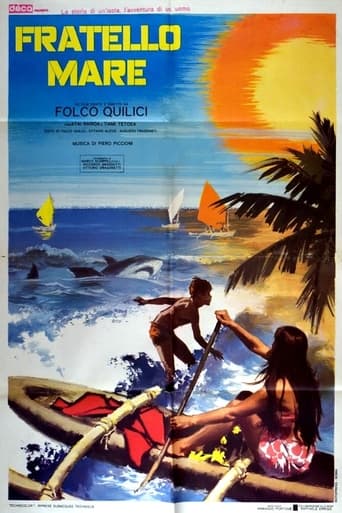
8.0The Work completes the "quadrilogy" of South Seas seen over a twenty-year period. This film, tells the choral story of an island that in the short time of a generation loses its identity.
Fratello mare
1975
8.0The Work completes the "quadrilogy" of South Seas seen over a twenty-year period. This film, tells the choral story of an island that in the short time of a generation loses its identity.
Fratello mare
1975
 10.0
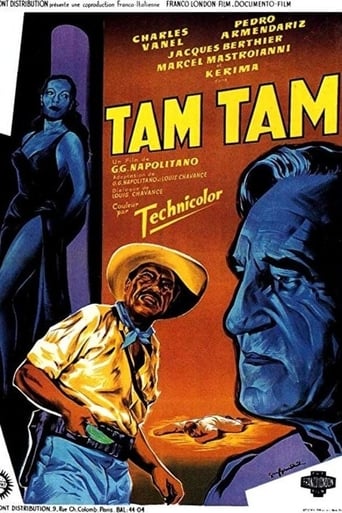
10.0A team of doctors sets out through a steamy African jungle to check an outbreak of sleeping sickness.
Native Drums
1955
 NR
NRNo synopsis available yet.
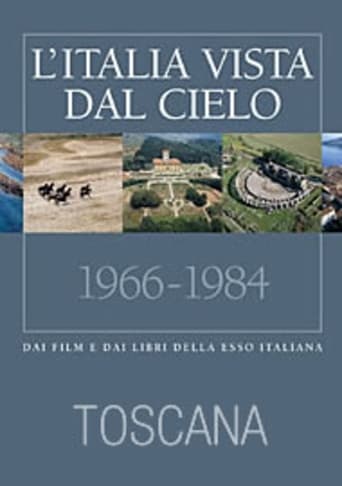
L'Italia vista dal cielo: Toscana
1971
NRNo synopsis available yet.
L'Italia vista dal cielo: Toscana
1971
No synopsis available yet.
L'Italia vista dal cielo: Abruzzo e Molise
1970
No synopsis available yet.
L'Italia vista dal cielo: Lombardia
1973
No synopsis available yet.
L'Italia vista dal cielo: Puglia
1974
 10.0
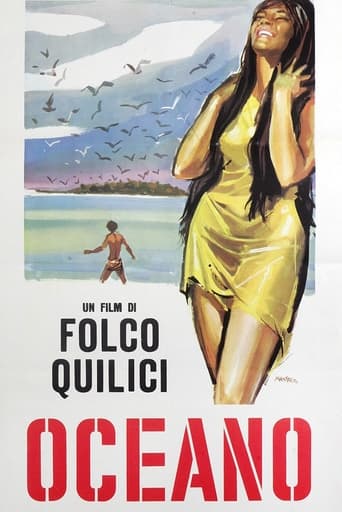
10.0The odyssey of a Tuamutu fisherman who sets out from his atoll-only coral island to procure fertile land in the "distant" archipelagos. Lost in the vast South Pacific, he finds the atoll from which he had departed now doomed from atomic experiments.
Oceano
1971
10.0The odyssey of a Tuamutu fisherman who sets out from his atoll-only coral island to procure fertile land in the "distant" archipelagos. Lost in the vast South Pacific, he finds the atoll from which he had departed now doomed from atomic experiments.
Oceano
1971
No synopsis available yet.
L'Italia vista dal cielo: Sardegna
1978
 6.4
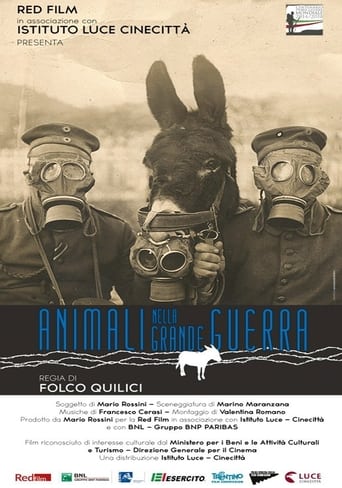
6.4In the First World War, alongside the men fought an army of animals. Mules, oxen, dogs, horses, pigs, pigeons were used for moving units and materials, communications, and for the support of the troops. The forced cohabitation with men closer to each other in a possible fate of death and suffering: officers and enlisted men had the opportunity to give and receive affection, but also to deal with beings weak and completely dependent on their . Animals in the Great War offers an unconventional story of dramatic conflict, through letters, diaries and photographs taken by the fighters, and collected in the book that Lucio Fabi has derived from his research, The good soldier mule (ed. MURSIA). A documentary rebuild memories, stories, episodes of real life relationship, in and out of the trench, between humans and animals, including incredible moments of absolute serenity and tenderness, alternating the background of one of the most tragic periods in modern history.
Animals in the Great War
2015
No synopsis available yet.
L'Italia vista dal cielo: Emilia Romagna e Marche
1968
No synopsis available yet.
L'Italia vista dal cielo: Umbria
1976
No synopsis available yet.
L'Italia vista dal cielo: Campania
1971
Marble from all parts of the Empire: yellow from Numidia, red from Peloponnese, pink alabasters from Algeria, blood red from Thebaid. A strictly scientific film, inspired by the art "Marmora Romana" by Raniero Gnoli, tells of the "hunters of marbles" yesterday and today in search of deposits sometimes more precious than gold, those of the "shining stone", that over the centuries, has been carved to enhanced the divine gift of emperors, to have portraits of splendid women, warriors, slaves, mythological beings and divinities. Powerful and stupendous works like those that made imperial Rome unique, with marbles from all over the empire
The Marble Empire
2004
No synopsis available yet.
L'Italia vista dal cielo: Piemonte e Valle D'Aosta
1974
n the year 600 A.D., a wind swept across the Arabian Desert where, in a little town called Mecca, an illiterate orphan named Muhammad came to be the seal of the Prophets to whom the Word of God was revealed-and the world was changed forever. As did Adam, Abraham, Moses, and Jesus, Mohammad was sent as a mercy to mankind calling to the Oneness of God. This one man's message now claims over one billion people across the planet all testifying to the same basic principles. However, it is a faith more misunderstood than any other.
Islam: Faith and Nations
1983