
Acting
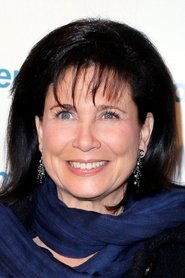
Anne Sinclair
Born
1948-07-15 (78)
Place of birth
New York City, New York, New York, USA
Known for
Acting
Credits
24 titles
Anne Sinclair (born Anne-Élise Schwartz; 15 July 1948) is a French-American television and radio interviewer. She hosted one of the most popular political shows for more than thirteen years on TF1, the largest European private TV channel. She is heiress to much of the fortune of her maternal grandfather, art dealer Paul Rosenberg. She covered the 2008 US presidential campaign for the French Sunday newspaper Le Journal du Dimanche and the French TV channel Canal+. She married French politician Dominique Strauss-Kahn in 1991 and divorced him in 2013 in the aftermath of the New York v. Strauss-Kahn case. She was portrayed in the 2014 feature film Welcome to New York. Anne-Elise Schwartz was bo…
Known for
 5.7
5.7No synopsis available yet.
Sacrée soirée
1987
 3.6
3.6No synopsis available yet.
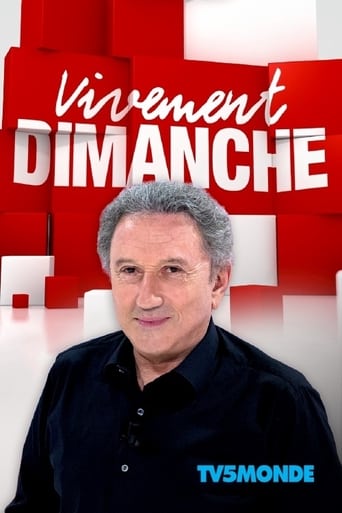
Vivement dimanche
1998
 6.1
6.1Every day live on FRANCE 5, Anne-Élisabeth Lemoine and her team receive those who make the news. In the second part, the program welcomes, around a meal prepared by a qualified chef, artists in promotion.
C à vous
2009
 5.0
5.0Talk show hosted by Léa Salamé, featuring incisive, funny, and surprising personalities debating current events in culture, society, politics, and the media. The set is designed as an arena where artists, polemicists, intellectuals, politicians, top athletes, and powerful figures come together. Permanent guest Christophe Dechavanne can intervene at any time during the show. Comedian Philippe Caverivière is also present with a segment dedicated to the political week and another devoted to celebrity news and social media.
Quelle époque !
2022
 NR
NRNo synopsis available yet.
Rembob'Ina
2018
 NR
NRNo synopsis available yet.
En société
2023
Film credits
2020s · 5 titles
 8.5
8.5France is at the heart of Madonna's life. She is inspired by French culture and its values and has surrounded herself with French artists for many years. To celebrate the 40th anniversary of the Queen of Pop's career, this film revisits the close and unique bond between Madonna and France and features testimonials from close collaborators and French friends who have helped create her unique artistic universe: Maripol, Jean Paul Gaultier, Julien d'Ys, Nicolas Huchard, and Marion Motin. Today's artists such as Florence Foresti, Leïla Slimani, Victor Weinsanto and HollySiz talk about the influence of this emancipating figure, which extends far beyond music.
In France with Madonna
2022
 6.4
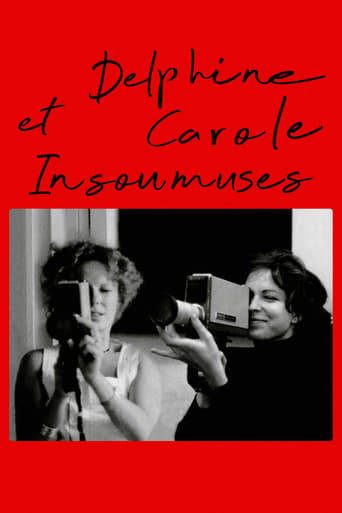
6.4In the 70s, actress Delphine Seyrig and director Carole Roussopoulos, both militant feminists, were the pioneers of video activism in France. They documented the demonstrations of French feminists and used the new technologies to counter the poor representation of women in the public media.
Delphine and Carole
2020
 8.0
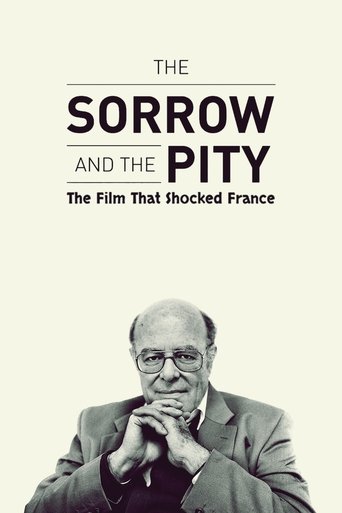
8.0The story of the documentary The Sorrow and the Pity (1971), directed by Marcel Ophüls, which caused a scandal in a France still traumatized by the German occupation during World War II, because it shattered the myth, cultivated by the followers of President Charles de Gaulle (1890-1970), of a united France that had supposedly stood firm in the face of the ruthless invaders.
The Sorrow and the Pity: The Film That Shocked France
2024
 7.0
7.0No synopsis available yet.
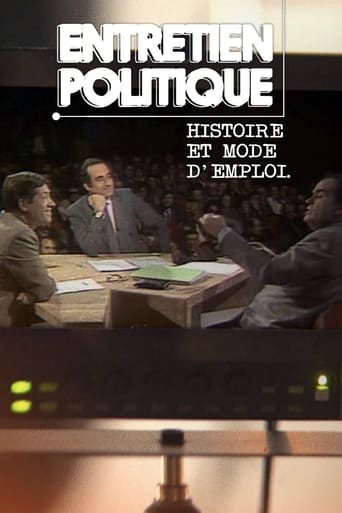
Entretien politique : Histoire et mode d'emploi
2020
 8.0
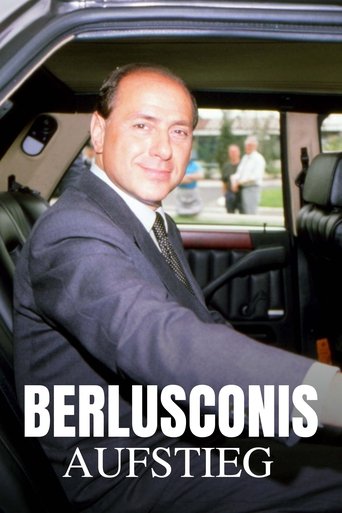
8.0From his beginnings in real estate to his rise to power, this is the story of Silvio Berlusconi's two decades of ascension, during which he radically transformed Italy's media landscape—and soon its political landscape as well. A fascinating portrait of an opportunistic entrepreneur with extraordinary charisma.
Berlusconis Aufstieg
2024
2010s · 6 titles
 7.4
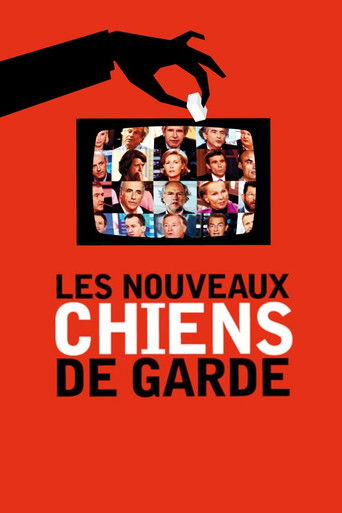
7.4In 1932, the writer Paul Nizan published "The New Watchdogs" to denounce the philosophers and writers of his time who, sheltering behind intellectual neutrality, imposed themselves as true watchdogs of the established order. Today the watchdogs are journalists, editors, and media experts who've openly become market evangelists and guardians of the social order. In a sardonic manner, "The New Watchdogs" denounces this press that, claiming to be independent, objective and pluralist, makes out it is a democratic force of opposition. With forcefulness and precision, the film puts its finger on the increasing danger of information produced by the major industrial groups of the Paris Stock Exchange and perverted into merchandise.
The New Watchdogs
2012
 NR
NRNo synopsis available yet.
21 rue la Boétie
2017
 8.0
8.0No synopsis available yet.
La télé des années 80 - Les 10 ans qui ont tout changé
2018
 10.0
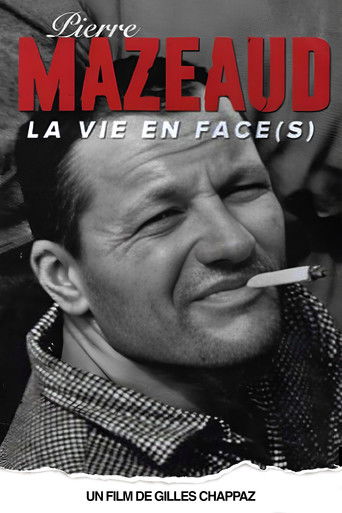
10.0Pierre Mazeau has managed to unite three of his passions which seem to have nothing in common, at a very high level: mountaineering, jurisprudence and policy. The Everest mountaineer, rescued from the Freney Pillar, the passionate jurist, the former sports minister, privy counsellor, and president of the French Constitutional Court is a charismatic personality. This sensitive film portrait follows a line, which Pierre Mazeaud himself has quoted: “Alpinism belongs to those who provide themselves with means to reach their goals, to those who are fully committed to a goal, to those, who know the value of solidarity of men, and to those who are aware that true human existence can only be fulfilled by proceeding with a team of roped-partners.”
Pierre Mazeaud, la vie en face(s)
2013
 7.0
7.0No synopsis available yet.
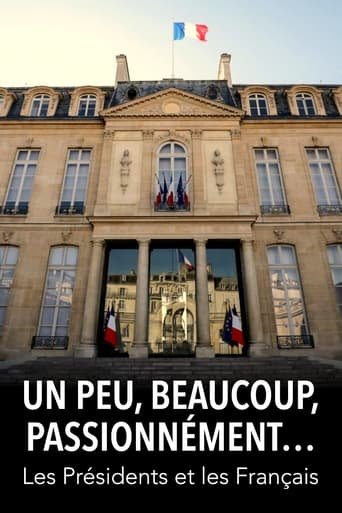
Un peu, beaucoup, passionnément... Les Présidents et les Français
2019
 7.0
7.0No synopsis available yet.
Fauteuils d'orchestre (Renaud Capuçon)
2017
Series credits
5.7No synopsis available yet.
Sacrée soirée
1987
3.6No synopsis available yet.
Vivement dimanche
1998
6.1Every day live on FRANCE 5, Anne-Élisabeth Lemoine and her team receive those who make the news. In the second part, the program welcomes, around a meal prepared by a qualified chef, artists in promotion.
C à vous
2009
5.0Talk show hosted by Léa Salamé, featuring incisive, funny, and surprising personalities debating current events in culture, society, politics, and the media. The set is designed as an arena where artists, polemicists, intellectuals, politicians, top athletes, and powerful figures come together. Permanent guest Christophe Dechavanne can intervene at any time during the show. Comedian Philippe Caverivière is also present with a segment dedicated to the political week and another devoted to celebrity news and social media.
Quelle époque !
2022
NRNo synopsis available yet.
Rembob'Ina
2018
NRNo synopsis available yet.
En société
2023
 6.9
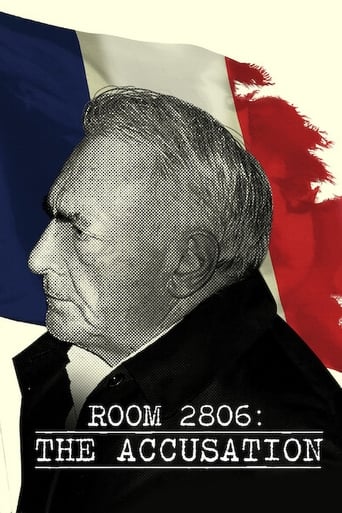
6.9This docuseries follows the 2011 sexual assault case involving French politician Dominique Strauss-Kahn at the height of his career.
Room 2806: The Accusation
2020
 NR
NR25 youngsters, aged 10 to 12 years, probe political party leaders on a range of topics.
Face the Classroom
2017
 4.0
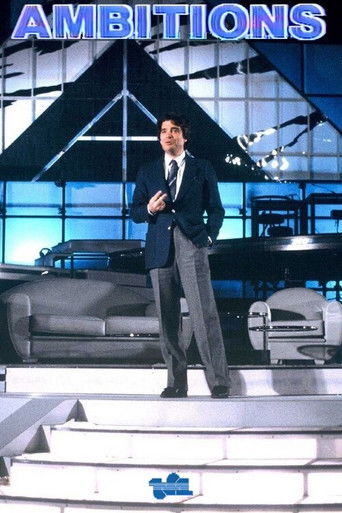
4.0No synopsis available yet.
Ambitions
1986
No synopsis available yet.
7 sur 7
1981