
Acting
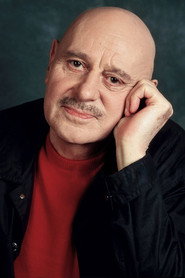
Professeur Choron
Born — Died
1929-09-21 — 2005-01-10
Place of birth
Laneuville-aux-Bois, Haute-Marne, France
Known for
Acting
Credits
21 titles
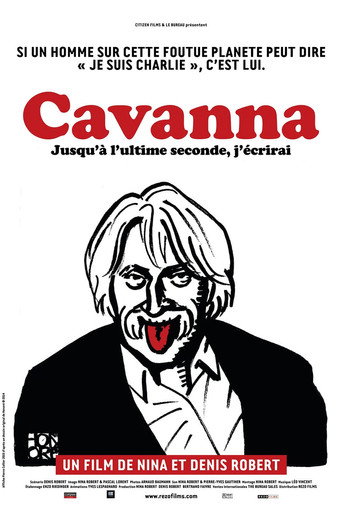
Georget Bernier (21 September 1929 – 10 January 2005), more commonly known as Professeur Choron, was a French humorist and founder of Hara Kiri magazine. Born in La Neuville-aux-Bois in Lorraine, Bernier was orphaned by his father at 11 years and without a proper education, he vacillated between many jobs before fighting in the Indochina Wars for 28 months. On his return he worked in the press, and rose through the ranks to take the position of sales manager of the satirical newspaper Zéro. It was at Zéro that he met François Cavanna and Fred, with whom he founded the magazine Hara Kiri in 1960. After an initial ban, production of the magazine moved from Rue Choron to Rue de Montholon and …
Known for
 3.6
3.6No synopsis available yet.
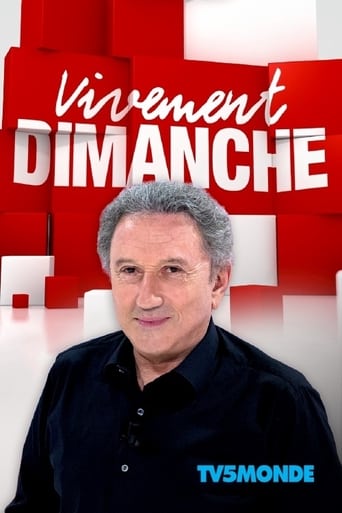
Vivement dimanche
1998
 8.5
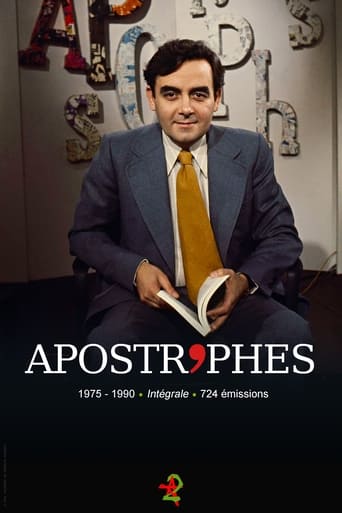
8.5Apostrophes was a live, weekly, literary, prime-time, talk show on French television created and hosted by Bernard Pivot. It ran for fifteen years (724 episodes) from January 10, 1975, to June 22, 1990, and was one of the most watched shows on French television (around 6 million regular viewers). It was broadcast on Friday nights on the channel France 2 (which was called "Antenne 2" from 1975 to 1992). The hourlong show was devoted to books, authors and literature. The format varied between one-on-one interviews with a single author and open discussions between four or five authors.
Apostrophes
1975
 8.0
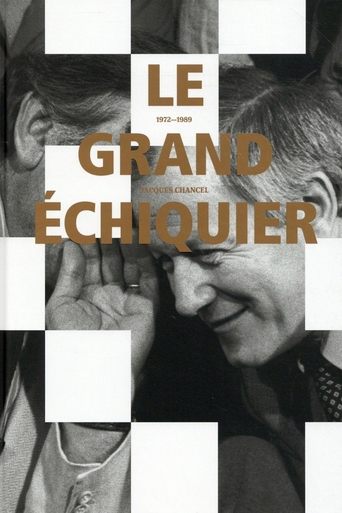
8.0Le Grand Échiquier is a French variety television program created and presented by Jacques Chancel. It aired at 8:30 pm on the first channel of the ORTF from January 12, 1972 to July 12, 1972, then on the second color channel of the ORTF from September 1972 to December 1974, and finally on Antenne 2 from January 1975 to December 21, 1989. The program returned to France 2 on December 20, 2018 and is hosted by Anne-Sophie Lapix.
Le Grand Échiquier
1972
 6.5
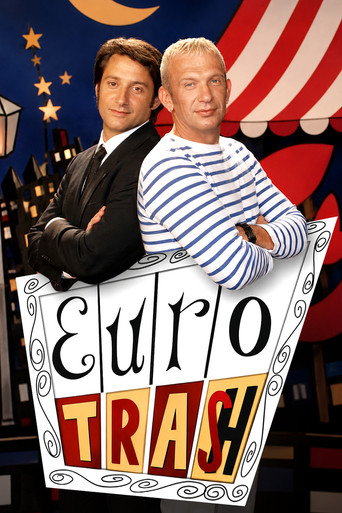
6.5The likes of Antoine de Caunes, Jean Paul Gaultier, Davina McCall, and Lolo Ferrari are your guides to the weird and wonderful in Europe and beyond. How else would you learn about pubic hairdressers, the Penis Olympics, or the latest Japanese sex toys?
Eurotrash
1993
 NR
NRNo synopsis available yet.
Collaricocoshow
1987
 4.8
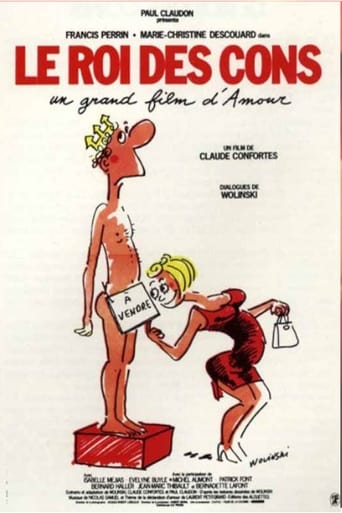
4.8Georges Le Roi lives odd jobs and shares his life between two girlfriends. One day, he falls in love with Sophie and records a message of love. The tape is mistakenly broadcast in the company. In the face of success, Sophie founded the company Tell me about love and spread the messages of Georges, who soon became a sex symbol.
Le Roi des cons
1981
Film credits
2020s · 2 titles
 6.0
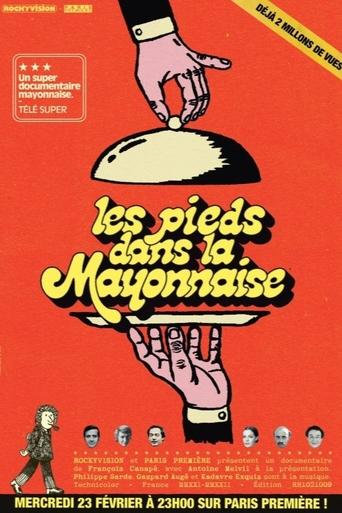
6.0In the early 1970s, Pompidou-era France, and soon Giscard d'Estaing's France, began to break free thanks to a few irreverent figures. Daniel Prévost, Pierre Desproges, Jean Yanne, Bertrand Blier, Patrick Dewaere, Gérard Depardieu, Miou-Miou, Coluche, Michel Polac, Professor Choron, and many others: all contributed to a culture whose influence still resonates with today's comedians. This documentary delves into this bygone era that gave birth to the new French irreverence.
Feet in the Mayonnaise: The Irreverent Ones of the 70s
2022
 NR
NRFollowing the release of Bérurier Noir's album "Concerto pour détraqués" on the Bondage label in 1985, the French punk scene began to organize itself and attract media attention. Following Bondage's example, François Hadji Lazaro founded the Boucherie Production label. The departure of bands to major companies, Bérurier Noir's lawsuit against its label Bondage, and above all the breakup of the band marked the end of an era.
Le rock alternatif (une brève période de médiatisation du punk français 1986-1989)
2021
2000s · 2 titles
 9.0
9.0Reality TV has invaded the world television space for several years. Garbage television, attack to the human dignity, cultural desertification for some, phenomenon of society, new frontiers of the intimacy, formidable gas pedal of television particles for the others; the debate on reality TV arouses a deep and lasting emotion, in short, it produces word. It is this word that we decided to relay by the glance and the images, we propose to decipher some of the paradoxes which riddle the multiple reflections of the many personalities that we interviewed.
Loft Paradoxe
2002
 7.0
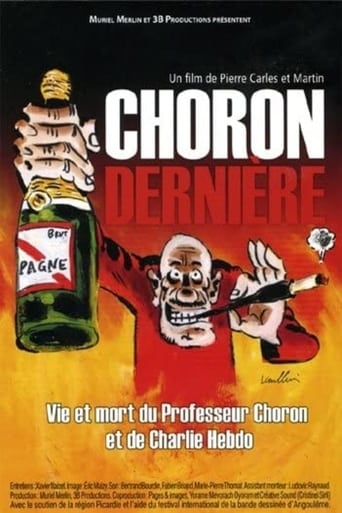
7.0Georges Bernier, alias Professor Choron, died January 10, 2005. He was 75 years old. The few death notices that appeared in the French press mainly focused on the scatological nature of his humor, or on the good man's provocative side. No one recalled the essential, which was that with his passing not only had one of the great proprietors of the French press disappeared, but he'd taken with him an artist in his own right, quite unique in his own way : Professor Choron.
Choron dernière
2009
1990s · 2 titles
 6.0
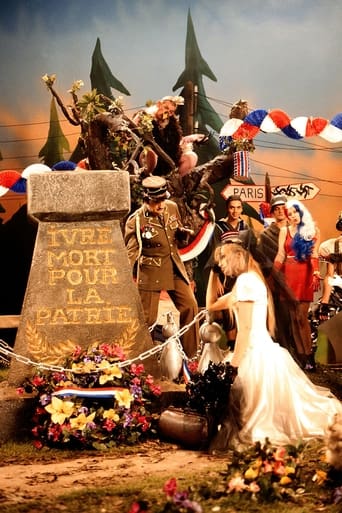
6.0Professor Choron recounts with his memories as a child of a barrier guard, the 2nd World War with its horrors and the trains he saw during those years leaving for Germany or coming from there, full of French or German soldiers, in conquest or in rout according to the period
Ivre-Mort pour la Patrie
1999
No synopsis available yet.
Formidable
1994
1980s · 3 titles
4.8Georges Le Roi lives odd jobs and shares his life between two girlfriends. One day, he falls in love with Sophie and records a message of love. The tape is mistakenly broadcast in the company. In the face of success, Sophie founded the company Tell me about love and spread the messages of Georges, who soon became a sex symbol.
Le Roi des cons
1981
 8.3
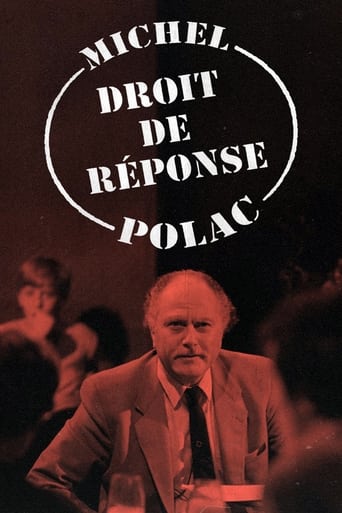
8.3"Droit de Réponse" (Right of Reply) is a French debate program broadcast between December 12, 1981 and September 19, 1987 on the TF1 channel, presented by Michel Polac and produced by Maurice Dugowson. Broadcast live on a weekly basis, on Saturdays from 8.30 p.m., the right of reply has been the source of many controversies, due to the various speakers who have come to present their point of view on the show (which leads to famous scandals , remained in the memory of viewers), but also for the variety and relevance of the topics covered, which ensured the success of the program on the air for several years. On French television, this program is considered by some observers as a “pioneer program in terms of controversy-show or clash, in modern language”.
Droit de Réponse
1981
 NR
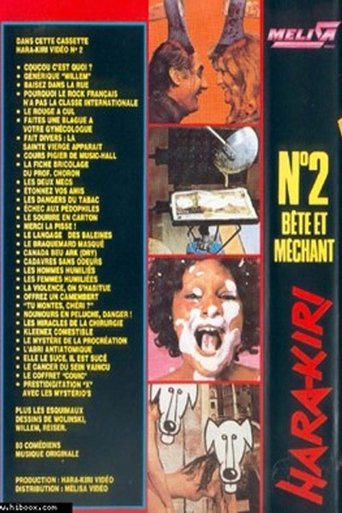
NRNo synopsis available yet.
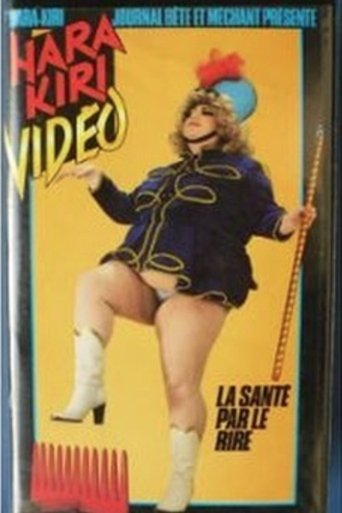
Hara-Kiri Vidéo N°2
1984
1970s · 2 titles
 6.5
6.5The film narrates a utopian abandonment, consensual and festive of the market economy and high productivity. The population decides on a number of resolutions beginning with "We stop everything" and the second "After a total downtime will be revived-reluctantly-that the services and products including lack will prove intolerable. Probably: water to drink, electricity for reading at night, the TSF to say "This is not the end of the world, this is an 01, and now a page of Celestial Mechanics". The implementation of these resolutions is the first day of a new era, Year 01. The Year 01 is emblematic of the challenge of the 1970s and covers such diverse topics as ecology, negation of authority, free love, communal living, rejection of private property and labor.
The Year 01
1973
 6.7
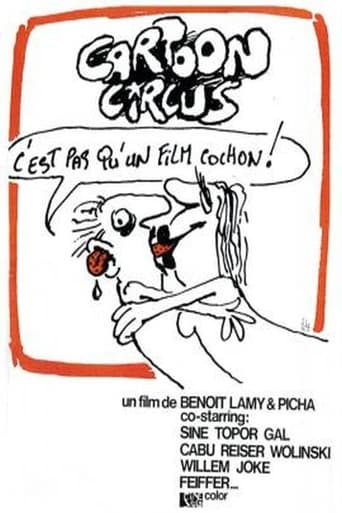
6.7Feature film.
Cartoon circus
1972
Series credits
3.6No synopsis available yet.
Vivement dimanche
1998
8.5Apostrophes was a live, weekly, literary, prime-time, talk show on French television created and hosted by Bernard Pivot. It ran for fifteen years (724 episodes) from January 10, 1975, to June 22, 1990, and was one of the most watched shows on French television (around 6 million regular viewers). It was broadcast on Friday nights on the channel France 2 (which was called "Antenne 2" from 1975 to 1992). The hourlong show was devoted to books, authors and literature. The format varied between one-on-one interviews with a single author and open discussions between four or five authors.
Apostrophes
1975
8.0Le Grand Échiquier is a French variety television program created and presented by Jacques Chancel. It aired at 8:30 pm on the first channel of the ORTF from January 12, 1972 to July 12, 1972, then on the second color channel of the ORTF from September 1972 to December 1974, and finally on Antenne 2 from January 1975 to December 21, 1989. The program returned to France 2 on December 20, 2018 and is hosted by Anne-Sophie Lapix.
Le Grand Échiquier
1972
6.5The likes of Antoine de Caunes, Jean Paul Gaultier, Davina McCall, and Lolo Ferrari are your guides to the weird and wonderful in Europe and beyond. How else would you learn about pubic hairdressers, the Penis Olympics, or the latest Japanese sex toys?
Eurotrash
1993
NRNo synopsis available yet.
Collaricocoshow
1987
Behind the camera
6.0Professor Choron recounts with his memories as a child of a barrier guard, the 2nd World War with its horrors and the trains he saw during those years leaving for Germany or coming from there, full of French or German soldiers, in conquest or in rout according to the period
Ivre-Mort pour la Patrie
1999
the second video tape of Hara-Kiri Magazine
Journal Bête Et Méchant Presente: Hara-Kiri N°2
1984
NRNo synopsis available yet.
Hara-Kiri Vidéo N°2
1984
 NR
NRFrench magazine
Journal Bête Et Méchant Presente: Hara-Kiri N°1
—