
Directing
Tamás Banovich
Born — Died
1925-09-21 — 2015-02-08
Known for
Directing
Credits
11 titles
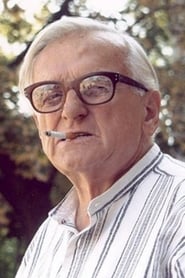
Tamás Banovich was born on September 21, 1925 in Budapest, Hungary. He was a production designer and director, known for Az életbe táncoltatott leány (1964), Cyrano de Bergerac (1990) and Szép magyar komédia (1970). He died on February 8, 2015.
Known for
 10.0
10.0Reconstructions of unrealized Hungarian films in cooperation with the greatest Hungarian film directors.
Negative history of Hungarian cinema
2010
 7.0
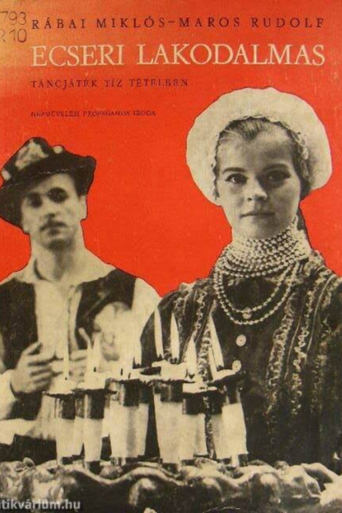
7.0The State Folk Ensemble has performed the dance game more than a thousand times, and it has traveled all over the world. The short film was shot in Ecser, Gyömrő, Dabas and in the capital, in the studio of Magyar Filmgyártó Vállalat.
Ecseri Lakodalmas
1953
 10.0
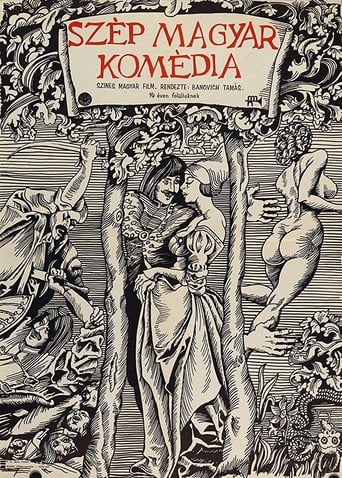
10.0The story of Bálint Balassi, the poet and warrior. The scene is Hungary at the end of the 16th century. The soldiers stationed at the castles of Hungary's border defence-system spend their days with anti-Turkish raids, hunting and womanising.
A Galant Story
1970
 6.6
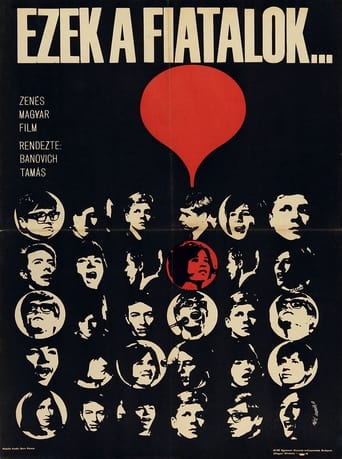
6.6Laci is facing maturation and he wants to work, but his intellectual parents want him to be at the university. Laci feels lonely, because back home the centre is his younger brother and he also deceived in Zsuzsa, his class mate. The girl is already an accomplished pop singer, member of the Illés, and she only returns the love of Laci as a friend. But through Zsuzsa he can meet the members of the well-established group, whose members even lend him their instruments for the concert of the school group. They also play together and another brown girl cheers him already.
Oh, These Young People!
1967
 7.5
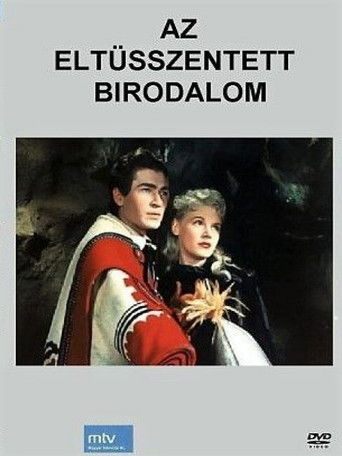
7.5The tyrannical king is afraid of his people. He can only find peace if everyone wishes him well when he sneezes. Catchpoles raid the country and give orders what the king wants.
The Empire Gone With A Sneeze
1956
 5.2
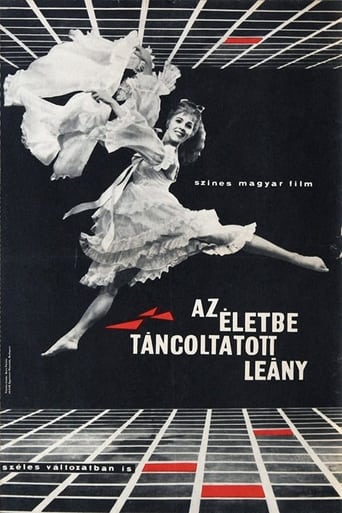
5.2The dance play is based on the legend of the girl who was danced to death. Using the tools of folk dance, classical ballet and modern dance, the three parts tell the tale of the black man's spell that takes the girl away from her lover in a setting of folk tales, 18th century Rococo and the 1960s metropolis. But in the modern world, in the ballroom bustle of the last part, the girl is no longer alone, but with the help of the other young people, she is freed from the magic of the red shoe and manages to stay with her lover.
Eternal Dance
1964
Film credits
Behind the camera
7.0The State Folk Ensemble has performed the dance game more than a thousand times, and it has traveled all over the world. The short film was shot in Ecser, Gyömrő, Dabas and in the capital, in the studio of Magyar Filmgyártó Vállalat.
Ecseri Lakodalmas
1953
10.0The story of Bálint Balassi, the poet and warrior. The scene is Hungary at the end of the 16th century. The soldiers stationed at the castles of Hungary's border defence-system spend their days with anti-Turkish raids, hunting and womanising.
A Galant Story
1970
6.6Laci is facing maturation and he wants to work, but his intellectual parents want him to be at the university. Laci feels lonely, because back home the centre is his younger brother and he also deceived in Zsuzsa, his class mate. The girl is already an accomplished pop singer, member of the Illés, and she only returns the love of Laci as a friend. But through Zsuzsa he can meet the members of the well-established group, whose members even lend him their instruments for the concert of the school group. They also play together and another brown girl cheers him already.
Oh, These Young People!
1967
6.6Laci is facing maturation and he wants to work, but his intellectual parents want him to be at the university. Laci feels lonely, because back home the centre is his younger brother and he also deceived in Zsuzsa, his class mate. The girl is already an accomplished pop singer, member of the Illés, and she only returns the love of Laci as a friend. But through Zsuzsa he can meet the members of the well-established group, whose members even lend him their instruments for the concert of the school group. They also play together and another brown girl cheers him already.
Oh, These Young People!
1967
7.5The tyrannical king is afraid of his people. He can only find peace if everyone wishes him well when he sneezes. Catchpoles raid the country and give orders what the king wants.
The Empire Gone With A Sneeze
1956
7.5The tyrannical king is afraid of his people. He can only find peace if everyone wishes him well when he sneezes. Catchpoles raid the country and give orders what the king wants.
The Empire Gone With A Sneeze
1956
5.2The dance play is based on the legend of the girl who was danced to death. Using the tools of folk dance, classical ballet and modern dance, the three parts tell the tale of the black man's spell that takes the girl away from her lover in a setting of folk tales, 18th century Rococo and the 1960s metropolis. But in the modern world, in the ballroom bustle of the last part, the girl is no longer alone, but with the help of the other young people, she is freed from the magic of the red shoe and manages to stay with her lover.
Eternal Dance
1964
5.2The dance play is based on the legend of the girl who was danced to death. Using the tools of folk dance, classical ballet and modern dance, the three parts tell the tale of the black man's spell that takes the girl away from her lover in a setting of folk tales, 18th century Rococo and the 1960s metropolis. But in the modern world, in the ballroom bustle of the last part, the girl is no longer alone, but with the help of the other young people, she is freed from the magic of the red shoe and manages to stay with her lover.
Eternal Dance
1964
 8.0
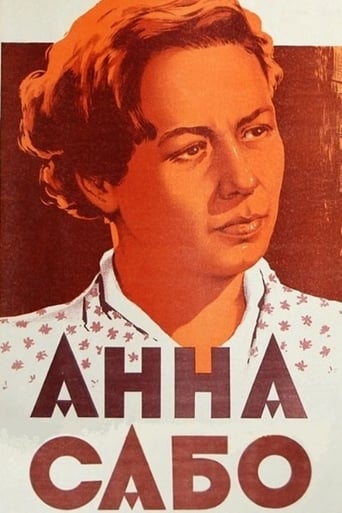
8.0A female worker in Socialist Hungary gains the acceptance of her male colleagues.
Anna Szabó
1949
 NR
NRSeveral gypsy dances performed by the Hungarian People's State Ensemble.
Gypsy dance
1956