

Known for
 NR
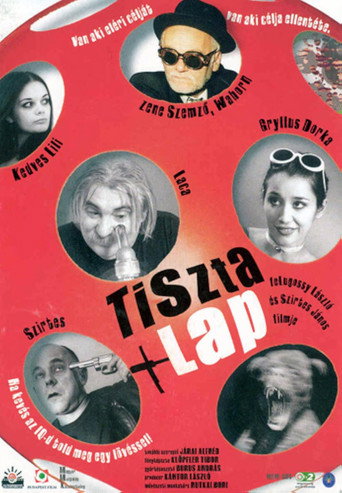
NRTiszta lap is a 2002 hungarian movie.
Tiszta lap
—
 7.0
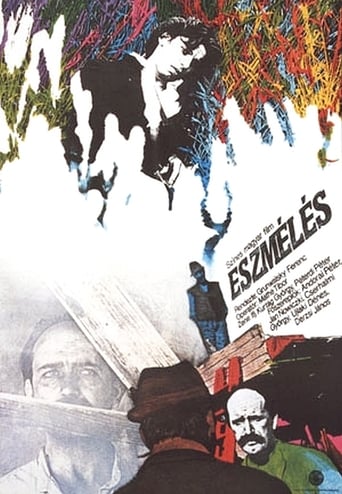
7.01894. The mortal remains of Lajos Kossuth are brought home from abroad, the railways are lined with people with their hats in hand, and among them stands the teenager Imre Tányér. 1910. The grown-up Imre undertakes the task to solve the question unsolved since 1848-49, i.e. the transformation of peasant life. He fights for the rights of his class, for justice, for human dignity in a society distorted, backward and built on inequality.
To See the Light
1984
 6.7
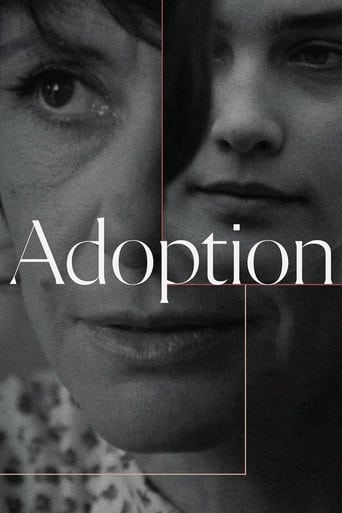
6.7When middle-aged Kata realises that her life will only be complete if she has a baby of her own, her longstanding-but-married boyfriend Joska refuses to comply. But by developing an unlikely friendship with the angst-ridden teenage orphan Anna, who is also involved in a controversial relationship, Kata discovers aspects of herself, and her role as a woman, that have gone unexamined throughout her entire, lonely life.
Adoption
1975
 NR
NRNo synopsis available yet.
Vándorrák
1966
 6.9
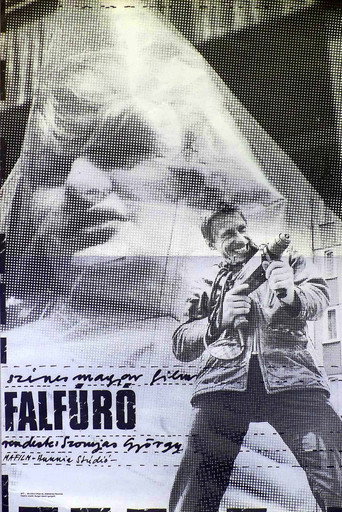
6.9The sad tale of a proletarian malcontent ensconced in a monstrously depressing housing project who—even less effectually than the heroes of Bald-Dog Rock—attempts to change his life. Purchasing a power drill and slinging it across his shoulder like the anti-hero of a spaghetti western, he turns entrepreneur, boring holes in his neighbors’ walls so that they can hang mirrors or pictures.
Wall Driller
1986
 6.4
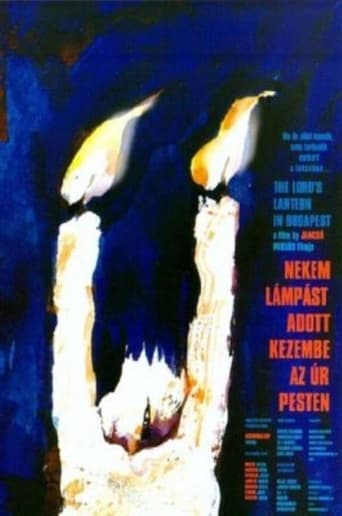
6.4In the Kerepesi Street cemetery, three grave diggers contemplate the fate of the world, then they step out of this role and in a sequence of episodes they play the typical figures of contemporary Hungarian reality, the fat cat, the swashbuckler, the victim, underworld chieftains, and present little absurd dramas of love, marriage, friendship, public order and legal safety. The author and the film director walk among them all the time, contemplating, laughing at their plays. The stories starting from the graveyard and returning there warn of the inevitability of death. The author and the director (Gyula Hernádi and Miklós Jancsó) wisely make friends with death.
The Lord's Lantern in Budapest
1999
Film credits

Undated · 1 titles
Behind the camera
7.01894. The mortal remains of Lajos Kossuth are brought home from abroad, the railways are lined with people with their hats in hand, and among them stands the teenager Imre Tányér. 1910. The grown-up Imre undertakes the task to solve the question unsolved since 1848-49, i.e. the transformation of peasant life. He fights for the rights of his class, for justice, for human dignity in a society distorted, backward and built on inequality.
To See the Light
1984
6.7When middle-aged Kata realises that her life will only be complete if she has a baby of her own, her longstanding-but-married boyfriend Joska refuses to comply. But by developing an unlikely friendship with the angst-ridden teenage orphan Anna, who is also involved in a controversial relationship, Kata discovers aspects of herself, and her role as a woman, that have gone unexamined throughout her entire, lonely life.
Adoption
1975
NRNo synopsis available yet.
Vándorrák
1966
6.9The sad tale of a proletarian malcontent ensconced in a monstrously depressing housing project who—even less effectually than the heroes of Bald-Dog Rock—attempts to change his life. Purchasing a power drill and slinging it across his shoulder like the anti-hero of a spaghetti western, he turns entrepreneur, boring holes in his neighbors’ walls so that they can hang mirrors or pictures.
Wall Driller
1986
6.4In the Kerepesi Street cemetery, three grave diggers contemplate the fate of the world, then they step out of this role and in a sequence of episodes they play the typical figures of contemporary Hungarian reality, the fat cat, the swashbuckler, the victim, underworld chieftains, and present little absurd dramas of love, marriage, friendship, public order and legal safety. The author and the film director walk among them all the time, contemplating, laughing at their plays. The stories starting from the graveyard and returning there warn of the inevitability of death. The author and the director (Gyula Hernádi and Miklós Jancsó) wisely make friends with death.
The Lord's Lantern in Budapest
1999
No synopsis available yet.
Visszatérés (Kicsi, de nagyon erős 2.)
1999
 4.2
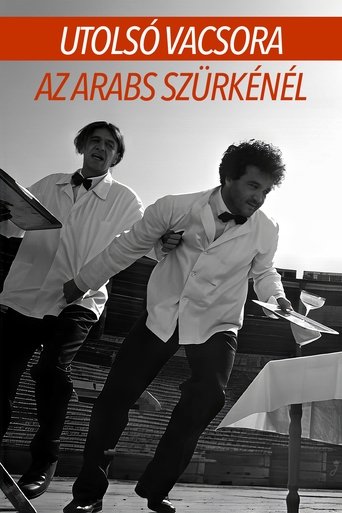
4.2Waiters’ competition at Heroes’ Square in the late thirties. Dressed as waiters, Kapa and Pepe awake in the bronze chariot of the millennial sculpture group. They drive along the Danube promenade, and on the concrete reinforcement of the demolished Budapest rondella hotel they get involved in a showdown of political background. In the burnt-down Sports Hall the waiters train for a last supper, Pepe and Kapa run around the big laid table with trays in their hands. While doing so, Pepe keeps crying out: "I am the best one, I am the most beautiful one, I am the king, I am the god..." Sitting in a boat on the Danube, a ship goes past them, and the Niagara falls, majestic and breathtaking, resound in their ears. On each passing away something new will come to life – as rapped by Sub Bass Monster.
Last Supper at the Arabian Gray Horse
2001
 6.5
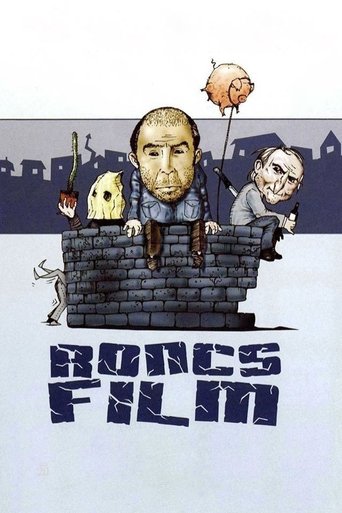
6.5It is 1989, the year of the demise of socialism in eastern Europe. Nevertheless, the one theme of Junk Movie does not refer to this historical moment of high ideals, quite the contrary, the wild, burlesque of a motif-mozaic seems merely to stick it’s tongue out at the arrogant players of politics who have their heads stuck in the clouds. The film rudely points out the mystery and unapproachability surrounding the every-day existence of politics. The scene is a greasy, falling-down block of a pub called the Gólya and its immediate surroundings.
Junk Movie
1992
No synopsis available yet.
Interferencia
1966
 9.0
9.0Paul Bogár is released after a year in custody on suspicion of burglary - due to lack of evidence. The man seems to accept society's declared norms, taking a hard physical job in a factory. In his spare time, however, he resumes burglarising houses, carefully and without a trace. He gives the money and the gold he gets to his sister and her family. Although he always works alone, he takes his helpless brother-in-law with him as a driver. Beetle's principle: they too have the right to a good life, and it is impossible to provide it through work. However, a rival gang takes advantage of his brother-in-law to trap him...
Little But Tough
1989
 6.9
6.9The subject of a Roma settlement gains an almost metaphysical dimension as we watch a long, slow shot of a silent 18-year-old Roma mother.
Motherhood
1974
The royal summary court sentences Sallai Imre and Fürst Sándor to death on charges of attempting to uproot the state and the social order. The film, the story of which takes place in 1932, enlarges the moment of delivering the death-sentence. Sallai, preparing for his death, envisions the people and the events that have been decisive for his life.
Requiem for a Revolutionary
1975
The royal summary court sentences Sallai Imre and Fürst Sándor to death on charges of attempting to uproot the state and the social order. The film, the story of which takes place in 1932, enlarges the moment of delivering the death-sentence. Sallai, preparing for his death, envisions the people and the events that have been decisive for his life.
Requiem for a Revolutionary
1975
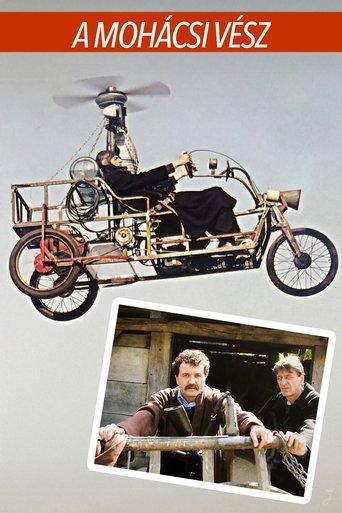 6.0
6.0By the notes of Fiáth Pompeiusz, the one-time friend of Kapa and Pepe, Professor Szirtes has solved the secret of the time machine, and he realizes the invention relying on "special" H2O. Kapa and Pepe shall return by it into the past in order to set time right, which is out of joint, that is, to correct history, to save King Louis II, and prevent the Mohács Disaster. Pepe yields to the not too tender persuasion to enter upon the great journey through time, dies and revives, and they arrive at the battlefield of Mohács in time. Kapa films the events. The Turks win and cut off the king’s, Pepe’s, head, still the Hungarians dictate the peace treaty. Kapa and Pepe want to return, they fill the time machine up with water from the well, yet it won’t start. Even so Kapa and Pepe hover over Budapest and quarrel.
The Battle of Mohács
2004
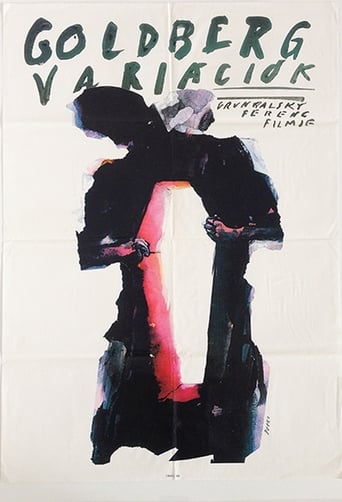 10.0
10.0This is a rough, fragmented drama about a couple whose 13-year-old son committed suicide without an apparent reason. The film portrays the day after the funeral and the helpless, abandoned mourning of the parents.
Goldberg Variations
1991
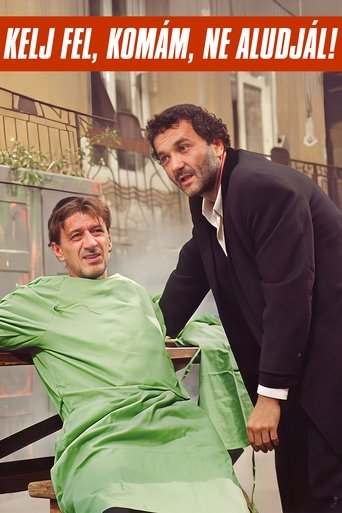 5.6
5.6This time, Kapa and Pepe are first of all prisoners of war – and convicts taken to forced labor service, Jews, Hungarian soldiers, German soldiers. Once they are to be executed, then again they are to perform executions. The film tells in spectacular episodes about the fact that in the past more than one century and a half we kept marching from war to war; occupation and liberation turned out to be indifferent, and why couldn’t the Jews execute the SS-guys? Our heroes hover about dilapidated barracks, then again on the bridges of the capital they guess whose satellites or eternal friends for all times we might be just now. In the cupboard, among the preserved fruit bottles, Stalin is still hiding. The authors of the film are cited before court, then in a showcase hospital they are waiting for the end to come. A Soviet soldier-maid closes the film with a Péter Nádas-quote.
Wake Up, Mate, Don't You Sleep
2003
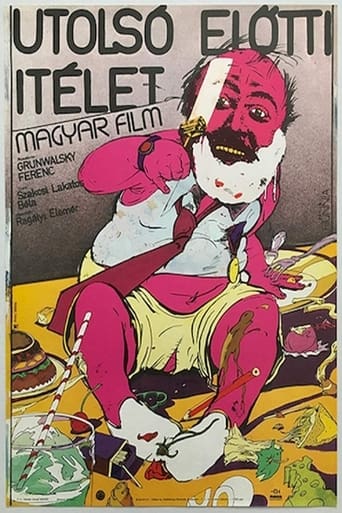 NR
NRThe relationship of István Kozár and his wife has reached the point where neither is prepared to hear even a single word from the other. The woman travels to the countryside because she needs a little time by herself. The next morning the police inform the man that his wife has died. István, who has fantasized on more than one occasion about strangling the woman, soon finds himself being investigated by detectives who expect a confession from him.
The Last Judgement But One
1979
NRThe relationship of István Kozár and his wife has reached the point where neither is prepared to hear even a single word from the other. The woman travels to the countryside because she needs a little time by herself. The next morning the police inform the man that his wife has died. István, who has fantasized on more than one occasion about strangling the woman, soon finds himself being investigated by detectives who expect a confession from him.
The Last Judgement But One
1979
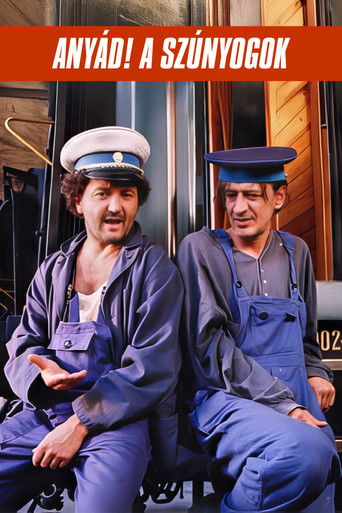 4.9
4.9Kapa, Pepe and Mesi would like to buy a scrapyard of trains, to start a nostalgia train and earn a lot of money. The capital to start with they want to get from grandpa, who has come home from America with a suitcase full of money. Everybody wants Mesi to approach the old man, because she is the only one he would speak to. But Mesi is more concerned with the idea that she wants a child, by now from anyone, while Pepe is jealous. Kapa’s alleged son emerges, with the mafia behind him: they, too, are eager to get grandpa’s money. After threats and blackmailing, poisoned apples are sent, with only one side of them poisonous. Those dead, by the way, are resurrected by the sound of a song. At last, nobody manages to get the money, but it wouldn’t make sense anyway: it’s all fake. The Statue of Liberty, however, turns out to be blind.
Damn You! the Mosquitoes
2000
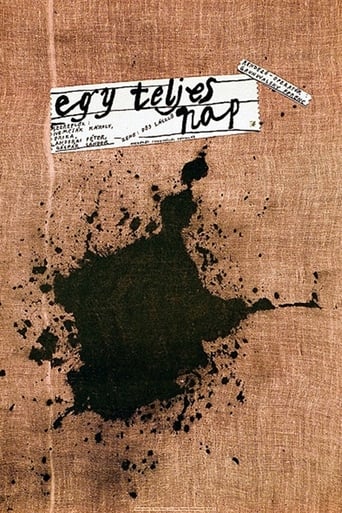 10.0
10.0Józsi drives a taxi all day long. He often telephones Éva, who, on the other hand, stays home all day long, having nothing else to do but to be beautiful and wait for Józsi.
A Full Day
1988
10.0Józsi drives a taxi all day long. He often telephones Éva, who, on the other hand, stays home all day long, having nothing else to do but to be beautiful and wait for Józsi.
A Full Day
1988
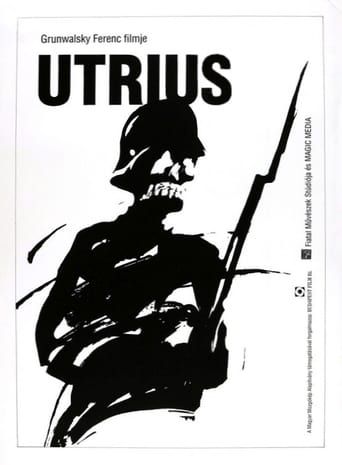 10.0
10.0Pál Utrius is twenty three years old and in love with his sister.
Utrius
1994
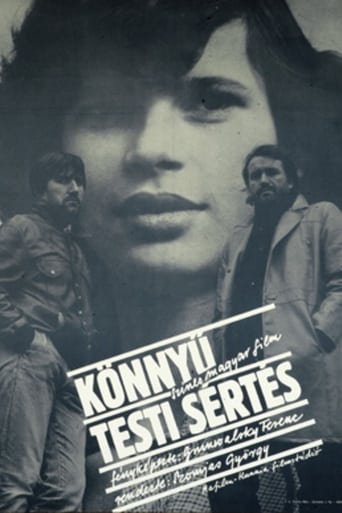 7.1
7.1After serving a prison sentence for a street fight, Csaba returns home to find his wife, Éva, now living with another man, Miklós. With nowhere else to go, Csaba is forced to share their small apartment, leading to constant friction and escalating provocations.
Tight Quarters
1983