

Directing
Márta Mészáros
Born
1931-09-19 (95)
Place of birth
Budapest, Hungary
Known for
Directing
Credits
45 titles
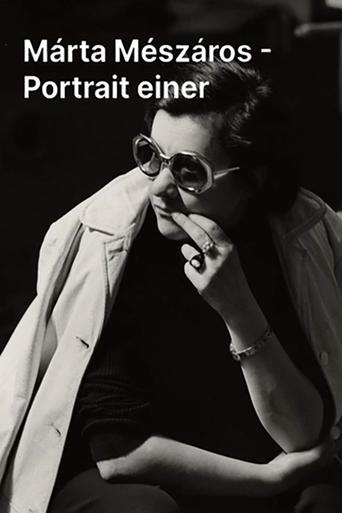
Márta Mészáros (born 19 September 1931) is a Hungarian screenwriter and film director. The daughter of László Mészáros, a sculptor, Mészáros began her career working in documentary film, having made 25 documentary shorts over the span of ten years. Her full-length directorial debut, Eltavozott nap/The Girl (1968), was the first Hungarian film to have been directed by a woman, and won the Special Prize of the Jury at the Valladolid International Film Festival. Mészáros' work often combines autobiographical details with documentary footage. Prominent themes include characters' denials of their pasts, the consequences of dishonesty, and the problematics of gender. Her films often feature heroi…
Known for
 6.0
6.0A talk show presented by Michel Drucker
Les Rendez-vous du dimanche
1975
 7.0
7.0A continuation of "Diary for My Children," the film picks up in 1950, when Juli, the diarist, is 18 and determined to become a movie director.
Diary for My Loves
1987
 10.0
10.0Young Petőfi Zoltán the son of the great Hungarian poet, Petőfi Sándor, feels as though he were a stranger in the house of his mother and stepfather. Off he goes, finding work in Debrecen, where his theatrical and literary career and love all seem to be on their way.
At the End of September
1974
 8.0
8.0A day in the solitary life of Pista, a single child of divorced parents. The boy skips school and explores the city of Budapest by himself, yet can't escape an unbearable ennui. Like Mészáros's ADOPTION, this early short film explores the themes of broken family bonds; it also offers insight into the origins of the director’s career.
Blow-Ball
1965
 6.6
6.6The Aurora Borealis is a story of family that is rich in twists and turns. It breaks the depths of the relationship between mother and daughter. A successful lawyer in Vienna, Olga is called back to Hungary when her old mother, Mary suddenly falls into a coma. While Mary is floating between life and death, Olga finds a deeply silent secret. The increasingly passionate research leads back to the post-war Europe of the '50s.
Aurora Borealis: Northern Light
2017
 6.2
6.2Looking for a safe place to live after being harassed by her husband, a depressive and violent man, Juli stays at a women's shelter run by Mária.
The Two of Them
1978
Film credits
2000s · 2 titles
 8.5
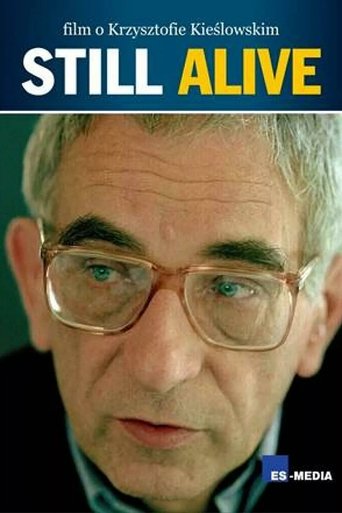
8.5Maria Zmarz-Koczanowicz directed this insightful TV documentary (2005) tracing the Polish filmmaker's career. Former classmates reminisce about Kieslowski's happy beginnings at the Lodz film school and how his dissatisfaction with some of his early documentaries prompted the dramatic work and stylistic experimentation that led to his monumental series of films The Decalogue (1989). Wim Wenders, Agnieszka Holland, and Juliette Binoche are among the many admirers weighing in on his hard-driving work methods and preoccupation with the ephemeral. In Polish, French, and German with subtitles.
Still Alive: A Film About Krzysztof Kieslowski
2006
 NR
NRThe film tells about the famous Lithuanian director Vytautas Žalakevičius. The film contains many excerpts from the director's films and conversations with him. Here he talks about life, creativity and about himself. Vytautas Žalakevičius is remembered by his friends and associates.
Notes in Lifestyle Margins
2002
Series credits
Behind the camera
7.0A continuation of "Diary for My Children," the film picks up in 1950, when Juli, the diarist, is 18 and determined to become a movie director.
Diary for My Loves
1987
7.0A continuation of "Diary for My Children," the film picks up in 1950, when Juli, the diarist, is 18 and determined to become a movie director.
Diary for My Loves
1987
10.0Young Petőfi Zoltán the son of the great Hungarian poet, Petőfi Sándor, feels as though he were a stranger in the house of his mother and stepfather. Off he goes, finding work in Debrecen, where his theatrical and literary career and love all seem to be on their way.
At the End of September
1974
8.0A day in the solitary life of Pista, a single child of divorced parents. The boy skips school and explores the city of Budapest by himself, yet can't escape an unbearable ennui. Like Mészáros's ADOPTION, this early short film explores the themes of broken family bonds; it also offers insight into the origins of the director’s career.
Blow-Ball
1965
8.0A day in the solitary life of Pista, a single child of divorced parents. The boy skips school and explores the city of Budapest by himself, yet can't escape an unbearable ennui. Like Mészáros's ADOPTION, this early short film explores the themes of broken family bonds; it also offers insight into the origins of the director’s career.
Blow-Ball
1965
6.6The Aurora Borealis is a story of family that is rich in twists and turns. It breaks the depths of the relationship between mother and daughter. A successful lawyer in Vienna, Olga is called back to Hungary when her old mother, Mary suddenly falls into a coma. While Mary is floating between life and death, Olga finds a deeply silent secret. The increasingly passionate research leads back to the post-war Europe of the '50s.
Aurora Borealis: Northern Light
2017
6.6The Aurora Borealis is a story of family that is rich in twists and turns. It breaks the depths of the relationship between mother and daughter. A successful lawyer in Vienna, Olga is called back to Hungary when her old mother, Mary suddenly falls into a coma. While Mary is floating between life and death, Olga finds a deeply silent secret. The increasingly passionate research leads back to the post-war Europe of the '50s.
Aurora Borealis: Northern Light
2017
6.2Looking for a safe place to live after being harassed by her husband, a depressive and violent man, Juli stays at a women's shelter run by Mária.
The Two of Them
1978
6.2Looking for a safe place to live after being harassed by her husband, a depressive and violent man, Juli stays at a women's shelter run by Mária.
The Two of Them
1978
 6.4
6.4Jutka, a young woman who works in a factory, falls in love with Andras, a university student. She pretends to be a student, to him and to his parents, and begins to live a lie. Finally she rebels against Andras and his demands and the social conventions that forced her to live a lie.
Riddance
1973
6.4Jutka, a young woman who works in a factory, falls in love with Andras, a university student. She pretends to be a student, to him and to his parents, and begins to live a lie. Finally she rebels against Andras and his demands and the social conventions that forced her to live a lie.
Riddance
1973
Director Márta Mészáros working with cinematographers Tamás Somló and István Zöldi made several documentary-like artist portraits. These films cover not only artistic methods and resulting masterpieces, but emphasis is also placed on the surrounding landscape and built environment. Szentendre, one of Hungary’s most attractive towns, is a magnet for all that is beautiful, providing local artists with endless subject matter. The director’s picture provides a backscenes glimpse into the studios of László Balogh, Jenő Barcsay, Endre Bálint, Béla Czóbel, Pál Deim, Dezső Korniss, Piroska Szántó and Lajos Vajda. Zoltán Latinovits narrates.
Szentendre And Its Painters
1964
 5.0
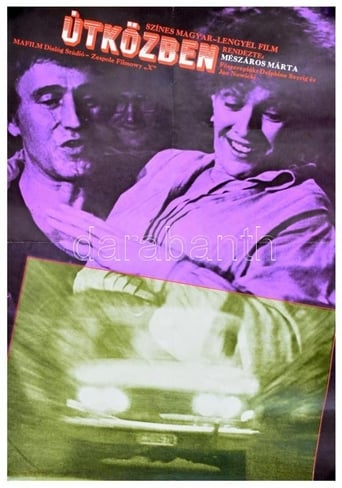
5.0Barbara is a forty-year-old woman of Polish origin living in Budapest. She is a biologist, a wife and a mother. The death of her woman friend opens her eyes to the fact that she is lonely, unable to find her place.
On the Move
1979
5.0Barbara is a forty-year-old woman of Polish origin living in Budapest. She is a biologist, a wife and a mother. The death of her woman friend opens her eyes to the fact that she is lonely, unable to find her place.
On the Move
1979
 NR
NRDocumentary film directed by Márta Mészáros.
Heartbeat
1961
NRDocumentary film directed by Márta Mészáros.
Heartbeat
1961
 6.7
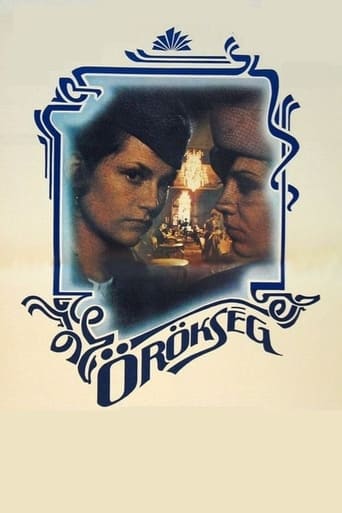
6.7During the rising of nazism, Sylvia, a rich but sterile woman, needs an heir to inherit her father's money. So she bribes Irene, a Jewish girl, to have a child by her husband.
The Inheritance
1980
6.7During the rising of nazism, Sylvia, a rich but sterile woman, needs an heir to inherit her father's money. So she bribes Irene, a Jewish girl, to have a child by her husband.
The Inheritance
1980
The movie is inspired by writer-director Márta Mészáros' own childhood. The film is a grim reminder of horrible days under Stalinist period when several innocent people were persecuted for no fault. A good film which allow people to know how people in Europe were tortured before second world war by dictators and authoritarian regimes.
Little Vilma: The Last Diary
2000
The movie is inspired by writer-director Márta Mészáros' own childhood. The film is a grim reminder of horrible days under Stalinist period when several innocent people were persecuted for no fault. A good film which allow people to know how people in Europe were tortured before second world war by dictators and authoritarian regimes.
Little Vilma: The Last Diary
2000
 6.9
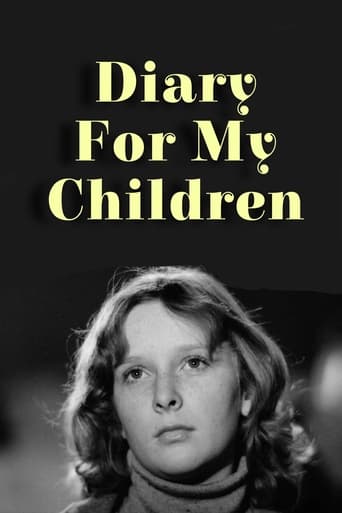
6.9After having lost her parents, young Juli returns from the Soviet Union to her native Budapest. Scarred by the wounds of the past, the ghost of Stalin’s oppression haunts her as she reunites with her aunt and adoptive mother Magda.
Diary for My Children
1984
6.9After having lost her parents, young Juli returns from the Soviet Union to her native Budapest. Scarred by the wounds of the past, the ghost of Stalin’s oppression haunts her as she reunites with her aunt and adoptive mother Magda.
Diary for My Children
1984
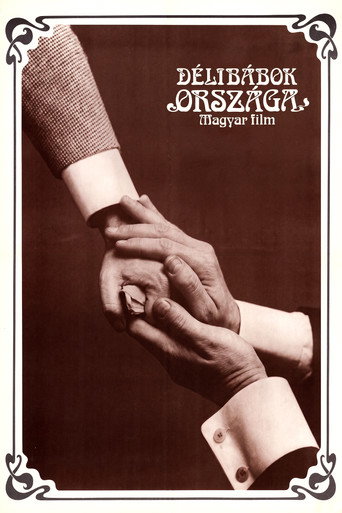 10.0
10.0Officer Karikas from Petersburg should be in Saratov with her servant,in the way he played cards and losing much,even to stuck in the hotel.Local officials took him for anticipated auditor.With this error starting a chain of events.
The Land of Mirage
1983
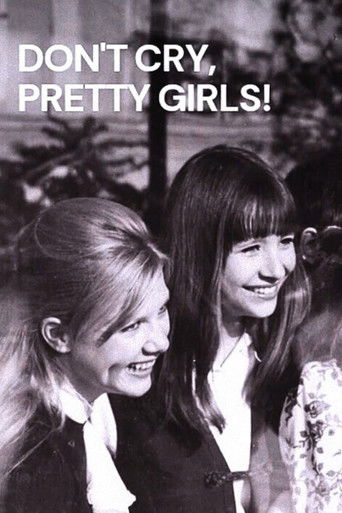 5.4
5.4Savanyú and his friend work at a plant. After the monotonous shifts they engage in the pleasures of the afternoon and the night, i.e. parties and concerts. Savanyú dates Juli, they are already engaged. The young men live as sub-tenants, the young women in workers' hostels. None of these places are suited for spending time together. They are in need of an apartment. Out of the ruinous apartment which they lay siege on, however, they are sent away by the otherwise friendly policeman. At a concert held in the Park of Youth, Juli gets to know Géza. They flirt, then go to the country with a pop-group. Savanyú and his friends follow them. A minor fight cools the atmosphere.
Don’t Cry, Pretty Girls!
1970
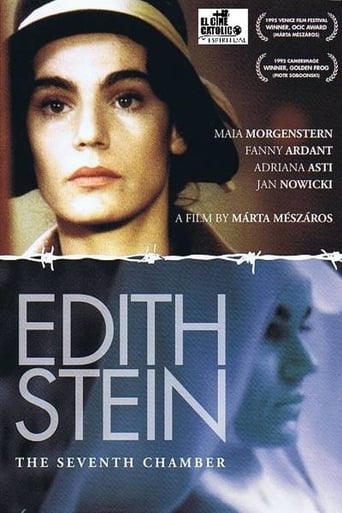 6.5
6.5An expressionist biography of Edith Stein, who converted from the Jewish faith to the Catholic one and became a Carmelite sister. She would die in a German concentration camp.
The Seventh Room
1996
6.5An expressionist biography of Edith Stein, who converted from the Jewish faith to the Catholic one and became a Carmelite sister. She would die in a German concentration camp.
The Seventh Room
1996
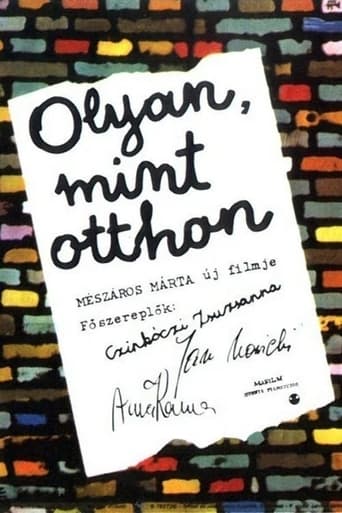 4.7
4.7On his return from America, András simply cannot find his place: he has lost his wife, friends and job, and he cannot even find his way back to his former great love. Eventually, as a surrogate father, he takes in a wild young girl (Zsuzsa Czinkóczi) and a particularly strong bond is formed between these two rootless people. Márta Mészáros’s remarkable movie starring Jan Nowicki and Anna Karina is about displacement, loneliness and attachment.
Just Like at Home
1978
4.7On his return from America, András simply cannot find his place: he has lost his wife, friends and job, and he cannot even find his way back to his former great love. Eventually, as a surrogate father, he takes in a wild young girl (Zsuzsa Czinkóczi) and a particularly strong bond is formed between these two rootless people. Márta Mészáros’s remarkable movie starring Jan Nowicki and Anna Karina is about displacement, loneliness and attachment.
Just Like at Home
1978
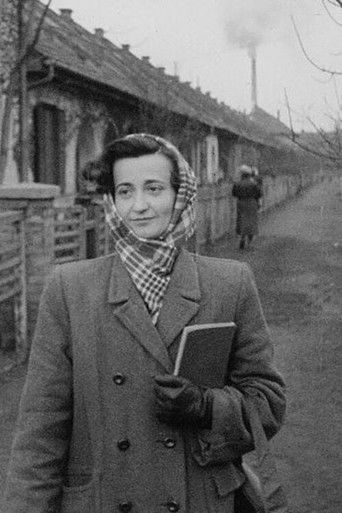 7.0
7.0Short movie by Marta Meszaros
Everyday Stories
1955
7.0Short movie by Marta Meszaros
Everyday Stories
1955
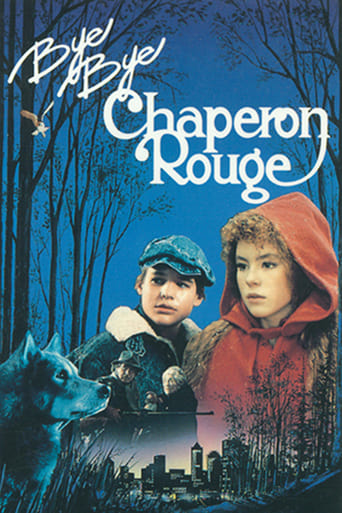 6.0
6.0Fanny lives in the forest with her meteorologist mother. One day on her way across the forest to visit her grandmother and great grandmother, she has three encounters that will change her life forever: an apparently kind and gentle wolf, a city boy and an ornithologist who bears a striking resemblance to the father who long ago abandoned her and her mother.
Bye Bye, Red Riding Hood
1989
6.0Fanny lives in the forest with her meteorologist mother. One day on her way across the forest to visit her grandmother and great grandmother, she has three encounters that will change her life forever: an apparently kind and gentle wolf, a city boy and an ornithologist who bears a striking resemblance to the father who long ago abandoned her and her mother.
Bye Bye, Red Riding Hood
1989
 NR
NRAnthology film made as an act of protest against Hungarian government of Viktor Orban.
Hungary 2011
2012
NRAnthology film made as an act of protest against Hungarian government of Viktor Orban.
Hungary 2011
2012
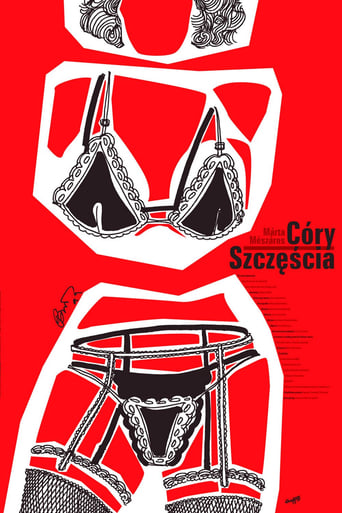 5.1
5.1A story of a mother who had to change her profession from a teacher to a high class prostitute to make a living.
Daughters of Fortune
1999
5.1A story of a mother who had to change her profession from a teacher to a high class prostitute to make a living.
Daughters of Fortune
1999
 NR
NRA documentary short film directed by Márta Mészáros.
Care and Affection
1962
 6.7
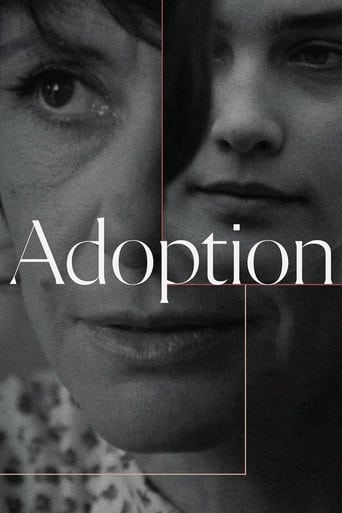
6.7When middle-aged Kata realises that her life will only be complete if she has a baby of her own, her longstanding-but-married boyfriend Joska refuses to comply. But by developing an unlikely friendship with the angst-ridden teenage orphan Anna, who is also involved in a controversial relationship, Kata discovers aspects of herself, and her role as a woman, that have gone unexamined throughout her entire, lonely life.
Adoption
1975
6.7When middle-aged Kata realises that her life will only be complete if she has a baby of her own, her longstanding-but-married boyfriend Joska refuses to comply. But by developing an unlikely friendship with the angst-ridden teenage orphan Anna, who is also involved in a controversial relationship, Kata discovers aspects of herself, and her role as a woman, that have gone unexamined throughout her entire, lonely life.
Adoption
1975
 6.6
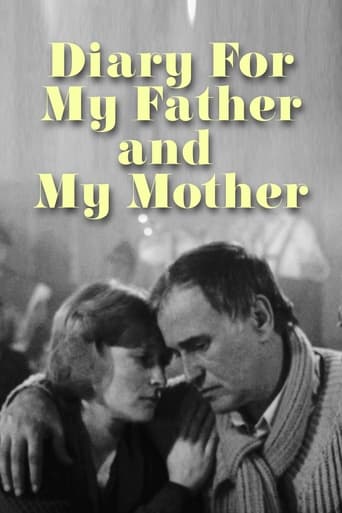
6.6This story follows a young student, who is orphaned as she grows to adulthood in the shadow of the 1956 Hungarian uprising. Coming from the Communist intelligentsia, she sees her friends and family react differently. Her lover, a married factory manager, supports the patriots and later assists fellow workers in staging a strike. Meanwhile her sister and others express anger at being forced from their homes during the revolution and continue to express a hatred for the rebels afterwards. But in the end they realize that for all people, real life is not possible after the revolt and its brutal suppression by the Soviets and their collaborators.
Diary for My Father and My Mother
1990