
Directing
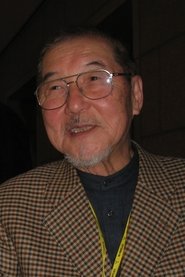
Kihachiro Kawamoto
Born — Died
1925-01-11 — 2010-08-23
Place of birth
Tokyo, Japan
Known for
Directing
Credits
26 titles
Kihachirō Kawamoto (川本 喜八郎) was a Japanese puppet designer and maker, independent film director, screenwriter and animator and president of the Japan Animation Association from 1989, succeeding founder Osamu Tezuka, until his own death. He is best-remembered in Japan as designer of the puppets for the long-running NHK live action television series of the Romance of the Three Kingdoms in the early 1980s and The Tale of the Heike in the 1990s but better-known internationally for his own animated short films, the majority of which are model animation but which also include the cutout animation Tabi and Shijin no Shōgai and mixed media, French-language Farce anthropo-cynique. (Wikipedia)
Known for
 6.0
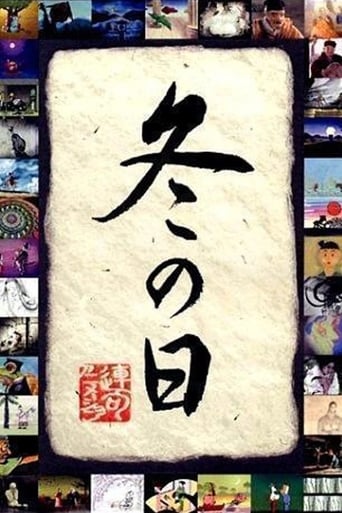
6.0An animated film based on one of the renku (collaborative linked poems) in the 1684 collection of the same name by the 17th-century Japanese poet Bashō. The creation of the film followed the traditional collaborative nature of the source material – the visuals for each of the 36 stanzas were independently created by 35 different animators. As well as many Japanese animators, Kawamoto assembled leading names in animation from across the world. Each animator was asked to contribute at least 30 seconds to illustrate their stanza, and most of the sequences are under a minute (Yuriy Norshteyn's, though, is nearly two minutes long).
Winter Days
2003
 6.4
6.4On her fifteenth birthday the princess finds a diary written by her mother when she was young. The diary tells of the Queen's secret, early love. The Princess goes into the forest to meet her mother's former lover. When she looks into his eyes, she realizes why her mother had fallen in love...
Briar-Rose or the Sleeping Beauty
1990
 9.0
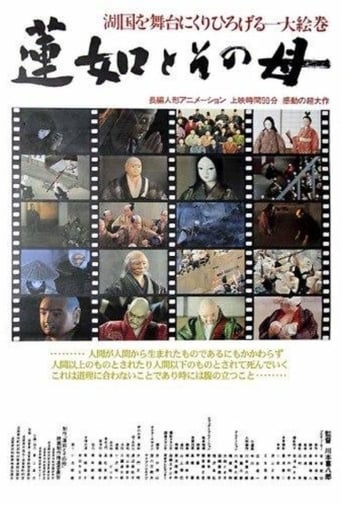
9.0Rennyo was the key figure responsible for the restoration of Shin Buddhism in Japan, in particular the Honganji lineage that had a slump in its fortunes during the Middle Ages. According to the legend, his motivation was a pivotal childhood incident at the age of six when his mother summoned him and told him about his destiny to revive the fortunes of the Honganji school to which he was the next in line. She then mysteriously disappeared from the temple. Taking her words to heart, from a background of great poverty and hardship, at the age of 16 he set out to spread the word across the land.
Rennyo and His Mother
1981
 7.1
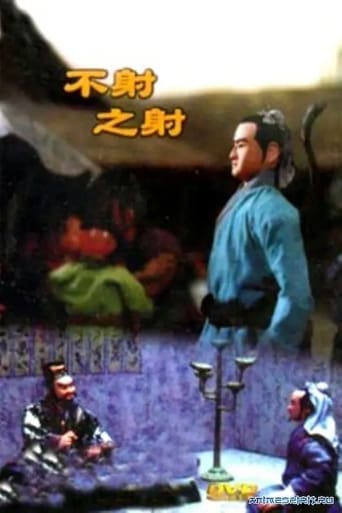
7.1Ji Chang wants to be the best archer in the world. He seeks out a master who is able, at a distance, to shoot a single leaf off a tree. Over several years, the apprentice studies with the master. Finally, after mastering the techniques, as well as his own ambition, he sets off for the mountains, home of a legendary master of archery...
To Shoot Without Shooting
1988
 6.5
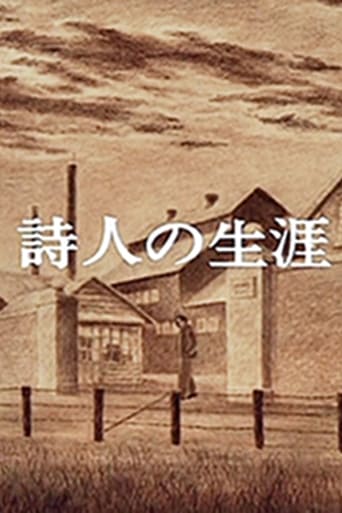
6.5A cautionary tale about workers who are neglected, lose hope, and fade away while businessmen prosper by selling out to foreign countries. As the greed of the businessmen escalates, the economy collapses, and a young man becomes a poet and gives the people hope.
A Poet's Life
1974
 6.1
6.1An animated film compiled by David Ehrlich consisting of 27 animators from different countries all explaining themselves through their animation.
Animated Self-Portraits
1989
Behind the camera
6.0An animated film based on one of the renku (collaborative linked poems) in the 1684 collection of the same name by the 17th-century Japanese poet Bashō. The creation of the film followed the traditional collaborative nature of the source material – the visuals for each of the 36 stanzas were independently created by 35 different animators. As well as many Japanese animators, Kawamoto assembled leading names in animation from across the world. Each animator was asked to contribute at least 30 seconds to illustrate their stanza, and most of the sequences are under a minute (Yuriy Norshteyn's, though, is nearly two minutes long).
Winter Days
2003
6.0An animated film based on one of the renku (collaborative linked poems) in the 1684 collection of the same name by the 17th-century Japanese poet Bashō. The creation of the film followed the traditional collaborative nature of the source material – the visuals for each of the 36 stanzas were independently created by 35 different animators. As well as many Japanese animators, Kawamoto assembled leading names in animation from across the world. Each animator was asked to contribute at least 30 seconds to illustrate their stanza, and most of the sequences are under a minute (Yuriy Norshteyn's, though, is nearly two minutes long).
Winter Days
2003
6.4On her fifteenth birthday the princess finds a diary written by her mother when she was young. The diary tells of the Queen's secret, early love. The Princess goes into the forest to meet her mother's former lover. When she looks into his eyes, she realizes why her mother had fallen in love...
Briar-Rose or the Sleeping Beauty
1990
9.0Rennyo was the key figure responsible for the restoration of Shin Buddhism in Japan, in particular the Honganji lineage that had a slump in its fortunes during the Middle Ages. According to the legend, his motivation was a pivotal childhood incident at the age of six when his mother summoned him and told him about his destiny to revive the fortunes of the Honganji school to which he was the next in line. She then mysteriously disappeared from the temple. Taking her words to heart, from a background of great poverty and hardship, at the age of 16 he set out to spread the word across the land.
Rennyo and His Mother
1981
7.1Ji Chang wants to be the best archer in the world. He seeks out a master who is able, at a distance, to shoot a single leaf off a tree. Over several years, the apprentice studies with the master. Finally, after mastering the techniques, as well as his own ambition, he sets off for the mountains, home of a legendary master of archery...
To Shoot Without Shooting
1988
7.1Ji Chang wants to be the best archer in the world. He seeks out a master who is able, at a distance, to shoot a single leaf off a tree. Over several years, the apprentice studies with the master. Finally, after mastering the techniques, as well as his own ambition, he sets off for the mountains, home of a legendary master of archery...
To Shoot Without Shooting
1988
6.5A cautionary tale about workers who are neglected, lose hope, and fade away while businessmen prosper by selling out to foreign countries. As the greed of the businessmen escalates, the economy collapses, and a young man becomes a poet and gives the people hope.
A Poet's Life
1974
6.5A cautionary tale about workers who are neglected, lose hope, and fade away while businessmen prosper by selling out to foreign countries. As the greed of the businessmen escalates, the economy collapses, and a young man becomes a poet and gives the people hope.
A Poet's Life
1974
6.1An animated film compiled by David Ehrlich consisting of 27 animators from different countries all explaining themselves through their animation.
Animated Self-Portraits
1989
6.1An animated film compiled by David Ehrlich consisting of 27 animators from different countries all explaining themselves through their animation.
Animated Self-Portraits
1989
Dog racing is used as a metaphor for the futility of human existence.
Anthropo-Cynical Farce
1970
 6.3
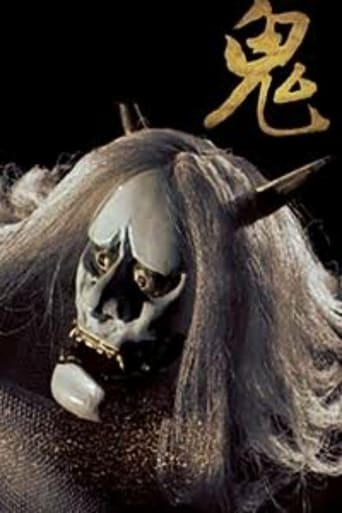
6.3Two brothers, who are both hunters and live with their mother, go to the mountains to set traps for deer. Suddenly, a demon grabs the younger brother. The older brother shoots an arrow, severing the demon's arm, which they plan to take home. But they make a grisly discovery on the journey home.
The Demon
1972
6.3Two brothers, who are both hunters and live with their mother, go to the mountains to set traps for deer. Suddenly, a demon grabs the younger brother. The older brother shoots an arrow, severing the demon's arm, which they plan to take home. But they make a grisly discovery on the journey home.
The Demon
1972
6.3Two brothers, who are both hunters and live with their mother, go to the mountains to set traps for deer. Suddenly, a demon grabs the younger brother. The older brother shoots an arrow, severing the demon's arm, which they plan to take home. But they make a grisly discovery on the journey home.
The Demon
1972
 6.3
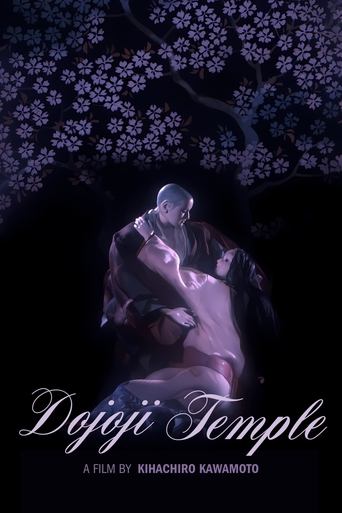
6.3Anchin, a young monk on a pilgrimage with his master, asks the widow Kiyohime to stay the night. The widow falls in love with him but he rejects her, lying that he will return.
Dojoji Temple
1976
6.3Anchin, a young monk on a pilgrimage with his master, asks the widow Kiyohime to stay the night. The widow falls in love with him but he rejects her, lying that he will return.
Dojoji Temple
1976
 6.5
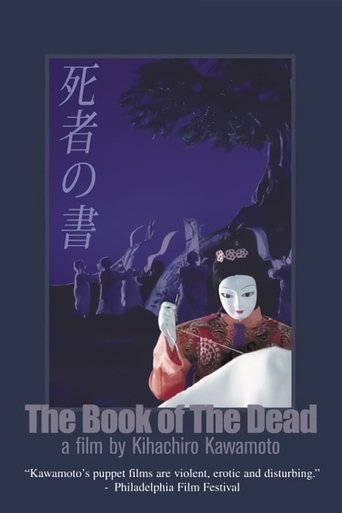
6.5A sheltered aristocratic woman in feudal Japan, bored and unfamiliar with the world outside her estate, passes the time copying a special Buddhist sutra sent by her father who has been absent on official business for years. While gazing out her window one late afternoon, the setting sun creates a vision of a holy figure in the distant mountains.
The Book of the Dead
2005
A short puppet animation from 1957 directed by Tadahito Mochinaga.
Little Black Sambo and his Twin Brother
1957
 5.8
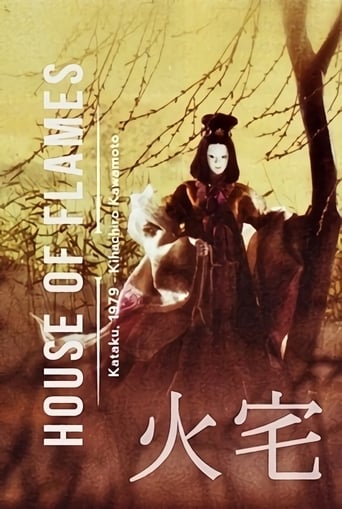
5.8Through puppets and animation, a traveler tells his story of walking through Settsu, coming to the town of Ikuta. He asks if someone can show him the Seeker's Mound. Late that day, a solitary maiden says she will lead him there.
House of Flames
1979
5.8Through puppets and animation, a traveler tells his story of walking through Settsu, coming to the town of Ikuta. He asks if someone can show him the Seeker's Mound. Late that day, a solitary maiden says she will lead him there.
House of Flames
1979
Little Black Sambo was screened at the first Vancouver International Film Festival in 1958, and won the Best Film award in the Films for Children section.
Little Black Sambo versus the Tiger
1956
 5.8
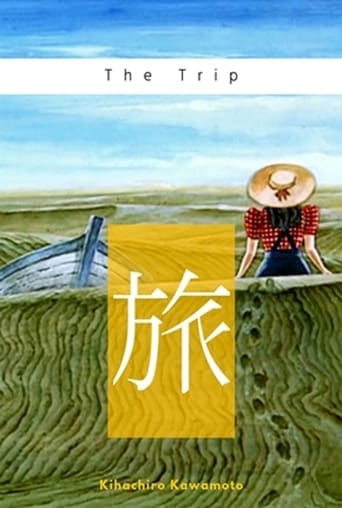
5.8A woman taking a trip encounters a nightmarish landscape juxtaposed against scenes of classical beauty.
The Trip
1973
 NR
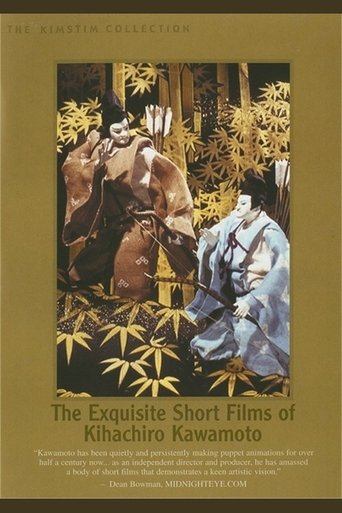
NRThis collection of short films from stop-motion animator Kihachiro Kawamoto traces the arc of his career and the evolution of his craft across countries and decades.
The Exquisite Short Films of Kihachiro Kawamoto
2014
 6.8
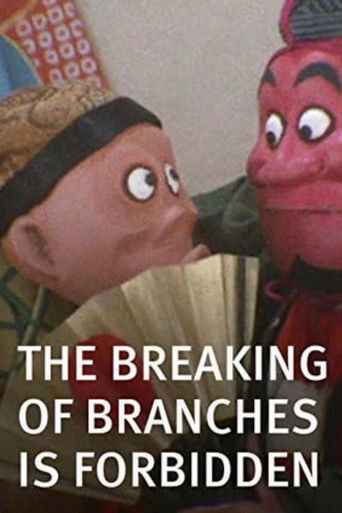
6.8The head monk orders a young acolyte to guard a beautiful cherry tree in the monastery garden while he goes out. But the older man underestimates his colleague’s fondness for sake.
The Breaking of Branches Is Forbidden
1968
6.8The head monk orders a young acolyte to guard a beautiful cherry tree in the monastery garden while he goes out. But the older man underestimates his colleague’s fondness for sake.
The Breaking of Branches Is Forbidden
1968
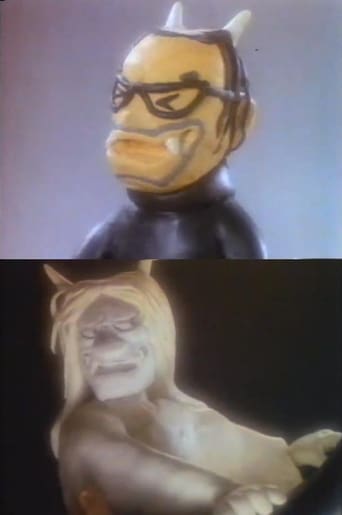 5.7
5.7Kawamoto's animated self-portrait.
Self Portrait
1988