

Acting
Y Sa Lo
Place of birth
Millstatt am See, Austria
Known for
Acting
Credits
15 titles
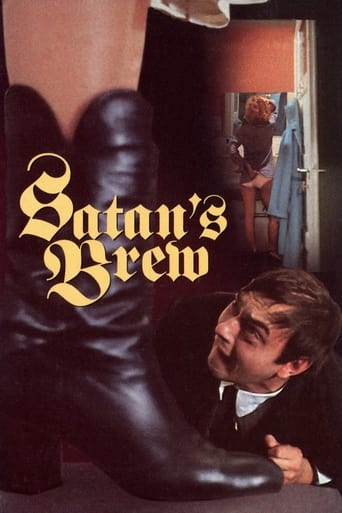
Y Sa Lo was born in 19456 in Millstatt am See, Austria. She is an actress and director, known for Satan's Brew (1976), Ich dachte, ich wär tot (1973) and C'est la vie, Rose (1977).
Known for
 7.5
7.5In late 1920s Berlin, Franz Biberkopf is released from prison and vows to go straight. However, he soon finds himself embroiled in the city’s criminal underworld.
Berlin Alexanderplatz
1980
 5.0
5.0No synopsis available yet.
Direktion City
1976
 6.9
6.9Germany in the autumn of 1957: Lola, a seductive cabaret singer-prostitute exults in her power as a temptress of men, but she wants out—she wants money, property, and love. Pitting a corrupt building contractor against the new straight-arrow building commissioner, Lola launches an outrageous plan to elevate herself in a world where everything, and everyone, is for sale. Shot in childlike candy colors, Fassbinder’s homage to Josef von Sternberg’s classic The Blue Angel stands as a satiric tribute to capitalism.
Lola
1981
 6.6
6.6French sailor Querelle arrives in Brest and starts frequenting a strange whorehouse. He discovers that his brother Robert is the lover of the lady owner, Lysiane. Here, you can play dice with Nono, Lysiane's husband: if you win, you are allowed to make love with Lysiane; if you lose, you have to make love with Nono... Querelle loses on purpose.
Querelle
1982
 7.7
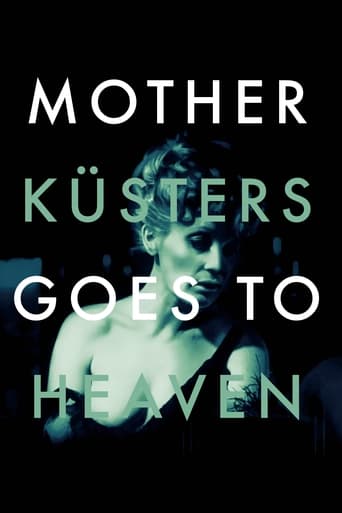
7.7Frau Emma Küsters prepares dinner late one seemingly-ordinary afternoon in her seemingly-ordinary Frankfurt kitchen. She wants to add canned sausages to the stew; her irritating daughter-in-law thinks otherwise. But the point is moot: Ernst Küsters has not only murdered the personnel director at the soap factory where he's employed but succeeded that by committing suicide.
Mother Küsters Goes to Heaven
1975
 6.0
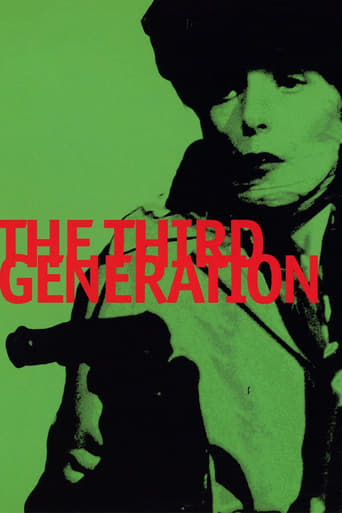
6.0A wildly anarchic satire of guerrilla terrorism in which a band of leftist radicals inadvertently become puppets of the West German government, which uses them to justify its authoritarian policies.
The Third Generation
1979
Film credits
1980s · 3 titles
6.9Germany in the autumn of 1957: Lola, a seductive cabaret singer-prostitute exults in her power as a temptress of men, but she wants out—she wants money, property, and love. Pitting a corrupt building contractor against the new straight-arrow building commissioner, Lola launches an outrageous plan to elevate herself in a world where everything, and everyone, is for sale. Shot in childlike candy colors, Fassbinder’s homage to Josef von Sternberg’s classic The Blue Angel stands as a satiric tribute to capitalism.
Lola
1981
6.6French sailor Querelle arrives in Brest and starts frequenting a strange whorehouse. He discovers that his brother Robert is the lover of the lady owner, Lysiane. Here, you can play dice with Nono, Lysiane's husband: if you win, you are allowed to make love with Lysiane; if you lose, you have to make love with Nono... Querelle loses on purpose.
Querelle
1982
 NR
NRHe Saw Her Burning, which is based on a 1983 performance, is a provocative narrative collage, a surreal juxtaposition of two narrated texts. A man and a woman begin their respective tales: He saw a woman burst into flames on the street; she saw an American soldier go berserk and drive a tank into a crowd. Produced while Jonas was living in Berlin on an artist's fellowship, the disjunctive narratives are pervaded with a sense of cultural dislocation and alienation. The man and woman occupy separate narrative spaces as they tell their stories, which are intercut with a pastiche of word games, narrative reenactments, filmed sequences, isolated gestures and objects. Memory — elusive and ephemeral, personal and collective — is the catalyst for this complex work.
He Saw Her Burning
1983
1970s · 10 titles
7.7Frau Emma Küsters prepares dinner late one seemingly-ordinary afternoon in her seemingly-ordinary Frankfurt kitchen. She wants to add canned sausages to the stew; her irritating daughter-in-law thinks otherwise. But the point is moot: Ernst Küsters has not only murdered the personnel director at the soap factory where he's employed but succeeded that by committing suicide.
Mother Küsters Goes to Heaven
1975
6.0A wildly anarchic satire of guerrilla terrorism in which a band of leftist radicals inadvertently become puppets of the West German government, which uses them to justify its authoritarian policies.
The Third Generation
1979
 5.0
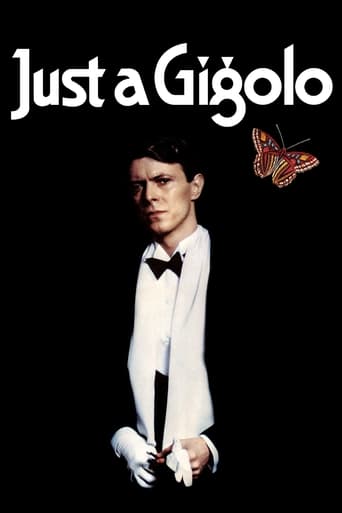
5.0After World War I, a war hero returns to Berlin to find that there's no place for him--he has no skills other than what he learned in the army, and can only find menial, low-paying jobs. He decides to become a gigolo to lonely rich women.
Just a Gigolo
1978
 6.4
6.4A famous poet who hasn't written a word in two years unconsciously plagiarizes the work of Stefan George, while dealing with several mistresses, his dimwitted brother, and a murder investigation.
Satan’s Brew
1976
 6.5
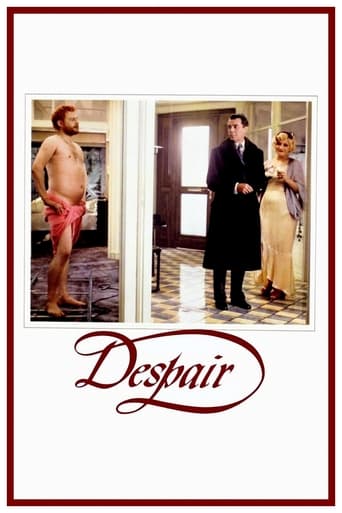
6.5Berlin, 1930, during the rise of Nazism. Hermann Hermann, a Russian emigrant and chocolate manufacturer, married to the capricious Lydia, loses his temper more and more every day when dealing with his workers and other businessmen; until he meets Felix, a vagrant, who seems to be physically identical to him; a disconcerting fact that leads Hermann Hermann to plot a particular way out of a fake world he actually hates.
Despair
1978
 8.0
8.0No synopsis available yet.
Meine Sorgen möcht' ich haben
1975
 9.0
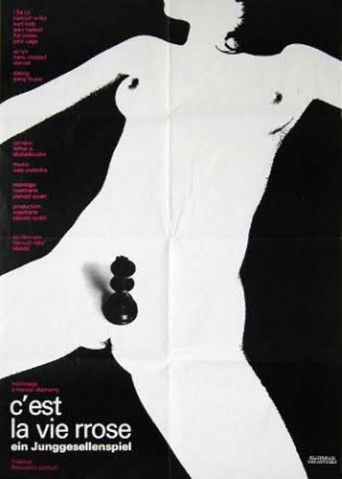
9.0Rosy Selavy arrives in New York, with her chessboard under her arm. occupying Duchamp's place at the Washington Square chess table (where he converses with the composer John Cage) later invites his suitors to a game. Rosy comes in contact with John Cage, with Broadway star Jean Halbert, with French singer Janet Maillard and Soho artist Hannah Wilke, before embarking on a long journey across the country, where she meets Mary Jane Collins , singer of Memphis Blues' stumbles upon a colony of Puritans, meets some hippies in the Far West, being finally raped and murdered on a beach in Los Angeles by psychiatrist Hal James.
A Rose: That's What Life Is All About
1977
 7.0
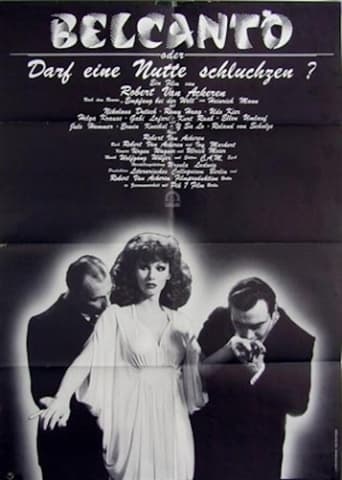
7.0An unsuccessful artistic director tries to raise money for a new opera house at a gala with celebrities from the worlds of culture and finance (and thus secure his own career) - an attempt that fails miserably.
Bel Canto or May a Hooker Sob?
1977
 3.2
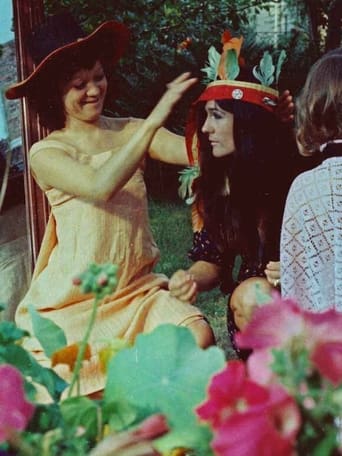
3.217-year-old Carolin, who doesn't think she can cope with the demands of her parents, boss and friends, attempts suicide - but fails.
Ich dachte, ich wäre tot
1973
 3.0
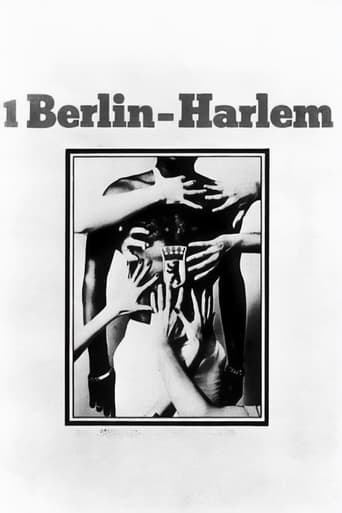
3.0An African-American GI retires from the US Army in West Berlin to live with his white girlfriend, who already has a baby with another black man. After an argument with her family, she deserts him as well. Despite finding a job and a new place to live, he keeps running into racism, which also manifests itself in sexual intimidation.
1 Berlin-Harlem
1974