
Known for
"Dzieje Grzechu" is considered to be the first polish feature film, based on the Stefan Żeromski's novel of the same title. No copies of the film have survived.
Story of Sin
1911
No synopsis available yet.
Zaczarowane koło
1915
No synopsis available yet.
Sąd Boży
1911
 NR
Robert Skalski passionately confesses Ludwice's love and begs her to marry him. The girl resists because she does not want to conflict with her uncle and aunt who raised her.
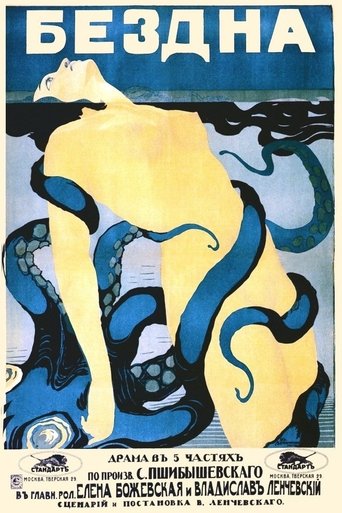
The Abyss
1917
The village clerk, Zołzikiewicz, sets his sights on Rzepowa, a beautiful but unattainable woman. He arranges for her drunken husband, unaware of what he is doing, to sign a declaration agreeing to serve in the army in place of the village headman’s son. Left alone with her child, Rzepowa faces poverty and the threat of Zołzikiewicz’s advances. Desperate for understanding and help, she turns to the court, the local authorities, the priest, the manor, and the district authorities. Finding help nowhere, she eventually gives herself to Zołzikiewicz, who has promised to destroy Rzepa’s signed declaration in return. He breaks his promise, however. Desperate and enraged, Rzepa kills his wife and sets fire to the manor house. The film has not survived.
The Bloody Fate
1912
Film credits
1910s · 5 titles
"Dzieje Grzechu" is considered to be the first polish feature film, based on the Stefan Żeromski's novel of the same title. No copies of the film have survived.
Story of Sin
1911
No synopsis available yet.
Zaczarowane koło
1915
No synopsis available yet.
Sąd Boży
1911
NRRobert Skalski passionately confesses Ludwice's love and begs her to marry him. The girl resists because she does not want to conflict with her uncle and aunt who raised her.
The Abyss
1917
The village clerk, Zołzikiewicz, sets his sights on Rzepowa, a beautiful but unattainable woman. He arranges for her drunken husband, unaware of what he is doing, to sign a declaration agreeing to serve in the army in place of the village headman’s son. Left alone with her child, Rzepowa faces poverty and the threat of Zołzikiewicz’s advances. Desperate for understanding and help, she turns to the court, the local authorities, the priest, the manor, and the district authorities. Finding help nowhere, she eventually gives herself to Zołzikiewicz, who has promised to destroy Rzepa’s signed declaration in return. He breaks his promise, however. Desperate and enraged, Rzepa kills his wife and sets fire to the manor house. The film has not survived.
The Bloody Fate
1912