
Sound
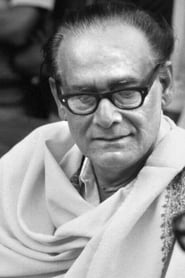
Hemanta Mukherjee
Born — Died
1920-06-16 — 1989-09-26
Place of birth
Varanasi, British Raj [now India]
Known for
Sound
Credits
5 titles
Hemanta Mukherjee also known as Hemant Kumar (16 June 1920 – 26 September 1989); was an Indian music director and singer who sang in Bengali, Hindi and other Indian languages. He was an artist of Rabindra Sangeet. He won two National awards for the category best male playback singer.
Known for
 9.0
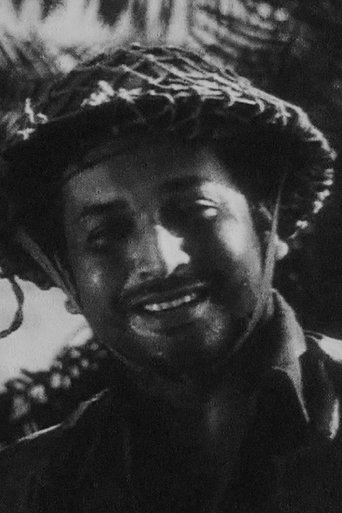
9.0The film brings to the screen the determination of the common man of Bangladesh to stand up to tyranny and win his priceless liberty back.
Where the River Padma Flows
1971
 8.3
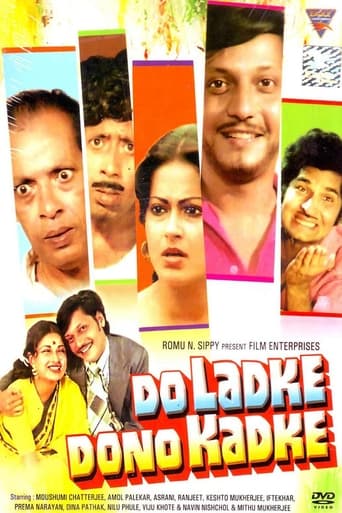
8.3Two hapless petty thieves find themselves embroiled in a kidnapping when they decide to break into a house on the very same night that two dim-witted kidnappers plan to abduct the child who lives there.
Do Ladke Dono Kadke
1979
 8.0
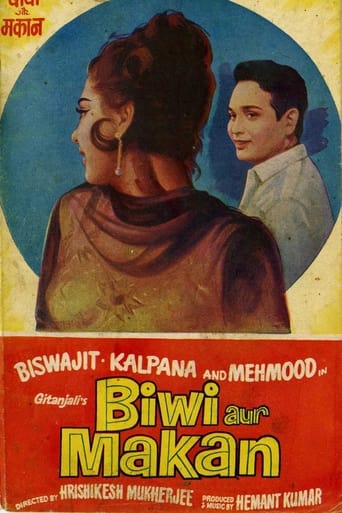
8.0Four young men re-locate from a village in India, to a big city. While attempting to access accomodation, they are repeatedly told that rooms will only be rented to married couples, not to bachelors. Frustrated at this, two of them disguise themselves as women, and pose as wives for the other two males. They are able to secure accomodation with the Mishra family. Complications arise when the two "women" fall in love with Mishra's two lovely daughters - with results that can only be described as hilarious.
Biwi Aur Makan
1966
 4.3
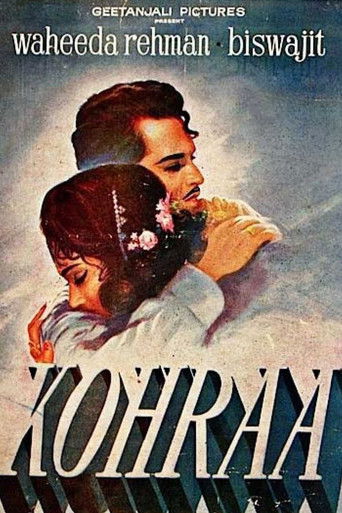
4.3A frightened second wife, a guilt-ridden widower, and a servant still devoted to her former mistress — all three tormented by the memory of a dead woman whose spirit appears to roam the corridors of the mansion they all reside in.
Kohraa
1964
 8.0
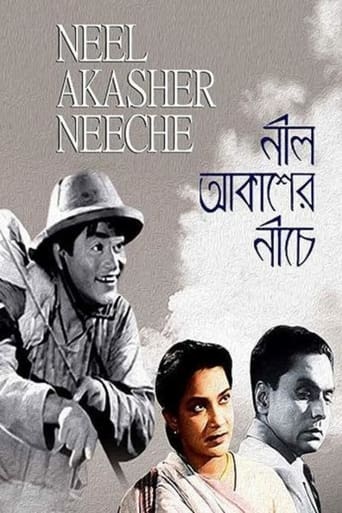
8.0Set in the turbulent 1930s, this is the story of a poor Chinese hawker selling his merchandise, Chinese silk, in the streets of Calcutta. This was the time when China was repulsing a brutal attack of militarist Japan and when an outraged Rabindranath Tagore wrote to his friend in Japan, the great poet Noguchi: “I wish your countrymen, whom I love so much, not success but remorse”. This film holds the dubious distinction of being the first to be banned (though temporarily) in independent India.
Under the Blue Sky
1959
Film credits
Behind the camera
8.3Two hapless petty thieves find themselves embroiled in a kidnapping when they decide to break into a house on the very same night that two dim-witted kidnappers plan to abduct the child who lives there.
Do Ladke Dono Kadke
1979
8.0Four young men re-locate from a village in India, to a big city. While attempting to access accomodation, they are repeatedly told that rooms will only be rented to married couples, not to bachelors. Frustrated at this, two of them disguise themselves as women, and pose as wives for the other two males. They are able to secure accomodation with the Mishra family. Complications arise when the two "women" fall in love with Mishra's two lovely daughters - with results that can only be described as hilarious.
Biwi Aur Makan
1966
4.3A frightened second wife, a guilt-ridden widower, and a servant still devoted to her former mistress — all three tormented by the memory of a dead woman whose spirit appears to roam the corridors of the mansion they all reside in.
Kohraa
1964
8.0Set in the turbulent 1930s, this is the story of a poor Chinese hawker selling his merchandise, Chinese silk, in the streets of Calcutta. This was the time when China was repulsing a brutal attack of militarist Japan and when an outraged Rabindranath Tagore wrote to his friend in Japan, the great poet Noguchi: “I wish your countrymen, whom I love so much, not success but remorse”. This film holds the dubious distinction of being the first to be banned (though temporarily) in independent India.
Under the Blue Sky
1959