
Writing
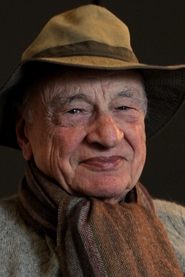
Edgar Morin
Born
1921-07-08 (105)
Place of birth
Paris, France
Known for
Writing
Credits
20 titles
Edgar Morin (born Edgar Nahoum; 8 July 1921) is a French philosopher and sociologist of the theory of information who has been recognized for his work on complexity and "complex thought" (pensée complexe), and for his scholarly contributions to such diverse fields as media studies, politics, sociology, visual anthropology, ecology, education, and systems biology. As he explains: He holds two bachelors: one in history and geography and one in law. He never did a Ph.D. Though less well known in the anglophone world due to the limited availability of English translations of his over 60 books, Morin is renowned in the French-speaking world, Europe, and Latin America. During his academic career h…
Known for
 8.5
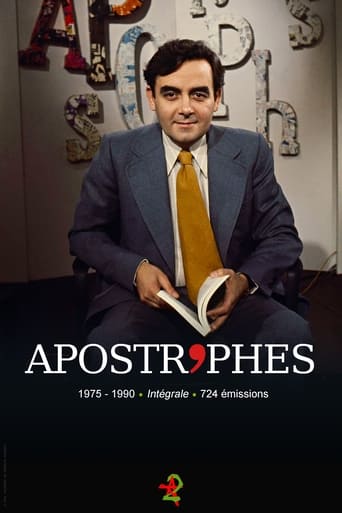
8.5Apostrophes was a live, weekly, literary, prime-time, talk show on French television created and hosted by Bernard Pivot. It ran for fifteen years (724 episodes) from January 10, 1975, to June 22, 1990, and was one of the most watched shows on French television (around 6 million regular viewers). It was broadcast on Friday nights on the channel France 2 (which was called "Antenne 2" from 1975 to 1992). The hourlong show was devoted to books, authors and literature. The format varied between one-on-one interviews with a single author and open discussions between four or five authors.
Apostrophes
1975
 7.2
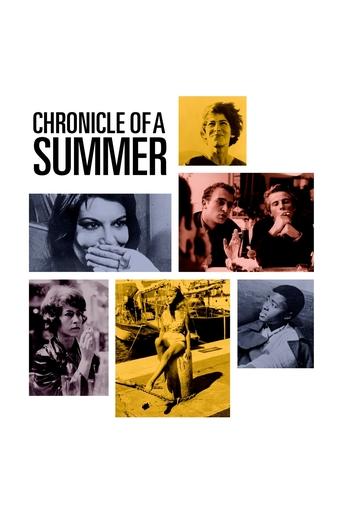
7.2Paris, summer 1960. Anthropologist and filmmaker Jean Rouch and sociologist and film critic Edgar Morin wander through the crowded streets asking passersby how they cope with life's misfortunes.
Chronicle of a Summer
1961
 8.7
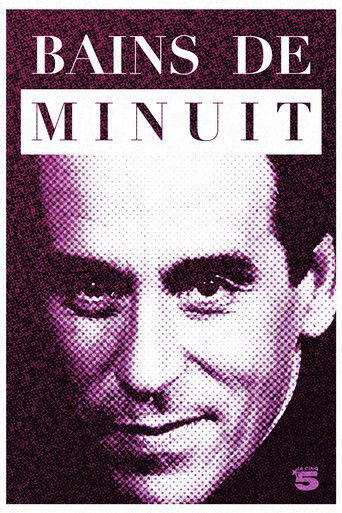
8.7"Bains de minuit" (Midnight Baths) was a late-night talk show hosted by Thierry Ardisson on La Cinq in the late 1980s, filmed in the famous Parisian nightclub Les Bains Douches. Ardisson interviewed personalities from the worlds of music, film, fashion, literature, sports, and politics, seated among the audience in the club's authentic atmosphere. The concept was to immerse these personalities in the world of nightlife and festivities, far removed from traditional television studios. The interviews were often irreverent and direct, with a provocative tone that would become Ardisson's trademark. He considers this show one of his freest and most audacious creations. It helped solidify his image as a cosmopolitan, transgressive, and highly scripted late-night talk show host.
Bains de Minuit
1987
 7.0
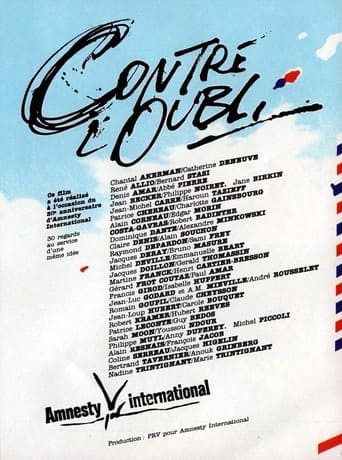
7.0A compilation of 30 French filmmakers, Alain Resnais and Jean Luc Godard among them, who use film to make a plea on behalf of a political prisoner. Jean Luc Godard and Anne Marie Mieville's film concerns the plight of Thomas Wanggai, West Papuan activist who has since died in prison. The short films were commissioned by Amnesty International.
Lest We Forget
1991
 8.0
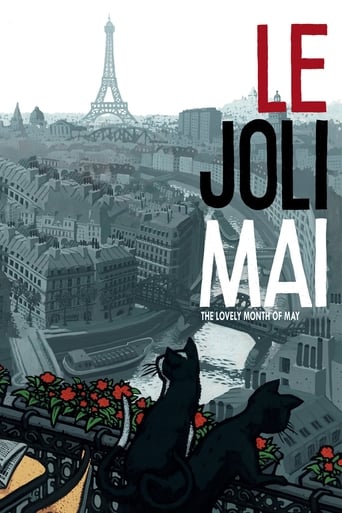
8.0Candid interviews of ordinary people on the meaning of happiness, an often amorphous and inarticulable notion that evokes more basic and fundamentally egalitarian ideals of self-betterment, prosperity, tolerance, economic opportunity, and freedom.
The Lovely Month of May
1963
 6.0
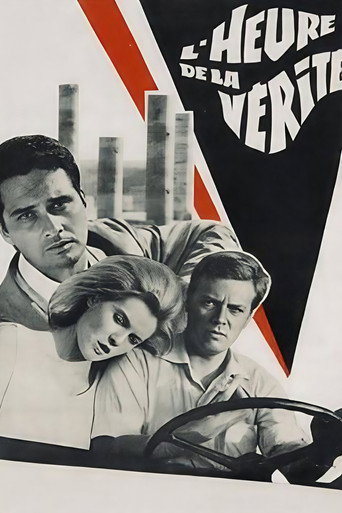
6.0At the end of World War 2, a Nazi escapes arrest by assuming the identity of concentration camp victim. 20 years later, he is threatened with exposure. The only way out would seem to be murder. Hour of Truth was lensed largely on location in Israel.
The Hour of Truth
1965
Film credits
2020s · 2 titles
 NR
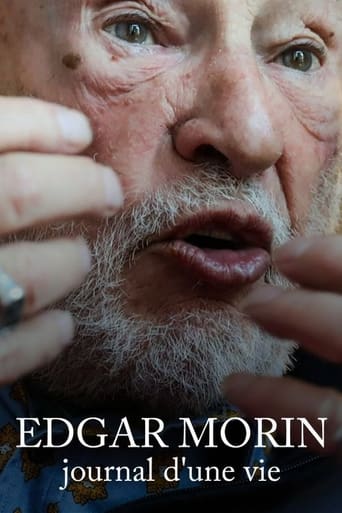
NRA philosopher of complexity, Edgar Morin has renewed the figure of the intellectual. Born Edgar Nahoum in Paris in 1921, he joined the Communist Resistance in 1942, where he adopted the pseudonym Morin, which he never abandoned. Author of about a hundred books, doctor "honoris causa" of about forty universities in the world, he never stopped promoting human brotherhood.
Edgar Morin, journal d'une vie
2021
 4.8
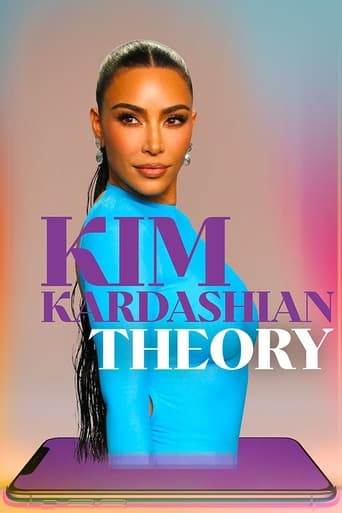
4.8Kim Kardashian is the embodiment of our times. She's a total social figure. To analyze her is to talk about ourselves, our relationship with social networks, capitalism and aesthetic standards. Through the eyes of journalists Nesrine Slaoui and Guillaume Erner, this film proposes a theory in the zeitgeist, crossed by questions of race and gender. Journalist and sociologist Guillaume Erner wonders why Kim Kardashian is the most followed woman in the world on social networks "when she does nothing". With the help of journalist and director Nesrine Slaoui, he paints a portrait of this "total social character", who is famous because of... her fame. Fashion icon, star of a never-ending reality TV family saga, savvy businesswoman, future lawyer and activist outraged by the state of American prisons, the beautiful Kim, who is said to be tempted by a political destiny, is in fact not idle at all...
Kim Kardashian Theory
2024
2010s · 7 titles
 10.0
10.0Football is both the place, the crystallization of sporting passion and the witness of identity imaginations. It is also an interesting and relevant area for discussing the migration issue. From the 1930s to the present day, football, notably with the composition of the French team, has reflected the plurality of the French population. Raymond Kopa, Michel Platini, Zinedine Zidane, Basile Boli... these four footballers alone illustrate the four major waves of immigration that France has experienced.
Football And Immigration, 100 Years Of Common History
2014
 10.0
10.0No synopsis available yet.
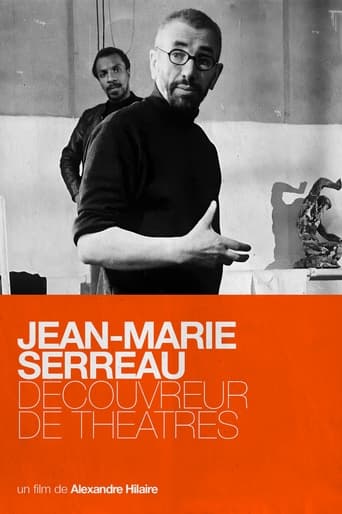
Jean-Marie Serreau, découvreur de théâtres
2016
 6.5
6.5No synopsis available yet.
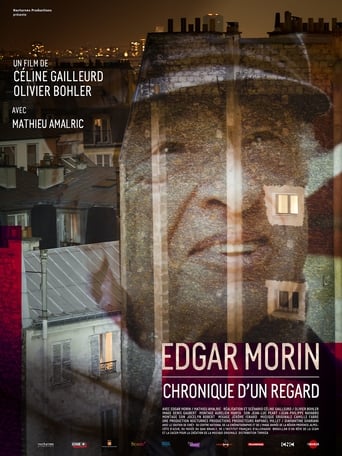
Edgar Morin, chronique d'un regard
2015
 NR
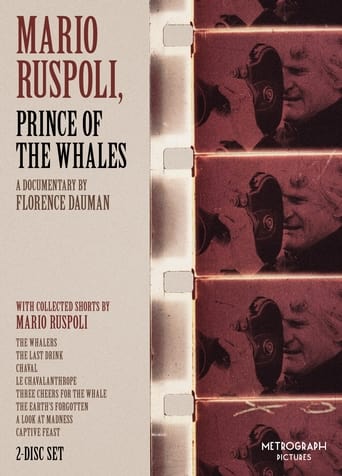
NRColleagues, friends and specialists pay tribute to the filmmaker Mario Ruspoli in a portrait that mixes encounters, archive images and film excerpts. With testimonies from Richard Leacock, Albert Maysles, Edgar Morin, D.A. Pennebaker and others.
Mario Ruspoli, Prince of the Whales
2011
 7.0
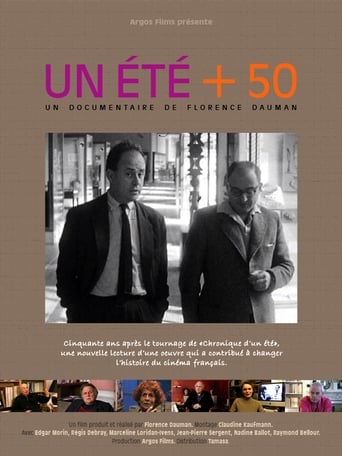
7.0A seventy-five-minute documentary featuring outtakes from "Chronicle of a Summer" (1961), along with new interviews with co-director Edgar Morin and some of the film’s participants.
Un été + 50
2011
 4.5
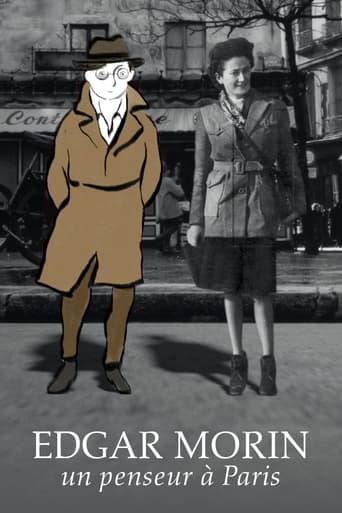
4.5No synopsis available yet.
Edgar Morin, un penseur à Paris
2019
 NR
NRAlain de Botton, Edgar Morin, Fredric Jameson, Mohsen Makhmalbaf, and Orhan Pamuk converse with Brazilian thinkers and artists, creating a dialogue based on their theories and constructing a reflection on identity in the contemporary world.
Encontros e Dissonâncias
2012

1990s · 2 titles
7.0A compilation of 30 French filmmakers, Alain Resnais and Jean Luc Godard among them, who use film to make a plea on behalf of a political prisoner. Jean Luc Godard and Anne Marie Mieville's film concerns the plight of Thomas Wanggai, West Papuan activist who has since died in prison. The short films were commissioned by Amnesty International.
Lest We Forget
1991
 10.0
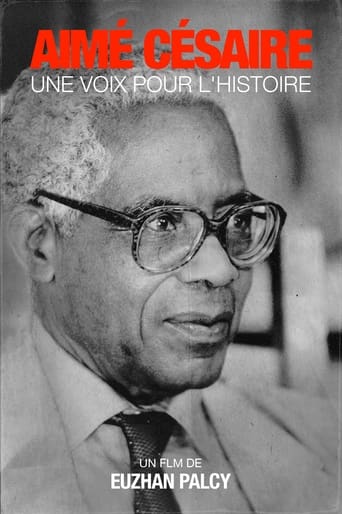
10.0A three-part study that introduces audiences to the celebrated Martinican author Aimé Césaire, who coined the term "négritude" and launched the movement called the "Great Black Cry".
Aimé Césaire: A Voice for History
1995
1960s · 2 titles
7.2Paris, summer 1960. Anthropologist and filmmaker Jean Rouch and sociologist and film critic Edgar Morin wander through the crowded streets asking passersby how they cope with life's misfortunes.
Chronicle of a Summer
1961
8.0Candid interviews of ordinary people on the meaning of happiness, an often amorphous and inarticulable notion that evokes more basic and fundamentally egalitarian ideals of self-betterment, prosperity, tolerance, economic opportunity, and freedom.
The Lovely Month of May
1963
Series credits
8.5Apostrophes was a live, weekly, literary, prime-time, talk show on French television created and hosted by Bernard Pivot. It ran for fifteen years (724 episodes) from January 10, 1975, to June 22, 1990, and was one of the most watched shows on French television (around 6 million regular viewers). It was broadcast on Friday nights on the channel France 2 (which was called "Antenne 2" from 1975 to 1992). The hourlong show was devoted to books, authors and literature. The format varied between one-on-one interviews with a single author and open discussions between four or five authors.
Apostrophes
1975
8.7"Bains de minuit" (Midnight Baths) was a late-night talk show hosted by Thierry Ardisson on La Cinq in the late 1980s, filmed in the famous Parisian nightclub Les Bains Douches. Ardisson interviewed personalities from the worlds of music, film, fashion, literature, sports, and politics, seated among the audience in the club's authentic atmosphere. The concept was to immerse these personalities in the world of nightlife and festivities, far removed from traditional television studios. The interviews were often irreverent and direct, with a provocative tone that would become Ardisson's trademark. He considers this show one of his freest and most audacious creations. It helped solidify his image as a cosmopolitan, transgressive, and highly scripted late-night talk show host.
Bains de Minuit
1987
 NR
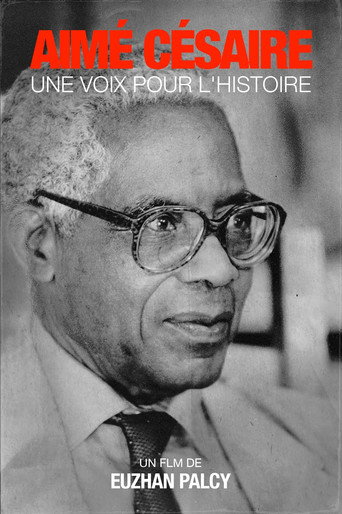
NRA three-part study that introduces audiences to the celebrated Martinican author Aimé Césaire, who coined the term "négritude" and launched the movement called the "Great Black Cry".
Aimé Césaire: A Voice for History
1995
Behind the camera
7.2Paris, summer 1960. Anthropologist and filmmaker Jean Rouch and sociologist and film critic Edgar Morin wander through the crowded streets asking passersby how they cope with life's misfortunes.
Chronicle of a Summer
1961
7.0A compilation of 30 French filmmakers, Alain Resnais and Jean Luc Godard among them, who use film to make a plea on behalf of a political prisoner. Jean Luc Godard and Anne Marie Mieville's film concerns the plight of Thomas Wanggai, West Papuan activist who has since died in prison. The short films were commissioned by Amnesty International.
Lest We Forget
1991
6.0At the end of World War 2, a Nazi escapes arrest by assuming the identity of concentration camp victim. 20 years later, he is threatened with exposure. The only way out would seem to be murder. Hour of Truth was lensed largely on location in Israel.
The Hour of Truth
1965