
Acting
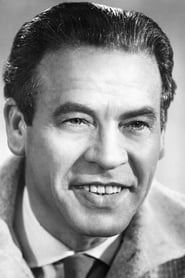
Harry Hindemith
Born — Died
1906-06-16 — 1973-01-21
Place of birth
Bruxelles, Belgium
Known for
Acting
Credits
66 titles
Harry Hindemith (16 June 1906 – 21 January 1973) was a German actor. He appeared in more than eighty films from 1944 to 1973. Source: Article "Harry Hindemith" from Wikipedia in English, licensed under CC-BY-SA.
Known for
No synopsis available yet.
Sankt Urban
1969
 9.0
9.0No synopsis available yet.
Rendezvous mit unbekannt
1969
 9.0
9.0No synopsis available yet.
Krupp und Krause
1969
 7.2
7.2In 19th century France, Jean Valjean, a man imprisoned for stealing bread, must flee a relentless policeman named Javert. The pursuit consumes both men's lives, and soon Valjean finds himself in the midst of the student revolutions in France.
Les Misérables
1958
 10.0
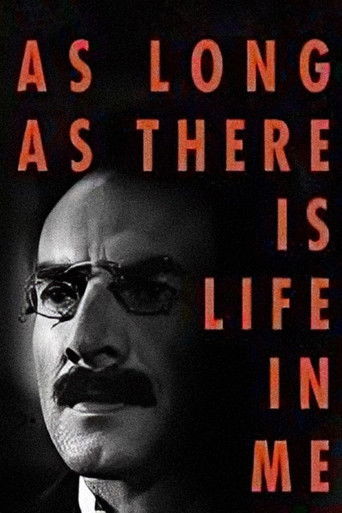
10.0This is part one of a two-part biopic about Karl Liebknecht. In 1914, Germany is arming itself for war. Karl Liebknecht, left-wing revolutionary Social Democrat, workers’ leader and a virulent antimilitarist, is one among 110 SPD members of Parliament who vote against approving war loans. From then on, he is considered un-German and a traitor to the fatherland, and his own party’s leadership turns against him. Despite threats, Liebknecht speaks up against the war and writes the manifesto “The Main Enemy Is at Home.” Even when he is arrested and charged with treason, he does not surrender.
As Long as There’s Life in Me
1965
 10.0
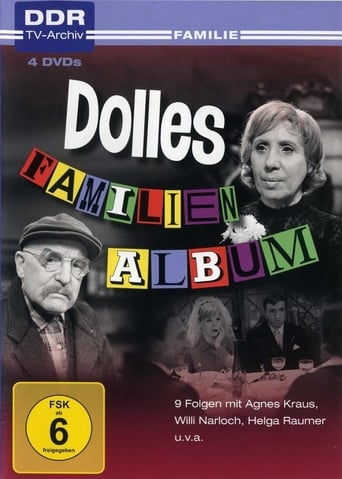
10.0No synopsis available yet.
Dolles Familienalbum
1969
Film credits
1970s · 6 titles
 8.0
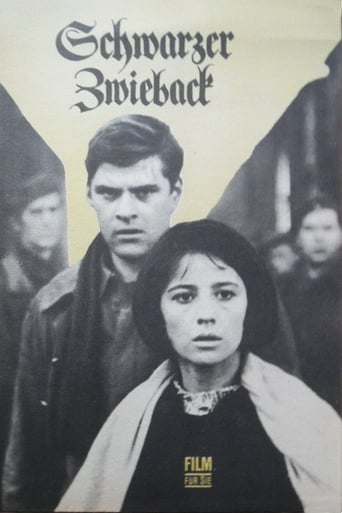
8.0The November Revolution of 1918 in Germany, famine and social upheaval evoke a response from the young Soviet government in Russia. To provide food assistance, trains with bread are being formed. One of them, on the personal instructions of V.I. Lenin is accompanied by the young revolutionary Tatyana . On the way, she meets a former German prisoner of war, Kurt . A romantic relationship arises between them. The train with bread, despite all the difficulties, was delivered. In a clash with a detachment of counter-revolutionary German troops, Tatyana was wounded. She returns to Moscow, and Kurt goes to Berlin to continue the revolutionary struggle.
Black Rusks
1972
 7.2
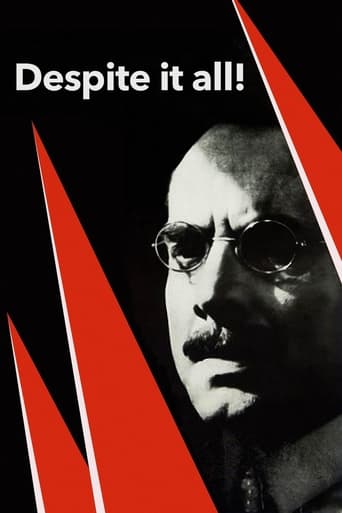
7.2October 1918: Karl Liebknecht is released from prison and Berlin workers celebrate his release. Although WWI is almost over, the German Kaiserreich in vain sends its last reserves to the slaughter. The working class is in a rebellious mood; the uprising of Kiel’s sailors against war and militarism sets off a call for revolution led by Liebknecht. On November 9, Liebknecht declares the Free Socialist Republic of Germany. But pro-Kaiser military and right wing Social Democrats oppose him.
Despite It All!
1972
 10.0
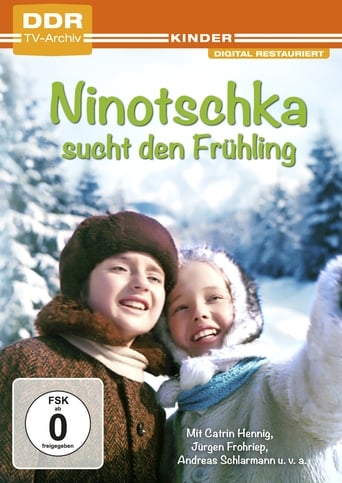
10.0An aviator major who is staying in a tranquil spa town for recreation notices that the daughter of the station sister and the grandson of the caretaker cannot tolerate. Through his patient empathy, he succeeds in making Ninotchka and Waljerka friends. When the officer gets seriously ill, only a spring messenger can give him new strength. Both children want to grow a tulip from a bulb together. Her unshakable faith in it and the childlike naive confidence convey the major new courage to life.
Ninotschka sucht den Frühling
1973
 6.1
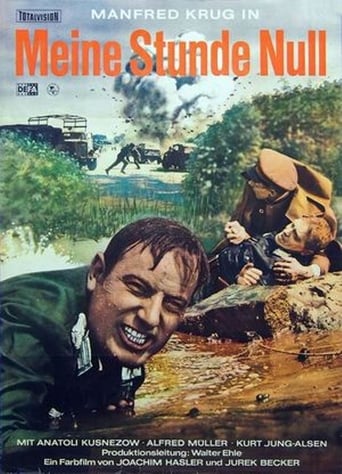
6.1Germany in 1943. The Berlin worker Klaus Hartung is deployed as a soldier to the Eastern front during World War II. During a tour, he is captured by a Russian patrol. While in captivity, Hartung comes to the conclusion that he has to come through and actively take part in the effort to end the war. He consents to abduct a German officer together with two Russian soldiers. During their adventurous mission, the men who at first had been enemies, become sincere friends.
My Zero Hour
1970
No synopsis available yet.
Der Adjutant
1972
No synopsis available yet.
Staub und Rosen
1970
1960s · 26 titles
10.0This is part one of a two-part biopic about Karl Liebknecht. In 1914, Germany is arming itself for war. Karl Liebknecht, left-wing revolutionary Social Democrat, workers’ leader and a virulent antimilitarist, is one among 110 SPD members of Parliament who vote against approving war loans. From then on, he is considered un-German and a traitor to the fatherland, and his own party’s leadership turns against him. Despite threats, Liebknecht speaks up against the war and writes the manifesto “The Main Enemy Is at Home.” Even when he is arrested and charged with treason, he does not surrender.
As Long as There’s Life in Me
1965
 6.2
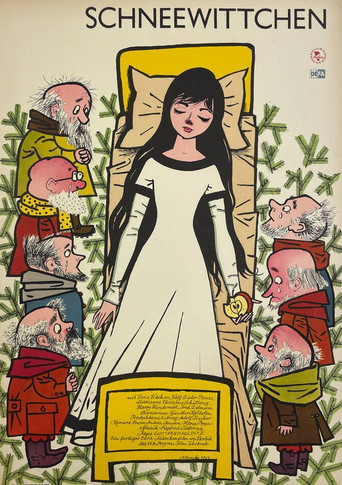
6.2Hated by her jealous and bloodthirsty stepmother, Snow White flees a murder attempt and seeks shelter in the woods with seven kindly dwarfs. Feeling she is safe from harm, Snow White welcomes the disguised queen into her home...with fatal consequences.
Snow White
1961
 7.0
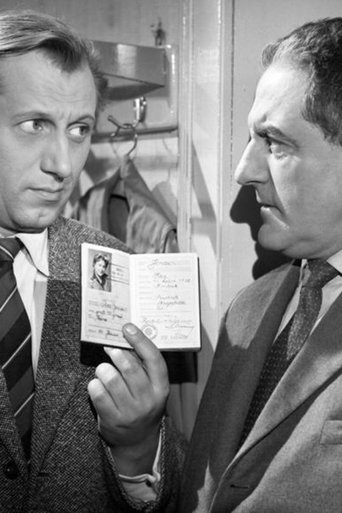
7.0After participating in more than 100,000 euthanasia crimes during the Nazi era, the former SS psychiatrist and physician Dr. Werner Heyde leads an unmolested life in West Germany after the war under a false name ("Fritz Sawade"). With the help of confidants, he manages to get a job as a medical expert. His true identity remains in the dark for many years. His wife has him declared dead and draws the pension of a psychology professor's widow. After remaining unidentified for ten years, Dr. Heyde is unmasked and arrested one day and found dead in his cell shortly before the start of the trial. The film plot is based on the authentic case of Dr. Werner Heyde.
Bonner Pitaval - Die Affäre Heyde-Sawade
1963
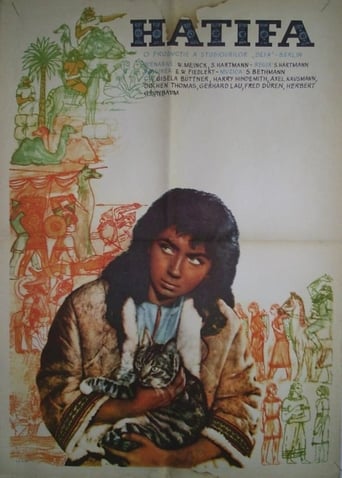 8.0
8.0Hatifa is tired of her difficult fate and escapes from the place of her enslavement, a quarry in the desert. There she wanders around in freedom, but ultimately helpless, without water or food. Shortly before dying of thirst, she is saved by the sage Simsal, who is traveling with a caravan of the merchant Ganem. Hatifa quickly makes many friends, including the young servant Hodja. Only to him she confides her secret. The girl had to keep the fact that she was a slave to herself. After all, anyone who helps escaped slaves is mercilessly threatened with the death penalty. Out of consideration for the caravan, they both flee, but are soon picked up by Ganem. When he realizes that he can make a lot of money with Hatifa, he sells her again to a quarry.
Hatifa
1960
 7.4
7.4High-school senior Peter considers the adults around him to be hypocritical, self-congratulatory, and immersed in the past. He gets suspended for writing an essay that his teachers consider to be a challenge to the state. Just Don't Think I'll Cry became one of twelve films and film projects-almost an entire year's production-that were banned in 1965-1966 due to their alleged anti-socialist aspects. Although scenes and dialogs were altered and the end was reshot twice, officials condemned this title as "particularly harmful." In 1989, cinematographer Ost restored the original version, and this and most of the other banned films were finally screened in January 1990. Belatedly, they were acclaimed as masterpieces of critical realism.
Just Don't Think I'll Cry
1965
 7.0
7.0Co-pilot Horst Schubert is a braggart and a true Don Juan. Thus, he tells young Ilse that he is in fact an "aircraft commander". This assertion brings about an embarrassing situation, for he suddenly meets her onboard his new work place, an IL-14 charter plane where Ilse acts as a stewardess. It gets worse, however: During a stop in Varna the police appear because Horst’s former lover Madelon has vanished. At home, meanwhile, his landlady has her hands full with her lodger’s current and former playmates. Ilse decides to put an end to this mixup and since the dull captain of the plane, Richard, makes no move to confront his co-pilot about his unstable private life, the smart stewardess appeals to the rest of the crew to help her teach Horst a few lessons in love.
Die Liebe und der Co-Pilot
1961
East German short film
Der Rote November lebt
1968
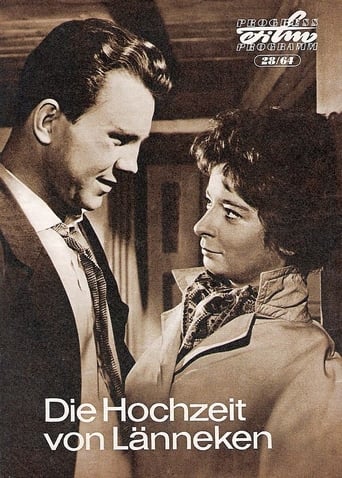 9.0
9.0The little island of Laenneken is a place where time seems to stands still. Traditional customs and age-old power relations are still in place and are unaffected by modern-day influences. Not even the foundation of a fishery cooperative has diminished the power of the two richest fishermen, Pröpping and Grabe. Both men have been bitter rivals for ages. Nevertheless, Grabe’s son Henning and Pröpping’s daughter Bärbel prepare to break with the traditions that restrict their lives, as they are had over heels in love with each other and want to marry.
Die Hochzeit von Länneken
1964
In the Jim-Crow South, Val Xavier is a bass-playing drifter who retains a wild, compassionate spirit amid neon-lit decay. Nicknamed “Snake Skin” for his animal-hide jacket, Val seeks to shed the emptiness of wealthy nightclubs and, after turning thirty, yearns for a modest, purposeful life grounded in honest work.
Orpheus steigt herab
1965
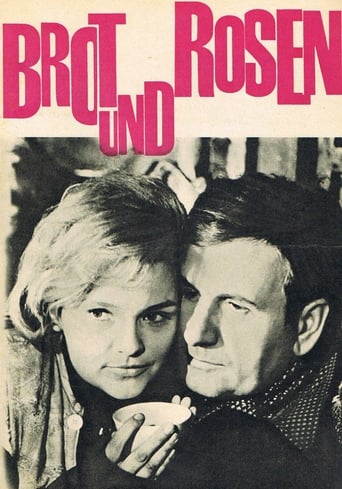 10.0
10.0At the VII Party Congress of the SED, a delegate tells a reporter his life story: 18-year-old returning soldier Georg Lendau ends up in a small village in 1945. He is starving and sick. Mayor Kallam helps. Later, they meet again; Kallam is now the director of a heavy engineering company. He gives Georg, who is a lathe operator, work. But Kallam has more plans for him and wants to send him to university. Georg refuses. An extra shift, which he only did so that he could buy his future wife wedding shoes, brings him into conflict with backward colleagues - and the realization that you first have to work better if you want to live better. He followed this insight with action, becoming a master craftsman, comrade and student.
Brot und Rosen
1967
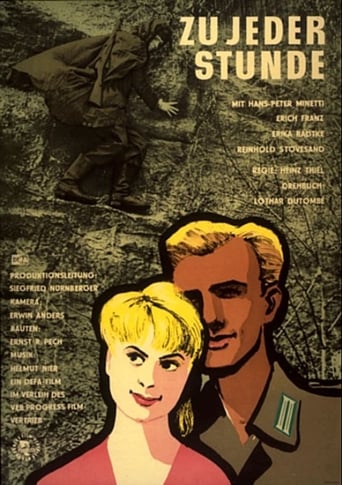 9.0
9.0The soldier Martin has been relocated to a small border village in Thuringia. During a storm, he comes to the rescue of Renate, a farmer′s daughter. The two young people fall in love, thereby upsetting Renate′s father who has already promised his daughter to the son of the big farmer Grabow. Henceforth, he does his utmost to tear Martin and Renate apart. Meanwhile, Grabow prepares to flee the GDR with the help of the lance-corporal Zimmer who is indebted to him.
Zu jeder Stunde
1960
 6.8
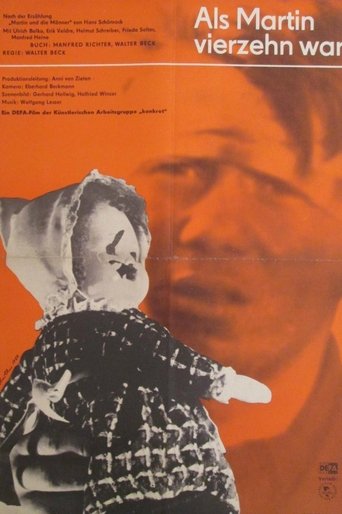
6.8Martin′s and his girlfriend′s Kathrin′s childhood comes to an abrupt end in 1920, when their Mecklenburg village is drawn into the events surrounding the Kapp putsch. By accident, Martin discovers a charge of weapons that land owner von Bröder had put away for the reactionary forces, and gives them to the workers in the city. When the village starts to organize a strike against the putsch, soldiers arrive at the village to hold down the residents of the village.
When Martin Was Fourteen
1964
 7.5
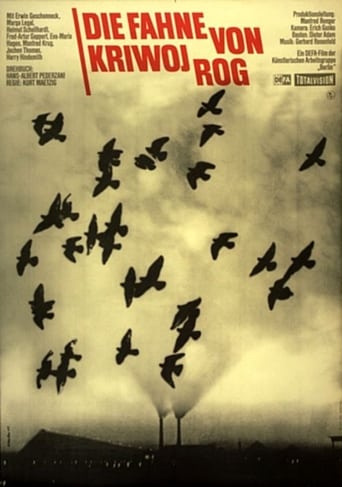
7.5In an act of friendship and solidarity between two mining towns in 1929, the locals of Kryvyi Rih, Ukraine, give their flag as a gift to the locals of Bergstedt, Germany in this GDR propaganda film. This quickly takes on a symbolic meaning for the miners in Bergstedt as the Nazi party demands that this Soviet gesture be erased and the flag be replaced with their own. The miner and communist party functionary Otto Brosowski publicly declares it his duty to defend this flag against every danger, and he keeps his promise despite his family being threatened by torment and torture.
The Banner of Kryvyi Rih
1967
 10.0
10.0Biography of the comic poet Carlo Goldoni (1707-1793).
Italienisches Capriccio
1961
 8.0
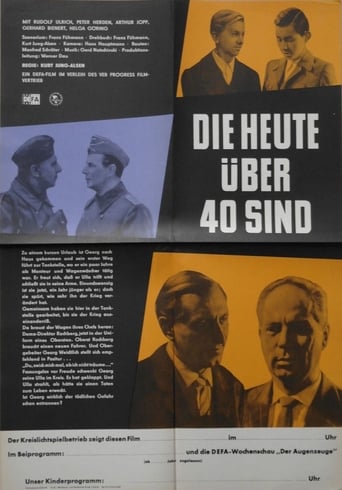
8.0Film by Kurt Jung-Alsen.
Die heute über 40 sind
1960
 7.0
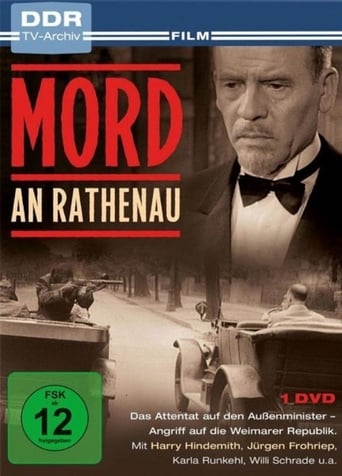
7.0Germany 1922 during the Weimar Republic: Foreign Minister Walther Rathenau signs the Treaty of Rapallo between Germany and the Soviet Union. German national, conservative forces then speak of betrayal and anti-Semitic tones become loud. Plans for murder Rathenaus are forged in the vicinity of the Freikorps. The young engineer Horst Bergmann learns about the preparations of the assassination attempt and tries to warn Rathenau.
Mord an Rathenau
1961
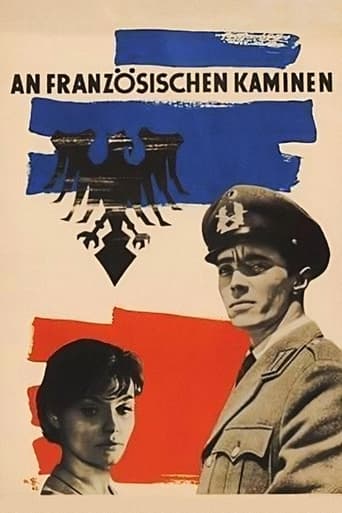 8.8
8.8Bundeswehr soldier Klaus’ regiment is stationed in France, to take part in NATO maneuvers. The soldiers are ordered to be kind to the populace, since the West German High Command wishes the French to forget the atrocities that were committed during the Second World War. Klaus falls in love with Jeanne, the daughter of the local mayor. He discovers that his commanders intend to demolish the ruins of a local church, in which civilians were murdered by the German occupation forces at 1944. A local journalist who researches the event discovers that West German General Rucker ordered the massacre, but he is mysteriously murdered. Klaus defies his commanding officer Siebert, who instructs him to steal the documents indicting Rucker, and hands the evidence over to Jeanne.
At a French Fireside
1962
In spring 1957 Budapest, former lovers Sándor and Mónika reunite after 16 years at a street‐corner café. Their conversation flashes back to 1941, when Hungary joined WWII under Horthy and eight fresh teacher‐graduates, including Sándor and Mónika, vowed lifelong solidarity. War and shifting politics fracture their bond and force each to choose a path through turbulent decades. The drama echoes the 1956 uprising: participants seeking reform are branded “counter‐revolutionaries,” denounced by steadfast communists like László, who scorns defectors such as Béla for “dishonouring socialism and the people.”
Menschen von Budapest
1960
 8.0
8.0Young Kuttel belongs to a group of working-class children who live in Berlin at the beginning of the 1930s. In the big summer holidays in 1931, the children want to make a race with their model boats and choose as a venue for the small artificial water in the park of their neighborhood. All children in the area are invited to participate in the competition. But there is a traitor among them, who tells the company to the local police officers, who in any case look with arrogance on the "Reds"...
Kuttel
1961
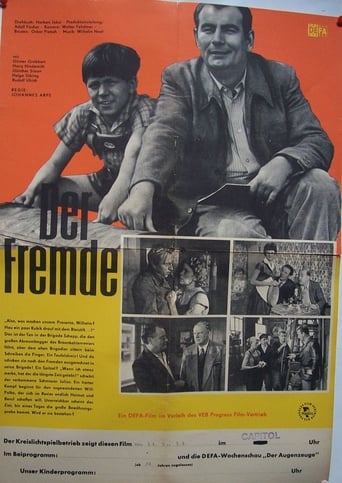 8.0
8.0After years of drifting around, Willi Palko arrives in the lignite mining area. He was not only looking for a new job, but also wanted to finally settle down here. The party leadership sends him to the Schepp brigade, which has made itself "suspicious" (on paper) due to its extremely high production figures. The stranger is accused of being a spy for the factory management. Willi finds it difficult to assert himself, but he is taken with the big excavator, the prospect of one day being allowed to drive it, and the brash flapper Hanna. He stays, and with his help a mine foreman is exposed as a Western agent and coal production is brought up to a really high level.
Der Fremde
1961
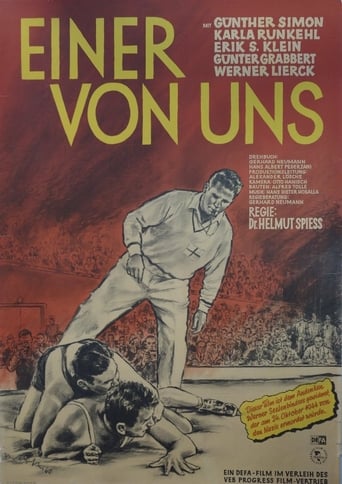 9.0
9.0A wrestler finds his political interest and activism through sport. However, this is extremely dangerous during the Nazi era and the workers' sports movement starts a resistance against the Nazi regime...
Einer von uns
1960
 6.2
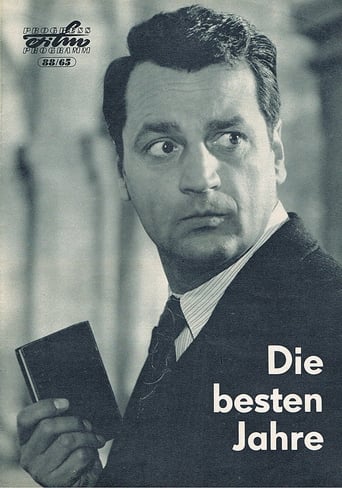
6.2In 1945, Ernst Machner returns home from the war in his mid-20s. Tuche would like him to weave for a living, but his comrades persuade him to become a young teacher instead.
The Best Years
1965
 10.0
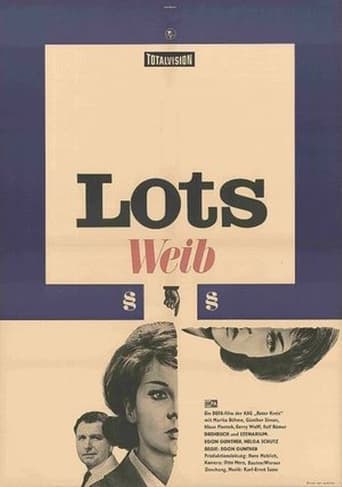
10.0The marriage of Katrin and Richard Lot has become a routine. She has a career and he, as a Marine officer, comes home only once every fourteen days. The children greet him with joy, but she greets him only with anxiety because their marriage is missing its key ingredient: love. She wants a divorce, but he refuses mainly out of comfort as well as due to pressure from the party. Katrin finds a strange solution: she shoplifts and is put on probation for three months. This is enough to force Richard into a divorce because he is concerned about the "moral liability" of his wife.
Lot's Wife
1965
 8.0
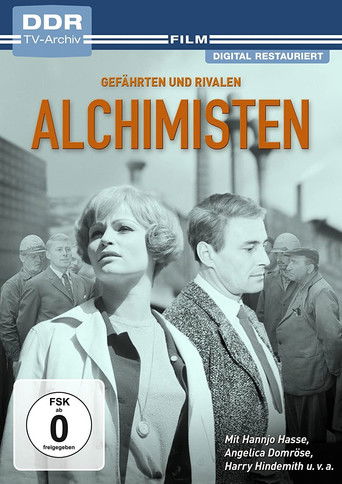
8.0Two-part TV movie about the inadequate production methods of a chemical plant, which come to light due to an accident and lead to numerous complaints. Against the resistance of the management, which tries to talk away all the difficulties, but with the support of the workforce, a party secretary sets about solving the problem.
Alchimisten
1968
 9.0
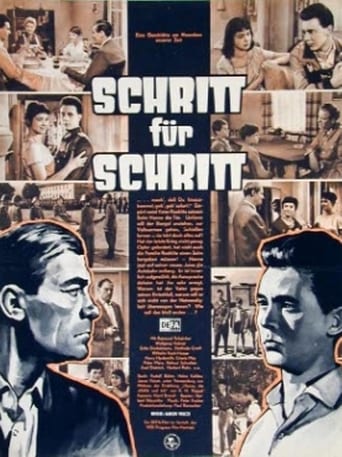
9.0No synopsis available yet.
Schritt für Schritt
1960
 8.0
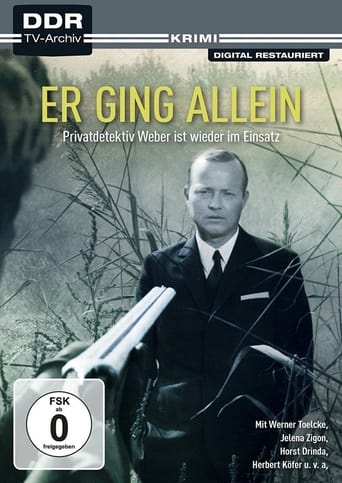
8.0A small town in West Germany. Material for an exhibition with documents from the Nazi era was stolen from Herbert Geerts, only the negatives of the photos did not fall into the hands of the perpetrator. Geerts is found murdered and the group of people who were incriminated by the documents are suspects. Detective Weber takes on the case, which turns out to be "a case of fireworks", and follows the trail of a Nazi criminal...
Er ging allein
1967
1950s · 21 titles
7.2In 19th century France, Jean Valjean, a man imprisoned for stealing bread, must flee a relentless policeman named Javert. The pursuit consumes both men's lives, and soon Valjean finds himself in the midst of the student revolutions in France.
Les Misérables
1958
 10.0
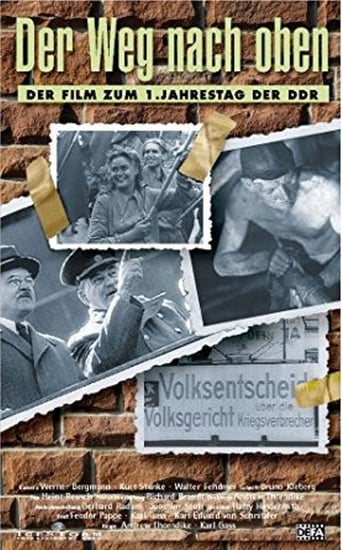
10.0The economic and cultural improvements of the Soviet Occupied Sector are documented with scenes from the years 1945 to 1950. The film deals with the land reform, the founding of the Socialist Unity Party, the expropriation of war criminals, the founding of the GDR and the first Five Year Plan in July 1950. Special attention is dedicated to the setup of the steel industry. All this is shown in contrast to the new Federal Republic of Germany, where unemployment, slums and the West Berlin airlift prevail. The Cold War of those years is reflected in the film as well as a part of the development of post-war Germany.
The Ascending Path
1950
 8.0
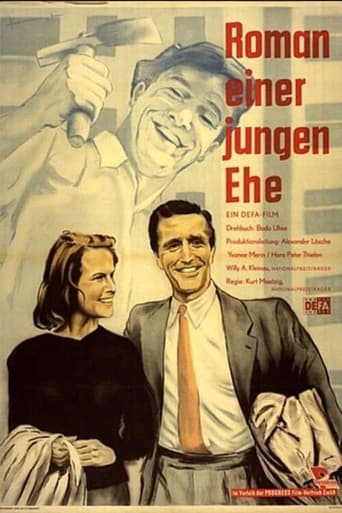
8.0A young married couple - both of them actors - work in the divided city of Berlin. Agnes, the young woman, is on location in East Berlin, and Jochen, her husband, works at the Westend Theater in West Berlin. This young marriage is in danger of breaking up as they vehemently defend their diametrically opposed views. The way they see politics, art and the world differs extremely.
Story of a Young Couple
1952
 10.0
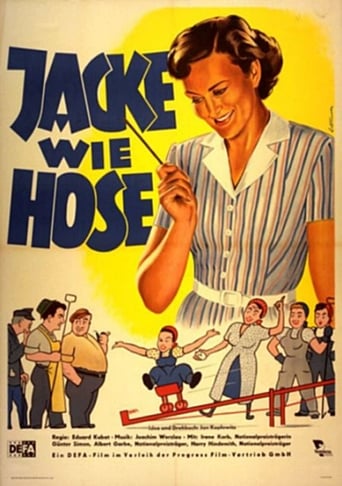
10.0No synopsis available yet.
Jacke wie Hose
1953
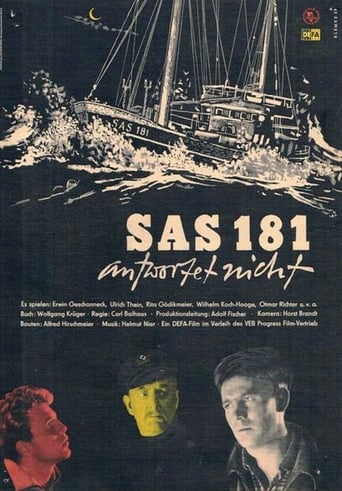 8.0
8.0Kurt, an apprentice in a fish combine, is an ambitious loner. He wants to show what a good sailor he is at a regatta, but fails because of his recklessness and the storm. Disappointed, he seeks affection from the girl Anke, but she loves the apprentice Hannes. During a trip together with Captain Laue, who presents himself as a fatherly friend to Kurt, the boys get into an argument. However, when Laue makes an unscheduled call at Bornholm and Kurt discovers that Laue wants to sell the cutter's catch and equipment and flee, he buries his differences with Hannes. Together and with the help of the old fisherman Jens, the boys rescue the cutter.
SAS 181 antwortet nicht
1959
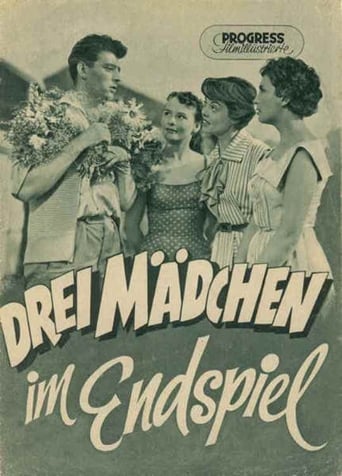 7.0
7.0The soccer team of the company sports association "BSG Hartenfels" is going downhill. New training methods - based on scientific findings - are needed, says Paul Schmidt. But he runs up against the star striker Wieland, whose friends naturally stick by him. So water sportswoman Ruth, deputy chairwoman of the BSG, decides to use female cunning to change the situation for the better. She and her friends Lilo and Uschi want to "work" the unruly ones. In the end, there is indeed a victory - on the sports field - and two happy couples.
Drei Mädchen im Endspiel
1956
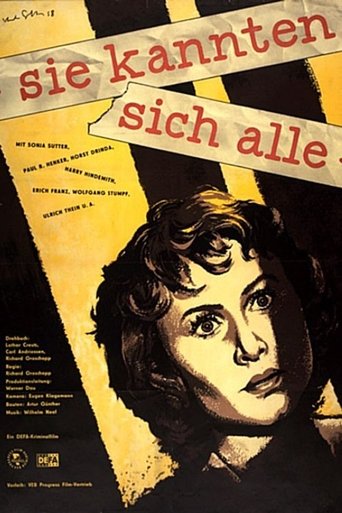 6.0
6.0A car factory in the GDR. During a test ride there is a major accident. One driver is dead, another is seriously injured. The investigation reveals: sabotage.
They All Knew Each Other
1958
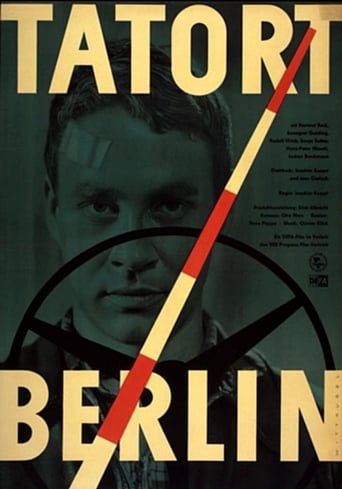 6.7
6.7Rudi Prange is released from prison for good behavior. He gets a job in a transport unit but gets involuntarily involved in a smuggling business by a colleague. When two police officers are gun down Rudi becomes the main suspect.
Crime Scene: Berlin
1958
 5.7
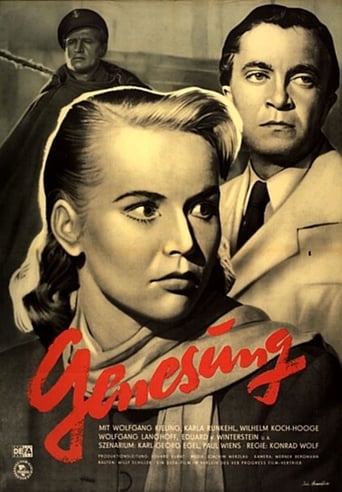
5.7The authorities expect the case of Friedel Walter, alias "Dr. Mueller," to be a straightforward one: he was working as a doctor without proper credentials under a false name. But Mehlin, the man in charge of his case, knows that there is more to the story. When he was injured fleeing from a concentration camp, resistance worker Irene asked her medical student boyfriend Walter to give him medical care.
Recovery
1956
 8.0
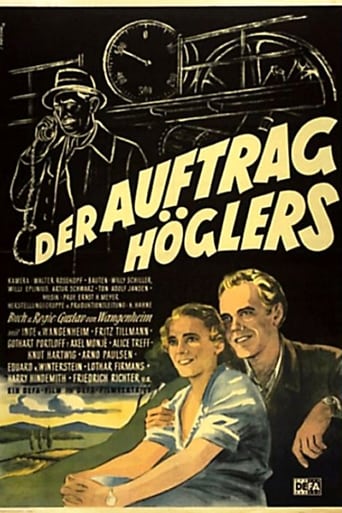
8.0The Luisin ridge is divided not only by the river, but also by the zone boundary. The old CEO Högler still lives in the west, the eastern part has been expropriated and is managed by the chief engineer Dr. Tellen. He is working on a new steel production process that Högler absolutely needs. Högler's means to achieve his goal are bribery, espionage and slander. Trade union member Maria Steinitz almost becomes a victim of slander. However, the intrigue is exposed and Hogler's criminal intentions are thwarted. At a large production meeting, the old people's controller Hufland exposes the true culprits. Maria and Fritz Rottmann, a trade unionist from Munich, who have known each other since the days of the anti-fascist resistance, embrace each other.
Hogler's Task
1950
 10.0
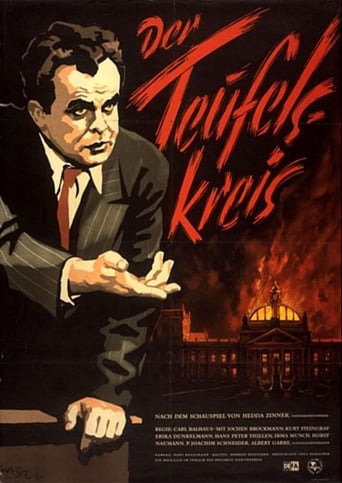
10.0Shortly after the seizure of power by Adolf Hitler at the beginning of 1933, preparations were underway to silence the members of the socialist and communist parties.
Vicious Circle
1956
 9.0
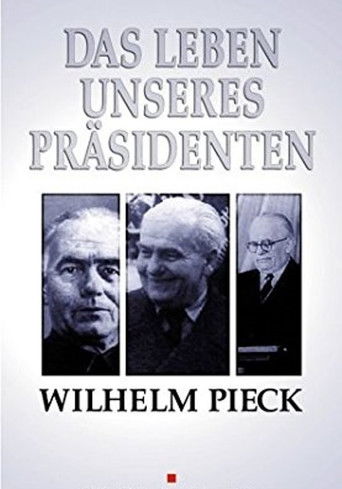
9.0Basing his work on documentary material, Andrew Thorndike tells the life story of Wilhelm Pieck: from young worker to fighter for the German working class, and from enemy of national-socialism to the first president of the German Democratic Republic.
Wilhelm Pieck - Das Leben unseres Präsidenten
1952
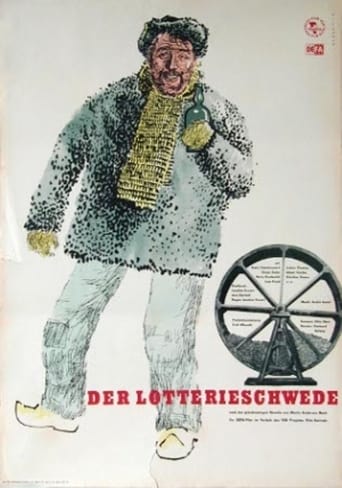 9.0
9.0Bornholm island in 1880, where quarry worker Johan Jönsson lives a miserable life with his wife and children. He hopes to escape his poverty by winning a lottery ticket. But it doesn't bring him any luck. Instead of spending his little money on a doctor to have his sick child treated, he extends the lottery ticket. The child dies and Johan, plagued by remorse, turns to alcohol. After he has gambled away everything, the lottery ticket brings someone else the main prize. Johan commits suicide, but his son Per has realized that gambling is not the way to change the miserable existence of the workers.
Der Lotterieschwede
1958
 10.0
10.0Spain 1936: Despite the victory of the Popular Front, nothing has changed for the peasants; the grandees continue to oppress them. The poor peasant son Pablo fights back and encourages the others to demand their rights. The grandees flee. Students from Madrid arrive and help the rural population to democratize. Pablo falls in love with Magdalena and learns to read and write from her. When Franco begins his bloody attack on the young republic, they defend the village together. When Magdalena dies in a bombing raid by German planes, Pablo begins to hate the Germans. However, fighting together with the International Brigades, he realizes that there are other Germans too, and that they share a common enemy.
Mich dürstet
1956
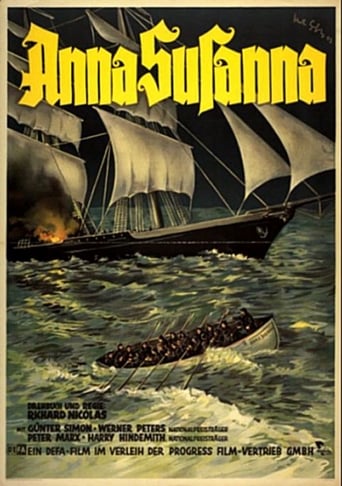 7.0
7.0No synopsis available yet.
Anna Susanna
1953
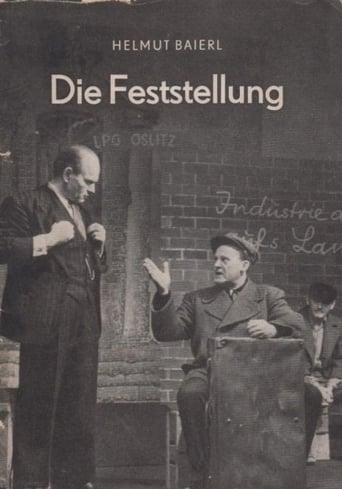 10.0
10.0A farmer who has fled the republic returns disappointed from the West to the village of Oslitz (GDR). He and his wife are supposed to get their house and farm back, but the case becomes the occasion for an unusual LPG meeting. The chairman, a comrade from the town and the farmers want to find out what caused the returnee to flee and whether it could have been avoided. The farmer claims that the chairman wanted to force him into the LPG because of illegal fertilizer purchases. He interprets his behavior differently. In order to clarify the matter and learn lessons from it, those present re-enact the events before the escape with reversed roles.
Die Feststellung
1958
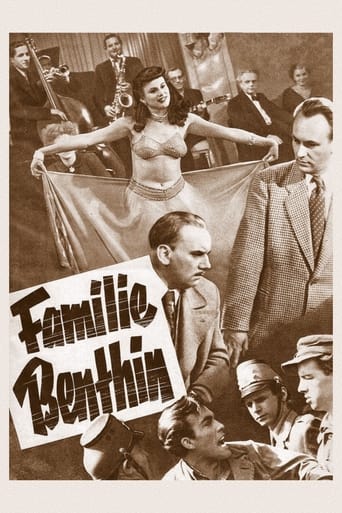 6.1
6.1The brothers Theo and Gustav Benthin pull profits through smuggling in divided Germany: Theo in the West and Gustav in the East. The East German police catch on quickly, however, and Gustav is arrested. The small band of smugglers disperses, with Gustav’s chauffer Peter Naumann fleeing to the West and his sister choosing the East after struggling to find work and lodging in the West.
The Benthin Family
1950
 7.0
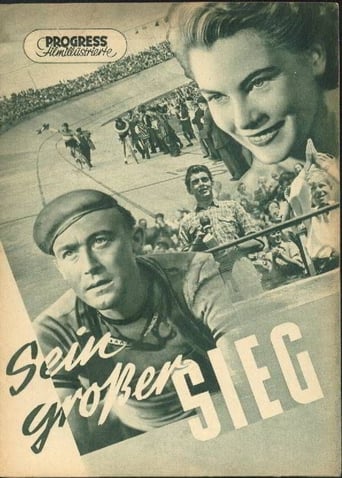
7.0GDR and West Berlin in the 1950s. Hans Nettermann, a designer at the "Komet" bicycle factory, is a favorite of the BSG road riders. His dream is to one day ride in a stand-up race. A construction error throws him back in the road race. They work for a long time to fix it. Then he is persuaded to go to West Berlin to become a professional rider. Although he makes it to the top class, he also learns about the scams in professional sport. He marries Marianne, who has followed him and tries to persuade him to return to the GDR, which he eventually does. After some difficulties at work, he is nominated for the first amateur endurance race in the GDR and wins.
Sein großer Sieg
1952
 8.0
8.0Lifelong hard work for the count makes the servant Anton a cripple. Everybody calls him Crooked Anton. When, after the end of the war, the land of the count gets divided amongst the farmers, Anton receives a piece and hopes to be able to work freely. But an old debt and intrigue keep Anton and his family from finding peace. The farmers of the village begin to discover their own power when Annegret, Anton's daughter, leaves. Is a new beginning possible for Anton? This film paints an impressive panorama of the development of a minor village in Mecklenburg from the end of the war to the uprising of 17 June 1953.
Castles and Cottages
1957
 6.3
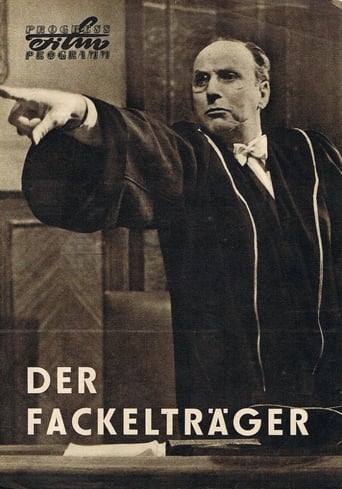
6.3Senior public prosecutor Sänger from West Berlin has only one goal in mind: to finally be appointed to the Federal Court of Justice.
Der Fackelträger
1957
 7.0
7.0A story about a group of children in German town of Bahrenburg who are trying to build themselves a swimming pool.
Bahrenburg Stories
1957
1940s · 6 titles
 6.0
6.0After WWII, Berlin lies in ruins. For Gustav, Willi and their friends the rubble provides an adventurous, dangerous playground. Especially for Gustav, it helps pass the time, as he longs for his father's return from a POW camp. One day a stranger arrives, looking helpless and hopeless.
Somewhere in Berlin
1946
 6.0
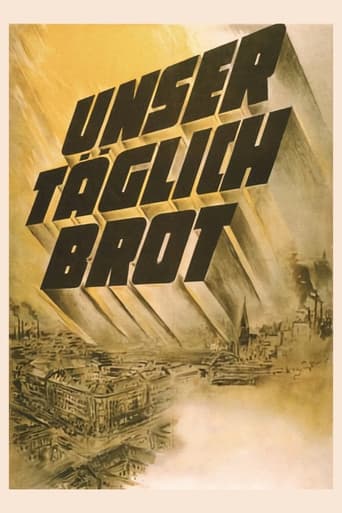
6.0A story about a family after the Second World War. The petty bourgeois cashier Karl Weber of Berlin observes from a distance how his son Ernst participates in the building of a new socialist society. Karl does not understand Ernst's visions, instead he confides in his other son Harry. However, Harry becomes involved in illicit business and Karl quickly realizes that it would be best to join his son Ernst in the citizen-owned factory.
Our Daily Bread
1949
 7.3
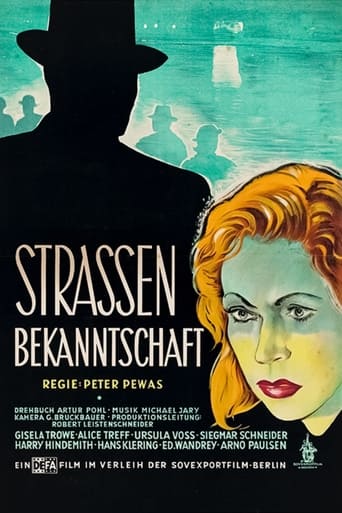
7.3The film centres around the young woman Erika, desperately seeking for love and escape from the depression of the times, drifting, and in the end becoming involved with a circle of rich people who sell goods for sexual favours.
Street Acquaintances
1948
 7.0
7.0In 1948, students from Berlin University take part in the filming of a movie about the 1848 revolution as extras. A dispute arises between Else and Heinz, who tends to dismiss the revolution as a comical affair. Two fiercely opposing camps form at the university. But Heinz begins to reflect, and reading about a young student who lost his life in the turbulent days a hundred years earlier slowly changes his attitude. The conclusion of the filming at the Wartburg also reunites him with Else.
Und wieder 48
1948
No synopsis available yet.
Achtung, Gefahr!
1948
Anne Treibel owns a small house that is home to four women and one man, Martin, a badly injured war veteran. All the women are interested in Martin, but he knows that only Anne truly loves him. When Helga asks him to get a surgery that could save his life, he does it for Anne. Fortunately, the attention of the other three amorous women is diverted when three suitable men happen to show up!
Quartett zu fünft
1949
Series credits
No synopsis available yet.
Sankt Urban
1969
9.0No synopsis available yet.
Rendezvous mit unbekannt
1969
9.0No synopsis available yet.
Krupp und Krause
1969
10.0No synopsis available yet.
Dolles Familienalbum
1969
 NR
NRNo synopsis available yet.
Kriminalfälle ohne Beispiel
1967
NRNo synopsis available yet.
Kriminalfälle ohne Beispiel
1967
 8.0
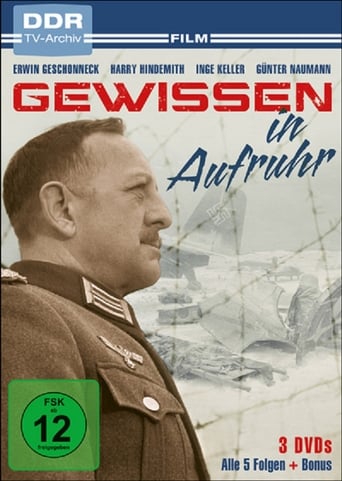
8.0As a German soldier in the 6th Army, Colonel Joachim Ebershagen is trapped in the Stalingrad cauldron. His experiences cause him to begin to doubt the meaning of the war. He is flown out as a wounded soldier on one of the last planes. Back home, he becomes commander of Greifswald. Towards the end of the war, he surrendered the city to the Soviet army without a fight on April 30, 1945. The death sentence pronounced by a court martial is not carried out.
Gewissen in Aufruhr
1961