

Acting
Leonardo Villar
Born — Died
1923-07-25 — 2020-07-03
Place of birth
Piracicaba, São Paulo, Brazil
Known for
Acting
Credits
51 titles
Leonardo Villar (born as Leonardo Motta in Piracicaba, São Paulo, on July 25, 1923 - São Paulo, July 3, 2020) was a Brazilian actor. He became internationally known for his performance as Zé do Burro in Anselmo Duarte's O Pagador de Promessas, the only Brazilian film so far awarded with a Palme d'Or at the Cannes Film Festival. He started his career at the theater, but later also started acting in film and television. Villar debuted at the theater on the 1950 play Os Pássaros. His first film role only came in 1962 as Zé do Burro in Anselmo Duarte's O Pagador de Promessas. He received international exposure for the role after the film won the Palme d'Or and became the first Brazilian and Sou…
Known for
 NR
NRNo synopsis available yet.
Большая засада
1995
 6.4
6.4Biology professor Edu is an idealistic man who moves with his son Lipe to the charming, fictional town of Nova Aliança, in Minas Gerais, in search of a better quality of life. Edu is engaged to Amelinha, daughter of the wealthy and greedy rancher João Mourão. But this relationship becomes unstable when Edu falls in love with the dreamy lawyer Clara, daughter of Lígia and the experienced lawyer Raul Gouveia. Edu is a single father and tries to always be present in Lipe's life, attempting to keep him away from his mother, Mariana, whose drug addiction prevented her from raising her son. Edu's future father-in-law, João Mourão, is the biggest businessman in Nova Aliança: he owns a farm, a dairy, a meatpacking plant, and a transportation company. João takes issue with Edu when he discovers that the young man is a strong defender of nature and environmental protection laws, which turns him into a rival in the fight for a stretch of virgin forest.
Student's Heart
2002
 7.7
7.7Ana and Zeca have a happy marriage, but they can't have children. To fulfill their dream, the couple hires the young Clara as a surrogate mother, which leads them into a legal dispute.
Barriga de Aluguel
1990
 6.7
6.7A mature and successful woman, Helena becomes involved with Edu, who is twenty years her junior. She battles prejudice in order to live her love, but their romance fizzles out when she realizes that her daughter Camila has also fallen in love with him. Her dilemma grows even worse when she discovers that the girl has leukemia. Helena must disclose the real identity of Camila‘s father in order to try and find a compatible bone marrow donor. In order to save her, she decides to give up her new love and have another baby with her daughter‘s father.
Family Ties
2000
 7.4
7.4The hypochondriac lawyer Arthur, the model Maria, the religious Elizabeth, the hardworking Guinevere, and the womanizing personal trainer Lancelotti reunite after 25 years in the fictional town of Deus me Livre, in the interior of São Paulo. Determined to correct past mistakes and start their lives anew, they end up rekindling old flames. This is the main plot of Pé na Jaca, which, starting with the reunion of the five childhood friends, shows a frantic hunt for fortune, seasoned with hilarious romantic entanglements.
Pé na Jaca
2006
 6.8
6.8An ambitious young woman with a traumatizing past targets an Italian man, the distant son of a wealthy Brazilian family.
Passione
2010
Film credits
2000s · 3 titles
 5.6
5.6Diogo is a cartographer and artist who is encharged to set the new frontiers of Portuguese Colonies in South America. When he reaches the center of the continent, finds apparently nothing but wilderness and ‘uncivilized’ natives with strange ways of living. But Captain Pedro, the rude scout who guides him through the jungle, involves Diogo in an involuntary act of violence which will tie him in an unusual way to that far away country. At the same time, the Portuguese colonists are trying to make peace with Guaicuru Indians (one of the few natives with horse-riding abilities). But peace doesn’t ever have a low price.
Brave New Land
2000
 6.0
6.0An evening in an old time dance hall in Sao Paulo introduces us to local characters who reminisce about the past, wonder about the future, have fun, flirt, fight and, of course, dance. Its earthy humour and eternal themes of ageing, loneliness and desire is an antidote to grumpy old men and women everywhere.
The Ballroom
2007
 7.0
7.0A tribute to the actor Leonardo Villar who, in his debut on the big screen, immortalized one of the most memorable characters in Brazilian cinema, Zé do Burro from the classic O Pagador de Promessas.
Leonardo Villar - Um Homem Só
2001
1990s · 3 titles
 NR
NR"Portraits and excerpts from Brazilian films from all times. Actors, directors and images that affirm cinema."
Celebração - 100 Anos do Cinema Nacional
1997
 5.8
5.8Brazil in the early 70s. Miguel, Eloi, Osvaldo and Paolo take part in armed attacks against the military dictatorship. They pay a heavy price with torture and arrest. Today the four friends still see each other. Only Miguel is politically active. On a photograph from a political meeting in Sao Paolo he recognises the policeman who tortured them 25 years ago and who was responsible for the death of Miguel's girlfriend. The policeman has been officially dead for a few years. On one of their fishing trips together, Miguel tells his friends of his discovery. When they hunt down and confront their nemesis they come into conflict with both themselves and each other.
Friendly Fire
1998
A museum worker - the watchman - motivated by the homonymous painting by Giorgio De Chirico, is introduced, through everyday life, into the metaphysical universe of the Italian painter.
Enigma de um Dia
1996
1980s · 3 titles
 5.0
5.0About English photographer Chick Fowle. Statements by Anselmo Duarte, Leonardo Vilar, Marlene França, Vanja Orico. A film about directors, actors and teams that Chick Fowle worked and works with, also showing the possibility of renewal that Brazilian cinema can and must have.
Chick Fowle, Faixa Preta de Cinema
1981
 3.0
3.0No synopsis available yet.
Amor de Perversão
1982
 7.5
7.5The story of Domitila de Castro Canto e Melo, the Marquise of Santos, the most famous of the mistresses of Dom Pedro I, Emperor of Brazil.
Marquesa de Santos
1984
1960s · 12 titles
 8.1
8.1Zé is a very poor man whose most prized possession is his donkey. When his donkey falls terminally ill, Zé makes a promise to Saint Bárbara: If his donkey recovers, he will carry a cross - like Jesus - all the way from his city to Saint Bárbara's church, in the state capital. Upon the recovery of his donkey, Zé leaves on his journey. He makes it to the church, but the priest refuses to accept the cross once he discovers the context of Zé's promise.
The Given Word
1962
 7.7
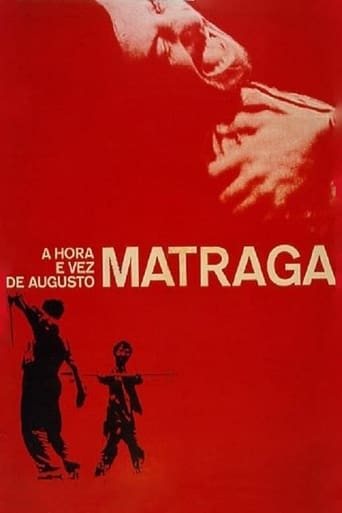
7.7Augusto Matraga is a violent agressive farmer who, after being betrayed by his wife and trapped by several enemies, is beaten up and left for dead, being rescued by a couple of humble small farmers who nurse him for a long time until he is well again. Influenced by the couple, Matraga starts a long penitent life while waiting for his hour and chance to payback, starting a fight between his violent nature, his hidden desire of vengeance and the mysticism and goodness which is also part of him.
The Hour and Turn of Augusto Matraga
1965
 8.0
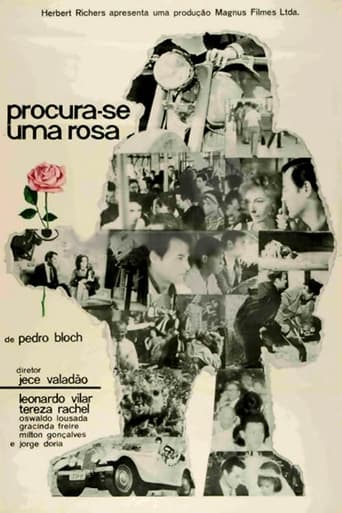
8.0No synopsis available yet.
Procura-se Uma Rosa
1964
 5.8
5.8Two dark-comedy stories involving blackmail, murder and love triangles in Rio de Janeiro
Dangerous Game
1967
 7.5
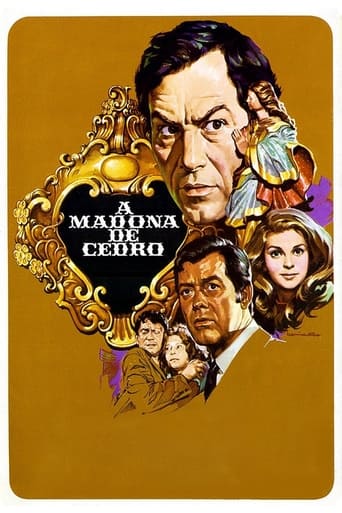
7.5Delfino, a quiet man who lives in Congonhas do Campo, a small historical town in the state of Minas Gerais, Brazil, is urged by his friend to steal the image of the Madona de Cedro (the Cedar Madonna), sculpted by Aleijadinho in the 18th century, from the town sanctuary.
A Madona de Cedro
1968
 NR
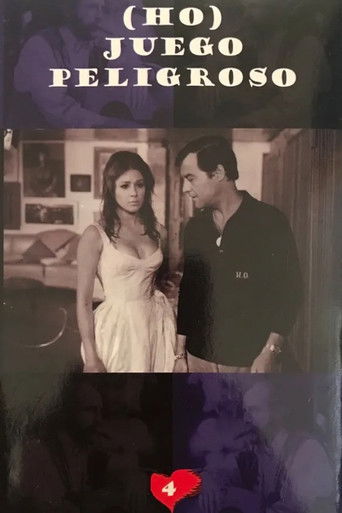
NRHomero Olmos, a famous television publicist known as "H.O." or "The Voice of Experience," is driving along a lonely road heading to Rio de Janeiro when he meets Claudia and Luis, a newlywed couple whose car has been in an accident.
H.O.
1967
 7.5
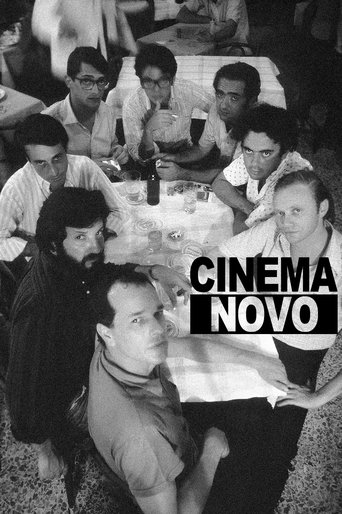
7.5Originally produced for German TV, Improvised and Purposeful is a firsthand look at the "Cinema Novo" movement (otherwise known as the 'Brazilian New Wave'). Director Joaquim Pedro de Andrade focuses on six Cinema Novo filmmakers working in Rio in 1967.
Improvised and Purposeful: Cinema Novo
1967
 6.4
6.4In search of a better life, Luzia leaves the Northeast of Brazil and goes to Rio de Janeiro, looking for her fiance who went first to pave their way. Alone in the Marvelous City, she is forced to accept the friendship and protection of Calunga and, later, the company of Inácio.
The Big City
1966
 3.1
3.1Singer Laura Monteiro (Montiel) is murdered by her old protector João Fernandes de Oliveira (Giachetti), who has found out her love affair with Assis (Carlos Alberto). Favela-girl Belén (also Montiel) is the look-alike who takes her place, unaware she is being used by a gang that smuggles precious stones sewn in Carnival costumes. Written by fabreu
Samba
1965
 7.5
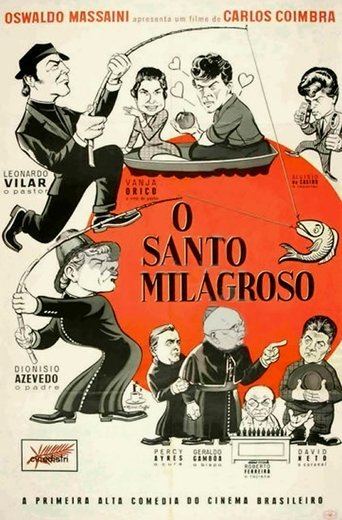
7.5A pastor and a priest compete for the religious leadership of the population of a small town. When the pastor tries to prevent his sister's involvement with the sacristan, he accidentally starts the rumor that the church houses a miraculous statue of St. Francis.
O Santo Milagroso
1966
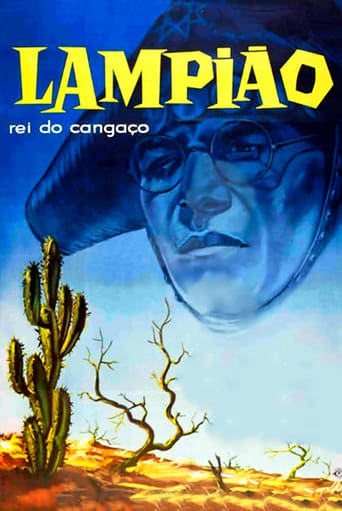 8.2
8.2The story of how a quarrel between families set poor farmer Virgulino Ferreira da Silva on the path to become Lampião, the greatest leader of the cangaceiros - bandits who roamed the Northeast of Brazil until the late 1930s.
Lampião, King of the Badlands
1963
 7.0
7.0A man and a woman meet in the middle of a newly inaugurated Brasília. In search of a love affair, they settle in his residence, where they live an intimate drama marked by intellectual, moral and erotic ghosts.
Amor e Desamor
1966
Series credits
NRNo synopsis available yet.
Большая засада
1995
6.4Biology professor Edu is an idealistic man who moves with his son Lipe to the charming, fictional town of Nova Aliança, in Minas Gerais, in search of a better quality of life. Edu is engaged to Amelinha, daughter of the wealthy and greedy rancher João Mourão. But this relationship becomes unstable when Edu falls in love with the dreamy lawyer Clara, daughter of Lígia and the experienced lawyer Raul Gouveia. Edu is a single father and tries to always be present in Lipe's life, attempting to keep him away from his mother, Mariana, whose drug addiction prevented her from raising her son. Edu's future father-in-law, João Mourão, is the biggest businessman in Nova Aliança: he owns a farm, a dairy, a meatpacking plant, and a transportation company. João takes issue with Edu when he discovers that the young man is a strong defender of nature and environmental protection laws, which turns him into a rival in the fight for a stretch of virgin forest.
Student's Heart
2002
7.7Ana and Zeca have a happy marriage, but they can't have children. To fulfill their dream, the couple hires the young Clara as a surrogate mother, which leads them into a legal dispute.
Barriga de Aluguel
1990
6.7A mature and successful woman, Helena becomes involved with Edu, who is twenty years her junior. She battles prejudice in order to live her love, but their romance fizzles out when she realizes that her daughter Camila has also fallen in love with him. Her dilemma grows even worse when she discovers that the girl has leukemia. Helena must disclose the real identity of Camila‘s father in order to try and find a compatible bone marrow donor. In order to save her, she decides to give up her new love and have another baby with her daughter‘s father.
Family Ties
2000
7.4The hypochondriac lawyer Arthur, the model Maria, the religious Elizabeth, the hardworking Guinevere, and the womanizing personal trainer Lancelotti reunite after 25 years in the fictional town of Deus me Livre, in the interior of São Paulo. Determined to correct past mistakes and start their lives anew, they end up rekindling old flames. This is the main plot of Pé na Jaca, which, starting with the reunion of the five childhood friends, shows a frantic hunt for fortune, seasoned with hilarious romantic entanglements.
Pé na Jaca
2006
6.8An ambitious young woman with a traumatizing past targets an Italian man, the distant son of a wealthy Brazilian family.
Passione
2010
 7.6
7.6No synopsis available yet.
Coração Alado
1980
No synopsis available yet.
Telerromance
1981
 6.7
6.7Serafina is a romantic young woman who dreams of experiencing great love. Claude is a wealthy businessman who is in the country illegally. The two make a deal that will transform their lives.
Uma Rosa com Amor
1972
No synopsis available yet.
Mania de Querer
1986
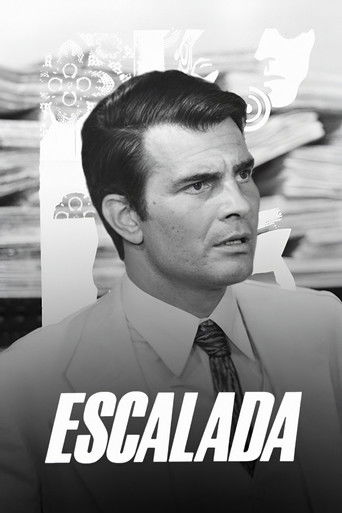 8.0
8.0No synopsis available yet.
Escalada
1975
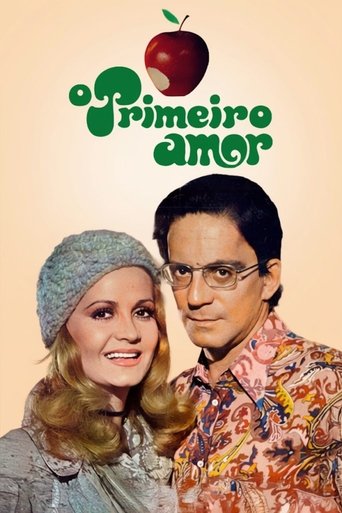 8.2
8.2Professor Luciano Lima arrives in the fictional town of Nova Esperança to take over as principal of a school. A widower, he hires a governess to take care of his four children: Júnior, Babi, Zizi, and Rui. The professor and the governess, Paula, fall in love, but the romance faces strong resistance from the children, especially Babi, the most rebellious of the four. Luciano also encounters difficulties at the school. His former girlfriend, English teacher Maria do Carmo, does everything she can to steal his position as principal. Meanwhile, a group of maladjusted and rebellious students, led by the biker Rafa, disrupts the school environment and bothers the other students. In this scenario, Giovana, a young psychologist hired by Luciano to help him deal with the rebellious students, emerges. She ends up forming a love triangle with Paula and the professor.
O Primeiro Amor
1972
 4.4
4.4No synopsis available yet.
Amazônia
1991
 7.0
7.0The mining town of São João Del Rei became the setting for a romance set amidst discussions about land division.
Voltei pra Você
1983
 8.5
8.5The story is set in the fictional city of Albuquerque, in the interior of São Paulo, in the early 1960s – a time marked by changing behaviors in much of the world. There, young people enjoy the sounds of rock and twist on the dance floors, follow the fashion of jeans and leather jackets, and show off on Lambrettas and motorcycles through the city streets. In this context, Maria Tereza, a student teacher, dreams of living in the capital and being elected Miss Brazil, but clashes with her boyfriend, João. An idealistic young man who intends to pursue a career in journalism, he is consumed by jealousy of his beloved.
Estúpido Cupido
1976
 8.5
8.5No synopsis available yet.
Os Ossos do Barão
1973
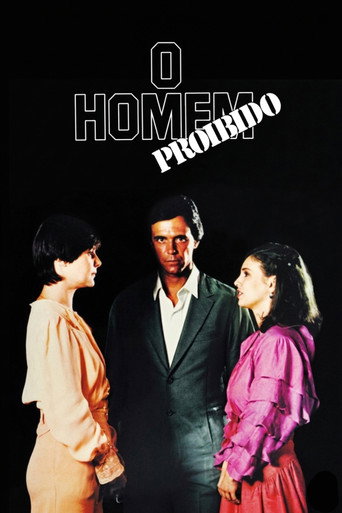 7.7
7.7Set in Rio de Janeiro, the main plot follows the romantic adventures of four young people: Sônia, Joyce, Paulo, and Carlos. The youngest, Joyce, was raised by her aunt and uncle, Flávia and Dario Rodrigues, following her mother's death and her father's disappearance. Dario and Flávia are Sônia's parents, and they raised both girls as sisters. The story becomes even more complicated with the arrival of Carlos, a young man of humble origins who falls for Joyce the moment he meets her. Joyce, however, does not reciprocate his advances and spurns his interest. Increasingly in love with Paulo, she even pretends to be blind after an accident—solely to remain close to the doctor—and proves willing to do whatever it takes to keep Sônia out of her way.
O Homem Proibido
1982
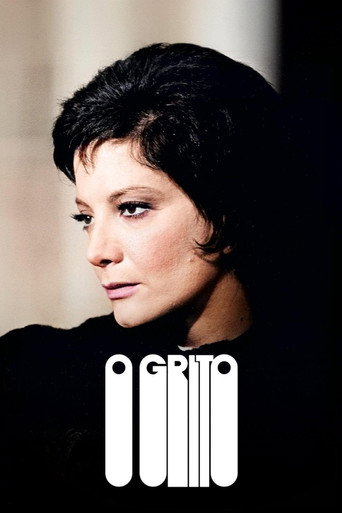 7.7
7.7No synopsis available yet.
O Grito
1975
No synopsis available yet.
Os Acorrentados
1969
 9.5
9.5Os Ossos do Barão is a Brazilian telenovela produced by SBT and originally broadcast from April 28 to September 8, 1997. It is an adaptation of Jorge Andrade's 1963 play of the same name, adapted for television by Walter George Durst, with collaboration from Duca Rachid, Mário Teixeira, and Marcos Lazarini. The telenovela stars Ana Paula Arósio, Tarcísio Filho, Juca de Oliveira, Othon Bastos, and Leonardo Villar. Set in São Paulo in 1948, the story follows Egisto Ghirotto, the wealthy son of Italian immigrants who dreams of gaining social prestige by marrying his son, Martino, to Isabel, the great-granddaughter of the late Baron of Jaraguá. Their romance sparks a bitter conflict between a rising immigrant family and a declining aristocratic dynasty, exposing themes of class, ambition, tradition, and the social transformation of Brazil.
Os Ossos do Barão
1997
 7.0
7.0No synopsis available yet.
Serras Azuis
1998
 6.0
6.0No synopsis available yet.
Caso Especial
1971
 8.0
8.0No synopsis available yet.
Obrigado, Doutor
1981
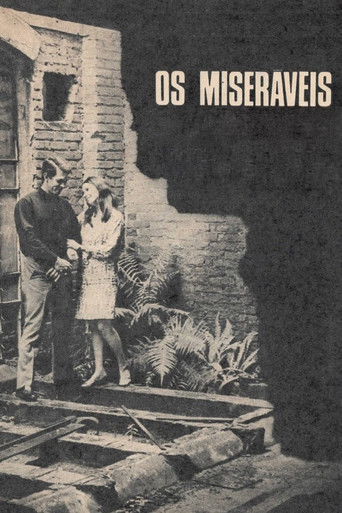 7.0
7.0No synopsis available yet.
Os Miseráveis
1967
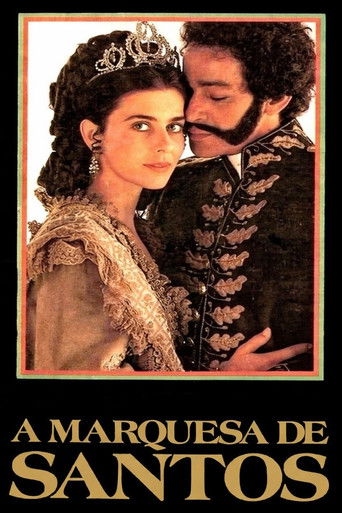 8.5
8.5The story of Domitila de Castro Canto e Melo, the Marquise of Santos, the most famous of the mistresses of Dom Pedro I, Emperor of Brazil.
Marquesa de Santos
1984
 7.0
7.0No synopsis available yet.
Plantão de Polícia
1979
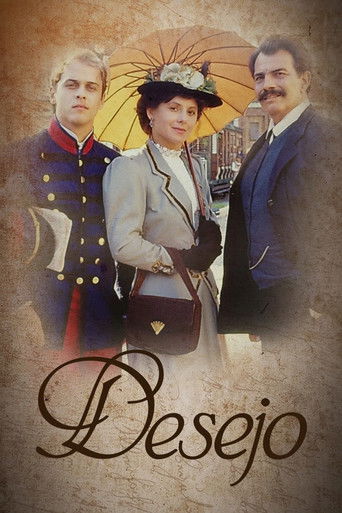 8.5
8.5Set in the early twentieth century and based on real facts, it tells the love story that led to the murder of one of the greatest Brazilian writers: Euclides da Cunha.
Desejo
1990
 8.5
8.5No synopsis available yet.
Tudo em Cima
1985
No synopsis available yet.
Santa Marta Fabril
1984
No synopsis available yet.
A Cor da Sua Pele
1965