
Acting
Vladimir Safronov
Born — Died
1940-11-01 — 2025-08-05
Place of birth
Moscow, RSFSR, USSR
Known for
Acting
Credits
19 titles
Known for
 7.6
7.6No synopsis available yet.
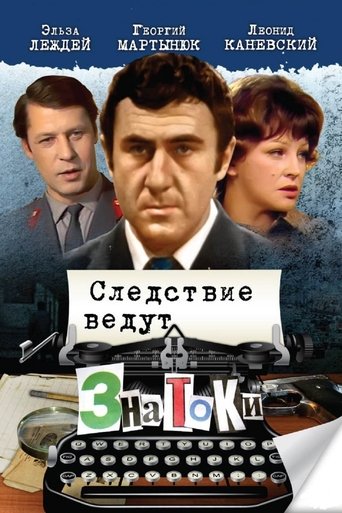
Investigation Held by ZnaToKi
1971
 NR
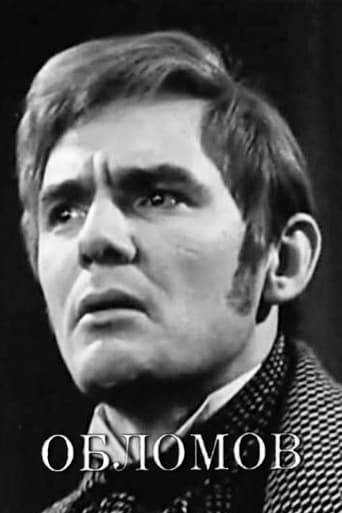
NRBased on the novel of the same name by I.A. Goncharov, staged by the Moscow Drama Theater named after A.S. Pushkin.
Oblomov
1972
 NR
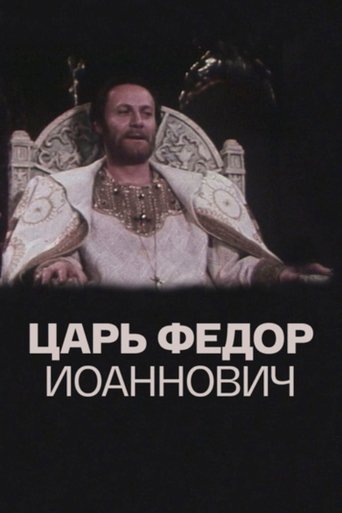
NRTrying to stop the fratricidal bloodshed started by his father - John the Terrible, Tsar Fyodor gave away power and led Russia to turmoil.
Tsar Fyodor Ioannovich
1981
 7.3
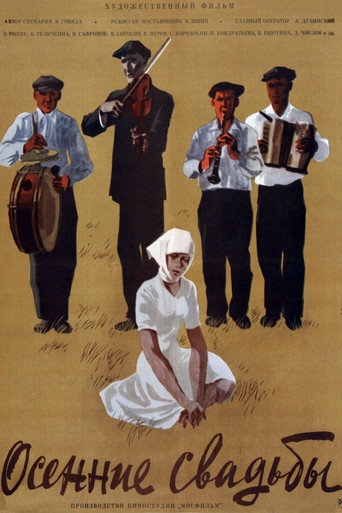
7.3A poetic story about the first love of the village girl Natasha, loyal to the memory of the deceased fiancé. In peacetime, the heroine's fiancé blew up on a land mine that remained on the collective farm field since the war, and her life turned into a nightmare. But sooner or later, dreams end and the world opens again. Pregnant Natasha goes to the institutions, seeking to be signed with the father of the unborn child who died tragically. At the end, after long ordeals, she comes to the conclusion that writing in the marriage book will not change anything in her life.
Autumn Weddings
1968
 NR
NROn the heroism and courage of Russian people during the Great Patriotic War.
Russian People
1979
 NR
NRTelevision play based on the novel by Ivan Goncharov.
The Precipice
1973
Film credits
1990s · 2 titles
 NR
NRThe TV version of the play by A.K. Tolstoy, staged by the Maly Theatre.
Tsar Ivan the Terrible
1998
 2.8
2.8The dramatic chronicle of the Meshchersky family is a story about the post-revolutionary life of three representatives of the Russian intelligent family, the history of which reflected the fate of the whole generation. Life on the estate, holidays, youthful hobbies - and after the hell of a civil war, the bitterness of emigration. They held on and knew how to hide their confusion. But the pain destroyed the soul, manifesting itself in short novels that did not bring happiness and unfulfilled hopes ...
Meshcherskie
1995
1980s · 2 titles
NRTrying to stop the fratricidal bloodshed started by his father - John the Terrible, Tsar Fyodor gave away power and led Russia to turmoil.
Tsar Fyodor Ioannovich
1981
 NR
NRFormer front-line soldier Ivan Ivanovich Klimov, a responsive and obliging man, works as a carpenter in a collective farm. Forty years after the end of the war, he receives the well-deserved award. Ivan is proud and happy. However, he is deeply hurt by the fact that a former policeman, Grishka, still lives and prospers in the village.
Ivan
1988
1970s · 13 titles
NRBased on the novel of the same name by I.A. Goncharov, staged by the Moscow Drama Theater named after A.S. Pushkin.
Oblomov
1972
NROn the heroism and courage of Russian people during the Great Patriotic War.
Russian People
1979
NRTelevision play based on the novel by Ivan Goncharov.
The Precipice
1973
 NR
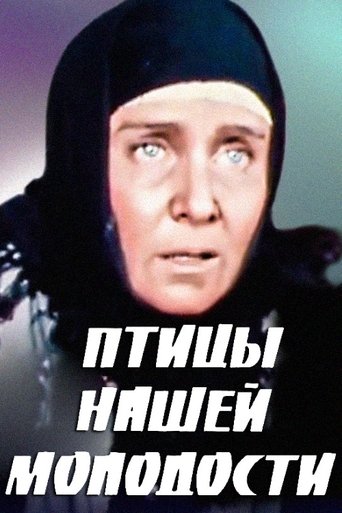
NROn the edge of a Moldovan village lives a wise old and infinitely lonely Aunt Ruta. She is always eager to help her fellow villagers, to cheer them up, to give them useful advice. It was not easy for her to forgive a long-standing offense, but she finds the strength to forget it and visits her dying relative to ease the last hours of his life.
The Birds of Our Youth
1974
 NR
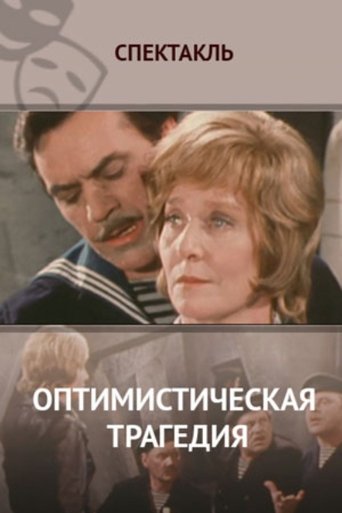
NRA female commissar is sent to the naval detachment, led by the anarchist Vozhak, on behalf of the Party Central Committee. She is tasked with subordinating the sailors to the cause of the revolution.
Optimistic Tragedy
1977
 NR
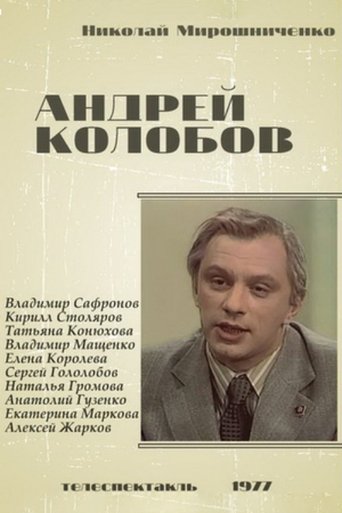
NRThe newly elected secretary of the city Komsomol committee, Andrei Kolobov, introduces the slogan of spiritual mentorship and strives to implement it in practice. He helps a talented young man, Petya Gorokhov, find the right path in life, directly participating in atheist propaganda. In the work of the Komsomol committee, Kolobov promotes a creative approach to working with the youth. He wins the love and trust of the city's Komsomol members, and at the report conference, the youth elect him as the first secretary once again.
Andrey Kolobov
1978
 NR
NRAbout the last year of Leo Tolstoy's life, disagreements in the family, conflicts with his children and wife, about his leaving home.
Return to the Beginning
1979
 NR
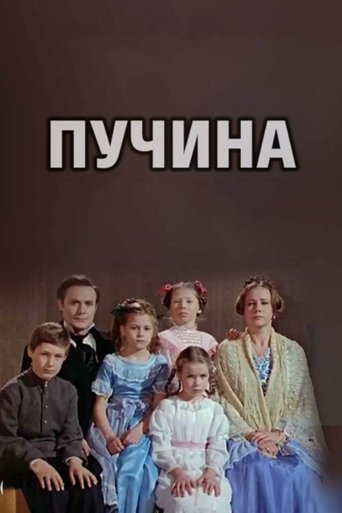
NRA film-play produced by the State Academic Maly Theatre based on the play of the same name by Alexander Nikolaevich Ostrovsky. A drama about the 'little man,' weak and kind, drowning in the depths of the sea of life.
Abyss
1976
 NR
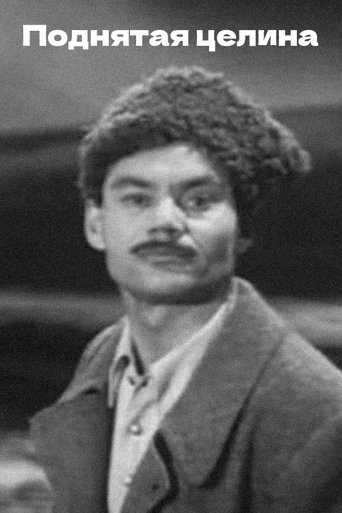
NRBased on the novel of the same name by M. Sholokhov and staged by the Pushkin Moscow Drama Theater.
The New Land
1971
 NR
NRThe film is about the youth who joined the ranks of the Komsomol in the early 1920s. The protagonists of the film are residents of a small town in southern Russia.
My Generation
1974
 NR
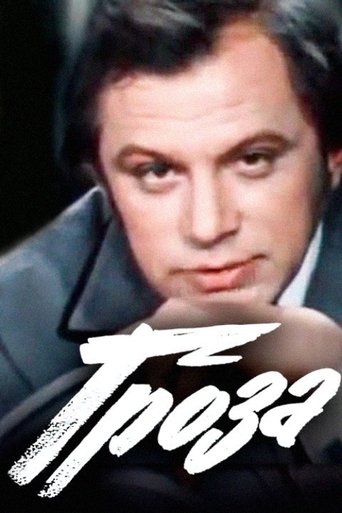
NRA television performance by the Maly Theatre based on the play by A.N. Ostrovsky.
Thunderstorm
1977
 NR
NRNo synopsis available yet.
Days of Our Life
1971
 NR
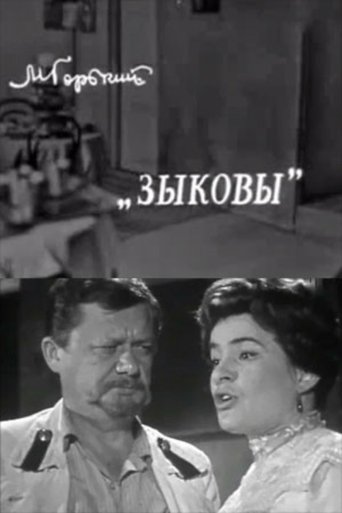
NRThe play “Zykovs” was written in 1912, during a time of confusion and depression in Russian society, a period of pre-war spiritual and moral decline. The state of the world is depicted here with a single phrase: “there was confusion of concepts”... The film-performance based on the eponymous play by M. Gorky, directed by the Moscow Drama Theater named after A.S. Pushkin.
The Zykovs
1970